
Beat the Heat: Pro Cyclist Strategies for Sun Protection on the Road
Don't let the Aussie sun stop your ride. Learn how professional cyclists manage heat and sun exposure, and apply their tactics to your own cycling adventures.
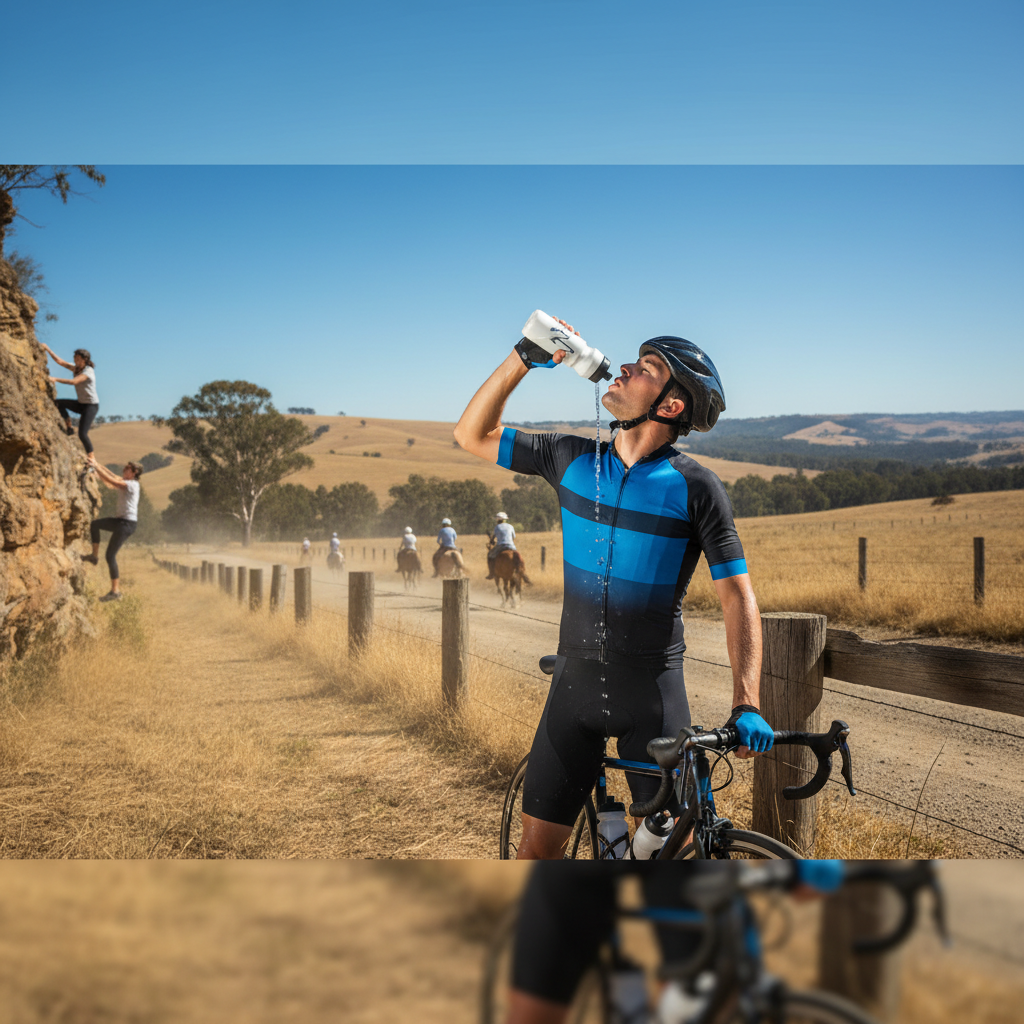
Beat the Heat: Pro Cyclist Strategies for Sun Protection on the Road
Australia. Sunburnt country. World-class cycling nation. These facts don't always play nice together. Long rides under a relentless Aussie sun mean more than just sweat; they mean serious sun exposure and potential heatstroke. Pro cyclists understand this better than anyone. They have to. Their livelihoods depend on being able to perform day in, day out, often in brutal conditions. So, what can a weekend warrior or daily commuter learn from their strategies?
We're not talking about exotic, unattainable techniques here. These are practical, hard-won lessons you can apply to your own rides, whether you're tackling a century on the coast or just heading to the shops. Helmets are mandatory, and for good reason, especially here. But a helmet alone isn't a complete sun and heat shield.
The Enemy: Sun and Heat on Your Ride
Let's be blunt. Australian UV levels can be extreme. Even on cloudy days, UV rays can penetrate. Prolonged exposure without protection leads to sunburn, premature skin ageing, and increased risk of skin cancer – a very real concern for anyone spending time outdoors. Heat is a different beast entirely. When your body overheats, performance plummets. Dehydration sets in faster, cramps become a certainty, and in severe cases, heat exhaustion or heatstroke can be life-threatening.
Pro cyclists aren't just naturally heat-resistant. They employ a multi-pronged approach. Let's break down what they do and how you can do it too.
1. Hydration: It's Not Just About Water
This is non-negotiable. Pros start hydrating before they even get on the bike. They're not just chugging water; they're using electrolyte drinks. Why? Because when you sweat, you lose not only water but also vital salts and minerals (electrolytes) like sodium, potassium, and magnesium. Replacing these is crucial for maintaining fluid balance and nerve/muscle function. Plain water can actually dilute your body's electrolyte concentration further, which can lead to hyponatremia (a dangerous condition).
Practice: Aim to drink fluids consistently from the moment you wake up. On longer rides (over 1.5-2 hours), use sports drinks or add electrolyte tablets to your water bottles. Sip regularly, don't wait until you're parched.
2. Nutrition: Fuelling for Endurance and Cooling
Food plays a role too. Pros consume easily digestible carbohydrates for energy, but they also consider foods that can aid in thermoregulation. Think about fruits and vegetables with high water content. On the bike, they rely on energy gels, bars, and chews that are quick to consume and digest, minimising disruption. Post-ride, they focus on recovery nutrition, which also helps the body repair and rehydrate efficiently.
Practice: Eat a balanced meal 2-3 hours before your ride. For longer rides, have easily digestible snacks like bananas, energy bars, or gels. After your ride, refuel with carbohydrates and protein.
3. Clothing: More Than Just Lycra
While not always visible, pro cyclists pay attention to their kit. They opt for light-coloured, breathable fabrics that wick sweat away from the skin, allowing it to evaporate and cool the body. Longer sleeves can offer more sun protection than vests, and specialised fabrics with UPF (Ultraviolet Protection Factor) ratings are increasingly common, even in cycling jerseys.
Practice: Choose light-coloured cycling jerseys and bibs where possible. Look for features like mesh panels for ventilation. Remember that even light fabrics can offer some UV protection.
4. Timing and Pacing: Riding Smarter, Not Just Harder
This is where pros really shine. They understand the optimal times to ride and how to pace themselves to avoid overheating. Early morning starts are common for long rides. If a ride must occur during peak heat, they might factor in extended breaks in shaded areas or use cooling stations. Pacing is key – pushing too hard too soon in the heat drastically accelerates dehydration and heat build-up.
Practice: Plan your rides for cooler parts of the day – early morning or late afternoon. If you're on a long ride in the heat, take breaks in the shade. Don't go all-out from the start; conserve energy and manage your effort.
5. The Helmet: Your First Line of Defence
Your helmet is a critical piece of safety equipment. It protects your head in a crash. But it also has a direct impact on your core temperature and sun exposure to your scalp and face.
Ventilation: Modern helmets are designed with ventilation in mind, but the number and size of vents can vary. More vents generally mean better airflow.
Colour: Lighter-coloured helmets absorb less solar radiation than darker ones, keeping your head a little cooler.
Coverage: The helmet shell protects your scalp from direct sun. However, the face, neck, and ears can still be exposed. This is where a good helmet accessory comes into play.
Overcoming the Sun on Your Face and Neck
This is often the overlooked area. The constant high UV index in Australia means your face, ears, and the back of your neck are prime targets for sunburn, even when wearing a helmet. While pros might have dedicated support teams, their personal strategies for managing this are something we can all adopt.
Sunscreen: The Foundation
This is non-negotiable. Reapplication is key. Many people apply sunscreen once and forget about it, but sweat and time degrade its effectiveness. For cyclists, a sweat-resistant, high SPF sunscreen that doesn't sting your eyes is essential.
Application: Apply generously at least 20 minutes before you go out, covering exposed skin – face, ears, neck, back of hands. Reapply every two hours, or more frequently if you're sweating heavily or swimming.
Wide-Brimmed Hats & Caps
While not always seen in professional racing (due to UCI rules for competition), many cyclists, especially those riding for leisure, commuting, or in less formal events, use caps or hats under their helmets for an extra layer of sun protection. These can help shade the face and ears. However, they can sometimes trap heat and reduce ventilation.
The Helmet Brim: A Pro's Secret Weapon (for Everyday Riders)
This is where the game changes for everyday riders. Pro cyclists often have specific team-issued equipment or personal preferences that allow for added sun and glare protection. For the rest of us, a simple, effective solution exists: a helmet brim. These attach securely to your existing helmet, offering significant benefits for sun and glare management.
Why a Helmet Brim is a Game Changer:
Face and Neck Protection: Extends shade significantly over your face, preventing sunburn on your nose, cheeks, and forehead. It also shades your ears and can reduce UV exposure to the back of your neck.
Glare Reduction: Minimises the glare from the sun, improving your vision on the road and reducing eye strain. This is crucial for safety, allowing you to see potholes, traffic, and other hazards more clearly.
No Added Bulk or Heat Trap: Properly designed brims attach securely without impeding airflow or adding significant weight or heat.
How Pro's Manage Sun and Heat: A Quick Reference
Here’s a quick rundown of what professional cyclists do, translated for your rides:
| Pro Strategy | Your Application |
|---|---|
| Early morning/late starts | Plan rides outside peak sun hours. |
| Hydration with electrolytes | Use sports drinks or electrolyte tablets on longer rides. |
| Lightweight, breathable kit | Opt for light colours and moisture-wicking fabrics. |
| Pacing & strategic breaks | Ride within your limits; take breaks in the shade. |
| Sunscreen - reapplication | Apply liberally, sweat-resistant, reapply often. |
| Headwear (where allowed) | Consider under-helmet caps or, more practically, a helmet brim. |
Practical Application: Integrating Sun Safety into Your Ride
Let's get down to brass tacks. How do you actually do* this?
Before the Ride:
1. Check the UV Index: Know what you're dealing with. High UV levels require more diligence.
2. Hydrate: Start drinking water and/or electrolyte drinks several hours before your ride.
3. Sunscreen: Apply a broad-spectrum, sweat-resistant SPF 50+ sunscreen to all exposed skin. Don't forget your ears, neck, and hands.
4. Gear Up: Wear light-coloured, breathable clothing. Ensure your helmet is clean and fits well.
5. Attach Your Brim: If you're using a helmet brim, attach it securely. This is a quick step that adds immense protection. If you don't have one yet, browse Products to see your options. They're designed to fit most standard helmets and are incredibly easy to install. For a quick guide, check out How to Install.
During the Ride:
1. Sip Frequently: Drink water or electrolyte mix every 15-20 minutes, even if you don't feel thirsty.
2. Pace Yourself: Don't push too hard, especially in the heat.
3. Seek Shade: Take advantage of any shaded rest stops.
4. Reapply Sunscreen: If you're on a long ride, reapply sunscreen at least once, more if you're sweating profusely.
After the Ride:
1. Rehydrate: Continue to drink fluids to replace lost moisture.
2. Cool Down: Cool showers can help lower your body temperature.
3. Moisturise: Soothe any sun-exposed skin with moisturiser. Aloe vera is excellent for mild sunburn.
Don't Let the Sun Win
The Australian sun is a force of nature. Ignoring it while cycling is reckless. Professional cyclists don't just 'tough it out'; they implement smart strategies to manage sun and heat. By adopting their principles – prioritising hydration, smart timing, protective gear, and diligently applying sun protection – you can enjoy your rides more safely and comfortably. A helmet is essential, but enhancing its protective capabilities with a brim can make a significant difference to your on-the-bike experience, reducing glare and shielding your face. For more tips and common questions, visit our FAQ.
Stay healthy, ride smart, and enjoy the freedom of the open road, whatever the weather. For more cycling tips and insights, head over to our Blog.