
Beat the Heat: Pro Cyclist Strategies for Australian Sun
Don't let the Aussie sun fry your ride. Learn how pro cyclists manage heat and sun exposure, and apply their proven tactics to your own cycling adventures, no matter the weather.
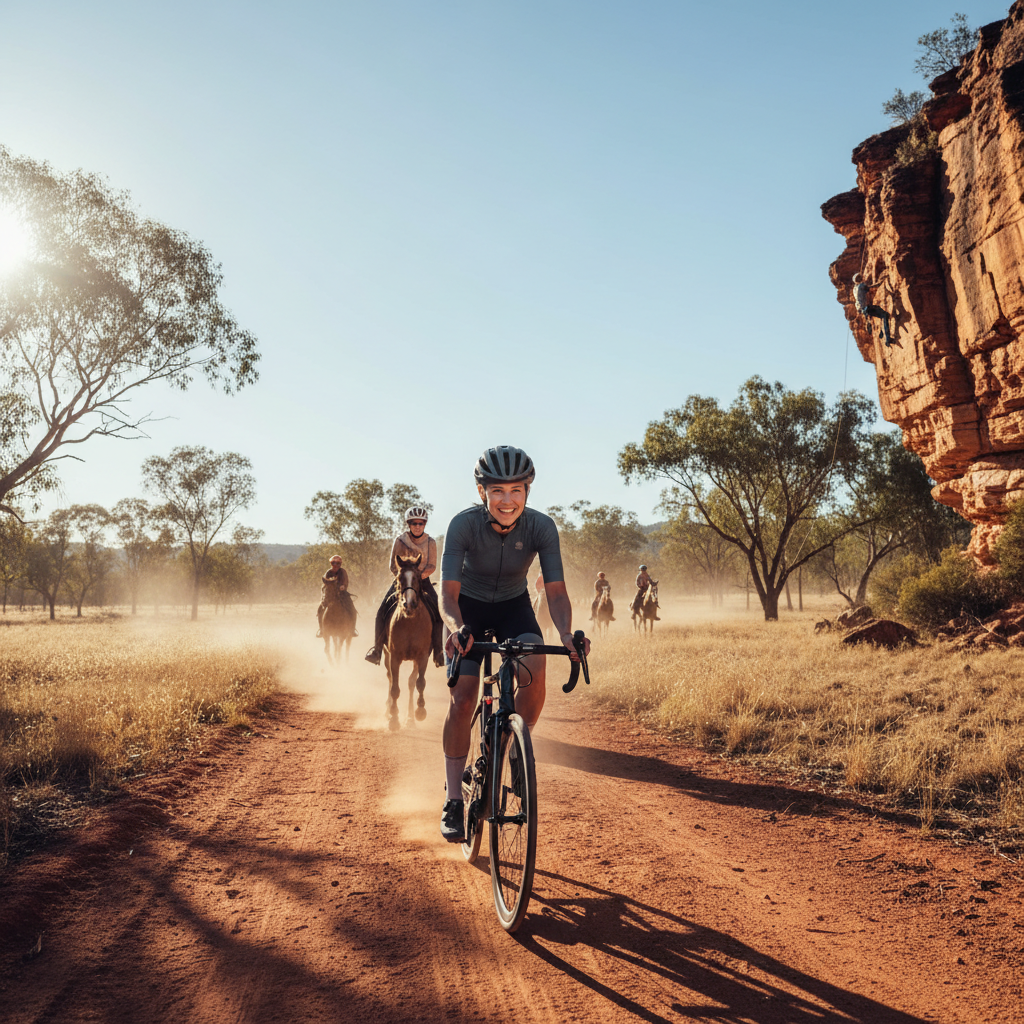
Beat the Heat: Pro Cyclist Strategies for Australian Sun
You love cycling in Australia. We all do. The open roads, the stunning scenery… and then there’s the sun. From the scorching summer days in the Outback to the relentless UV that permeates even cooler coastal mornings, the Australian sun is a formidable opponent for any cyclist. Professional cyclists, who spend hours upon hours under this intense sun, have developed sophisticated strategies to not only survive but thrive. This isn't about looking fancy in the peloton; it's about practical, science-backed methods to protect yourself, perform better, and enjoy your ride, even when the mercury climbs and the UV index is high.
Think about it. The sun's UV rays are strongest in Australia between 10 am and 3 pm, and the UV Index can regularly reach 11 or higher – that’s extreme. Add to that ambient temperatures that can easily exceed 40°C, and you’ve got a recipe for heatstroke, sunburn, and a miserable experience. Pros don’t leave their sun and heat management to chance. They approach it with the same rigour they apply to their training and equipment. And the good news? You can too.
The Core Principles: What Pros Prioritise
Pros focus on a few key areas:
1. Minimising Sun Exposure: This is the most direct approach. If the sun can’t reach you, it can’t burn you or dehydrate you.
2. Maximising Cooling: Drawing heat away from the body is crucial for preventing overheating.
3. Maintaining Hydration: Water is your body’s best defence against heat.
4. Smart Nutrition: Fueling correctly aids performance and heat tolerance.
Let's break these down with practical, no-nonsense advice for everyday cyclists.
1. Minimising Sun Exposure: Your First Line of Defence
This is where we can make the biggest immediate impact. Pros understand that any exposed skin is vulnerable. While they often wear full lycra, that’s only part of the story.
The Unsung Hero: Head Protection
Your helmet is essential for safety, but it can also become a portable oven and a focal point for sun exposure on your face and neck. This is where intelligent design comes in.
Professionals often utilise helmets with advanced ventilation, but even the best venting can’t stop direct sun from beating down on your face, particularly your eyes and the bridge of your nose. This is a critical blind spot that many amateur cyclists overlook. You might think sunglasses are enough, but they don’t protect the skin around your eyes or the delicate skin on your nose from UV radiation.
This is where a well-designed helmet brim becomes non-negotiable. Professional cyclists, even if not always seen with them in races where aerodynamics often dictate helmet design, use supplementary protection during training and on less competitive events. A proper brim, like Da Brim extensions, offers significant shade to your face and eyes. This isn't just about comfort; it's about reducing heat absorption through your head and preventing painful sunburn on your nose and cheeks. It also drastically reduces glare, improving your vision and allowing you to focus on the road, not squinting.
Sunscreen: Still Essential, But Not a Silver Bullet
Even with shade, you’ll likely have some skin exposed. Pros are meticulous about sunscreen application. They use high SPF (50+), broad-spectrum, water-resistant sunscreens. Key areas to focus on:
Face: Ears, neck, chin, nose, forehead.
Arms: The entire length.
Legs: Especially the fronts of your thighs, which are often exposed to reflected sun.
Objection Handling: “I don’t want to get greasy/sticky.” Modern sunscreens come in lightweight, non-greasy formulas. Apply it liberally 20-30 minutes before you ride so it has time to soak in. Reapply if you’re out for extended periods, especially if you’re sweating heavily.
Objection Handling: “Sunglasses protect my eyes.” Sunglasses help with glare and some UV, but they don’t protect the skin around your eyes or your nose from burning. They also don’t stop heat radiating onto your face. A brim shades your entire face.
Clothing: Your Second Layer of Defence
Beyond the helmet, think about what you wear:
Lightweight, breathable fabrics: These wick sweat away from your body, allowing it to evaporate and cool you.
Light colours: Dark colours absorb more heat, making you feel hotter.
Long sleeves and legs: Yes, even in Australia! Cycling-specific jerseys and bibs made from UPF-rated materials provide excellent sun protection without making you feel like you’re boiling. They offer a barrier against UV radiation far superior to exposed skin, even if you’ve applied sunscreen.
2. Maximising Cooling: How to Keep Your Core Temperature Down
Your body needs to dissipate heat, especially in the Australian climate. Pros have this down to a science.
Hydration, Hydration, Hydration (and Cooling):
This deserves its own section, but it’s also a cooling strategy. Staying hydrated is paramount for your body’s natural cooling mechanism: sweating. When you’re dehydrated, you sweat less, and your body temperature rises.
Pre-hydration: Start drinking water hours before your ride. Don’t wait until you’re thirsty.
During the ride: Sip water consistently. Aim for a few large gulps every 15-20 minutes. More in extreme heat or during intense efforts.
Electrolytes: In extended rides or very hot conditions, plain water isn’t enough. Electrolyte tablets or drinks replace essential salts lost through sweat, helping your body retain fluid and function optimally.
Cold Water: Pouring cold water over your head, wrists, and neck during a stop can provide significant immediate cooling. Some pros even use ice vests or neck gaiters during extreme conditions.
Ventilation Management
This is where your helmet choice is key. If you're using a helmet that feels like a little sauna, you're fighting an uphill battle. A helmet designed for airflow will make a massive difference. And consider how your brim interacts with ventilation. A well-designed brim, like the Da Brim, is engineered to work with helmet vents, not block them, ensuring air can still flow.
Objection Handling: “A brim will block airflow.” This is a common misconception. The Da Brim is designed to attach securely to your helmet without obstructing the primary vents. Its purpose is to provide shade without compromising the ventilation your helmet is designed for. Refer to our How to Install guide to see how it integrates seamlessly.
3. Maintaining Hydration: The Lifeline of Performance
We touched on this under cooling, but it’s so critical it warrants separate attention.
The Golden Rule: Never wait until you're thirsty. Thirst is a sign you are already starting to dehydrate. For Australian conditions, especially on long rides or during summer, this is a dangerous state to be in.
How Much is Enough?
There’s no single answer, as it depends on your sweat rate, the temperature, humidity, and intensity. However, a general guideline for hot Australian weather is:
During the ride: Aim for at least 500-750ml of fluid per hour. In extreme heat, this can easily increase to 1 litre or more.
Hydration Strategy::
Pre-Ride: Drink 500ml of fluid 2-3 hours before your ride, and another 200-300ml 15-20 minutes before you set off.
During: Take small, frequent sips. Develop a habit – e.g., take a sip every time you pass a particular landmark or every 10 minutes.
Post-Ride: Continue to rehydrate. Weigh yourself before and after a ride to get an idea of fluid loss (1kg body weight lost = roughly 1 litre of fluid).
What to Drink:
Plain Water: For rides under an hour in moderate heat.
Electrolyte Drinks/Tablets: For rides over an hour, in hot weather, or if you’re a heavy sweater. They contain sodium, potassium, and magnesium, which are crucial for fluid balance and muscle function.
Diluted Fruit Juice: Can be used in a pinch for carbohydrates and some electrolytes, but can be high in sugar.
Objection Handling: “Carrying enough water is a pain.” Plan your routes to include water stops. Utilise refillable bottles and consider a hydration pack for very long, remote rides if your helmet and bike setup allows. But remember, a good brim means less sunburn and glare, preserving your energy and focus, which is worth a bit of extra planning for water.
4. Smart Nutrition for Heat and Sun
While not directly related to sun protection, your diet significantly impacts your ability to cope with heat.
Carbohydrates: Your primary fuel. Ensure you're adequately fuelled before and during longer rides. Consuming easily digestible carbs (gels, bars, bananas) regularly prevents energy depletion, which can exacerbate heat stress.
Salt and Electrolytes: As mentioned, essential for hydration. Pro cyclists often consume salt tablets or electrolyte chews, especially in hot climates.
Avoid Heavy Meals: Before and during rides, stick to lighter, easily digestible foods. Heavy meals can divert blood flow from your muscles to your digestive system, making it harder for your body to regulate temperature.
Practical Application: Your Action Plan
Here's how you can implement these pro strategies:
### Pre-Ride Checklist for Hot & Sunny Australian Conditions
[ ] Helmet Check: Ensure your helmet is well-ventilated. If it isn't, consider adding a helmet brim for enhanced shade and UV protection.
[ ] Sunscreen: Apply 50+ broad-spectrum, water-resistant sunscreen to all exposed skin (face, neck, ears, arms, legs). Reapply if needed.
[ ] Hydration Planning: Pre-hydrate. Fill bottles with water and/or electrolyte mix.
[ ] Clothing Selection: Choose light-coloured, breathable, UPF-rated long-sleeved jersey and bibs if possible. If not, ensure exposed skin is well-covered with sunscreen.
[ ] Nutrition: Eat a light, carb-rich meal 1-2 hours before your ride.
[ ] Route Check: Plan for water stops if necessary.
During the Ride: Constant Vigilance
Sip Regularly: Don't wait for thirst.
Consume Electrolytes: If the ride is over an hour or very hot.
Seek Shade: Utilise any natural shade during breaks.
Cool Down: Splash water on yourself at stops if possible.
Monitor Your Body: Pay attention to signs of heat exhaustion (dizziness, nausea, excessive fatigue) and stop or slow down if you experience them.
Post-Ride Recovery
Rehydrate: Continue drinking water and electrolyte solutions. Your body needs to recover fluid lost.
Replenish: Eat a balanced meal with carbohydrates and protein.
Check for Sunburn: Treat any affected areas appropriately.
Pro Gear: What Makes a Difference
While training and hydration are key, the right gear amplifies your ability to cope. For Australian cyclists, this means:
| Gear Category | Pro Strategy | Your Action |
|---|---|---|
| Helmet Add-on | Shade on face and eyes | Use a helmet brim like Da Brim for superior sun and glare protection. |
| Sunscreen | High SPF, broad-spectrum |
| Lightweight, UPF-rated clothing | Protects skin, reflects heat | Choose light colours, consider long sleeves and legs. |
| Hydration | Consistent fluid and electrolyte intake | Carry enough water, use electrolyte tabs/drinks. |
| Sunglasses* | Glare reduction, eye protection | Ensure they fit well and work with your helmet/brim. |
Frequently Asked Questions
Got more questions about tackling the sun and heat? Check out our detailed FAQ section. It covers common concerns and provides further insights into staying safe and comfortable on your bike.
Conclusion: Ride Smarter, Not Harder
Professional cyclists don't just have better genes; they have better strategies. By adopting their approach to sun and heat management – focusing on minimising exposure, maximising cooling, and staying rigorously hydrated – you can transform your rides. Don't let the Australian sun dictate when and how you ride. Equip yourself with knowledge, smart gear like a reliable helmet brim, and a proactive attitude. Your body, your performance, and your enjoyment will thank you.
For more tips and tricks from the cycling world, head over to our Blog.
Remember, safety first. Always wear a properly fitted helmet. Enhance its effectiveness against the Australian sun with a Da Brim and other proven strategies. Happy riding!