
Beat the Heat: Practical Ways to Stay Cool on Long Australian Rides
Don't let the heat sideline your equestrian passion. Learn practical, no-nonsense strategies to stay cool and comfortable during long riding sessions under the demanding Australian sun.
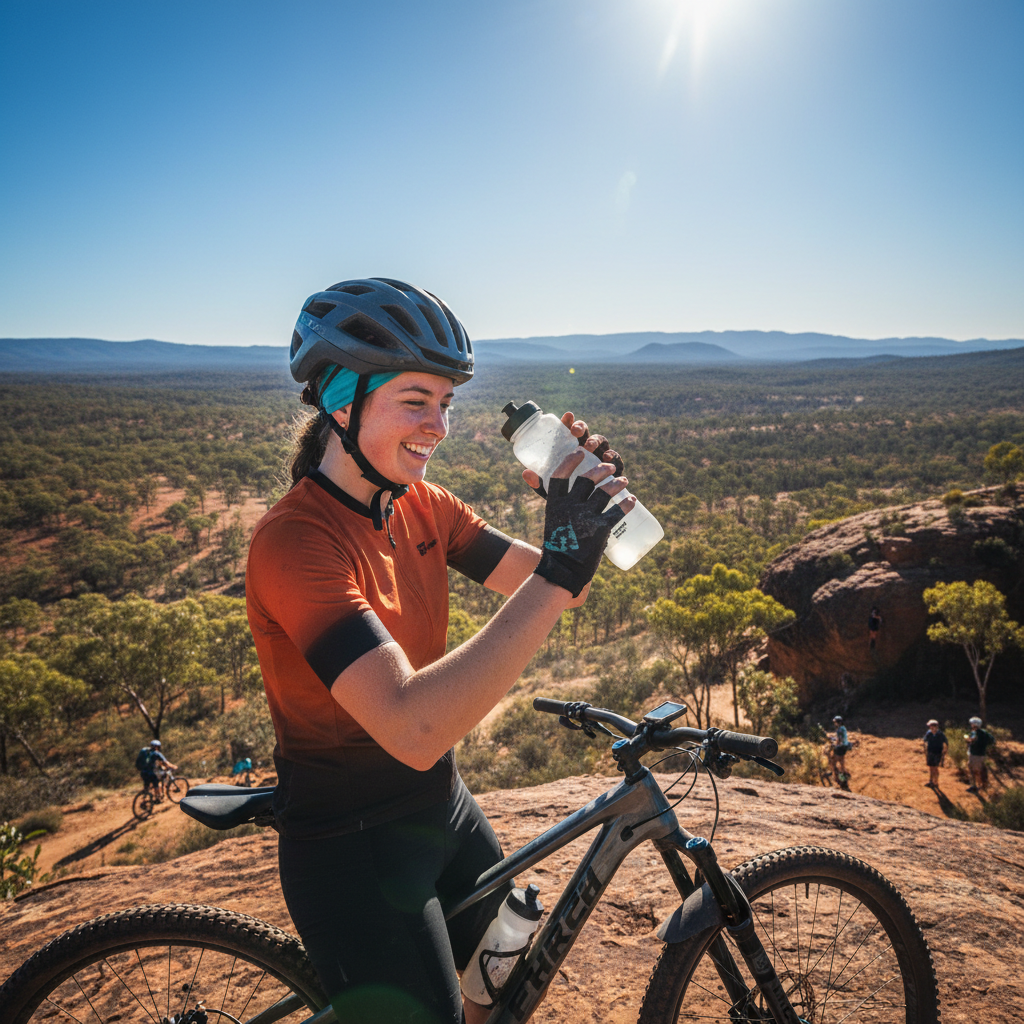
Beat the Heat: Practical Ways to Stay Cool on Long Australian Rides
Australia. Beautiful. Vast. And bloody hot. If you're an equestrian, you know the drill: those long, glorious riding sessions, often stretching for hours, can turn into a sweaty, uncomfortable ordeal when the mercury climbs. Whether you're out hacking on a farm track, training for a competition, or just enjoying a trail ride, the Australian sun, with its potent UV index, demands respect. Staying cool isn't just about comfort; it's about performance, endurance, and crucially, safety.
This isn't theory. We're talking practical, no-fluff advice for riders who need to get on with it. No time for delicate procedures or fancy gadgets that don't work. We're here to tell you how to endure those long rides without wilting.
The Stubborn Facts: Why Heat is Your Enemy
Let's be blunt. Riding generates heat. Your body works overtime to regulate its core temperature. Add the searing Australian sun and the insulation of your riding gear, and you've got a recipe for overheating. Signs aren't subtle: fatigue, irritability, reduced concentration, and in severe cases, heat exhaustion or stroke. When you're miles from home, can you afford to be distracted by sweat dripping into your eyes or that heavy, suffocating feeling?
The Helmet Dilemma
Your helmet is non-negotiable for safety. But let's face it, many are designed with safety as the primary, and sometimes only, concern. This can lead to a stuffy, oven-like experience, especially on long rides. We're not here to tell you to ditch your helmet – that's reckless. We're here to show you how to make your helmet work with you, not against you, in the heat.
Cooling Strategies: Preparation is Key
Before you even swing your leg over your horse, smart preparation can make a world of difference. Think of it as arming yourself against the elements.
1. Hydration, Hydration, Hydration (and then more Hydration)
This is the golden rule. Don't wait until you're thirsty. Thirst is already a sign of dehydration. Sip water consistently throughout the day, not just during your ride. Electrolyte drinks can be beneficial for very long or strenuous sessions, replacing salts lost through sweat.
Pre-Ride: Drink a good amount of water for a few hours beforehand.
During Ride: Take water breaks when possible. Keep a bottle easily accessible or plan your route around water sources.
Post-Ride: Continue to rehydrate. Your body needs it to recover.
Objection Handling: "I can't carry that much water." We get it. For shorter rides, a standard water bottle is fine. For longer excursions, consider saddlebags or a hydration pack. Prioritise. If you're going out for 3 hours, a litre minimum per hour is a good ballpark. Adjust for the actual heat and your exertion levels.
2. Strategic Clothing Choices
Your base layers matter. Opt for lightweight, breathable, and moisture-wicking fabrics. Think merino wool or synthetic materials designed for activewear. Avoid heavy cotton that holds sweat and becomes a sodden, heavy weight.
Lightweight Riding Shirts: Look for UV protection built-in.
Light-Coloured Apparel: Reflects sunlight rather than absorbing it.
Sun Protection: Long sleeves and trousers can protect your skin from sun and heat.
3. Timing is Everything
If you have the flexibility, schedule your rides for the cooler parts of the day. Early mornings or late afternoons can be significantly more pleasant and safer, especially during peak summer. This might not always be possible with work or other commitments, but for those who can, it's a game-changer.
Cooling During the Ride: On-the-Go Solutions
So, you've prepared. Now, how do you stay cool while you're in the saddle, especially when the sun is beating down?
1. Leverage Your Helmet (Yes, Really!)
Your helmet is a necessity, but it doesn't have to be a personal sauna. Investing in a helmet with good ventilation is crucial. Many modern riding helmets are designed with air channels to promote airflow. However, even the best helmet can be enhanced.
Moisture-Wicking Headbands: A thin, absorbent headband worn under your helmet can make a significant difference. It wicks sweat away from your forehead and eyes, preventing that irritating trickle.
Helmet Liners: Similar to headbands, some liners are designed to create a barrier and improve moisture management. Always ensure any added liner doesn't compromise the helmet's fit or safety standards. Check your helmet manufacturer's recommendations.
Internal Link: For tips on ensuring your helmet is fitted correctly, check out our How to Install guide.
2. Consider External Cooling Aids
These are the practical additions that can offer immediate relief.
Water Spritzers: A small spray bottle filled with water can be a lifesaver. A quick spritz on your neck, face, or arms can provide instant evaporative cooling. Many riders keep one in their saddlebag or even a large one on the stable floor for post-ride cool-downs.
Cooling Towels: These specially designed towels stay cool for extended periods when wet. They are fantastic for mopping up sweat or even draping around your neck under your helmet (if practical without compromising fit).
3. Smart Breaks and Pace Management
Don't underestimate the power of a well-timed break. If you're out on a long trek, stop in the shade when you can. Dismount, let your horse graze, and take the opportunity to rehydrate and cool yourself down. If you're training, consider breaking down long sessions into shorter intervals with cooler-down periods. Pushing yourself relentlessly in extreme heat is a fast track to problems.
Post-Ride Recovery: Don't Forget This Step!
Finishing your ride is not the end of your heat management strategy. Proper recovery is vital to prevent dehydration and heat-related issues that can linger.
Cool Down Your Horse: Ensure your horse is cooled down properly. Hosing them down, walking them, and allowing them to recover is paramount.
Cool Down Yourself: Similar to your horse, a cool shower or bath can help bring your body temperature down. Continue to sip water.
Replenish Electrolytes: If you've been sweating heavily, consider an electrolyte drink or a salty snack.
FAQs: Tackling Your Concerns
Q: Will adding something under my helmet affect its safety?
A: Potentially, yes. Anything you add under your helmet must not interfere with a snug and correct fit. Helmets are designed to fit directly against your head for optimal protection. If a headband or liner makes your helmet feel loose or changes how it sits, it's not safe. Always consult your helmet manufacturer's guidelines. For more on helmet fit and safety, visit our FAQ page.
Q: How much water should I actually carry?
A: This is highly variable. A rough guideline for moderate conditions is at least one litre per hour of riding. In extreme heat, this could realistically double. Always err on the side of caution, especially if you're riding in remote areas where resupply isn't an option. Dehydration is deceptively fast and serious.
Q: Are there any helmet accessories that add ventilation?
A: Some helmet designs inherently offer better ventilation than others. While adding external devices to a helmet that aren't approved by the manufacturer is risky, focusing on what goes inside such as moisture-wicking liners or headbands can help manage sweat and air better. We also offer innovative solutions that can help manage the sun's impact on your face without compromising your helmet's integrity. Explore our Products.
A Quick Checklist for Hot Weather Riding:
[ ] Hydration Plan: Carry sufficient water, sip constantly.
[ ] Appropriate Clothing: Lightweight, breathable, light-coloured.
[ ] Timing: Ride in cooler parts of the day if possible.
[ ] Helmet Comfort: Use moisture-wicking headband/liner.
[ ] Cooling Aids: Water spritzer, cooling towel.
[ ] Pacing: Don't overexert in peak heat.
[ ] Breaks: Take advantage of shade and rest.
- [ ] Post-Ride: Cool down horse and yourself, rehydrate.
Case Study: The Long Trail Ride
Imagine a six-hour trail ride planned for a sunny Saturday in November. It's 28°C and climbing. You've prepared: packed 5 litres of water, worn a moisture-wicking base layer, and have a cooling towel rolled up in your saddlebag. You start at 7 AM to beat the worst of it. After two hours, you take a break by a creek. You spritz your face and neck with water, your horse drinks, and you both have a short rest in the shade. You continue, sipping water regularly. The cooling towel comes out around midday, providing welcome relief when draped around your neck. By the time you're heading home, the sun is lower, and the day's heat is starting to dissipate. You feel tired, but not exhausted or dizzy. You stayed cool, safe, and enjoyed the ride.
This isn't luck; it's smart planning and practical execution.
Final Thoughts
Riding in Australia means dealing with the sun. It's a reality. But it doesn't have to mean constant discomfort or compromised safety. By implementing these practical, no-nonsense strategies, you can significantly improve your comfort and endurance on long riding sessions. Focus on hydration, smart clothing choices, and leveraging simple cooling aids, including those that work with your essential Products to enhance your riding experience. Don't let the heat dictate your equestrian life. For more advice and product solutions, browse our Products section or visit our Blog for further reading.
Ride safe, ride cool, and enjoy the ride.