
Beat the Heat: Managing Heat Stress While Riding in Summer
Don't let scorching Australian summer days stop you from enjoying your ride. Learn practical strategies to stay cool, hydrated, and safe from heat stress while wearing your helmet.
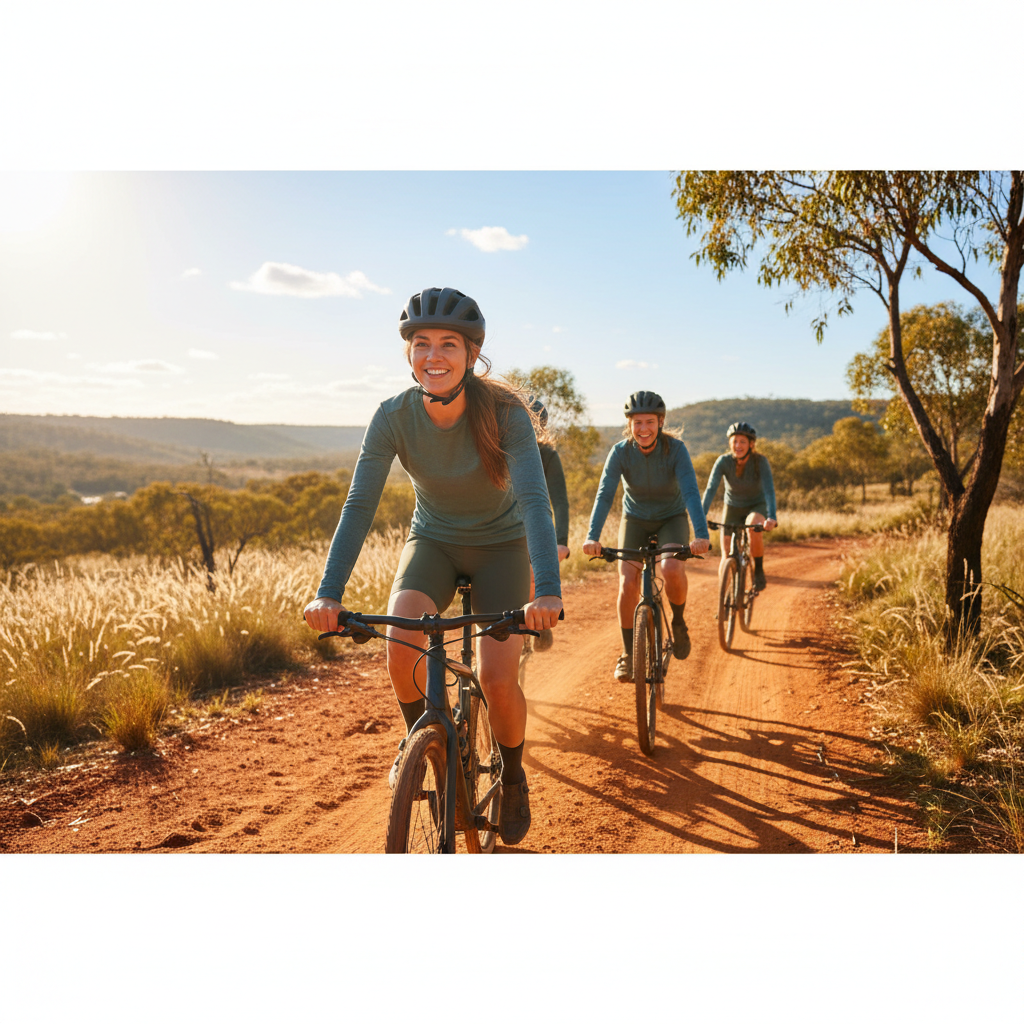
Beat the Heat: Managing Heat Stress While Riding in Summer
Australia. We love it. The long days, the sunshine, the endless opportunities for a ride. But when summer hits, so does the serious heat. For us equestrians, the combination of intense sun, high temperatures, and wearing a helmet can be a recipe for heat stress if you're not prepared. This isn't about being delicate; it's about being smart, staying safe, and ensuring your rides are enjoyable, not a health hazard.
We’re talking about real Australian conditions. Days where the UV index climbs into the extreme zone, where tarmac shimmers, and where even the shade offers little respite. Riding a horse, especially during these times, is physical exertion. Add a helmet into the mix, and your body’s ability to regulate temperature is significantly challenged.
Understanding Heat Stress: It's Not Just Feeling Sweaty
Heat stress occurs when your body can't dissipate heat effectively. Your core temperature rises, putting strain on your vital organs. Left unmanaged, it can progress from mild discomfort to serious conditions like heat exhaustion and, in worst-case scenarios, heatstroke, which is a medical emergency. Signs include:
Headache
Dizziness or lightheadedness
Nausea
Muscle cramps
Excessive sweating (though in severe cases, sweating may stop)
Rapid pulse
Muscle weakness
Pale, clammy skin (early stages)
Confusion or irritability (later stages)
As helmet wearers, we're already trapping heat around our heads. While essential for safety, this can exacerbate the problem. But that doesn't mean you have to hang up your boots. It means you need a strategy.
Strategy 1: Timing is Everything
This is the most straightforward and often overlooked tactic. Don't ride during the hottest parts of the day. The sun is most intense, and the air temperature is highest between roughly 10 am and 3 pm.
Early Morning Rides: Beat the heat by heading out at dawn or shortly after. You’ll often find cooler temperatures and less intense UV radiation. Plus, the Australian dawn is beautiful!
Late Evening Rides: As the sun begins to dip, temperatures usually start to fall. Enjoy the golden hour and a cooler ride.
Consider your horse, too. They are also susceptible to heat stress. Riding them during cooler times is beneficial for their well-being and performance.
Strategy 2: Hydration is Non-Negotiable
You’ve heard it a million times, but it bears repeating: Drink water. And not just when you’re thirsty. Thirst is often a sign you’re already starting to dehydrate.
Before the Ride: Start hydrating at least an hour or two before you even get on your horse. Aim for water, water, and more water. If you’re doing a long or particularly strenuous ride, electrolyte drinks can be beneficial.
During the Ride: Carry water with you. Most riding helmets don't have a lot of space, but a small water bottle attached to your saddle or a hydration pack worn under your riding shirt can be a lifesaver. Take regular sips. Even a few minutes during a break to drink can make a difference.
After the Ride: Continue to rehydrate. Don’t gulp it down; sip steadily. Your body needs to replenish fluids lost through sweat.
What to Avoid: Sugary drinks and excessive caffeine can actually dehydrate you further. Stick to water and electrolyte replacements.
Strategy 3: Dress for Success (Against the Sun)
Your riding attire plays a role. Think about it: dark colours absorb heat, while lighter colours reflect it. Breathability is key.
Lightweight, Breathable Fabrics: Opt for light-coloured riding shirts made from moisture-wicking fabrics. These will help draw sweat away from your skin, allowing it to evaporate and cool you down.
Sun-Protective Clothing: While not always practical for extreme heat, consider long-sleeved shirts and trousers made from UPF (Ultraviolet Protection Factor) rated fabric. This offers protection from UV rays, which can also contribute to feeling hotter.
Helmet Choice: Modern riding helmets are designed with ventilation in mind. Ensure yours has adequate vents. However, ventilation alone might not be enough on the hottest days.
Strategy 4: Helmet Modifications & Accessories for the Sun
This is where we can get specific about improving your helmet's cooling and sun protection capabilities.
Standard helmets can feel like a personal sauna. This is where smart additions can make a world of difference. We're not advocating for cutting up your helmet, but rather adding to it.
The Undershirt Option
A cooling skull cap worn under your helmet can help absorb sweat and provide an extra layer of insulation against the sun. You can even dampen these caps with cold water before your ride for an immediate cooling effect.
The Brim Solution
Perhaps the most practical addition for managing sun and heat while wearing a helmet is a specialized helmet brim. This isn't just about looking good; it's functional. A wide brim shades your face and neck, reducing direct sun exposure which, in turn, reduces heat absorption on your head. It also helps direct sweat away from your eyes.
Many helmet brims are designed to attach easily with secure fastenings, ensuring they stay put even during gait or trots. Look for options that are lightweight and made from durable materials. The Da Brim Helmet Brim is designed specifically for this purpose, offering excellent shade and an easy-fit system.
Quick Reference: Heat Stress Management Checklist
| Action | Before Ride | During Ride | After Ride | Notes |
|---|---|---|---|---|
| Hydrate Consistently | ✅ | ✅ | ✅ | Water is key. Electrolytes for long rides. |
| Time Rides Wisely | ✅ | Avoid 10 am - 3 pm heat. | ||
| Wear Light, Breathable | ✅ | ✅ | Light colours, moisture-wicking fabrics. | |
| Use Cooling Accessories | ✅ | ✅ | Cooling caps, helmet brims. | |
| Listen to Your Body | ✅ | Recognise signs of heat stress. | ||
| Take Frequent Breaks | ✅ | Rest in shade, drink water. | ||
| Cool Down Quickly | ✅ | Cold flannels, shower. |
Strategy 5: Pacing and Breaks
Don't go full gallop for an hour straight on a 40-degree day. Your body can only cope with so much.
Pace Yourself: If you’re out for a longer ride, gauge your effort. Mix periods of work with rest.
Take Breaks: Whenever possible, stop in a shady area. This gives you and your horse a chance to cool down and rehydrate.
Shorten Your Rides: It’s better to have a shorter, enjoyable, and safe ride than a long, miserable, and potentially dangerous one.
Strategy 6: Post-Ride Cooling
Once you're off your horse, the cooling down process shouldn't stop.
Cold Flannels: Use a cool, damp cloth on your pulse points (wrists, neck, temples) and forehead.
Cool Shower: If possible, a cool shower is one of the quickest ways to bring your body temperature down.
Hydrate: Continue drinking water.
What If You Suspect Heat Stress?
Don't be a hero. If you, or someone you are riding with, displays signs of heat stress, stop immediately.
Step-by-Step: Immediate Actions for Suspected Heat Stress
1. Stop Activity: Get off your horse if possible and find immediate shade.
2. Cool Down: Remove excess riding gear. Apply cool, wet cloths or spray with cool water. Fan the person.
3. Hydrate: Offer water or an electrolyte drink if the person is conscious and able to swallow. Do NOT force fluids.
4. Rest: Keep the person lying down and comfortable.
5. Monitor: Watch for improvements. If symptoms worsen or don't improve within 30 minutes, seek medical attention immediately. This could be heat exhaustion progressing to heatstroke.
Your Helmet Isn't the Enemy, It's Your Protection
We need to stress this: your helmet is crucial for safety. The aim is not to ride without one, but to optimise your experience while* wearing one. Accessories like the Da Brim Helmet Brim](/products) are designed to complement your helmet, not replace its safety function. They enhance comfort and protection from the elements.
Remember, a properly installed and maintained helmet is your best defence against serious injury. If you’re unsure about fitting accessories, or how best to care for your helmet, check our FAQ or see our guide on How to Install.
Stay Cool, Stay Safe
Summer riding in Australia is a privilege. By being prepared, understanding the risks of heat stress, and implementing these practical strategies, you can ensure your rides are not just enjoyable, but safe. Remember to hydrate, time your rides, dress appropriately, and consider smart accessories to help manage the heat. For more tips and product information, explore our Products page and the rest of our Blog.
Don't let the heat win. Ride smart, ride safe.