
Beat the Heat: How to Stay Cool While Climbing in Australian Summer
Conquer Australian summer climbs without overheating. This no-nonsense guide for helmet wearers covers practical strategies to keep your cool, from gear choices to riding techniques. Stay protected and perform at your best.
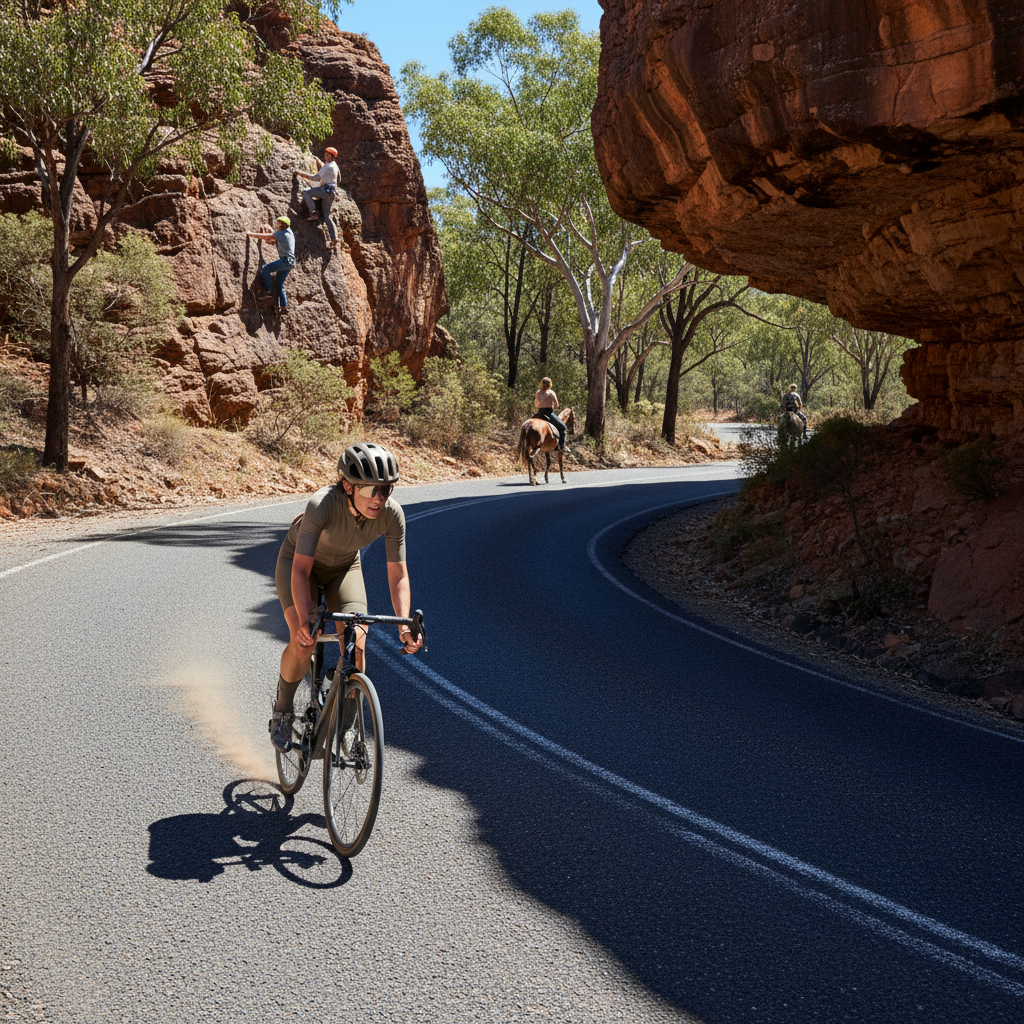
Beat the Heat: How to Stay Cool While Climbing in Australian Summer
Australian summers are legendary for their intensity. Long days, scorching sun, and relentless climbs… as a cyclist, you know the drill. But overheating on a climb doesn't have to be your fate. It’s not just about discomfort; it’s about performance and, crucially, your well-being under our fierce UV index. Helmets are essential for safety, but they can also be a major contributor to feeling like a baked potato. This guide cuts through the fluff and gives you practical, actionable advice on how to stay cool when the mercury rises and the gradient steepens.
The Core Problem: Heat Build-Up Under Your Helmet
Your helmet is designed to protect your head in a crash. That's non-negotiable. However, the very construction that keeps you safe – a hard shell, dense EPS foam, and retention systems – can also trap heat and prevent effective ventilation. When you're pushing hard on a climb, your body's primary cooling mechanism, sweating, struggles to evaporate efficiently under a helmet. This leads to a rise in core body temperature, which can cause fatigue, dizziness, reduced power output, and even heatstroke.
Pre-Ride Prep: Laying the Foundation for a Cooler Ride
You wouldn't go into battle unprepared, and you shouldn't head into a summer climb without proper preparation. These steps happen before you even clip in.
Hydration is King (and Queen)
This is the most critical factor. Dehydration drastically impairs your body's ability to regulate temperature. Start hydrating well before your ride. Don't just chug water at the last minute.
The Night Before: Drink plenty of water and electrolytic beverages.
Morning Of: Consume 500ml-1L of fluids 2-3 hours before your ride.
Top Up: Drink another 250-500ml about 30 minutes before you set off.
Electrolytes: Especially on longer rides or hotter days, include electrolytes in your water. These replenish salts lost through sweat and help your body retain fluid.
Smart Nutrition Choices
Heavy, greasy meals will make you feel sluggish and contribute to internal heat. Opt for easily digestible, carbohydrate-rich foods that provide sustained energy.
Timing Your Ride
This might seem obvious, but it’s often overlooked. Riding during the cooler parts of the day is the simplest way to avoid the worst of the heat. Early mornings and late afternoons are your best friends. If you absolutely must ride during peak heat, plan shorter, more intense efforts with significant recovery periods in the shade.
Gear Check: Every Little Bit Helps
Your cycling kit and helmet play a role in how cool you feel.
Lightweight, Breathable Jersey: Choose light colours that reflect sunlight. Fabrics designed for moisture-wicking are essential.
Under-Helmet Liner (Optional, and with caution): Some cyclists use a thin skullcap or sweatband under their helmet. This can help wick sweat away from your head and prevent it from dripping into your eyes. However, be mindful that it can also add an extra layer of insulation. Experiment to see what works for you. Look for materials like Coolmax.
Helmet Selection: While you can’t change your helmet mid-ride, when it’s time to upgrade, consider helmets with maximum ventilation. More vents generally mean better airflow. Ensure your current helmet is properly fitted – a loose helmet can obstruct airflow.
Getting Your Helmet Right: The Da Brim Advantage
While we’re talking about helmets, it’s worth mentioning how you can enhance your existing setup. The Products page showcases solutions designed to improve rider comfort and protection, even in harsh conditions. A well-designed brim can offer significant shade, reducing direct solar radiation on your face and neck, which in turn can help you feel cooler. It also diverts sweat and rain away, preventing that irritating drip into your eyes. Learn more about how it works and how easy it is to attach on our How to Install page.
During the Climb: Tactics for Staying Cool on the Road
Once you’re on the bike, especially as the gradient starts to bite, it's time for in-the-moment strategies.
Pace Yourself: The Ultimate Heat Management Tool
This is where many cyclists make a critical error. Going all-out on a hot climb ensures you’ll overheat. Your body generates a tremendous amount of heat during intense exertion. Listen to your body. Aim for a sustainable effort that allows your body to regulate its temperature.
Start Conservatively: Even if you feel good, ease into the climb. You can always ramp it up later if conditions allow.
Break It Down: If it’s a long climb, mentally break it into smaller segments. Focus on reaching the next bend, tree, or landmark. This allows for brief periods of slightly lower intensity.
Utilise Gravity: Descend slowly enough to enjoy the breeze, but avoid excessive braking which generates heat in your wheels. Focus on controlled cornering. During the descent, let the airflow do some of the work.
Conscious Breathing
Deep, controlled breathing is crucial. It helps oxygenate your blood more effectively, which aids in energy production and waste removal (including heat). Shallow, panicked breathing is a sign you’re struggling and contributing to heat build-up. Focus on breathing in through your nose and exhaling through your mouth to maximise air intake and release.
Hydration Strategy on the Go
Don't wait until you're thirsty. Thirst is a late indicator of dehydration.
Sip Regularly: Take small sips from your bottles frequently, even if you don't feel parched.
Utilise Bottle Cages: Ensure your bottles are securely in their cages. On rough climbs, straps can be helpful, or consider a bottle with a tighter seal.
Cold Water: If possible, use cold water in your bottles. Sipping cooler fluids can help lower your core temperature slightly.
Strategic Cooling
When you stop, or even during very slow sections, use water to your advantage.
Douse Your Head: If you take a break or are stopped at traffic lights, pour a little water over your head and neck. This evaporative cooling is surprisingly effective.
Wet Your Bandana/Skullcap: If you wear one, soak it in water at aid stations or water stops.
Finding Shade: Your Natural Air Conditioner
Australian roads can be exposed. Where possible, use any available shade. Even a few minutes in the shadow of a building or large tree can provide a welcome respite, allowing your body to start cooling down.
Post-Ride Recovery: Rehydrating and Cooling Down
The heat doesn't stop when you stop riding. Proper recovery is key.
Immediate Rehydration: Continue drinking fluids, prioritising electrolytes.
Cool Shower: A cool (not ice-cold) shower can help bring your core temperature down.
Listen to Your Body: If you feel excessively dizzy, nauseous, or have a severe headache, you may be experiencing heat exhaustion or heatstroke. Seek immediate medical attention.
Common Objections and How to Handle Them
"Helmets are hot. I'd rather not wear one on a hot day."
This is a dangerous false economy. The protection offered by a helmet far outweighs the minor discomfort of heat. Our focus is on managing the heat, not avoiding safety. With proper hydration, pacing, and gear, you can ride safely and cooler. Consult our FAQ for more on helmet safety.
"I drink plenty of water, that's all I need."
Water is essential, but on intense, sweaty rides, you lose vital electrolytes. Without them, your body can't retain fluids effectively, leading to cramps and heat issues. Electrolyte supplements or sports drinks are crucial for optimal performance and safety in the heat. Check out our Blog for more in-depth articles on cycling nutrition and hydration.
"I can't pace myself, I need to go hard or go home."
Pushing too hard on a hot day leads to bonking, cramping, or worse, heat illness. Smart cycling involves knowing your limits and pacing appropriately, especially in challenging conditions. Consistency over time and injury prevention, including heat-related issues, are more important than a single, unsustainable effort. Think long-term cycling enjoyment.
Quick Checklist for Staying Cool on Climbs:
[ ] Hydrate intensely 24-48 hours before the ride.
[ ] Consume electrolytes with fluids.
[ ] Plan your ride for cooler parts of the day.
[ ] Wear light-coloured, breathable cycling kit.
[ ] Ensure your helmet is well-ventilated and fits correctly.
[ ] Consider a helmet brim for added shade and sweat diversion (see Products).
[ ] Pace yourself on climbs – avoid going all-out.
[ ] Take small, frequent sips of water.
[ ] Utilise any available shade.
[ ] Douse yourself with water at stops if needed.
- [ ] Listen to your body and slow down if you feel unwell.
The Heat is On, But You Can Still Conquer
Australian summers are a test for any cyclist. By implementing these practical, no-nonsense strategies, you can significantly improve your comfort and safety when tackling climbs. Prioritise hydration, smart pacing, and functional gear. Remember, staying cool is about smart preparation and intelligent riding, not just enduring the heat. For more tips and product information to enhance your ride, explore our Products and Blog.