
Beat the Heat: How to Ride Your Bike Safely in Extreme Australian Summers
Don't let scorching Australian temperatures stop your ride. This guide provides practical, no-nonsense advice for staying cool, safe, and comfortable on your bike, even when the mercury soars.
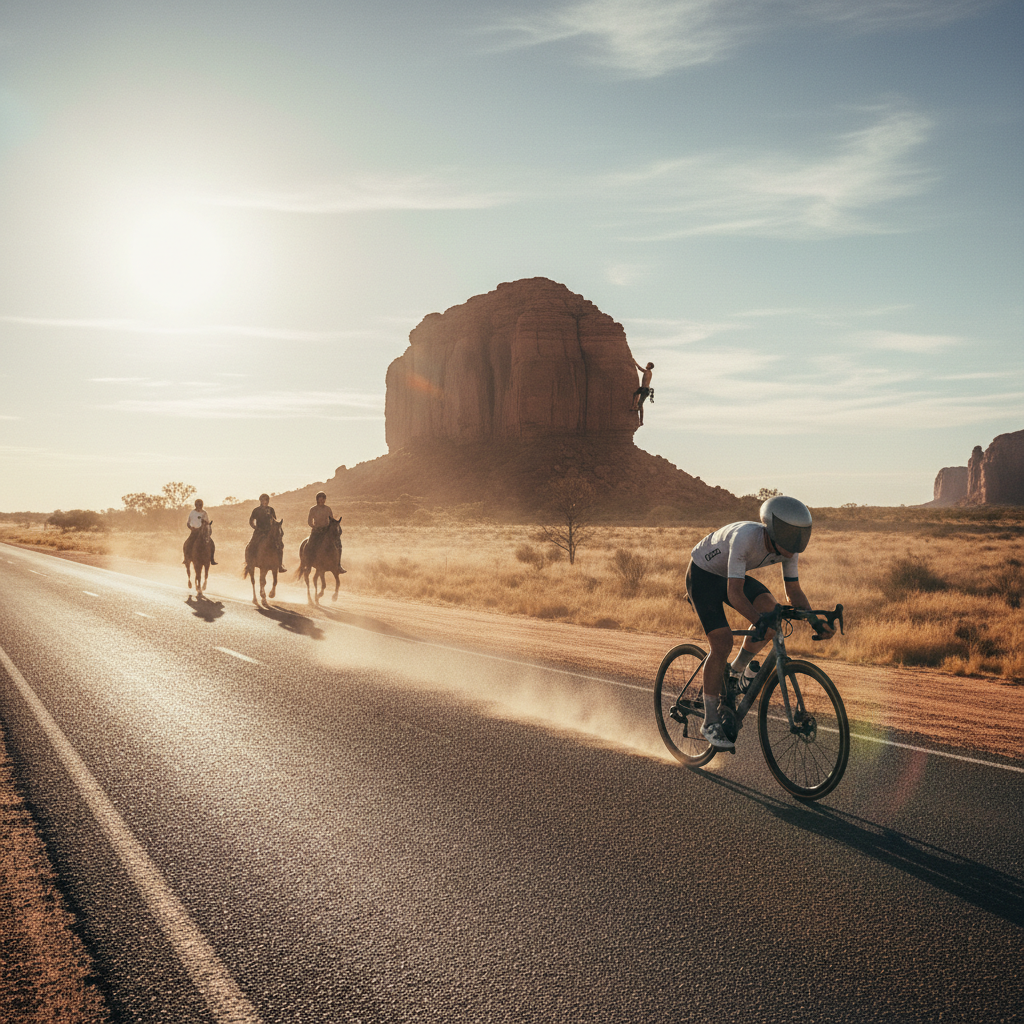
Beat the Heat: How to Ride Your Bike Safely in Extreme Australian Summers
Australia. We love it for its sunshine, its beaches, and its endless opportunities for outdoor adventure. But when summer hits its peak, those same sunny conditions can turn into a serious hazard for cyclists. Riding in extreme heat isn't just uncomfortable; it's dangerous and can lead to heat exhaustion, heatstroke, and severe sunburn.
This isn't about wishing for cooler weather. This is about riding smart, riding safe, and still enjoying your bike when the temperatures are sky-high and the UV index is pushing the limits. We're talking practical, no-fluff advice for Australian conditions.
Why is Riding in Heat So Risky?
Your body works hard to maintain a core temperature of around 37°C. When you're exercising, especially in hot weather, your body generates heat. To cool down, it directs blood flow to your skin and releases heat through sweat. In extreme heat, this system can get overwhelmed.
Dehydration: You sweat more, losing vital fluids and electrolytes. If you don't replace them, your blood volume drops, your heart has to work harder, and your body's cooling system falters.
Heat Exhaustion & Heatstroke: These are serious medical emergencies. Symptoms come on fast and can include dizziness, nausea, confusion, fainting, and a high body temperature. Heatstroke is life-threatening.
Sunburn: Prolonged exposure to high UV levels, even if you don't feel immediately hot, can cause severe burns, increasing your risk of skin cancer.
Reduced Performance: Even if you avoid the worst, heat saps your energy, making climbs feel harder and increasing your perceived effort.
Pre-Ride Prep: The Foundation of Cool, Safe Cycling
Don't roll out the door unprepared. A little planning goes a long way.
Hydration is King
This is non-negotiable. Start hydrating well before your ride.
Days Before: Sip water consistently. Don't wait until the morning of your ride.
Morning Of: Drink a good 500ml to 1 litre of water a couple of hours before you head out.
Electrolytes: For rides longer than an hour, or if you're a heavy sweater, consider electrolyte tablets or a sports drink. This replaces salts lost through sweat, which is crucial for hydration and preventing cramps.
Nutrition Matters
Fueling your body properly helps it regulate temperature. Avoid heavy, fatty meals right before a ride. Opt for easily digestible carbohydrates.
Gear Up Smart
Your clothing and kit can make a huge difference.
Light Colours: They reflect sunlight better than dark colours, keeping you cooler.
Moisture-Wicking Fabrics: These draw sweat away from your skin, allowing it to evaporate and cool you down. Cotton is your enemy here – it holds moisture.
Helmet Ventilation: Ensure your helmet has good airflow. If yours feels stuffy, explore options that prioritise ventilation. A well-ventilated helmet is crucial for head cooling.
Timing is Everything
This is where Australian conditions demand respect. The sun is strongest between 10 am and 3 pm. When the mercury is hitting 35°C or more, these hours are best avoided for strenuous activity.
Early Bird Catches the Cool: Ride in the early morning. The air is cooler, the sun is lower, and the UV index is your friend.
Late Arvo Chill: If mornings don't work, consider a ride closer to sunset. You still need sun protection, but the peak heat has usually passed.
Midday Avoidance: For anything other than a very short, leisurely spin, avoid the midday sun entirely.
On the Ride: Strategies for Beating the Heat
Once you're rolling, constant vigilance is key.
Hydration, Part Two: During the Ride
You need to be sipping constantly. Don't wait until you feel thirsty – thirst is a sign you're already behind.
Carry Enough: Always carry more water than you think you'll need. A standard 750ml bottle might not cut it on a punishingly hot day. Consider a second bottle or a hydration pack.
Sip, Sip, Sip: Take small, frequent sips every 15-20 minutes. Train yourself to do this.
Refill When Possible: If you pass a shop or a public water fountain, top up your bottles.
Utilise Shade Whenever Possible
Even a few minutes in the shade provides a psychological and physical break.
Plan Your Route: If possible, incorporate shaded sections or routes that run alongside trees.
Be Prepared for No Shade: For many Australian roads, shade is a luxury. This is why preparation is paramount.
Listen to Your Body
This is the most important piece of advice. Don't push through severe discomfort. If you start feeling dizzy, nauseous, or excessively fatigued, pull over.
Seek Shade: Find the nearest spot out of the sun.
Cool Down: If you have water, wet your head, neck, and wrists. This helps to lower your core temperature.
Rest: Take a break and rehydrate. If symptoms persist, consider calling for a pick-up.
Sun Protection Beyond the Helmet
While a helmet is essential for safety, it doesn't cover everything. High UV days in Australia require a multi-pronged approach.
Sunscreen: Apply a high SPF sunscreen liberally to all exposed skin 20 minutes before you leave. Reapply if you're out for extended periods, though this can be tricky on the bike.
Sunglasses: Protect your eyes from UV damage and the glare that can impair vision.
Arm Sleeves & Leggings: These provide UV protection and can be cooler than bare skin if made of the right material, as they keep the sun fully off your skin.
Smart Helmet Choices for Hot Weather
Your helmet is your first line of defence. When it comes to heat, not all helmets are created equal.
Ventilation is Key: Look for helmets with large, well-placed vents. These channels draw air through the helmet, helping to cool your scalp.
Fit: A properly fitting helmet is comfortable and secure. If it's too tight or has pressure points, it can be a distraction and contribute to discomfort.
Brims for Sun & Rain: While not directly for cooling, a helmet brim can be invaluable. It shades your face, reducing glare and minimising direct sun exposure on your forehead and eyes. This is especially useful if you're not wearing sunglasses or for added protection. Consider an accessory brim if your helmet doesn't have one. Installing one is simple – check out How to Install for a quick guide.
Post-Ride Recovery: Rehydrate and Recharge
Your ride isn't over when you stop pedalling. Proper recovery is vital.
Continue Hydrating: Keep sipping water. Add electrolytes if your ride was demanding.
Cool Down Gradually: Don't jump straight into a cold shower. Let your body temperature decrease naturally.
Replenish Nutrients: Eat a balanced meal to help your body recover.
Common Objections & How to Handle Them
Let's address some reasons people might skip rides in the heat, and why they're not valid excuses.
"It's just too hot, I'll melt." This is where preparation and timing come in. Ride early or late. Hydrate aggressively. Wear light, wicking gear. A helmet brim adds shade. It's about managing the conditions, not ignoring them.
"I don't want to carry all that water." Safety demands it. If you can't carry enough water for a safe ride, then perhaps you shouldn't be doing that ride. Invest in a second bottle cage or a hydration pack. It’s a small price for safety.
"I'll just ride slower, it'll be fine." While reducing intensity helps, you still generate significant body heat. You still dehydrate. You are still exposed to UV. Slowing down is part of the strategy, but by itself, it's insufficient.
"I don't like the feeling of sweating so much." Sweating is your body's cooling mechanism. If you're not sweating, you're in real trouble. Embrace it, manage it with wicking gear, and ensure you're replacing the lost fluids.
"I'll just wear a cap under my helmet." A cap can trap heat and moisture, making you feel hotter and potentially compromising your helmet's fit and safety features. Opt for moisture-wicking skull caps if you feel you need something, but focus on helmet ventilation and adequate hydration first. A helmet brim offers sun protection without trapping heat.
Checklist for Hot Weather Riding
Before you head out, run through this quick checklist:
[ ] Hydration: Bottles full? Electrolytes packed (if needed)? Started hydrating yesterday?
[ ] Nutrition: Eaten a light, carb-rich meal?
[ ] Gear: Light, wicking clothing? Helmet secure and ventilated?
[ ] Sun Protection: High SPF sunscreen applied? Sunglasses ready?
[ ] Timing: Is the ride planned for early morning or late afternoon?
[ ] Route: Any shade planned? Is it too exposed for the heat?
[ ] Emergency: Phone charged? Small amount of cash or card?
Your Go-To Resources
Need more information?
Explore our range of products designed for comfort and safety: Products.
Got questions about helmet accessories or maintenance? Our FAQ page has answers.
- Dive deeper into cycling tips and advice on our Blog.
Conclusion
Riding in Australian heat is a challenge, but it's one you can meet with preparation, smart choices, and a healthy respect for the conditions. Don't let the mercury dictate whether you can enjoy your bike. By prioritising hydration, timing your rides, wearing the right gear, and listening to your body, you can stay safe, comfortable, and keep spinning, even when the sun is at its fiercest.
Stay cool, stay safe, and enjoy the ride.