
Beat the Heat: How to Cycle Safely in Extreme Australian Summers
Don't let scorching temperatures sideline your rides. Learn practical strategies to stay cool and protected while cycling in Australia's demanding summer heat, with a focus on helmet safety.
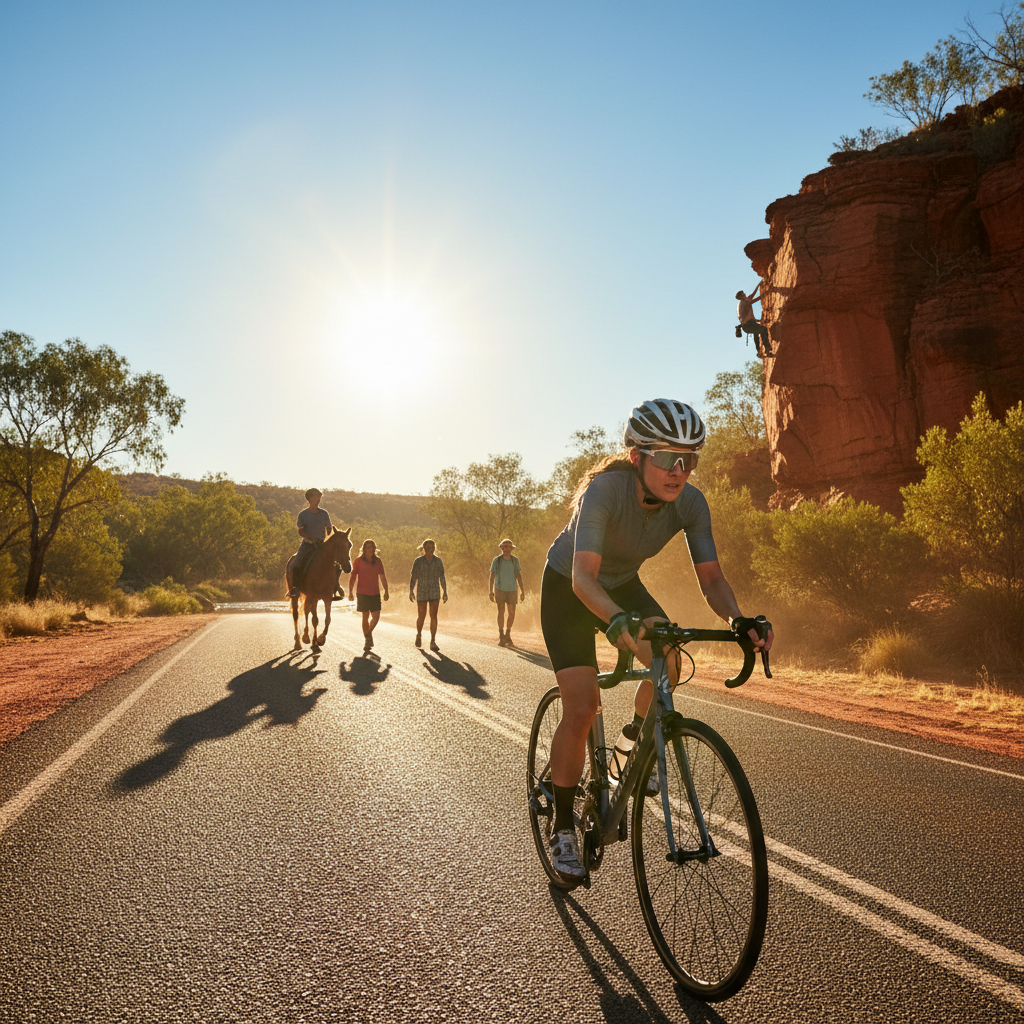
Beat the Heat: How to Cycle Safely in Extreme Australian Summers
Australia. We love our outdoors lifestyle, and cycling is a huge part of that. But our sun, especially during the long, hot summer days, demands respect. Riding in extreme heat isn't just uncomfortable; it's a serious health risk if you're not prepared. Overheating can lead to heat exhaustion and even heatstroke, which can incapacitate you and lead to dangerous situations, particularly when you're on the road. This guide is no-nonsense advice for Australian cyclists looking to stay safe and relatively cool when the mercury soars and the UV index is high.
The Real Risks of Riding in the Heat
Let's be blunt. When the temperature climbs, your body works overtime to regulate its core temperature. If you're exerting yourself – and cycling is definitely exertion – your body produces even more heat. On top of that, the Australian sun is relentless. High UV levels increase your risk of sunburn, which further hampers your body's ability to cool itself.
Here's what's happening under the helmet:
Dehydration: You sweat more, losing vital fluids and electrolytes. Less fluid means less blood volume, making it harder for your heart to pump blood and cool you down.
Heat Exhaustion: Symptoms include heavy sweating, weakness, dizziness, nausea, headache, and muscle cramps. If you ignore these, they can escalate.
Heatstroke: This is a medical emergency. Your body's cooling system fails. Symptoms include a high body temperature (40°C or above), confusion, slurred speech, loss of consciousness, and hot, dry skin (though you might still be sweating).
Impaired Judgment and Performance: Even mild dehydration and heat stress can significantly reduce your ability to think clearly, react quickly, and perform physically. This is a major safety concern on the road.
Wearing a helmet is non-negotiable for cyclists. But how does your helmet impact heat management? Traditional helmets, while crucial for safety, can also trap heat. We need to think about how to mitigate this without compromising protection. That's where smart strategies and accessories come in. For solutions to keep your head cool and protected, check out our Products.
Preparing for the Heat: Before You Ride
Success in the heat starts long before you clip into your pedals. It’s about proactive preparation.
1. Hydration is King (and Queen)
This isn't just about water. Electrolytes are vital. Salt, potassium, and magnesium are lost through sweat and need replacing.
Start Hydrating Early: Don't wait until you're thirsty. Drink plenty of water throughout the day leading up to your ride. Aim for clear urine as a sign of good hydration.
Electrolyte Drinks: For rides longer than an hour, or in extreme heat, use electrolyte drinks. You can buy them or make your own. A simple DIY mix: a litre of water, half a teaspoon of salt, and a tablespoon of honey or fruit juice.
Carry Enough: Always carry more fluids than you think you'll need. If you’re planning a longer ride, map out reliable water stops.
2. Fuel Your Ride Wisely
Avoid heavy, fatty, or protein-rich meals close to your ride. They take longer to digest and can contribute to feeling sluggish and hot. Opt for easily digestible carbohydrates.
3. Gear Up Smart
Your clothing choice matters. Light colours reflect the sun, while breathable, moisture-wicking fabrics help sweat evaporate.
Lightweight and Breathable: Choose jerseys and shorts made from synthetic, breathable materials.
Sun-Protective Clothing: While often overlooked, UPF (Ultraviolet Protection Factor) rated clothing can add an extra layer of defense against UV rays radiating onto your skin.
The Helmet Dilemma: Standard helmets are designed for airflow, but in intense heat, they can still feel like a furnace. This is where additions like brims can be incredibly useful, providing shade to your face and neck without obstructing the helmet's primary ventilation.
4. Timing is Everything
If possible, avoid the hottest parts of the day. Early mornings and late afternoons/early evenings are your best bet. Check the Bureau of Meteorology (BOM) for heatwave forecasts and the UV index. When the UV index is extreme (8+), sun protection is paramount, even if it doesn't feel that hot.
5. Know Your Limits
Be realistic about your fitness and your body’s heat tolerance. If you’re new to cycling or not accustomed to the heat, start with shorter, flatter rides.
On the Bike: Staying Cool and Safe
Once you're out there, constant vigilance is key.
1. Sip, Don't Gulp
Take small, frequent sips of your fluids. This helps your body absorb the liquid more effectively.
2. Splash and Cool
If you have the opportunity to stop near a tap or have a spare bottle, splash cool water on your face, neck, wrists, and the back of your knees. These are pulse points where blood flows close to the skin, helping to lower your core temperature.
3. Seek Shade When Possible
Even a few minutes in the shade can offer a welcome respite and allow your body to start rehydrating and cooling.
4. Listen to Your Body (Critically Important)
This is where many riders fall down. Early signs of heat stress are easy to dismiss as just 'effort'.
Are you feeling dizzy? Stop.
Are you nauseous? Stop.
Are you cramping excessively? Stop.
Is your headache intensifying? Stop.
Don't push through these symptoms. Pull over in a safe spot, preferably shade, and address them. Hydrate, cool down, and reassess if you can continue. For more on helmet fit and comfort, see our FAQ.
5. Helmet Sun Protection
This is where practical accessories make a difference. A helmet brim, like the Da Brim, can provide crucial shade for your face and neck. This isn't just about comfort; it reduces the direct sun load on your head, which can contribute to overheating. It also shields your eyes from glare, improving visibility. Proper installation is key for safety and effectiveness – check out our guide on How to Install.
Post-Ride Recovery
Don't forget these crucial steps after you finish.
1. Rehydrate and Refuel
Continue drinking fluids, including electrolyte replacements. Eat a balanced meal to replenish your energy stores.
2. Cool Down Gradually
Avoid jumping straight into a freezing shower. Cool down with a lukewarm shower or bath.
3. Monitor Yourself
Pay attention to how you feel for several hours after your ride. If symptoms of heat exhaustion return or worsen, seek medical attention.
Practical Strategies Summary
Here’s a quick checklist to keep you on track:
Hydrate: Start early, drink consistently, use electrolytes for longer rides.
Choose Wisely: Ride during cooler parts of the day.
Gear Up: Light, breathable clothing. Helmet with effective sun protection (like a brim).
Listen In: Pay close attention to your body's signals.
Cool Down: Use water strategically on pulse points.
Recover: Continue hydrating and eating afterwards.
Step-by-Step Heat Preparedness Plan
Let’s break it down into actionable steps before you even touch your bike.
1. Assess the Conditions:
Check the weather forecast: Temperature, humidity, wind.
Check the UV Index: Aim to ride when it's low to moderate if possible, or take extreme precautions when high.
Consider the duration and intensity of your planned ride.
2. Pre-Ride Hydration & Nutrition:
Morning (or hours before): Drink 500ml-1L of water. If a long/hot ride, include electrolytes.
1-2 hours before: Eat a light, carb-based meal.
30 mins before: Another 250-500ml of water.
3. Gear Check:
Helmet: Ensure it's well-fitting and ideally has good ventilation. Attach any accessories like brims per their instructions.
Clothing: Is it light-coloured, breathable, and moisture-wicking?
Fluids: Are bottles full? Are you carrying enough? Consider a hydration pack for longer rides.
Sunscreen: Applied to all exposed skin, reapply if necessary.
4. Ride Strategy:
Start Cooled: Begin your ride at a slightly easier pace.
Sip Regularly: Small, frequent sips from your bottles.
Utilise Shade: Plan routes with tree cover or take breaks in shaded areas.
Proactive Cooling: If you stop, splash water on pulse points.
Contingency Plan: Know where you can refill water or call for help if needed.
5. Post-Ride Protocol:
Immediate: Drink 500ml-1L of fluid (water/electrolytes).
1 hour post-ride: Have a recovery meal with carbs and protein.
Ongoing: Continue to monitor fluid intake and overall well-being throughout the day.
Don't Let Heat Win
Cycling in Australia's summer heat is a challenge, but it doesn't have to mean discomfort or danger. By understanding the risks, preparing diligently, and riding smartly, you can continue to enjoy your rides. Investing in accessories that enhance your helmet's functionality, like effective sun protection, is a smart move for any year-round cyclist. Remember, your safety and well-being come first. For more cycling tips and product information, explore our Blog section.