
Beat the Heat: How to Cycle Safely in Extreme Australian Conditions
Don't let scorching Australian heat stop your ride. Learn practical strategies for cycling in extreme temperatures while staying safe and comfortable. Essential gear and tips for helmet wearers.
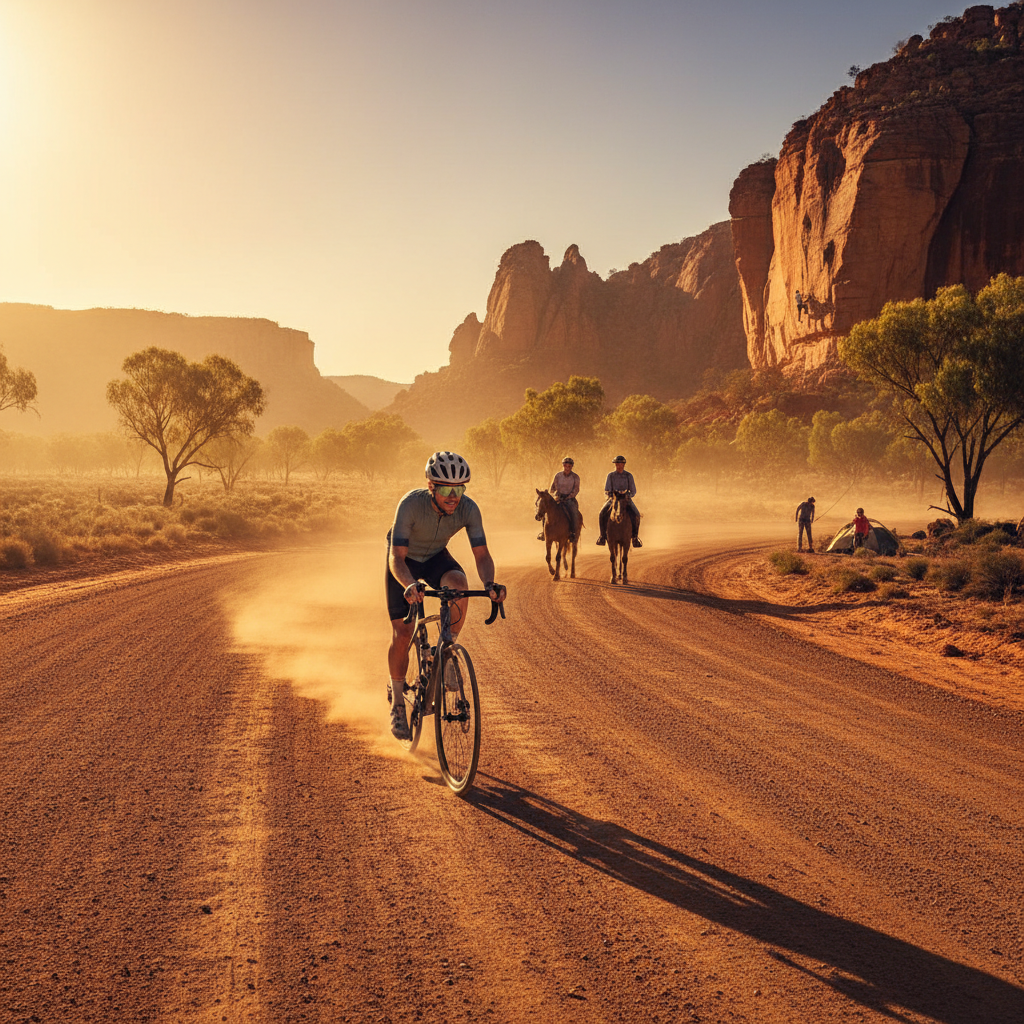
Beat the Heat: How to Cycle Safely in Extreme Australian Conditions
Australia. We love our outdoors, and cycling is a brilliant way to explore it. But let's be honest, our summers can be brutal. Riding in extreme heat isn't just uncomfortable; it's dangerous. Dehydration, heatstroke, and severe sunburn are real risks, especially when you're pushing yourself on the bike.
This isn't about coddling. It's about riding smart. This guide is for anyone who cycles in Australia, under our harsh sun, and wants to do it without ending up a sweaty, heat-stroked mess. We're talking practical, no-nonsense advice for helmet wearers.
Why Heat is Your Enemy on the Bike
Your body is a finely tuned machine, and when it gets too hot, it has to work overtime to cool itself down. On a bike, you're generating a lot of internal heat, and that's on top of the external heat from the sun and the air. When the ambient temperature is high, your body struggles to dissipate this heat effectively.
Here's what happens:
Increased Heart Rate: Your heart has to pump harder to send blood to your skin for cooling.
Dehydration: You sweat more, losing vital fluids and electrolytes.
Reduced Performance: Your muscles fatigue faster, and your mental clarity suffers.
Heat Exhaustion/Heatstroke: In severe cases, your body's cooling systems fail, leading to potentially life-threatening conditions.
Australia's UV index often climbs to extreme levels. Long days mean extended sun exposure. We need to be prepared.
Pre-Ride Essentials: Gear Up for the Heat
Before you even think about pedalling, your gear needs to be on point. This isn't the time for shortcuts.
1. The Right Helmet – Crucial for Protection and Cooling
Your helmet is non-negotiable for safety. But for hot weather riding, its ventilation is key. Look for helmets with plenty of large vents that allow airflow over your head. However, even the best-ventilated helmet can feel like a hot oven without a bit of help.
That's where your helmet brim comes in. A good brim, like The DA BRIM, is designed to shade your face and neck from direct sun, reducing your overall heat load. It doesn't trap heat; it deflects the sun's energy before it even touches your head and face. It also helps keep sweat out of your eyes. Installing it is a breeze – check out our guide on How to Install.
2. Hydration, Hydration, Hydration
This cannot be stressed enough. You need to be hydrated before you even get on the bike. Don't wait until you're thirsty.
Pre-hydrate: Drink water in the hours leading up to your ride.
Electrolytes: For longer or more intense rides, consider electrolyte drinks or tablets. These replace salts lost through sweat and help your body retain fluid.
Carry Enough: Always carry more water than you think you'll need. Use multiple bottles if necessary.
3. Sun-Protective Clothing
While your helmet and brim provide head and face protection, don't forget the rest of you.
Lightweight, Breathable Fabrics: Opt for moisture-wicking jerseys that pull sweat away from your skin.
Long Sleeves (Lightweight): Believe it or not, lightweight, UPF-rated long-sleeved jerseys can be cooler than short sleeves because they protect your skin from direct sun, reducing sunburn and heat absorption.
Sunscreen: Apply broad-spectrum sunscreen with a high SPF to any exposed skin. Reapply if you sweat a lot or are out for extended periods.
4. Sunglasses
Protects your eyes from UV rays and glare, which can be intense on bright days. They also shield your eyes from dust and insects.
Riding Strategies in Extreme Heat
It's not just about what you wear; it's about how and when you ride.
1. Timing is Everything
If you can avoid the absolute hottest part of the day, do it. Early mornings and late afternoons are your friends. Remember, Australian days can be long. Even an early start might require planning for heat later on.
2. Pace Yourself
Don't try to set any personal bests when the mercury is soaring. Dial back the intensity. Focus on steady effort rather than bursts of speed. Your body will thank you.
3. Seek Shade and Breaks
Plan your route to include shaded sections. If you need to stop, find a shady spot. Getting out of direct sun for even a few minutes can make a big difference.
4. Listen to Your Body (This is Critical)
Overheating is a serious medical emergency. Learn the signs and don't push through them.
Don't ignore these symptoms:
Excessive thirst
Dizziness or lightheadedness
Nausea
Headache
Muscle cramps
Heavy sweating (or cessation of sweating, which is a very bad sign)
Cool, clammy skin
Faintness
If you experience any of these, stop immediately, get into the shade, rehydrate, and cool yourself down. If symptoms are severe or don't improve, seek medical help. Check our FAQ for more on heat-related illness.
Table: Heat Preparedness Checklist
| Category | Item | Pre-Ride Check | During Ride Action |
|---|---|---|---|
| Gear | Helmet (ventilation) | ✅ | Ensure vents are clear |
| Helmet Brim (e.g., DA BRIM) | ✅ | Properly fitted, provides shade | |
| Water Bottles/Reservoir | ✅ | Full, accessible | |
| Electrolyte Supplies | ✅ (if needed) | Consider carrying tabs/powder for refills | |
| Sunscreen | ✅ | Applied generously to exposed skin | |
| Sunglasses | ✅ | Clean and ready | |
| Lightweight Clothing | ✅ | Wicking, UPF rated if possible | |
| Hydration | Water Intake | Aim for > 500ml/hr | Sip frequently, at least every 15-20 mins |
| Electrolyte Balance | Pre-hydrate | Replenish salts if sweating heavily or riding long | |
| Riding Plan | Route Selection | Check temps | Prioritise shade, minimise exposure during peak heat |
| Start Time | Check forecast | Opt for early morning/late afternoon | |
| Pace Management | Plan | Ride conservatively, conserve energy | |
| Body Signals | Awareness | Educate self | Stop if any signs of heat stress are present |
Step-by-Step: Cooling Down on the Go
When you’re caught in the heat, active cooling is essential.
1. Find Shade: The first and most important step. Get out of direct sunlight as quickly as possible.
2. Hydrate: Drink cool (not ice-cold) water or electrolyte mix. Sip slowly.
3. Apply Water: Pour cool water over your head, neck, wrists, and ankles. These are pulse points where blood vessels are close to the skin, helping to cool your blood.
4. Loosen Clothing: If your jersey is damp and clinging, unzipping it or loosening it can help with evaporation.
5. Rest: Sit down and relax. Avoid strenuous activity.
6. Monitor Symptoms: Pay close attention to how you feel. If symptoms worsen, seek medical attention immediately.
Common Objections and How to Handle Them
"It's too hot to ride, I'll just stay inside."
We get it. But staying completely sedentary can also be a shock to your system when you do venture out. The goal is to ride safely in the heat, not to avoid it entirely. By preparing properly and riding intelligently, you can still enjoy your ride. Our Products page has options to make your ride more comfortable. Remember, consistent activity is generally better than none.
"My helmet is already hot, adding a brim will make it worse."
This is a common misconception. A helmet brim's purpose is to provide shade. It blocks direct solar radiation from hitting your head and face. This reduces the amount of heat your body absorbs from the sun. While it's an additional piece of kit, it functions as a shield, not an insulator. The airflow through your helmet's vents still works to dissipate the heat your body generates. Many users report feeling cooler with a brim because it shades their face and prevents that direct, intense solar load.
"I don't want to carry too much water."
Safety first. If you're riding in extreme heat, you must carry adequate fluids. Invest in a second water bottle cage, use a larger hydration pack, or plan your route to include water stops. Dehydration can sneak up on you and its consequences are severe. It's better to carry a bit extra than to risk heatstroke. Check our Blog for route planning tips.
"I'll just sweat it out, it's good for me."
Sweating is how your body cools itself, but excessive sweating without adequate fluid replacement leads to dehydration, which is dangerous. There's a difference between a healthy sweat and losing dangerous amounts of fluid. Pushing yourself to the point of extreme dehydration is not beneficial; it's detrimental to your health.
Final Thoughts on Braving the Australian Sun
Cycling in extreme Australian heat requires respect for the conditions. It demands preparation, smart decision-making, and a keen awareness of your body's signals. Invest in the right gear – a well-ventilated helmet and a protective brim like The DA BRIM are game-changers. Prioritise hydration, time your rides wisely, and never, ever ignore the signs of overheating.
Don't let the heat dictate your fitness. Learn to manage it. Ride safe, ride smart, and enjoy the ride, no matter how hot it gets.
For more information, don't hesitate to check our FAQ or browse our Products.