
Beat the Heat: How Cyclists Can Stay Cool on Summer Climbs
Don't let the Australian summer heat stop your climbs. This guide offers practical, no-nonsense advice on how to stay cool and ride safely when the mercury rises.
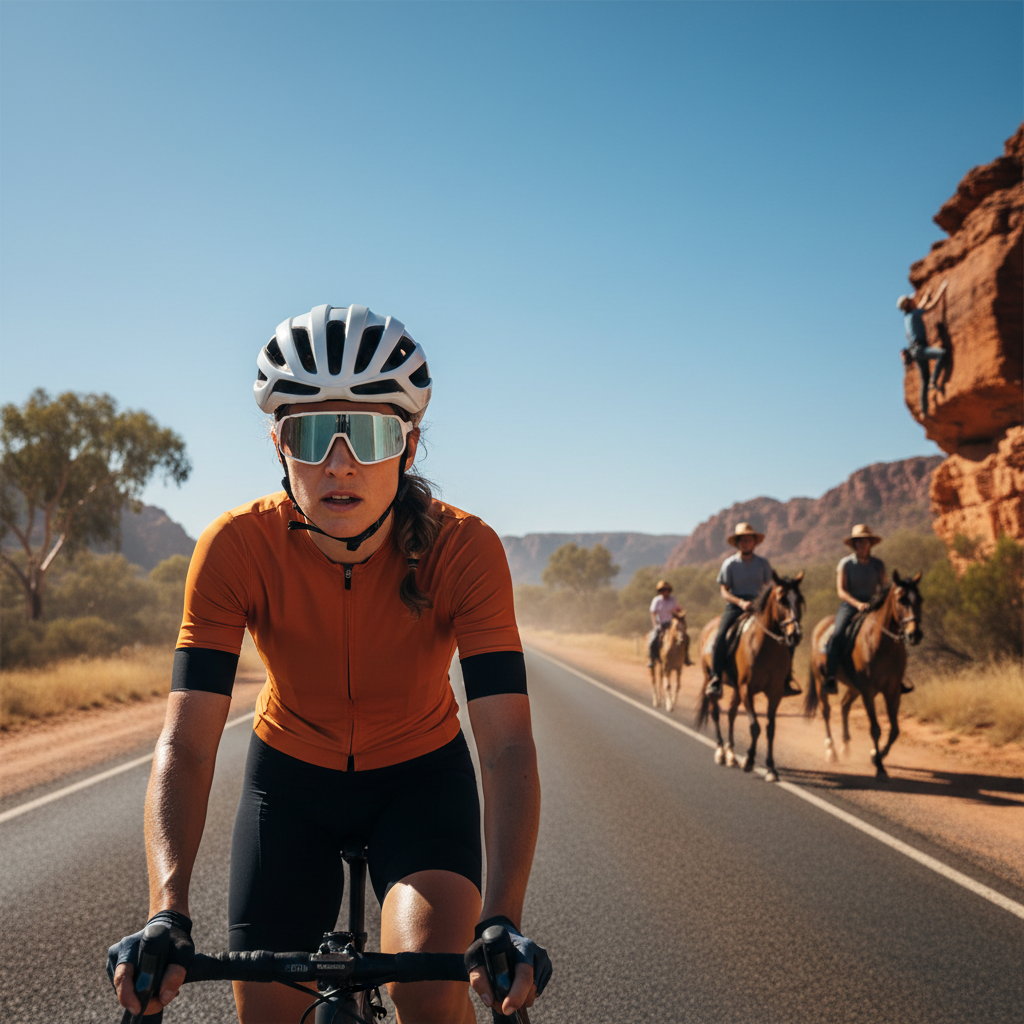
Beat the Heat: How Cyclists Can Stay Cool on Summer Climbs
Australian summers are legendary. Long days, glorious sunshine, and the urge to push yourself on those challenging climbs. But let's be honest, the heat can be brutal. Riding in soaring temperatures, especially uphill, can turn a dream ride into a sweaty, uncomfortable ordeal, and worse, a dangerous one. This isn't about fancy gadgets or fads; it's about practical, proven strategies to keep you cool and safe when you're working hard under the Aussie sun.
The Helmet Conundrum: Coolness vs. Protection
When you're climbing, you're generating a serious amount of heat. Your body's primary cooling mechanism is sweating. But what happens when your helmet, your essential piece of safety gear, seems to trap all that heat and sweat? It's a common complaint among cyclists, and it's a valid one. While helmets are non-negotiable for safety, they can feel like a furnace on a hot day. The good news is, you don't have to choose between protection and some semblance of comfort. It's about optimising what you have and making smart choices.
Understanding the Risks of Summer Riding
Before we dive into solutions, let's be clear about why this is important. Riding in extreme heat, especially during strenuous activity like climbing, carries significant risks:
Heat Exhaustion: Symptoms include heavy sweating, paleness, muscle cramps, fatigue, dizziness, headache, nausea or vomiting.
Heatstroke: This is a medical emergency. Symptoms include a high body temperature (40°C or higher), hot, red, dry or damp skin, a rapid, strong pulse, and confusion or loss of consciousness.
Dehydration: Sweating profusely without adequate fluid intake leads to dehydration, which impairs performance and increases the risk of heat-related illnesses.
Reduced Performance: Even if you avoid serious illness, high temperatures drastically reduce your ability to perform. Your heart rate spikes, your muscles fatigue faster, and your perceived effort goes through the roof.
Australian UV levels can be extreme, and a clear blue sky doesn't always mean less intense heat. We experience prolonged periods of high temperatures, making preparedness crucial.
Practical Strategies for Staying Cool on the Bike
This is where we get down to brass tacks. No complicated scientific explanations, just what works.
1. Hydration: Your First Line of Defence
This is the most critical element. You can't stay cool if you're dehydrated. Think of water as your internal air conditioning. It helps regulate your body temperature.
Pre-hydrate: Don't wait until you're on the bike. Drink plenty of water in the hours leading up to your ride. A good indicator is clear, pale urine.
Sip Regularly: Take small sips of water or electrolyte drinks every 15-20 minutes, even if you don't feel thirsty. Thirst is a sign you're already behind.
Electrolytes Matter: Sweating loses not just water but also vital salts. Consider an electrolyte drink, especially for rides longer than an hour or in very hot conditions.
Carry Enough: Judge your water needs based on the length and intensity of your ride, and the temperature. It's always better to have too much than too little. For longer climbs in remote areas, plan your water stops or carry a filter if necessary.
2. Timing Your Rides Wisely
This one is simple but often overlooked. The sun and heat are most intense between 10 am and 3 pm. Riding during these hours puts you at a much higher risk.
Early Bird Catches the Cool: Get out on the road at dawn. You'll feel the difference immediately.
Evening Rides: If dawn isn't your thing, an afternoon ride after the peak heat has subsided can be a good option, though be mindful of fading light.
Seek Shade: If you must ride during warmer parts of the day, plan routes with significant tree cover or shady sections. A long, exposed climb in the midday sun is a recipe for disaster.
3. Clothing and Gear Choices
What you wear directly impacts how your body can regulate temperature.
Lightweight, Breathable Fabrics: Opt for jerseys and bib shorts made from moisture-wicking, lightweight materials. Light colours reflect more sunlight than dark colours.
Sun Cream is Non-Negotiable: Even with clothing, exposed skin needs protection. Use a high SPF sunscreen and reapply if necessary. Remember those often-forgotten spots like the back of your neck, ears, and tops of your feet.
The Helmet Brim Advantage: Traditional helmets offer ventilation, but they don't provide any shade or protection from direct sun hitting your face. A helmet brim, like the da Brim, is designed to do just that. It extends forward, shielding your eyes and face from direct sun and glare, meaning you can concentrate on your riding and not squinting. This reduced glare can also contribute to feeling cooler as your eyes aren't straining as much.
4. Pacing and Effort
When it's hot, your body has to work harder just to stay cool. This means your cycling performance will naturally decrease. Fighting this will only make you hotter and more fatigued.
Ease Up: Accept that you won't be setting any personal bests on hot days. Pace yourself, especially on climbs.
Focus on Effort, Not Speed: Ride at an effort level that feels sustainable rather than a speed that feels punishing.
Take Strategic Breaks: If you're on a long climb, don't be afraid to find a shady spot for a brief rest and a drink.
5. Cooling Techniques on the Fly
Sometimes, you just need to actively cool yourself down.
Douse Yourself: Use your water bottle to pour water over your head, neck, and wrists. This is incredibly effective for rapid cooling.
Wet Wipes/Bandanas: Carry a damp cloth or a cooling bandana to wear around your neck or forehead.
Use Ventilation: Ensure your helmet's vents are clear of debris. While they can't undo the heat, good ventilation helps.
Helmets and Heat: Addressing the Objections
Let's tackle some common reasons people avoid proactive heat management with their helmets.
Objection 1: "My helmet has enough vents, I'll be fine."
Reality: Vents are for airflow, but they don't block direct solar radiation or provide shade for your face. In intense Australian sun, direct light hitting your face can amplify the feeling of heat and cause glare, impacting your vision and comfort. A brim adds a layer of protection the vents alone can't provide. It's about complementing your helmet's design, not replacing it. Check out how the da Brim integrates with existing helmets.
Objection 2: "Adding something to my helmet will make it hotter."
Reality: This is counter-intuitive, but consider this: by blocking direct sun from reaching your face, you're reducing the heat gain on your head and face. Think of wearing a cap under a hard hat – it provides comfort. While a brim doesn't add insulation, it provides shade. And shade is cool. It also reduces glare, meaning your eyes work less, and can lead to better focus and a less strenuous mental effort, which indirectly helps with feeling cooler.
Objection 3: "It looks silly / not aerodynamic."
Reality: Safety and comfort trump aesthetics every time. While aerodynamic claims are hard to argue with on a professional race circuit, for the vast majority of everyday cyclists and enthusiasts, the ability to ride comfortably and safely in the heat is far more important. The da Brim is designed to be low-profile and functional. Plus, a sunburnt, heat-stroked rider isn't going to be fast anyway.
Objection 4: "I've never had a problem."
Reality: You might be lucky, or you might be pushing your limits without realising it. Heat-related illnesses can creep up. It's better to be prepared and prevent an issue before it happens. We've seen how serious heatstroke can be. Don't wait for a serious incident to change your approach. For more detailed questions, our FAQ page has answers.
Essential Gear Checklist for Hot Weather Climbing
Here’s a quick rundown of what you should pack and consider for your summer climbs:
[ ] Plenty of water/electrolyte drinks: Enough for the entire ride.
[ ] High SPF sunscreen: Applied before you leave and packed for reapplication.
[ ] Lightweight, breathable cycling kit: Preferably in light colours.
[ ] Helmet with good ventilation: And consider adding a brim. (See Products)
[ ] Cycling sunglasses: To protect eyes from UV and reduce glare.
[ ] Snacks: Easily digestible energy to keep you going.
[ ] Minimalist tool kit and spare tube: Essential for any ride, but don't let a mechanical ruin your cooling strategy.
[ ] Phone: Fully charged, for emergencies.
Step-by-Step: Integrating Cooling into Your Ride Routine
Making these strategies habitual is key. Here’s a simple process:
1. Pre-Ride (Night Before/Morning Of):
Check the weather forecast – note temperature and UV index.
Plan your route, considering shade and water availability.
Ensure water bottles are clean and ready to be filled.
Hydrate well in the 24 hours prior.
2. Pre-Ride (1 Hour Before):
Apply sunscreen generously to all exposed skin.
Fill bottles with water and/or electrolyte mix.
Put on your cycling kit and ensure your helmet is properly fitted (and equipped if you're using a brim like the da Brim).
Do a quick helmet check – are vents clear?
3. During the Ride:
Hydrate: Sip every 15-20 minutes.
Pace Yourself: Especially on climbs. Accept a slightly slower pace.
Cooling: Pour water over head/wrists as needed.
Sun Protection: Reapply sunscreen during longer stops if possible.
Utilise Shade: Take short breaks in shaded areas on exposed sections.
4. Post-Ride:
Continue to rehydrate.
Cool down gradually.
Check for any signs of sunburn or heat stress.
The Da Brim Advantage: More Than Just Shade
We designed the da Brim with practicality in mind. It's not about being a fashion statement; it's about tangible benefits:
Reduced Glare: Significantly cuts down on sun glare, allowing you to see the road better and focus.
Face Protection: Shields your face from direct solar radiation, reducing heat build-up on your skin.
Easy Installation: Attaches quickly and securely to most standard helmets. Learn more on our How to Install page.
Lightweight: Adds minimal weight to your helmet.
- Durable: Built to withstand the rigours of cycling.
Don't let the Australian summer keep you off your bike. By implementing these practical strategies and using the right gear, you can enjoy your climbs and stay safe when the temperatures soar. For more tips, articles, and product information, visit our Blog or browse our Products.
Ride smart. Ride cool. Ride safe.