
Beat the Heat: Essential Sun Safety for Australian Climbers
Don't let the scorching Australian sun cut your climbing sessions short. Learn practical strategies to manage heat, protect yourself from UV, and stay safe on the rock.
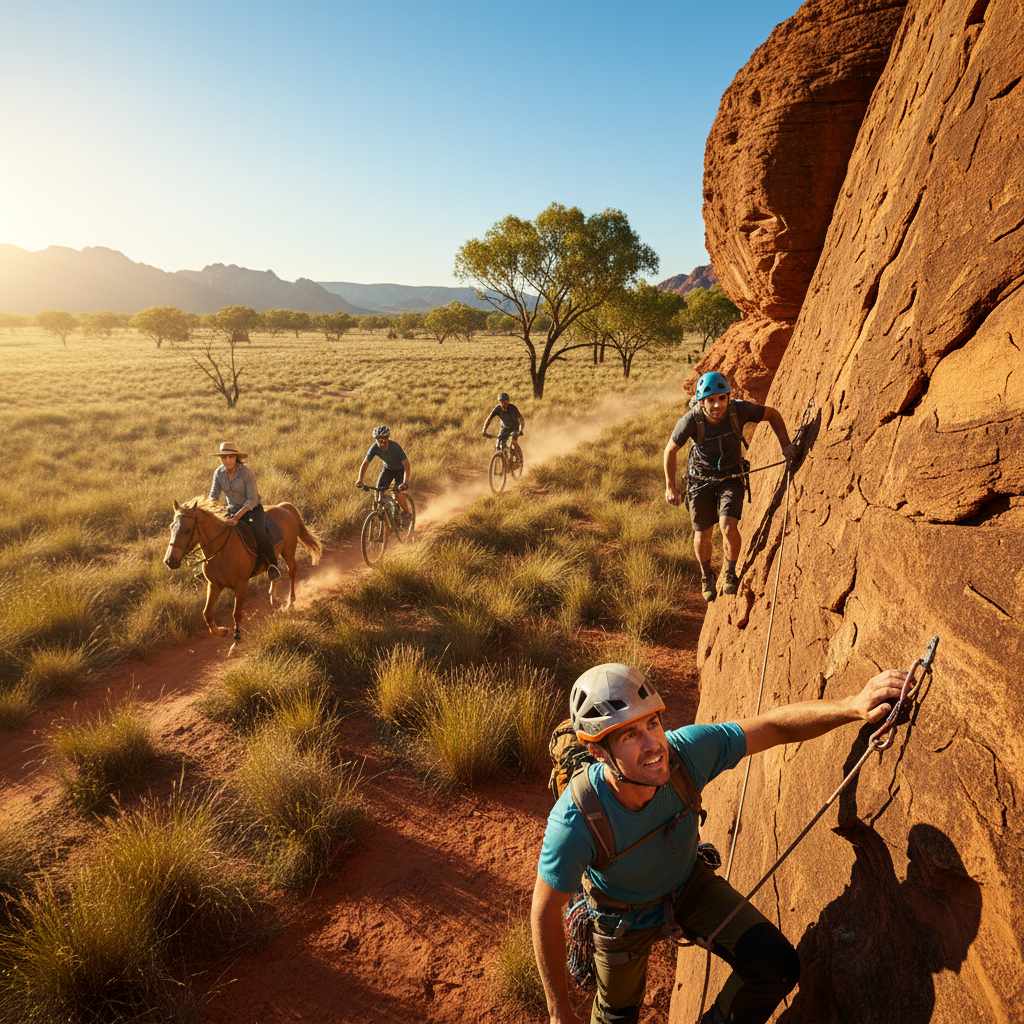
Beat the Heat: Essential Sun Safety for Australian Climbers
Australia. Beautiful. Wild. And often, brutally hot. For climbers, this presents a unique challenge. While we crave the sun-drenched crags and long summer days, the harsh Australian sun can mean more than just a tan. We’re talking about debilitating heat exhaustion, dangerous UV exposure, and shortened climbing sessions. But it doesn't have to be this way. With smart strategies and the right gear, you can manage heat and stay protected, even on the most brutal days.
The Harsh Reality of Australian Sun
Let's be blunt. The UV index in Australia can be extreme, often reaching 'Very High' or 'Extreme' levels even outside of peak summer. Add long days on the rock, strenuous physical activity, and minimal shade, and you’ve got a recipe for trouble. Dehydration, heatstroke, and sunburn are serious risks that can end your climb abruptly and, in severe cases, lead to medical emergencies. Standard advice like 'wear sunscreen' is a start, but it’s not enough when you’re exerting yourself under that relentless Aussie sun.
Objection Handling: "I run hot anyway" or "I'll just take shorter breaks"
This is a common one. You’re a climber, you’re used to pushing yourself. But pushing yourself against extreme heat is different from pushing yourself on a challenging route. Your body’s thermoregulation system can be overwhelmed. Taking shorter breaks might seem efficient, but it means less time for your body to cool down and rehydrate, increasing your risk of heat-related illness. This isn't about being weak; it's about being smart and prolonging your climbing enjoyment and safety. Ignoring heat management is like ignoring a snag on your rope – it’s a recipe for disaster.
Head for Protection: Your Helmet is Key
Your helmet is your primary defence against falling rock and impacts. But it can also be a crucial tool for managing heat and sun exposure. A standard climbing helmet can feel like a hotbox. But smart additions can make a huge difference.
The Underrated Advantage of a Brim
Ever tried climbing with sunglasses fogging up from sweat pouring into your eyes? Or found the sun directly in your line of sight when you’re on a tricky crux? A helmet brim is your secret weapon. It shades your eyes, keeping the sun out of your face and reducing glare. This not only improves your vision but also reduces the strain on your eyes and the need for squinting, which can lead to headaches. More importantly, it channels sweat away from your face, preventing that uncomfortable and vision-obscuring trickle. Think of it as an extension of your sun protection strategy.
We offer versatile helmet brims designed to fit most standard climbing helmets. Check out our How to Install guide to see how easy it is to add this essential piece of sun and heat management gear.
Practical Heat Management Strategies for Climbers
Managing heat isn't just about wearing the right gear; it's about a holistic approach before, during, and after your climb.
Pre-Climb Preparation:
Hydration is Paramount: Start hydrating days before your climb, not just the morning of. Water is your best friend. Electrolyte drinks can also be beneficial on very hot days or during prolonged efforts.
Fuel Wisely: Eat light, easily digestible meals. Avoid heavy, greasy foods that can make you feel sluggish and contribute to internal heat.
Know Your Gear: Ensure your helmet is well-ventilated. If yours isn't up to par, consider upgrades or accessories that enhance airflow. Have your helmet brim ready to go.
Check the Forecast (and UV Index): Understand the expected temperature, humidity, and UV index for your climbing location. This helps you plan your day and your strategies.
During the Climb:
Strategic Timing: Climb during the cooler parts of the day – early morning and late afternoon are your allies. Midday sun is a no-go zone for extended climbing in Australia.
Shade Breaks: Utilise any available shade for rest breaks. Even a small patch of shade can significantly help your body cool down.
Hydration is Ongoing: Sip water frequently, don't wait until you're thirsty. Thirst is a sign you're already behind on hydration.
Wipe Downs: A damp bandana or cloth can be a game-changer. Tucking a cool, damp cloth into your helmet or around your neck can provide significant evaporative cooling.
Listen to Your Body: This is critical. If you feel dizzy, nauseous, or excessively fatigued, stop climbing. Prioritise your safety over summiting or completing a route.
Post-Climb Recovery:
Rehydrate and Replenish: Continue drinking water and consider electrolyte supplements. Eat a balanced meal to help your body recover.
Cool Down: Take a cool shower or bath. Avoid extreme temperature changes that can shock your system.
Rest: Allow your body to recover properly, especially after a tough day in the heat.
Essential Gear Checklist for Hot Weather Climbing
Beyond your standard climbing kit, here’s what you should consider adding for Australian heat:
Helmet with good ventilation.
Helmet brim (like our extra-wide brims) for shade and sweat management.
Wide-brimmed hat (to wear in approach/descent, or under certain helmet types if compatible and safe – never compromise helmet integrity).
Lightweight, light-coloured, breathable clothing.
Plenty of water (more than you think you’ll need).
Electrolyte tablets or drinks.
Cooling towel or bandana.
Sunscreen (high SPF, broad-spectrum).
Lip balm with SPF.
Sunglasses.
Advanced Heat Management: The "Cooling Station" Concept
For longer climbing days or hotter conditions, create a "cooling station" at the base of the climb or a shaded rest spot.
How to Set Up Your Cooling Station:
1. Shade is King: Find the most reliable shade you can and set up base camp there. A tarp or a large umbrella can provide crucial personal shade.
2. Hydration Hub: Bring a large insulated water cooler or multiple large water bottles. Keep them in the shade.
3. Cooling Towels & Sprays: Pre-soak your cooling towels and towels in water, ideally in a cooler bag. A spray bottle filled with water can provide instant refreshment.
4. Snacks: Pack easy-to-eat, hydrating snacks like fruit (oranges, watermelon) and salty crackers.
5. First Aid: Ensure you have a well-stocked first-aid kit, including items for treating heat exhaustion and sunburn.
FAQs and Real-World Scenarios
We get asked a lot about dealing with the heat in Australia. Here are a few common questions:
Q: My helmet feels incredibly hot. What can I do?
A: Ensure your helmet is designed for ventilation. Clean the vents regularly to prevent dust build-up. Adding a helmet brim can also help by creating a small air gap and channeling some air. Wearing a thin, moisture-wicking cap or bandana under your helmet can absorb some sweat and heat, but always ensure it doesn't compromise the helmet's fit or stability.
Q: I get sweat in my eyes constantly, even with a helmet. It’s blinding!
A: This is where a good helmet brim is essential. Our brims are designed to catch and redirect sweat. Combining this with a sweatband or a well-placed cooling towel can make a huge difference. On extremely hot days, consider if the route has periods of good shade you can exploit for maximal sweat management.
Q: Is it really necessary to carry so much water? I find I don’t drink that much.
A: It's crucial. Dehydration happens faster than you think, especially when exerting yourself in the heat. You need to encourage yourself to drink more. Carrying more water than you think you need is a safety buffer. Running out of water in the Australian sun is a dangerous situation. For more tips on hydration and climbing, check our FAQ.
Q: I want to climb long routes on hot days. What are the biggest risks I need to be aware of?
A: The biggest risks are heat exhaustion and heatstroke. Symptoms include heavy sweating, paleness, muscle cramps, fatigue, dizziness, headache, nausea, and vomiting. On long routes, your ability to access shade and water becomes limited, and your body’s reserves are constantly challenged. Always inform someone of your plans and expected return time. Consider acclimatising to the heat if possible by doing shorter, less strenuous climbs on consecutive hot days before tackling longer efforts.
Embrace the Challenge, Safely
The Australian climbing scene offers incredible opportunities, but it demands respect for the environment, especially the sun. By implementing these practical heat management and sun safety strategies, you can extend your climbing days, improve your comfort and performance, and most importantly, stay safe. Don't let the heat dictate your adventures. Take control, be prepared, and enjoy the climb.
For the latest in climbing safety and gear tips, check out our Blog.
Remember, safety first. Always. Equip yourself with the right tools, including a reliable helmet and the essential products that enhance your protection. Happy and safe climbing!