
Beat the Heat: Essential Sun Safety for Australian Climbers
Don't let the Aussie sun sideline your climb. Learn practical, no-nonsense heat management and sun protection strategies for when you're tackling rock faces under our fierce sun.
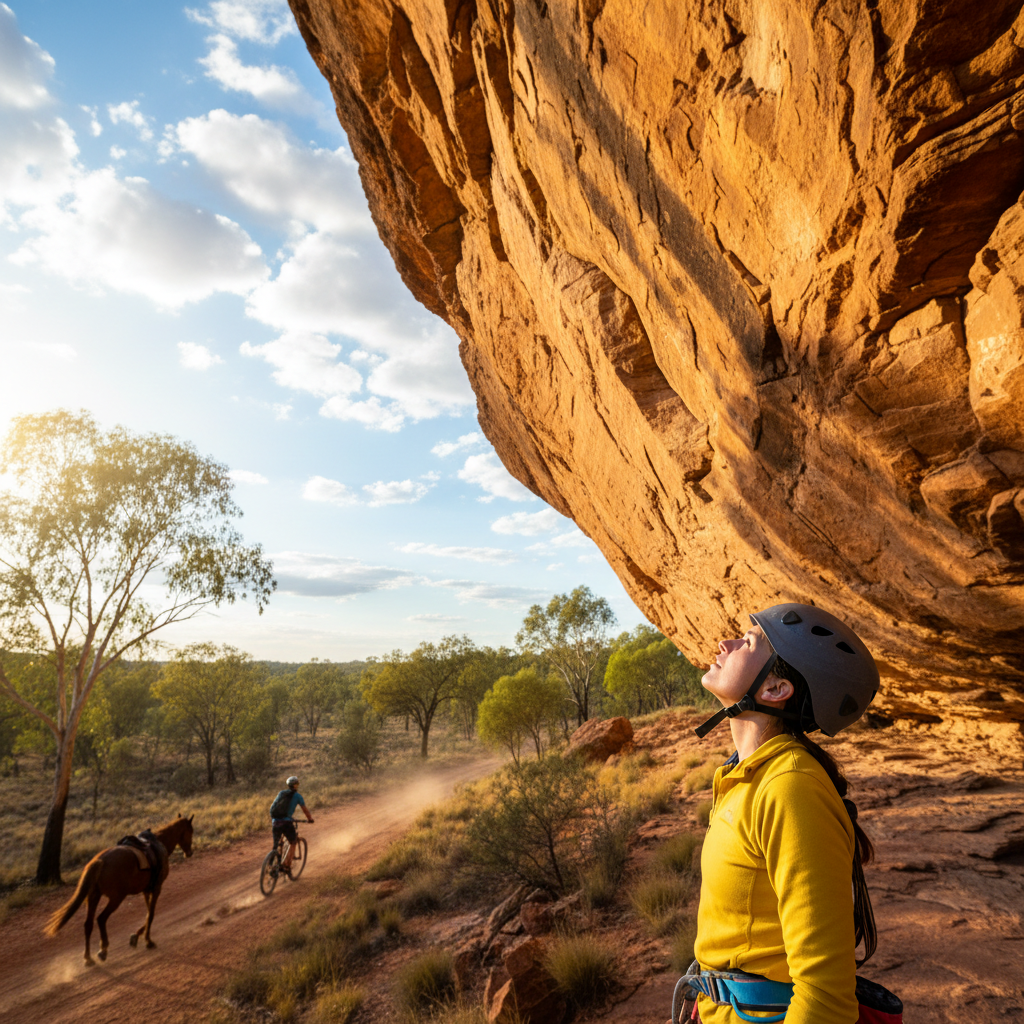
Beat the Heat: Essential Sun Safety for Australian Climbers
The Australian sun is legendary, and not always in a good way, especially when you're out on the rock. Long days, intense UV, and rising temperatures can turn a great climbing session into a battle against heatstroke and sunburn. Protecting yourself isn't just about comfort; it's about safety and performance. This guide cuts through the fluff to give you practical, real-world tips for staying cool and sun-safe while climbing, tailored for our unique conditions.
Why Heat Management Matters on the Rock
Climbing is physically demanding. Your body generates a lot of heat. When you add the external heat from the sun, especially during an Australian summer or shoulder season, your core temperature can rise dangerously fast. Dehydration is exacerbated, leading to fatigue, impaired judgment, and a higher risk of accidents. Sunburn isn't just painful; it can affect your skin's ability to regulate temperature and lead to long-term damage. Ignoring these factors is a recipe for disaster.
Common Objections and How to Smash Them:
"I'm tough, I can handle the heat." – Heatstroke doesn't discriminate. Impaired judgment from overheating can lead to critical mistakes on the wall. Respect the conditions.
"Sunscreen is sticky and gets in my eyes." – We’ll cover application and reapplication strategies, and how headwear can minimise this. Plus, consistent use prevents long-term damage.
"A helmet is already hot." – We agree. That’s why we’re focusing on how to manage that heat effectively, not just endure it.
"I don't have time for all this." – A few minutes of preparation and awareness can save you hours of recovery or worse.
Your Helmet: More Than Just Protection
Your helmet is your primary safety gear, but it can also be a focal point for heat buildup. The key is to make it work for you, not against you. Think ventilation, shade, and keeping it cool.
Choosing the Right Gear:
When selecting climbing gear, consider the climate. Lighter colours absorb less heat. Breathable fabrics are crucial for clothing. And a helmet brim? Absolutely essential for keeping the sun off your face and neck.
Our products page features gear designed with Australian conditions in mind, including helmet accessories that make a real difference in sun protection.
Pre-Climb Preparation: Setting Yourself Up for Success
Don't wait until you're on the rock to think about heat. Preparation is paramount.
Hydration is Non-Negotiable
Start early: Begin hydrating the day before your climb, not just the morning of.
Electrolytes: Plain water is good, but for long, hot days, adding electrolyte tablets or sports drinks can help replenish lost salts.
Sip, don't chug: Drink small amounts frequently. Gulping can lead to stomach discomfort.
Factor in exertion: The hotter it is and the harder you're climbing, the more you'll need to drink. Listen to your body.
Sunscreen Application: Get it Right
SPF 50+: Always choose broad-spectrum, water-resistant SPF 50+ sunscreen. Don't skimp.
Apply generously: Cover all exposed skin – face, neck, ears, back of hands, even the tops of your feet if you're wearing open footwear.
20 minutes before: Apply sunscreen at least 20 minutes before sun exposure to allow it to bind to your skin.
Reapply, reapply, reapply: This is critical. Sunscreen wears off with sweat and friction. Reapply at least every two hours, and more often if you've been sweating heavily or getting wet.
Don't forget lips: Use a lip balm with SPF.
Clothing Choice:
Lightweight, breathable: Opt for loose-fitting, light-coloured clothing made from technical fabrics that wick sweat away from your skin.
UPF protection: Look for garments with a UPF (Ultraviolet Protection Factor) rating for an extra layer of defence.
Long sleeves and pants: While it might seem counterintuitive in the heat, covering up can actually keep you cooler by protecting your skin from direct sun and allowing sweat to evaporate more slowly, providing a cooling effect.
On the Rock: Strategies for Staying Cool and Protected
Once you're climbing, the game changes. You need to adapt your strategies.
Heat Management During the Climb:
Seek shade: Plan your routes to take advantage of shaded sections, especially during the hottest parts of the day (usually 10 am to 3 pm).
Pace yourself: Avoid pushing too hard, especially in direct sun. Take breaks.
Hydration access: Keep water bottles accessible in your pack. Consider an insulated bottle to keep water cooler for longer. We often use hydration packs for easier access during climbs.
Cooling towels: A wet bandanna or a dedicated cooling towel tucked into your neck or around your head can provide significant relief.
Helmet Modifications and Accessories:
Your helmet is a key area to manage heat. The vents are there for a reason, but sometimes they're not enough. This is where accessories come in.
The Power of a Brim:
This is perhaps the most overlooked yet effective sun-protection accessory for helmets. A good helmet brim, like those you can find in our Products section, extends well beyond the typical visor. It provides:
Direct Shade: Significantly reduces glare and prevents direct sunlight from hitting your face and eyes.
Neck Protection: Many brims extend low enough to offer protection for the back of your neck, a common spot for sunburn.
Reduced Sunscreen Rub-Off: By providing a physical barrier, the brim can help keep sweat and sunscreen from running into your eyes.
Installation is a breeze. Check out our How to Install guide – it takes minutes and makes an immediate difference.
Keeping your helmet cool:
Pre-cool: If possible, keep your helmet in a shaded or cool place before you put it on.
Wet it down: A light spritz of water on the inside of your helmet (not too much to make it drip) can provide a cooling sensation as it evaporates.
UV Index Awareness:
Australia's UV index can be extreme. Even on cloudy days, UV radiation can penetrate.
What to do:
Check daily: Before heading out, check the Bureau of Meteorology or your local weather app for the UV index. Aim to climb when the UV index is low to moderate, or take extreme precautions when it's high or very high.
Plan for peak times: Avoid climbing outdoors during peak UV hours (generally 10 am to 3 pm) if the index is high.
Don't rely on clouds: Clouds offer minimal protection against UV rays.
Post-Climb Recovery: Don't Forget!
Even with the best preparation, you might still get some sun. Proper recovery is part of good sun safety.
Hydrate: Continue to drink plenty of fluids.
Cool down: Take a cool shower.
Moisturise: Use a gentle, hydrating moisturiser on any sun-exposed skin.
Check for sunburn: Inspect your skin for any redness or signs of sunburn. If you have sunburn, treat it with after-sun lotion and take pain relievers if needed.
Common Sun-Related Issues and How to Spot Them:
| Issue | Symptoms | What to Do |
|---|---|---|
| Dehydration | Thirst, dry mouth, headache, dizziness, decreased urination, fatigue, muscle cramps. | Rest in a cool place, sip water and electrolyte drinks. If symptoms are severe or don't improve, seek medical attention. |
| Heat Exhaustion | Heavy sweating, clammy skin, nausea, vomiting, dizziness, headache, weakness, muscle cramps, fast, weak pulse. | Move to a cool, shaded area, loosen clothing, apply cool, wet cloths or take a cool bath. Sip water. Seek medical attention if symptoms worsen or persist for more than an hour. |
| Sunburn | Red, painful skin, sometimes blistering. Can be accompanied by headache, fatigue, and fever. | Cool the skin with compresses or a cool bath. Apply aloe vera or a gentle moisturizer. Take pain relievers. Avoid further sun exposure until healed. Seek medical attention for severe blistering or signs of heatstroke. |
| Heatstroke | High body temperature (above 40°C), hot, red, dry or damp skin, rapid, strong pulse, throbbing headache, confusion, loss of consciousness. This is a medical emergency. | Call Triple Zero (000) immediately. While waiting for help, move the person to a cooler environment, try to cool them rapidly with cool water (if conscious and able to drink, offer water). Do NOT give fluids if unconscious. |
Essential Sun-Safety Checklist for Climbers
Before you hit the crag, run through this:
[ ] Check UV Index: Aim for low to moderate.
[ ] Hydration Pack/Bottles: Filled and accessible.
[ ] SPF 50+ Sunscreen: Applied 20 mins prior, pack for reapplication.
[ ] Lip Balm with SPF: Applied.
[ ] Helmet with Brim: Installed and secure.
[ ] Lightweight, Breathable Clothing: Covering exposed skin.
[ ] Shade Strategy: Know where you can find it on your route.
[ ] Cooling Towel/Bandanna: Optional but recommended.
[ ] Post-Climb Recovery Plan: Hydration and moisturiser ready.
Frequently Asked Questions
We get asked a lot about staying comfortable and safe in the heat. Our FAQ page has more detailed answers, but here are a few quick hitters:
How often should I reapply sunscreen when climbing?
Every two hours, or more often if sweating heavily or getting wet. Don't underestimate how much sweat can wash it away.
Can I just wear a hat instead of a helmet?
Absolutely not. In climbing, a helmet is non-negotiable for head protection. A brimmed helmet accessory is the best way to combine head protection with sun shade.
What's the best way to keep my water cool?
Use an insulated water bottle or a hydration pack with an insulated hose. Keeping it in the shade when not actively drinking helps too.
Conclusion: Climb Smart, Climb Safe
Don't let the Australian sun dictate your climbing calendar. By implementing these practical heat management and sun safety strategies, you can extend your climbing season, improve your performance, and most importantly, stay safe. A little preparation goes a long way. Make sure you're equipped with the right gear – starting with a helmet that offers superior sun protection. Check out our products and blog for more tips and gear to help you conquer the elements.
Remember, being prepared is the first step to a successful and enjoyable climb, no matter how hot it gets.