
Beat the Heat: Essential Sun Safety and Heat Management for Australian Climbers
Don't let the Aussie sun sideline your climbing. Learn practical, no-nonsense heat management and sun protection strategies to stay safe and focused on the rock, from scorching summer days to long autumn approaches.
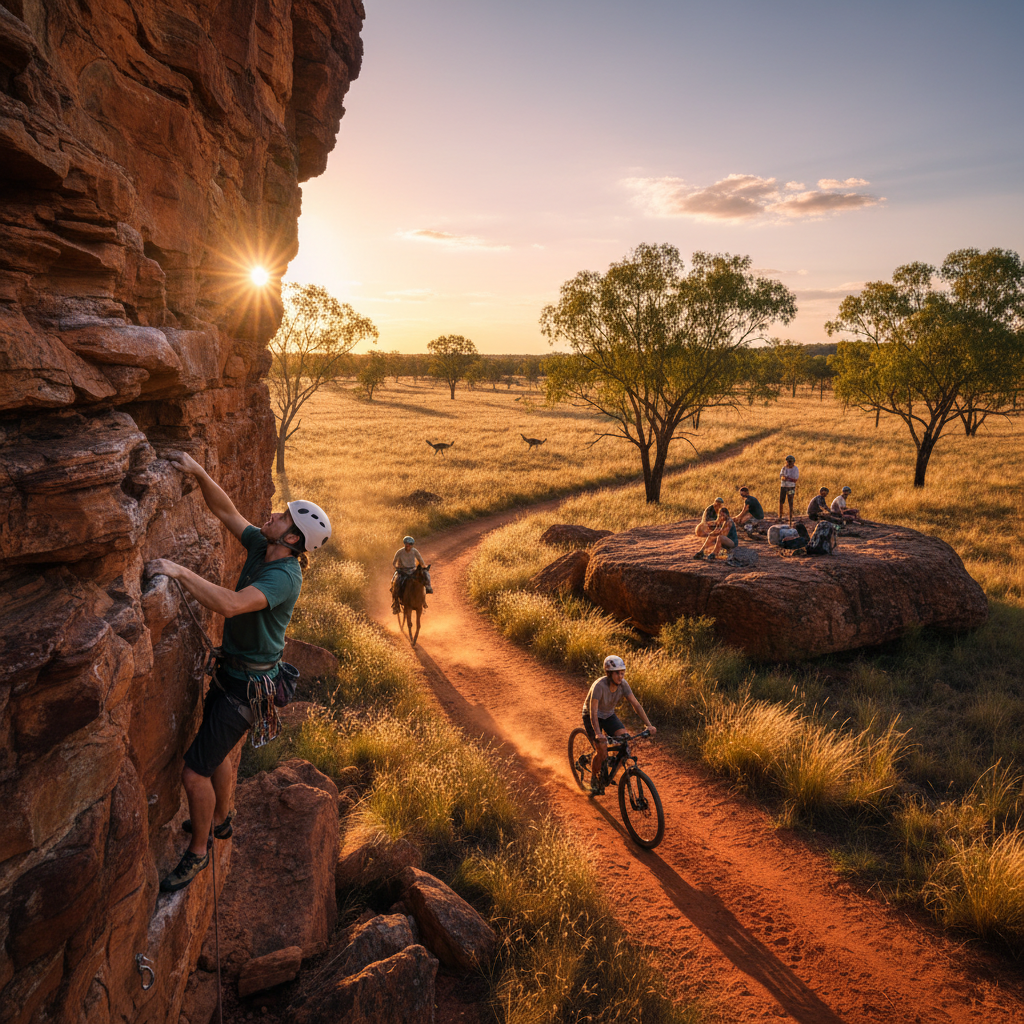
Beat the Heat: Essential Sun Safety and Heat Management for Australian Climbers
Australia. Beautiful, wild, and often brutally hot. As climbers, we crave the sun-drenched crags and long days that our continent offers. But that same sun can be your worst enemy, quickly turning a great climbing day into a dangerous mission of dehydration, heatstroke, and severe sunburn. We're not here to preach; we're here to give you the practical, no-fluff advice you need to manage heat and stay protected when you're out on the rock.
This isn't about avoiding the sun; it's about respecting it and preparing for it. Especially during the warmer months, thinking about heat management before you even leave the house is crucial. And when you're wearing a climbing helmet, which is non-negotiable on the crag, understanding how it interacts with heat and sun is vital.
The Obvious Danger: Sunburn and UV Exposure
Let's start with the basics. You know sunburn is bad. But prolonged, repeated exposure to UV radiation, even without a visible burn, is a serious health risk, contributing to skin cancer and premature aging. Climbing often means being exposed for hours on end, sometimes on reflective surfaces like granite. Helmets protect your head from falling rock, but they don't protect your neck, face, and ears from the sun.
This is where the right gear comes in. We're talking about a helmet that offers good coverage, but more importantly, something to extend that protection. Have you considered a helmet brim? It’s a simple addition, but it makes a massive difference to keeping sun off your face, neck, and even the back of your helmet, which can become a hotspot.
Objection Handling: "But I wear sunscreen!"
Sunscreen is essential, no argument there. But relying solely on sunscreen is risky. Think about it: When was the last time you perfectly reapplied sunscreen to your neck and ears every two hours while you were belaying, chalking up, or rappelling? It’s easy to miss spots, sunscreen washes off with sweat (and you'll sweat a lot on a hot Aussie climb), and frankly, it can be greasy and annoying.
Physical barriers – like wide-brimmed hats and, yes, a helmet brim – offer consistent, reliable protection that doesn't wear off. They are your first line of defence. Combine sunscreen with a brim, and you're infinitely better protected.
Heat Management: More Than Just Hydration
Heat management is a multi-faceted problem that requires a strategic approach. It's about preventing your body's core temperature from rising to dangerous levels. Your helmet, while essential for safety, can also contribute to feeling hotter if it traps heat. We need to work with your helmet, not against it, to stay cool.
Why Your Helmet Matters in Heat
Modern climbing helmets are designed with ventilation in mind. However, the tighter the fit, the less airflow. Some helmets have more vents than others. But even with good ventilation, the material of the helmet itself can absorb and radiate heat, especially in direct Australian sun. This is why shading your head and neck is so important – it reduces the heat load on the helmet and, by extension, on you.
A helmet brim extends that shading significantly. It keeps the sun off your face, reducing glare and the risk of sunburn around your eyes and forehead. Crucially, it shades your neck, an area where blood vessels are close to the surface and play a role in regulating body temperature. Keeping your neck cool can help keep you feeling more comfortable overall.
Hydration: The Absolute Non-Negotiable
This is where most people focus, and rightly so. But 'drink water' isn't a strategy, it's a basic instruction.
Pre-Hydrate: Start drinking water the day before your climb, especially if you know it’s going to be a scorcher. Don’t wait until you’re thirsty.
Sip, Don't Gulp: Drink water consistently throughout the day. Small, frequent sips are more effective than chugging large amounts at once.
Electrolytes Matter: In prolonged heat and heavy sweating, you lose more than just water; you lose salts (electrolytes). Consider electrolyte tablets or drinks, especially if you're out for more than a few hours or climbing hard routes. Plain water alone can lead to hyponatremia in extreme cases.
Know Your Urine: Your urine colour is a good indicator. Pale yellow means you're well-hydrated. Dark yellow or amber means you need to drink more.
Avoid Dehydrators: Cut back on alcohol and excessive caffeine in the days leading up to and during your climb. They can contribute to dehydration.
Other Heat Management Tactics
Clothing: Light-coloured, loose-fitting, breathable clothing is key. Long sleeves and pants might sound counterintuitive in the heat, but they can offer better UV protection and keep you cooler than bare skin if the fabric is breathable. Consider UPF-rated clothing.
Timing: Can you climb earlier in the morning or later in the afternoon? The Australian sun is relentless at midday. If you have to climb during peak heat, plan your sessions accordingly. Short, intense bursts with significant rest periods in shade are better than continuous exposure.
Shade Breaks: Actively seek out and utilise shade. Even a few minutes under a rock overhang or tree can significantly cool you down and allow your body to recover.
Cooling Towels: A damp bandana or a specialised cooling towel around your neck can work wonders. Soak it in water and place it on pulse points (wrists, neck) for an immediate cooling effect.
Integrating Your Helmet with Heat Management
Now, how does your helmet fit into this? It’s your primary safety device, so you’re not leaving it at home. But you can optimise its use.
The Helmet + Sun
Shading the Helmet: A helmet brim shades the helmet itself, reducing how much heat it absorbs from direct sun. This makes a real difference, especially if you're just resting between climbs and the helmet is still on.
Shading Your Neck: As mentioned, the extra shade provided by a brim on your neck is invaluable for comfort and heat regulation.
Visibility: A lighter-coloured helmet can absorb less heat than a dark one. Consider this when choosing gear.
The Helmet + Ventilation
Clean Vents: Regularly clean the vents on your helmet. Dust and grime can impede airflow.
Helmet Fit: Ensure your helmet fits correctly, but not so tightly that it blocks all airflow. Consult the How to Install guide for proper fitting.
Your Pre-Climb Heat & Sun Safety Checklist
Before you head out, run through this. Don't skip steps because you're in a hurry.
[ ] Check the local UV index and predicted temperature.
[ ] Pack more water than you think you'll need. Include electrolyte options.
[ ] Apply broad-spectrum sunscreen to all exposed skin (face, neck, ears, hands).
[ ] Wear light-coloured, loose-fitting clothing, preferably with UPF rating.
[ ] Ensure your helmet is clean and fits correctly.
[ ] Attach a helmet brim for extended sun and heat protection (Check our products).
[ ] Pack a hat or bandana to wear if you take your helmet off for extended breaks (e.g., during lunch).
[ ] Plan your climbing session to avoid peak sun intensity if possible.
[ ] Inform someone of your climbing plans and expected return time.
Step-by-Step: Integrating a Da Brim into Your Climbing
Want to add that crucial extra layer of sun and heat protection to your existing helmet? It's simple.
1. Choose the Right Brim: We offer various types of helmet brims designed to fit a wide range of climbing helmets. Consider the coverage you need – a wider brim offers more shade.
2. Prepare Your Helmet: Ensure the rim of your helmet is clean and dry. This will ensure the adhesive or attachment mechanism has a good hold.
3. Attach the Brim: Follow the instructions for your specific Da Brim model. Most attach easily with a strong adhesive or a clip system. Our How to Install guide provides detailed, step-by-step instructions for each type.
4. Test the Fit: Make sure the brim is securely attached and doesn't obstruct your vision or interfere with your helmet's fit. It should feel integrated.
5. Go Climbing! Head to the crag knowing you've got enhanced protection.
Long Days, Long Sun: Australian Climbing Realities
Australian climbing often means long approaches, multi-pitch routes, and extended time spent in direct sunlight. This isn't Tasmania in winter. This is the heat of the Blue Mountains in January, the sun beating down on the Grampians, or the exposed granite of Kalbarri.
Your body has limits. Pushing them in the heat leads to poor decision-making, fatigue, and increased risk of accidents. Heatstroke is a medical emergency. Symptoms can include confusion, dizziness, nausea, and a complete lack of sweating. If you or a climbing partner exhibits these signs, stop climbing immediately, get to shade, cool them down with water, and seek medical help.
Listen to Your Body: Don't ignore fatigue. If you're feeling overheated or exhausted, it's time to call it a day.
Climb with a Buddy: Having a partner who can observe you for signs of heat stress is invaluable.
Know the Symptoms: Educate yourself and your partners about the signs and symptoms of heat exhaustion and heatstroke. See our FAQ for more information.
Your Helmet is Your Shield, Da Brim is Your Shade
Your helmet is paramount for safety. Adding a Da Brim is a smart, practical upgrade for any climber who spends time in the Australian sun. It’s a simple, affordable way to significantly improve your sun and heat management strategy. Don't let the heat dictate your climbing season or compromise your safety. Be prepared, be smart, and enjoy the climb.
If you have questions about which brim is right for your helmet, or need support, check our FAQ or explore our range of helmet brims.
Remember to explore our Blog for more tips and insights on climbing safety and gear.