
Beat the Heat: Essential Sun Protection for Australian Cyclists
Climbing in the Australian summer isn't for the faint of heart. Beat the heat and protect your skin with practical advice for helmet-wearing cyclists.
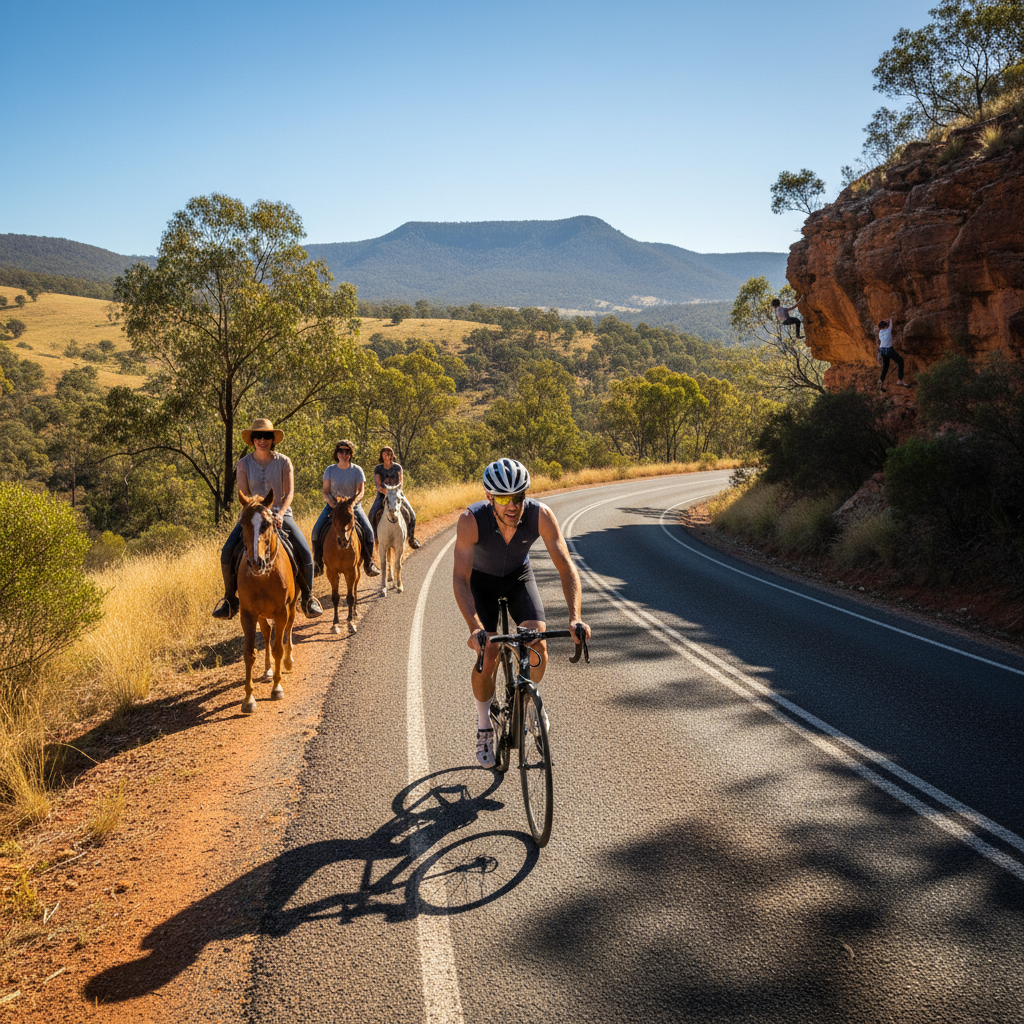
Beat the Heat: Essential Sun Protection for Australian Cyclists
Australia. Beautiful, vast, and in summer, brutally hot. We love our cycling, but those long, sun-drenched climbs can test anyone's mettle and, more importantly, their skin. As a helmet-wearing cyclist, you're already making a smart safety choice. Now, let's make sure you're protected from the sun and staying as cool as possible.
Forget battling oppressive heat and insidious UV rays. This isn't about whining; it's about riding smarter, longer, and safer under the harsh Australian sun.
The Unseen Enemy: UV Rays and Dehydration
We all know about UV. It's that invisible force that causes sunburn, premature ageing, and the Big C. On a clear Australian day, the UV index can soar. Even on partially cloudy days, a significant percentage of UV radiation can penetrate, meaning you're not truly safe just because you can't see the sun directly.
Your helmet, while protecting your head, can leave your neck, ears, and face exposed. And let's not forget dehydration and heatstroke. Pushing hard on a climb means you're sweating. Sweating is how your body cools, but if you don't replenish fluids, you're on a fast track to disaster. The Australian heat amplifies this risk, especially during extended efforts.
Common Objections and How to Handle Them
“I’ll get too hot with a brim.” This is a common concern, but often unfounded. A well-designed brim, like the da brim, actually helps keep direct sun off your face and neck, which can contribute to feeling cooler. It's more about managing direct solar radiation than airflow, although good airflow is also key. We'll get to that.
“Sunscreen is enough.” Sunscreen is vital, but it's not infallible. It wears off, you sweat it off, and it's hard to reapply effectively on the go. Physical barriers are your first and best line of defence.
“I only ride in the morning/evening.” While this reduces exposure, UV rays can still be potent, and early mornings can still get surprisingly warm. Plus, sometimes life happens, and you need to ride when the sun is high. Better to be prepared.
“My helmet is ventilated, that’s all I need.” Ventilation is crucial for cooling, but it doesn't stop UV radiation from hitting exposed areas. You need both.
Staying Cool on the Climb: Practical Strategies
This is where we get down to business. No fancy theories, just actionable steps for Australian cyclists.
1. Hydration: Your First Line of Defence
This is non-negotiable. Dehydration leads to reduced performance, heat exhaustion, and potential heatstroke. On longer rides, especially in summer heat:
Pre-hydrate: Drink plenty of water in the hours leading up to your ride. Don't chug it all at once; sip consistently.
Carry enough: For longer climbs or hot days, a single bottle might not cut it. Consider two bottles, or a hydration pack if your riding style allows and your helmet setup can accommodate it.
Electrolytes are your friend: Plain water is good, but during prolonged sweating, you lose salts (electrolytes). Consider electrolyte tabs or drinks to replenish what you're losing. This helps with hydration and muscle function.
Sip regularly: Don't wait until you're thirsty. Thirst is already a sign of mild dehydration.
2. Sun Protection Strategies
This is where we combine physical barriers with smart choices.
The Power of the Brim: A helmet brim is your direct shield against the sun. It keeps the sun off your face, neck, and even the back of your helmet, reducing direct heat absorption. The da brim is designed for this purpose, fitting securely and offering significant coverage. This isn't just about comfort; it's about preventing painful sunburn and reducing long-term skin damage.
Sunscreen Application: Even with a brim, you'll need sunscreen for exposed areas. Choose a high SPF (50+), broad-spectrum sunscreen. Apply it generously to your neck, ears, and any other skin that might be exposed. Reapply if you're on a very long ride or notice it wearing off.
Sun-Protective Clothing: While you might not wear long sleeves on a punishing climb, consider arm sleeves for days when you need extra protection. They can be pulled down or removed.
Don't Forget Your Lips: SPF lip balm is a must. Lips are particularly vulnerable to sunburn.
3. Helmet Choice and Ventilation
Your helmet is your primary safety gear. Ensure it fits correctly and is well-ventilated. Modern cycling helmets are designed with airflow in mind. The more vents, generally, the better the airflow. However, remember that ventilation alone won't protect you from UV.
Consider your helmet type: For pure climbing on hot days, a lighter, more ventilated helmet can make a difference. However, always prioritise safety standards.
Keep vents clear: Ensure the vents on your helmet aren't blocked by sweatbands or anything else.
4. Timing and Pacing
It sounds obvious, but smarter timing can make a huge difference.
Early Bird Gets the Shade: If possible, start your rides early in the morning. This allows you to get a significant portion of your ride done before the sun reaches its peak intensity. This also means less intense heat.
The Midday Torment: If you must ride in the midday sun, be extra vigilant with hydration and sun protection. Consider a more moderate pace if you're not well-acclimated.
Know Your Limits: Don't push yourself into heat exhaustion. If you're feeling unduly fatigued, dizzy, or nauseous, stop, find shade, and rehydrate. Listen to your body – it's trying to tell you something.
The [da brim] Advantage: More Than Just Shade
We understand the challenges Australian cyclists face. That’s why we developed the da brim. It’s not just a piece of plastic; it’s a functional addition designed to enhance your ride experience and protection.
Maximum Sun Coverage: Designed to extend the shade provided by your helmet, protecting your face, neck, and ears.
Lightweight and Durable: Won't weigh you down. Built to withstand the rigours of cycling.
Easy Installation: Attaches securely to most cycling helmets without tools. Check out our How to Install guide.
A Quick Checklist for Summer Climbing
Before you head out on that summer climb, run through this quick checklist:
Helmet with Brim: Securely fitted and providing adequate shade.
Hydration: Enough water/electrolytes for the ride.
Sunscreen: Applied to all exposed skin areas (face, neck, ears, lips).
Appropriate Clothing: Light, breathable fabrics. Consider arm sleeves if needed.
Knowledge of Route: Are there shaded rest stops? Water fountains?
Check the Forecast: Understand the UV index and temperature for the day.
Inform Someone: Let someone know your route and expected return time.
Step-by-Step: Optimising Your Sun Protection Gear
Let's break down the setup for a hot day's climb.
Step 1: Prepare Your Helmet System
Ensure your helmet is clean and the vents are clear. If you use a da brim, attach it securely as per the How to Install instructions.
Test the fit. A loose helmet offers less protection, and a brim shouldn't impair your vision.
Step 2: Sunscreen Application
Apply a generous layer of SPF 50+ broad-spectrum sunscreen to your face, neck, ears, and any other exposed skin. Pay attention to the back of your neck, which is often forgotten.
Don't forget your lips. Use an SPF lip balm.
Step 3: Hydration Pack/Bottles
Fill your water bottles or hydration pack. For rides exceeding 90 minutes or in extreme heat, add electrolyte tablets or powder.
Ensure bottles are securely in their cages. You don't want to lose your precious hydration on a climb.
Step 4: Clothing Check
Wear light, breathable cycling kit. Avoid dark colours that absorb more heat.
If using arm sleeves for sun protection (rather than just compression), ensure they are lightweight and breathable. You can put them on before you leave or during the initial part of the ride.
Step 5: Pre-Ride Hydration and Nutrition
Consume a good meal with carbohydrates and protein a few hours before your ride.
- Drink at least 500ml of water in the hour leading up to your departure.
Long Days, Long Climbs, Sun Safety
Australian cycling is a unique beast. We have long daylight hours in summer, which is great for ride length, but also means extended exposure to the sun. The heat can be relentless. By understanding the risks and implementing practical strategies – robust sun protection using a helmet brim like the da brim, staying rigorously hydrated, and riding smart – you can enjoy your climbs without compromising your health.
Don't let the heat and the sun dictate your ride. Take control. For more detailed information or to explore our range of products, visit our Products page or check out our FAQ. Remember, safe riding is smart riding, and smart riding is enjoyable riding. For more tips and updates, head over to our Blog.
Stay cool, stay protected, and keep those pedals turning!