
Beat the Heat: Essential Sun Protection for Australian Climbers
Don't let the scorching Australian sun cut your climbing day short. Learn practical, no-nonsense heat management and sun safety tips for helmet wearers, so you can focus on the route, not the burn.
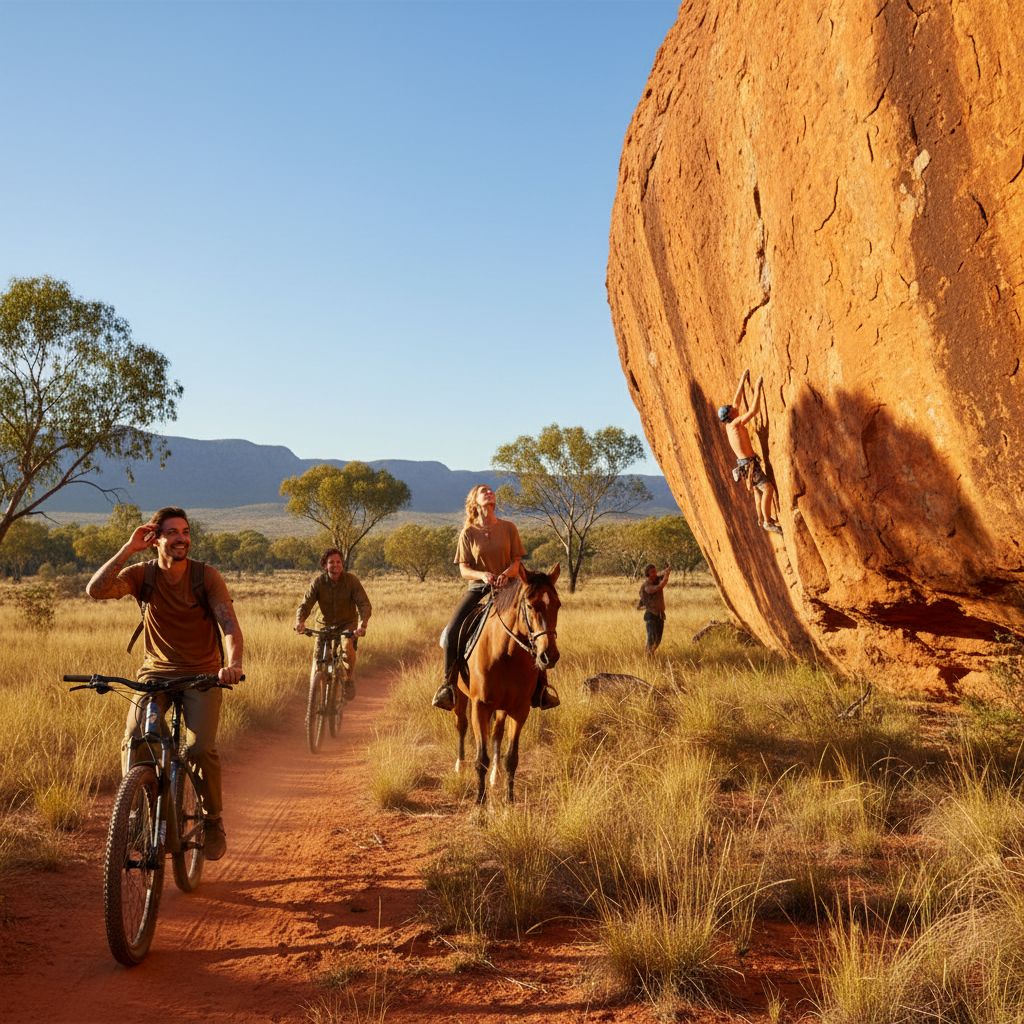
Beat the Heat: Essential Sun Protection for Australian Climbers
Australia. Beautiful, wild, and often, brutally hot. As climbers, we love the outdoors, but the harsh sun can turn an epic day on the rock into a miserable, sunburnt ordeal. High UV days, long climbing sessions, and heat radiating off the rock are all part of the game. This isn't about prettifying things; it's about practical survival so you can climb harder and longer, safely.
Many climbers think a helmet is just for falling rocks. It's not. It's also a critical piece of gear for managing the relentless Australian sun. But a standard helmet often leaves your neck and face exposed. That's where smart additions and habits come in. Let's get serious about heat management and sun safety when you're helmet on, chalk in hand.
The Core Problem: Sun Exposure When Climbing
Forget just the general idea of 'sun' – let's break down what's actually happening:
Direct UV Radiation: Even on a slightly cloudy day, UV rays can penetrate. Australia's UV index is notoriously high. These rays cause sunburn, premature aging, and significantly increase your risk of skin cancer.
Heat Buildup: Your helmet, while protecting your head, can also trap heat. Combine that with the ambient temperature, the sun beating down on your head and neck, and exertion, and you've got a recipe for heat exhaustion.
Dehydration: The hotter it is, and the more you exert yourself, the more you sweat and dehydrate. Dehydration doesn't just make you feel sluggish; it impairs your physical and cognitive performance, and in extreme cases, can be life-threatening.
Sunburn on Exposed Skin: Your face, ears, and neck are prime targets. A bad sunburn isn't just painful; it's a sign of significant skin damage.
Your Gear Arsenal: Beyond the Standard Helmet
Your helmet is your first line of defence. Making it better is key.
The Essential Add-on: A Helmet Brim
This is non-negotiable for serious Australian climbers. A good helmet brim extends shade over your face, neck, and ears. Think of it as a built-in visor for your helmet. It dramatically reduces direct sun exposure to your most vulnerable spots.
Objection Handling:
"Does it get in the way?" Maybe your first one does, if it's poorly designed. Look for one that's streamlined and designed for climbing helmets – they shouldn't impede your vision or snag easily. We've focused on practical, low-profile designs for our Products.
"Is it just a gimmick?" No. The science is simple: more shade equals less sun damage. It's a direct countermeasure to UV rays and heat gain on your head and neck.
"Will it fit my helmet?" Most quality helmet brims are designed to be universal or come with adaptable systems. Our How to Install guide shows you how easy it is for most standard climbing helmets.
What Else? Other Gear Considerations
Beyond a shaded helmet, think holistically:
Lightweight, Breathable Clothing: Long sleeves and pants are still your best friends, even in the heat, especially if they are made from UPF-rated, breathable synthetic fabrics. Cotton just holds sweat and stays hot. Look for lightweight, moisture-wicking materials.
Wide-Brimmed Hat (optional, pre/post climb): For approaches or when you're belaying without your helmet, a wide-brimmed hat offers maximum shade. Just don't wear it under your helmet – that's a recipe for heatstroke.
Sunglasses: Crucial for protecting your eyes from UV damage and reducing glare, especially on bright days.
Sunscreen: High SPF, broad-spectrum. Apply generously and reapply often, especially to any exposed skin not covered by your brim or clothing.
Pre-Climb Prep: Setting Yourself Up for Success
Don't wait until you're out on the rock to think about heat. Preparation is half the battle.
1. Hydrate, Hydrate, Hydrate: Start drinking water the day before your climb, not just the morning of. This builds a reservoir of hydration.
2. Electrolytes: On very hot days, consider an electrolyte tablet or drink. Sweating depletes salts and minerals essential for muscle function and fluid balance.
3. Know the Forecast: Check the UV index and temperature for your climbing location. Plan your climbing times accordingly. Early mornings and late afternoons are often best.
4. Pack Smart: Water bottles, electrolyte tabs, sunscreen, extra clothing layers (lightweight), and snacks that don't require refrigeration.
On the Rock: Practical Heat Management Tactics
Once you're clipped in and climbing, these strategies become your survival kit.
Hydration Strategy
Frequent Sips: Don't wait until you're thirsty. Take small sips of water every 15-20 minutes during breaks, on belay stances, or at the top of pitches. Your body needs constant replenishment.
Electrolytes: If you're sweating heavily, add electrolytes to your water to help your body reabsorb fluids more effectively.
Keep Water Accessible: Use a hydration pack with a hose or secure water bottles where you can easily reach them without compromising safety.
Shade Management
Utilise Natural Shade: Plan your climbs to take advantage of south-facing aspects or areas that get shade during certain parts of the day. This might mean adjusting your intended route or climbing an area at a different time.
Strategic Breaks: If you're on a multi-pitch route or taking a long rest, seek out any available natural shade. Even a small overhang can make a difference.
Helmet Brim is Your Mobile Shade: Position yourself so the brim is maximally effective. While climbing, it will naturally shade your face. When resting, try to angle yourself accordingly.
Clothing and Body Management
Lightweight Layers: Wear UPF-rated, long-sleeved shirts and pants made of breathable, moisture-wicking synthetic fabrics. They protect you from the sun and help wick sweat away, aiding evaporative cooling.
Damp Cloth: Carry a small, lightweight towel or bandana. Dampening it with water and placing it on your neck or forehead can provide significant cooling.
Minimise Unnecessary Exertion: Climb efficiently. Overexertion leads to faster dehydration and heat buildup.
Post-Climb Recovery: Don't Let the Heat Linger
Your work isn't done when you get back to the car.
1. Rehydrate: Continue drinking water and electrolytes. Your body has lost a lot.
2. Cool Down: Take a cool shower or bath. Apply aloe vera or moisturiser if you have any redness or mild sunburn.
3. Check Yourself: Inspect your skin for any signs of significant sunburn, especially on your neck and ears. Early detection is key.
4. Rest: Allow your body to recover. Dehydration and heat stress can take a toll.
Quick Checklist for Sun Safety on the Rock
Here’s what to run through before you even tie in:
[ ] Helmet Brim Attached & Secure: Is your shaded helmet ready?
[ ] Hydration: At least 2-3 litres of water per person for a full day, plus electrolytes if needed.
[ ] Sunscreen: SPF 50+ broad-spectrum, applied to all exposed skin.
[ ] UPF Clothing: Long sleeves and pants made of breathable, wicking fabric.
[ ] Sunglasses: Ready for spotting your next move or the walk out.
[ ] Hat (for approach/belay): Wide-brimmed if possible.
[ ] Food: Easy-to-eat, energy-boosting snacks.
[ ] Knowledge: Checked the weather and UV index for the day and location.
Common Objections & Why They're Wrong (For Australian Climbers)
“It’s too hot to climb anyway, I’ll wait for cooler weather.”
Reality: Australian summers are long. Waiting for cooler weather means missing out on many months of climbing. Smart preparation and gear allow you to climb safely even when it’s warm.
“My helmet keeps my head warm enough, I don’t need extra shade.”
Reality: Your helmet traps heat and doesn't protect your neck or face. A brim redirects sun away from these critical areas, reducing your overall heat load and UV damage. Products are designed for this.
“Sunscreen is enough.”
Reality: Sunscreen washes off with sweat, its effectiveness degrades over time, and it's often not applied thoroughly enough to all areas (especially the neck and ears when wearing a helmet). Physical barriers like clothing and a brim are far more reliable.
“I’ve always climbed in the Australian sun without issues.”
Reality: Skin damage and heatstroke are cumulative. What you don't notice now can have serious long-term consequences. It’s about proactive protection, not reactive treatment.
Step-by-Step: Ensuring Your Helmet is Sun-Ready
This isn't complicated, but requires deliberate action:
Step 1: Choose the Right Brim
Look for a brim designed to fit securely onto your specific type of climbing helmet. Durability and ease of attachment are key. Browse the options.
Step 2: Install Correctly
Follow the manufacturer’s instructions. For our brims, it's usually a simple clip or strap system. Ensure it's snug and won't dislodge during climbing. Our How to Install guide is straightforward.
Step 3: Pre-Climb Check
Before every climb, double-check that the brim is securely attached. A loose brim is ineffective and can be a hazard.
Step 4: Integrate with Sunscreen
Apply sunscreen to your face, neck, and ears before putting on your helmet. The brim works best as a primary defence, with sunscreen as a backup for any small exposed areas or as a double layer.
Step 5: Post-Climb Clean
After climbing, remove the brim and clean both it and your helmet according to their respective care instructions. This ensures longevity and hygiene.
Don't Let the Sun Win
Climbing in Australia means contending with incredible conditions, but also serious sun. Investing in a helmet brim and adopting smart heat and sun management practices isn't optional; it's essential for your health, safety, and enjoyment. Don't let a nasty sunburn or heat exhaustion cut your climbing day short. Gear up smart, stay hydrated, and keep your eyes on the prize – not the burning sun. For more advice, check out our FAQ or explore our range of sun protection solutions at Products. Happy climbing!
For more climbing tips and stories, head back to the Blog.