
Beat the Heat: Essential Sun Protection for Australian Climbers
Don't let oppressive Australian heat and relentless UV rays cut your climbing sessions short. This guide gives helmet wearers practical strategies to stay cool, protected, and focused on the rock.
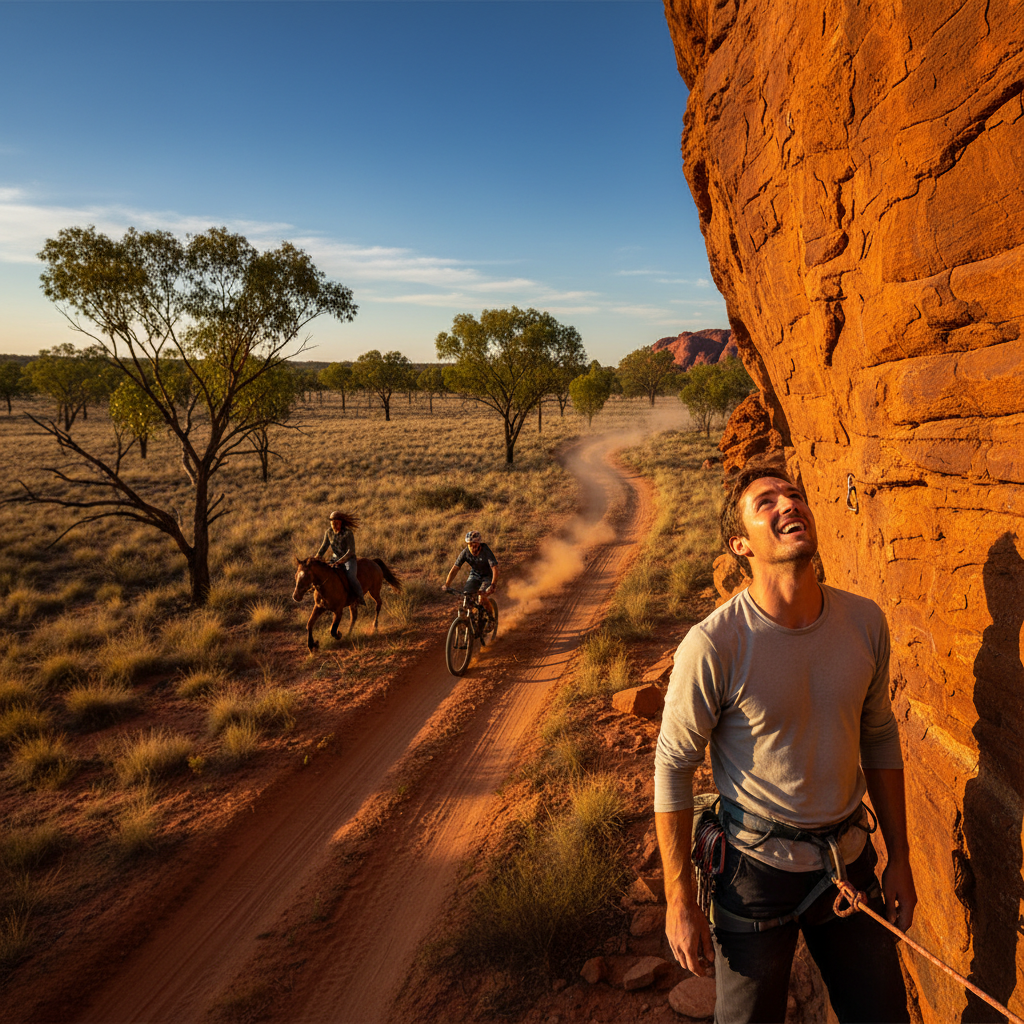
Beat the Heat: Essential Sun Protection for Australian Climbers
Australia. The sunburnt country. We love it, but it doesn't always love us back, especially when we're out pursuing our passions. For climbers, the long days, intense UV, and scorching temperatures can turn a dream ascent into a miserable ordeal, or worse, a dangerous one. Keeping cool and protected under the harsh Australian sun isn't a luxury; it's a necessity.
This isn't about fancy gadgets or unproven theories. This is about practical, no-nonsense strategies to manage heat and sun exposure while you're focused on the next hold. We'll cover how to keep your head cool, your skin protected, and your climbing stoke high, even when the mercury climbs.
The Enemy: Heat and UV in Australian Conditions
Let's be blunt. Australian sun is brutal. The UV index regularly hits extreme levels, and summer temperatures in many climbing regions soar well above 35°C. These conditions are amplified when you're wearing a helmet. Helmets, by their nature, trap heat. While essential for safety, they can become a personal sauna, leading to:
Reduced cognitive function: Dehydration and heat exhaustion impair judgment, crucial for safe climbing.
Increased fatigue: Your body expends more energy trying to cool itself.
Sunburn: Even with a helmet, exposed skin on your neck, face, and ears is vulnerable.
Heatstroke: A serious, life-threatening condition.
Decreased performance: You simply won't climb as well when you're overheated.
Think about it: you’re often exposed on routes, belaying in direct sun, or approaching climbs under a relentless midday sun. Standard helmets offer some protection, but without proactive heat and sun management, you're fighting an uphill battle.
Your Helmet: More Than Just Protection
Your helmet is your first line of defence against head injury, but it can also be part of your sun and heat management strategy. While standard climbing helmets are designed for impact resistance, not necessarily ventilation in extreme heat, you can enhance their effectiveness.
Objection Handling: "My helmet is already ventilated!"
Yes, many helmets have ventilation holes. That's good. But are they enough when you're on a long, exposed multi-pitch, or during a scorching afternoon session on a granite slab? For many, the answer is no. The heat generated by your body, combined with the direct sun hitting the helmet, can quickly overwhelm the passive ventilation. Think of it like this: a few small windows in a house in the desert still let a lot of heat in. We need to actively manage this. Furthermore, standard helmets do little to protect the sensitive skin on your neck and ears from direct sun exposure.
Objection Handling: "I'll just wear a hat under my helmet."
This is a common thought, but it often backfires. A thick cotton cap or beanie under your helmet will trap more heat and moisture, making you hotter and potentially compromising the fit and safety of your helmet. Thin, moisture-wicking skullcaps can help slightly with sweat management, but they don't address the core issue of radiant heat and direct sun on exposed skin. The best approach is to optimize your helmet setup.
Practical Heat Management Strategies for Helmet Wearers
Let's get down to brass tacks. Here are actionable steps you can take before, during, and after your climb. We're focusing on what you can control.
Before You Climb: Preparation is Key
Hydration is NON-NEGOTIABLE: Start hydrating days before a big climbing day, not just the morning of. Drink plenty of water, and consider electrolyte supplements, especially in the heat. Dehydrated climbers overheat faster and are more susceptible to heatstroke.
Timing Matters: Climb during cooler parts of the day if possible. Early mornings and late afternoons are your friends. Avoid the peak sun hours (10 am - 3 pm) for strenuous activity.
Lightweight, Light-Coloured Clothing: Wear loose-fitting, breathable, light-coloured clothing. This reflects sunlight rather than absorbing it. Long sleeves and pants offer superior sun protection to exposed skin.
Acclimatise (If Possible): If you're heading to a significantly hotter climate, try to spend a day or two getting used to the conditions before tackling demanding climbs.
Know Your Route and Conditions: Research ascents. Are they exposed? Are there shady rest spots? What's the forecast saying? Check the UV index – it’s often high in Australia, even on cloudy days.
During Your Climb: Staying Cool and Protected
1. Optimise Your Helmet System
This is where you can make a real difference. A helmet is essential, but its effectiveness against the sun can be dramatically improved.
Sun Brim Extension: This is your single most impactful addition. A good brim extension for your helmet provides shade for your face, ears, and the back of your neck – areas often missed by standard helmets. It significantly reduces direct solar radiation hitting your head and face.
Consider something like Da Brim. They are designed to fit standard climbing helmets and provide considerable shade.
Installation is straightforward. Check out How to Install for quick guidance.
Sweat Management: Even with a brim, sweat is a factor. Ensure your helmet liner is functioning well. Some helmets have removable, washable liners which can be a plus. A thin, moisture-wicking skullcap might help manage sweat dripping into your eyes, but avoid anything that adds significant bulk or insulation.
2. Strategic Cooling
Cooling Towels: A damp, cool towel (kept in a shaded spot, e.g., a cooler bag) can be a lifesaver on rest days or during belay breaks. Apply it to your neck, forehead, or wrists.
Spray Bottle: A small spray bottle filled with water can provide evaporative cooling. A quick mist on your face, neck, and arms can offer temporary relief.
Seek Shade: Whenever possible, use natural shade. During belay breaks, move to the shadiest spot available. This gives your body and your helmet a chance to cool down.
3. Pacing and Rest
Climb Smart, Not Hard: Pace yourself. Take breaks when you need them. Don't push through extreme fatigue if you suspect it's heat-related.
Hydrate Regularly: Take small, frequent sips of water. Don't wait until you're thirsty.
After Your Climb: Recovery is Crucial
Continue Hydrating: Replenish lost fluids and electrolytes.
Cool Down: Take a cool shower or bath if possible.
Rest: Give your body time to recover from exertion and heat exposure.
Table: Quick Sun and Heat Management Checklist
| Strategy | Pre-Climb | During Climb | Post-Climb |
|---|---|---|---|
| Hydration | Start days before. Electrolytes. | Sip regularly. Avoid overexertion. | Continue replenishing. |
| Timing | Plan for cooler hours (AM/PM). | Seek shade during breaks. Pacing essential. | Rest and recover. |
| Clothing | Lightweight, light-coloured, long sleeves. | As above. | As above. |
| Helmet Optimization | Ensure fit. Consider brim extension. | Utilise brim extension. Manage sweat. | Clean and dry helmet. |
| Direct Cooling | N/A | Cooling towel, spray bottle, seek shade. | Cool showers. |
| Sunscreen | Apply thoroughly to exposed skin. | Reapply as needed (neck, ears, face). | N/A |
Step-by-Step Guide: Maximising Your Helmet's Sun Protection
Many climbers don't realise how much more their helmet can do for them in terms of solar protection. Here’s how to maximise it using simple additions:
1. Assess Your Current Helmet: Does it have a decent brim? If not, or if it's very small, you're missing out.
2. Consider a Brim Extension: Look for aftermarket solutions designed to fit standard climbing helmets. Products like Da Brim attach securely and significantly extend the shaded area. This is the most effective way to shield your face, neck, and ears.
3. Install Correctly: Follow the manufacturer's instructions for attaching any add-ons. A secure fit is paramount for safety. If you're unsure, check the How to Install guide.
4. Layer Appropriately (If Necessary): If you opt for a thin skullcap, ensure it doesn't interfere with your helmet's fit or impact absorption. It should wick sweat, not add insulation.
5. Utilise During Climbs: Actively use the extended shade. Position yourself (when belaying) and your helmet to maximise the sun-blocking benefits.
6. Maintain: Keep your helmet clean and dried. If you use a skullcap, wash it regularly. Ensure any attachments remain secure.
When to Call It: Listening to Your Body
This is perhaps the most critical strategy. Sun and heat can sneak up on you. Be aware of the signs of heat exhaustion and heatstroke:
Early Signs (Heat Exhaustion): Heavy sweating, clamminess, fatigue, dizziness, headache, nausea.
Severe Signs (Heatstroke - MEDICAL EMERGENCY): High body temperature (often 40°C+), flushed skin, confusion or altered mental state, rapid pulse, throbbing headache, vomiting, unconsciousness. If you suspect heatstroke, cool the person immediately and seek urgent medical attention.
Don't ignore these symptoms. Pushing through can have severe consequences. It’s always better to have a slightly shorter climbing day than to end up in a serious situation. Your climbing partners are also responsible for looking out for each other.
Conclusion: Climb Smarter, Not Harder
We love climbing in Australia. The landscapes are unparalleled, and the challenges are immense. But we can't ignore the realities of our climate. By implementing practical, proactive strategies – from proper hydration and strategic timing to optimising your helmet setup with extensions like Da Brim – you can significantly improve your comfort and safety.
Don't let the heat dictate your climbing limits. Equip yourself with the knowledge and gear to manage the sun's intensity and stay focused on what you love. For more tips, gear information, or to explore how to enhance your helmet's protection, check out our Products and FAQ sections. Keep climbing safely and comfortably!
For more Australian climbing adventures and advice, head over to our Blog.