
Beat the Heat: Essential Sun Protection for Australian Climbers
Don't let the Aussie sun cut your climbing day short. This no-nonsense guide provides practical tips for helmet wearers to manage heat and sun exposure on the rock.
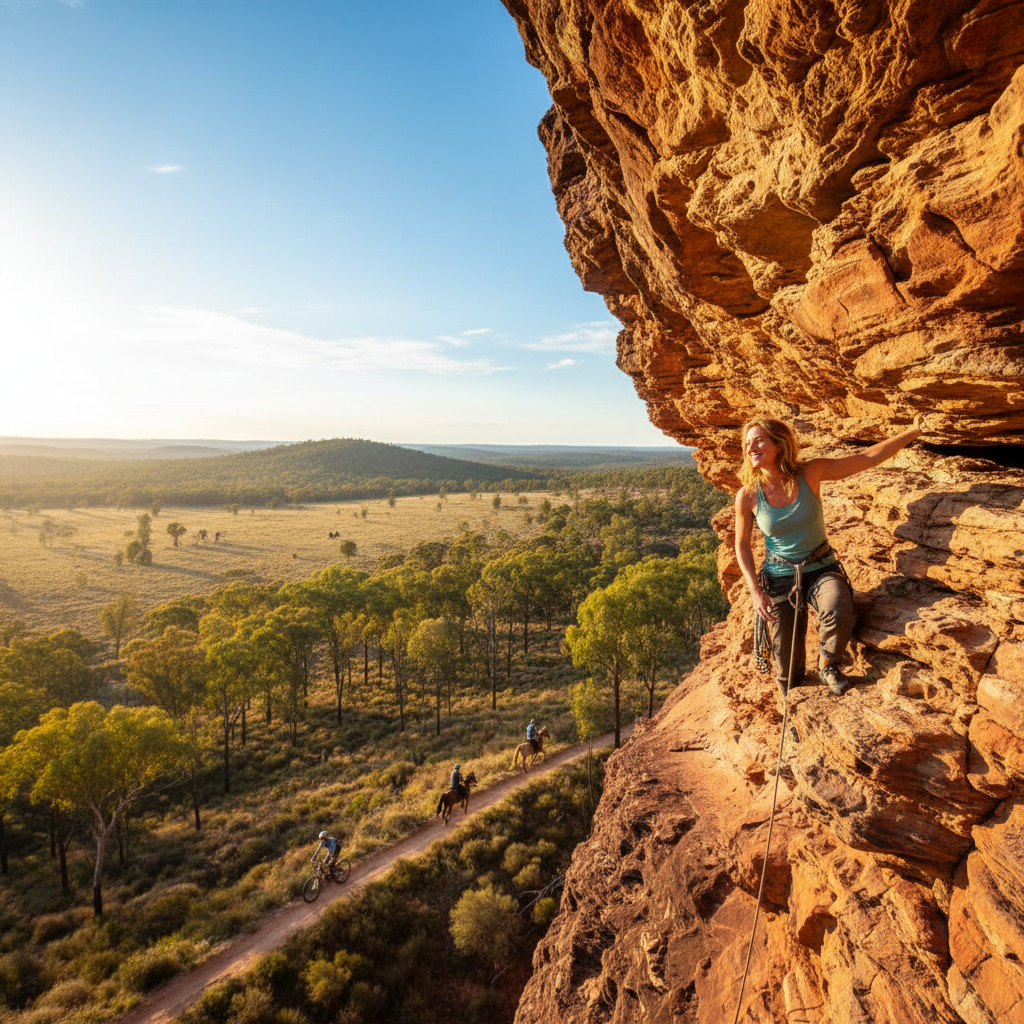
Beat the Heat: Essential Sun Protection for Australian Climbers
Australia. Beautiful country. Gnarly rock. And a sun that doesn't muck around. If you’re a climber in this country, you know the score. Long days, brutal UV, and heat that can sap your strength before you even reach the crux. Wearing a helmet is non-negotiable for safety, but that same helmet can become a personal sauna if you're not smart about it. This isn't about fancy gadgets; it's about practical, no-bullshit ways to keep your cool and your head protected when the mercury climbs.
The Problem: Your Helmet and the Aussie Sun
Let's call it what it is: your helmet, while essential for impact protection, can also be a trap for heat. The direct sun beating down on it, combined with your own body heat, creates a microclimate that can lead to discomfort, reduced performance, and even heatstroke. On a typical Australian summer day, the UV index can be extreme, and prolonged exposure, even when you're shaded, can be intense. Standing around at the base of a multi-pitch, or even just belaying during a long day at a crag, can leave you feeling cooked.
Objection Handling: "But helmets are designed to ventilate!"
Yes, most climbing helmets have vents. But let's be realistic. Those vents are designed primarily for airflow during activity, not for passive cooling when you're stationary or dealing with direct, relentless sun. Plus, the colours of most helmets absorb heat. We're talking about maximising your comfort and safety in Australian conditions. It’s not about doubting helmet design, it’s about optimising your experience.
Objection Handling: "I just wear a cap under my helmet."
A standard baseball cap under a helmet is a common tactic, but it has its limitations. It can bunch up, become uncomfortable, and often doesn't cover enough of your neck or ears. Crucially, it doesn't stop the helmet itself from absorbing and radiating heat. We're aiming for more comprehensive protection.
Practical Heat Management Strategies
Forget the science experiments. This is about actionable steps you can take before, during, and after your climbing session.
1. Hydration: The Foundation
This is non-negotiable. You must stay hydrated. Start drinking water well before you hit the crag. Continue throughout the day. Electrolyte drinks can also be beneficial on particularly hot or long days. Don't wait until you're thirsty – by then, you're already behind.
2. Strategic Timing
Can you climb earlier or later? The golden hours are often the coolest. If a climbing mission is planned for midday, reconsider. Bailing out early or starting late is a sign of smart planning, not weakness. Look for shaded aspects of the rock, especially during the hottest parts of the day.
3. Protective Accessories
This is where we can really make a difference to your helmet experience.
The Brim: A helmet brim designed for sun protection is a game-changer. It extends beyond the helmet's edge, casting a shadow over your face and neck, reducing direct solar radiation hitting your head. Look for lightweight, durable options. A good brim is like a personal umbrella for your helmet.
For a practical solution, check out our Products page for helmet brim options designed specifically for climbing helmets.
Headwear Under the Helmet: Thin, moisture-wicking headbands or caps can absorb sweat and provide an extra layer of insulation, preventing direct contact with a hot helmet shell. Look for light colours that reflect more heat rather than absorb it.
4. Cooling Techniques
Damp Cloth/Bandana: Keep a bandana or small towel in a zip-lock bag with some icy water. When you're not climbing, place it on your neck or forehead. This provides immediate, albeit temporary, relief.
Cooling Towels: These specialised towels work by evaporation. Soak them, wring them out, and place them around your neck. They can be surprisingly effective.
5. Gear Selection
Light Colours Matter: If you have a choice, opt for lighter coloured helmets and gear. They absorb less heat than dark colours.
Ventilation: While not always controllable, be aware of how your helmet's vents function. Sometimes, strategic positioning can help, but don't rely on this alone.
A Quick Checklist for a Cooler Climb
Before you even pack your bag, run through this:
[ ] Am I hydrated enough? (Start now if not)
[ ] Is the weather forecast showing extreme heat or UV?
[ ] Have I considered the timing of my climb to avoid peak heat?
[ ] Does my helmet have adequate sun protection features? (Consider a brim)
[ ] Do I have appropriate headwear to wear under my helmet?
[ ] Is my water supply sufficient for the planned duration?
[ ] Do I have any cooling aids (damp cloth, cooling towel)?
[ ] Am I wearing light-coloured, breathable clothing?
Table: Heat vs. Helmet Strategy
| Condition | Primary Concern | Recommended Strategy | Notes |
|---|---|---|---|
| High UV Index | Direct solar radiation on head/face | Use a helmet brim; wear a light-coloured cap/headband under helmet. | Sunburn on scalp is possible, even with a helmet. A brim is a significant deterrent. |
| High Ambient Temp | Heat absorption by helmet; body heat | Strategic timing (early/late); hydration; cooling aids (damp cloth, cooling towel). | Helmet vents alone won't cut it. Focus on external cooling and minimising heat absorption. |
| Long Climbing Day | Cumulative heat exposure; dehydration | Proactive hydration; breaks in shade; consider midday rest; use cooling aids. | Every minute counts when you're already depleted. Being smart about heat management extends your climbing ability and safety. |
| Windy Conditions | Can feel cooler, but still risk UV/heat | Don't rely on wind for cooling; still use sun protection measures; stay hydrated. | Wind can mask the intensity of the sun and heat. Always prioritise tested sun protection. |
Step-by-Step: Optimising Your Head for the Sun
This is a sequence for when you're at the crag, ready to go.
1. Prepare Your Headwear: If using a headscarb or cap under your helmet, ensure it's snug but not too tight and free of wrinkles. A damp bandana can offer initial cooling.
2. Install Your Brim (if applicable): Ensure your helmet brim is securely attached. If you're using a Da Brim or similar, make sure it's fitted correctly according to the instructions you can find How to Install.
3. Position Your Helmet: Make sure it fits comfortably with your under-helmet headwear. It shouldn't feel overly tight, which can restrict blood flow. The brim should be providing shade over your eyes and face.
4. Hydration Check: Take a decent gulp of water. Before you start climbing, and between pitches.
5. Strategic Breaks: When you're at the belay station or resting, take your helmet off if safe to do so and when not actively climbing or in a hazardous zone. Use this time to apply a damp cloth to your neck or forehead.
6. Ongoing Monitoring: Pay attention to how you feel. Dizziness, confusion, or excessive fatigue are warning signs of heat stress. Don't push through them. It's okay to call it a day.
When to Reassess
Don't be a hero. If the heat is genuinely unbearable and you're struggling to stay cool and hydrated, it's time to pack up. Your safety and well-being are paramount. A day cut short on the rock is better than a heat-related emergency. Always check our FAQ for more general climbing safety advice.
Conclusion: Stay Cool, Stay Safe
Climbing in Australia means respecting the sun. By implementing these practical heat management strategies, you can significantly improve your comfort and safety on the rock. A good helmet brim, proactive hydration, smart timing, and listening to your body are your best tools. Don't let the heat dictate your climbing potential. Gear up smart, climb safe.
For more tips and to explore gear that can help you stay protected, visit our Products page. And don't forget to check out other articles on our Blog for more climbing insights.