
Beat the Heat: Essential Sun Protection for Australian Climbers
Climbing under the scorching Australian sun is a serious business. Learn how to manage heat, reduce UV exposure, and stay comfortable and safe on the rock with these practical tips for helmet wearers.
Beat the Heat: Essential Sun Protection for Australian Climbers
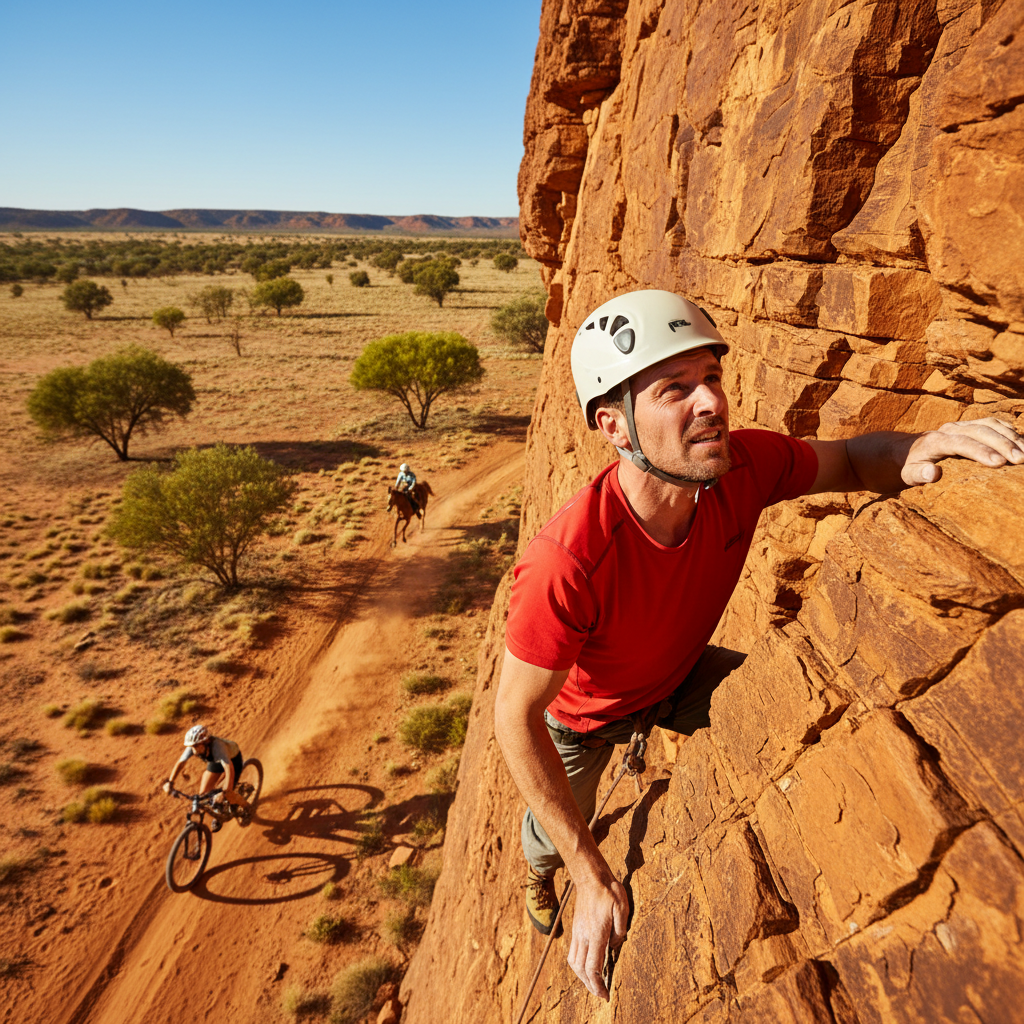
Australia. We love our outdoor lifestyle, and that includes pushing our limits on the rock face. But let's be honest, our sun isn't messing around. Long days out climbing, especially during warmer months, mean serious exposure to intense UV radiation and high temperatures. Helmet on? Good. But is your helmet doing enough to keep you cool and protected?
This isn't about fancy gear or guesswork. This is about practical, no-nonsense strategies to manage heat and sun exposure while you're focused on your next move. Whether you're cragging locally or on a multi-day expedition, understanding how to combat the sun is as crucial as your climbing shoes.
Why Sun Protection for Climbers Isn't Optional
We all know the risks of sunburn – the immediate pain, the peeling, the increased risk of skin cancer later. But for climbers, the heat and sun present immediate, performance-hindering dangers too:
Heat Exhaustion & Heatstroke: Dehydration exacerbated by direct sun exposure can lead to dizziness, nausea, confusion, and in severe cases, life-threatening heatstroke. Climbing requires focus; being unwell makes that impossible.
Reduced Cognitive Function: Even mild dehydration and overheating can impair your decision-making abilities. This is critical when you're assessing routes, making safety calls, or managing your climbing partner.
Premature Fatigue: Your body works overtime to regulate its temperature when exposed to direct sun and heat. This saps energy you need for climbing.
Sunburn on Scalp and Neck: Even under a helmet, gaps and exposure during breaks can lead to painful sunburns on your scalp, ears, and neck, which are notoriously difficult to treat and can be debilitating for days.
Eye Strain and Glare: Constant squinting under bright conditions fatigues your eyes and can even lead to headaches.
Your Helmet: More Than Just Impact Protection
Your climbing helmet is your primary safety device. But in the Australian context, it also needs to be a sun-management tool. Standard helmets often leave significant portions of your face, neck, and ears exposed.
The Problem with Standard Helmets in the Sun
Think about it: most helmets are designed with ventilation in mind, which is great for general use. However:
Limited Brim Coverage: The front brim is usually small, offering minimal shade for your face.
No Neck Protection: The back of your head and neck are wide open to direct sun.
Sunglasses Only Isn't Enough: While sunglasses are essential, they don't protect your scalp, ears, or the bridge of your nose and forehead from direct UV rays, especially when the sun is high or at an angle.
If you've ever climbed during peak UV hours and felt the sun “bake” your scalp or seen the harsh shadows cast by your helmet, you know there’s a gap in your protection.
Heat Management Strategies: Practical Tips for Climbers
Let's break down how to keep cool and protected, focusing on what you can actually do.
1. Hydration is Non-Negotiable
This is the absolute baseline. Dehydration amplifies heat issues. Don't wait until you're thirsty; that's already too late. Drink water consistently throughout the day, even when you're not actively climbing.
Carry More Than You Think You Need: Australian conditions, especially inland or during summer, demand it. A good rule of thumb is to aim for at least 1 litre per hour of strenuous activity in hot conditions.
Electrolytes Matter: For long, hot days, consider electrolyte tablets or powders to replenish salts lost through sweat.
Sip, Don't Gulp: Frequent small sips are more effective than chugging large amounts.
2. Timing is Everything
If possible, adjust your climbing schedule to avoid the harshest sun. Early mornings and late afternoons are your friends.
Sunrise to 10 AM: Often the coolest and least intense UV period.
Midday (10 AM - 3 PM): This is peak UV time. Plan for bouldering in shady spots, rest, have lunch, or tackle routes that are naturally shaded during these hours.
Late Afternoon: As the sun starts to dip, UV intensity decreases, and temperatures can become more bearable.
Consider the aspect of the cliff too. Northern aspects will be exposed to more direct sun throughout the day in Australia.
3. Shade Management
Be strategic about where you position yourself and your gear.
Utilise Natural Shade: When resting, find a shady overhang, tree, or large boulder.
Temporary Shade: A lightweight tarp or emergency blanket can be rigged up to create a communal rest spot if you're in a group.
Gear Placement: Don't leave water bottles or sensitive items in direct sun, as they can heat up to uncomfortable or even dangerous temperatures.
4. Clothing and Cover
Beyond your helmet, what you wear is crucial.
Lightweight, Loose-Fitting, UPF-Rated Clothing: These are your best defence against UV. Dark colours absorb more heat, so opt for lighter hues where possible.
Long Sleeves and Pants: Even in the heat, covering up with breathable, wicking fabric is often cooler and far safer than exposing skin to direct UV.
Hats for Rest Breaks: When off-route and not wearing your helmet, a wide-brimmed hat is essential.
5. Sunscreen and Reapplication
This isn't a substitute for shade and clothing, but a vital layer of defence.
High SPF and Broad Spectrum: Use SPF 50+ sunscreen that protects against both UVA and UVB rays.
Apply Generously and Consistently: Don't forget ears, neck, behind the knees, and the tops of your feet. Reapply every two hours, and more often if sweating profusely or swimming.
Enhancing Your Helmet's Sun Protection: The Practical Solution
This is where many climbers realise their existing setup falls short. How do you shield your face and neck while wearing your helmet? This isn't a problem unique to Australia; it's a global climbing reality. But the solution is simple and effective.
Adding a dedicated brim to your helmet is a game-changer. Not just a flimsy cap, but a purpose-built attachment designed to integrate with your helmet's structure. This provides crucial shade for:
Your Eyes: Significantly reducing glare and UV exposure.
Your Face: Protecting your forehead, nose, and cheeks.
Your Neck: Offering much-needed coverage, especially when looking up at routes.
Objections Handled: "Why not just wear a cap?"
Doesn't Integrate with Helmet: A cap worn under a helmet can be a hazard, potentially shifting or compromising the helmet fit if too bulky. A cap worn over the helmet disrupts airflow and is impractical.
Limited Coverage: Caps offer minimal neck and side protection.
Falls Off: They blow off easily in wind or during movement.
Objections Handled: "Will it get in the way?"
Designed for Purpose: A well-designed brim attaches securely and is shaped to work with your helmet, not against it. Think form-fitting. Our Products are engineered for this.
Installation is Easy: Worried about fitting it? It’s straightforward. Check out our How to Install guide – it’s designed for minimal fuss.
Objections Handled: "Is it worth the cost?"
Consider any of the following, and the cost becomes negligible:
A painful sunburn that puts you off climbing for a week.
A doctor's visit for heatstroke treatment.
Long-term skin damage and the increased risk of skin cancer.
Reduced climbing performance due to overheating and fatigue.
Investing in effective sun protection isn't a luxury; it's a smart move for your health, comfort, and performance. Visit our Products page to see the options.
Your Pre-Climb Sun Safety Checklist
Before you even leave the house, run through this:
[ ] Check the UV index for the day and location.
[ ] Pack more water than you think you'll need.
[ ] Include electrolyte supplements if climbing for extended periods.
[ ] Apply broad-spectrum SPF 50+ sunscreen generously.
[ ] Wear lightweight, UPF-rated long-sleeved clothing.
[ ] Ensure your helmet has adequate sun-shading capabilities (e.g., a fitted brim).
[ ] Pack a wide-brimmed hat for rest breaks.
[ ] Plan your climb to minimise exposure during peak UV hours where possible.
On the Rock: Staying Protected
Hydrate Consistently: Sip water regularly.
Seek Shade During Rests: Utilise natural or created shade.
Reapply Sunscreen: Every 1-2 hours, especially after sweating.
Monitor Yourself and Your Partner: Watch for signs of heat stress (dizziness, nausea, headache, excessive sweating or lack thereof).
Don't Push Through Extreme Heat: Be prepared to bail if conditions become unsafe. Your climb isn't worth a trip to the hospital. Check out our FAQ for more common concerns.
Sun Management Table for Climbers
Here’s a quick reference for different scenarios:
| Scenario | Primary Concern | Key Actions |
|---|---|---|
| Morning Climb (Cool) | UV Intensity Starting | Hydrate, sunscreen, appropriate clothing. Monitor UV increase as day progresses. |
| Midday Cragging | Peak UV & Heat | Seek shade, minimise exertion in direct sun, hydrate religiously*, ensure helmet brim provides maximum shade. |
| Long Multi-pitch | Sustained Exposure | Hydration, layered sun protection, electrolyte replacement, proactive shade use during rope management. |
| Desert Climbing | Extreme Heat & Dryness | Over-hydrate, electrolyte focus, focus on dawn/dusk, use all available shade, ensure helmet brim is effective. |
Conclusion
Climbing in Australia is an incredible experience, but it demands respect for the environment, especially the sun. Elevating your helmet's sun protection with a well-designed brim is a simple, highly effective way to significantly improve your comfort and safety.
Don't let the sun dictate your climbing days. Be prepared, be smart, and keep sending it. For more tips and product information, explore our Products and continue reading our Blog for more insights.
Remember, your safety is paramount. Prioritise sun management just as you do your belay technique. Stay cool, stay protected, and happy climbing!