
Beat the Heat: Essential Sun Protection for Aussie Miners
Working under the harsh Australian sun? Protect yourself from heatstroke and UV damage with practical strategies for helmet wearers. Learn how to manage heat exposure on site.
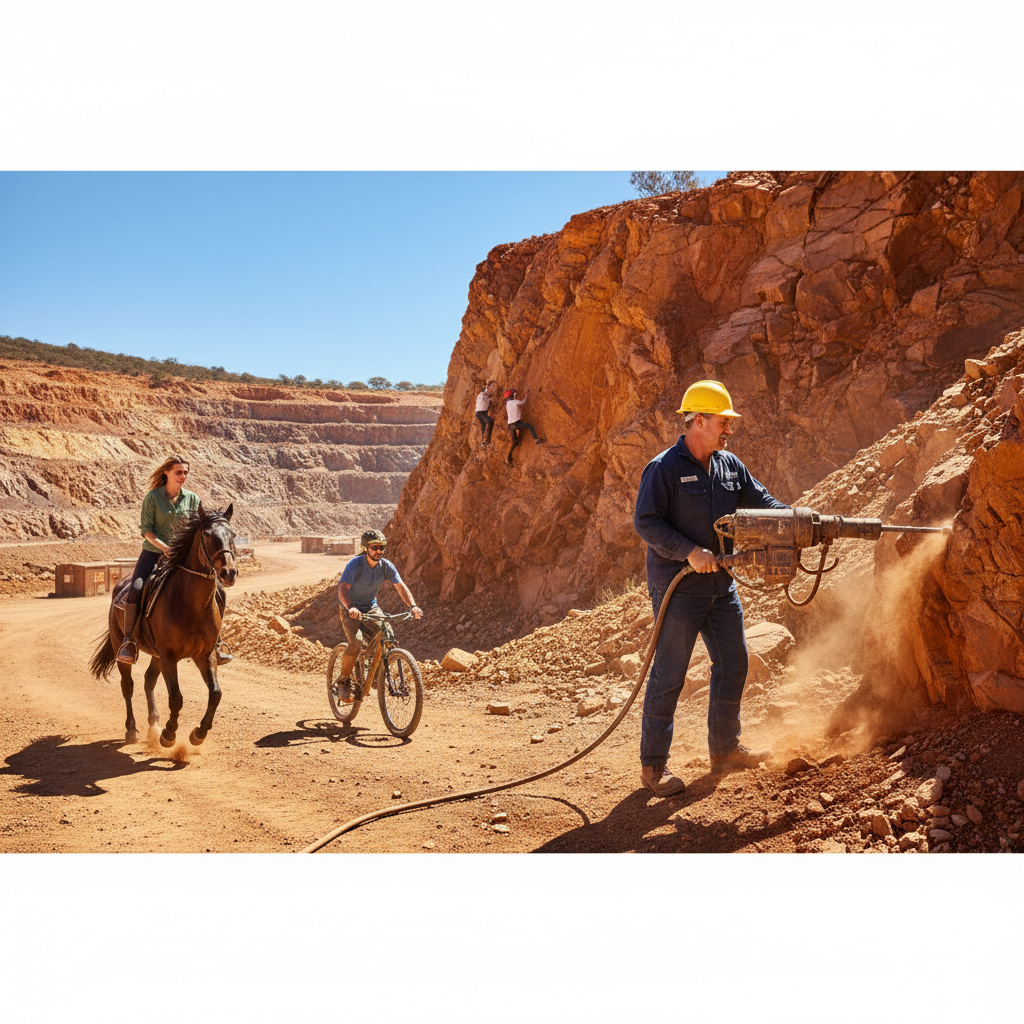
Beat the Heat: Essential Sun Protection for Aussie Miners
Working on an Australian mine site means battling more than just tough conditions. The relentless sun and extreme heat are constant threats, especially when you're wearing a hard hat all day. We're talking about high UV indexes, long shifts, and serious risks of heatstroke and long-term skin damage. This isn't about fancy theories; it's about practical, no-nonsense ways to keep yourself safe and productive. If you wear a hard hat, you need to think about sun protection.
Why Sun Protection is Non-Negotiable
Let's be blunt: Australian sun is brutal. Even on cooler days, UV levels can be dangerously high. Working outdoors for extended periods, often with limited shade, exposes you to significant risks:
Heatstroke and Heat Exhaustion: These are serious medical emergencies. Symptoms like dizziness, nausea, confusion, and a lack of sweating can set in quickly. Dehydration is a major culprit, but high ambient temperatures play a massive role.
Sunburn and Skin Cancer: Regular, unprotected sun exposure leads to sunburn. Over time, this accumulative damage significantly increases your risk of developing skin cancer, including melanoma.
Eye Damage: UV radiation can damage your eyes, leading to conditions like cataracts.
Reduced Cognitive Function: Even mild dehydration and rising body temperature can impair your concentration and decision-making, which is a major safety hazard on any mine site.
Many people think their hard hat is enough. It protects your head from Falling objects, yes, but it does very little for the sun beating down on your face, neck, and ears. This is where a serious rethink of your site safety gear is needed.
The Reality of Heat Exposure on Site
We’ve all been there: the midday sun blazing, sweat dripping, and that heavy feeling of heat exhaustion creeping in. Here’s why it’s so challenging on a mine site:
Radiant Heat: It's not just the air temperature. Sun-baked surfaces like rocks, metal, and even the ground reflect and re-radiate heat, creating a furnace effect.
Physical Exertion: Mining is physically demanding. Your body generates its own heat, and when combined with environmental heat, it’s a recipe for overheating.
Limited Breaks: Site demands and schedules can restrict opportunities for proper hydration and cooling down. Every minute counts, but so does your wellbeing.
PPE Limitations: Standard personal protective equipment, including hard hats, often offers minimal sun protection, trapping heat and light around your head and face.
Overcoming Common Objections
Let’s address some of the reasons why people might not prioritize sun and heat protection:
"My hard hat is enough." As stated, a standard hard hat offers little to no sun protection for your face, neck, and ears. You're still exposed.
"It's too hot to wear extra gear." This is a critical misunderstanding. Proper cooling and sun protection gear can help you manage heat, not worsen it. Think breathable fabrics and shade.
"I’m used to it. I’ve worked in this heat for years." This is a dangerous mindset. Cumulative UV damage and the effects of sustained heat exposure don't disappear just because you've gotten away with it before. The risk is always there, and it increases with time.
"It'll slow me down." In the short term, a few minutes spent applying sunscreen or putting on a brim might feel like lost time. In the long term, heatstroke, severe sunburn, or skin cancer will certainly slow you down – permanently.
"It's uncomfortable/looks silly." Safety shouldn't be sacrificed for comfort or aesthetics. There are practical, professional-looking solutions available.
Practical Solutions for Helmet Wearers
Your hard hat is your primary safety device for impact protection, but it doesn't have to be your only line of defence against the sun. Here's how to integrate superior sun and heat management:
1. Extend Your Shade: The Hard Hat Brim
This is the most direct and effective way to boost your helmet's sun protection. A wide-brimmed attachment or a helmet with an integrated brim significantly shields your face, neck, and ears from direct sunlight and glare.
What to look for: Wide, curved brims that cast a shadow over your entire face and extend down your neck. Materials should be durable and UV-resistant.
Installation: Many brims are designed for easy attachment to standard hard hats. If you're unsure, check out our How to Install guide. It's usually a quick clamp-on or clip-on process.
Objection handled: "It'll get in the way." A well-designed brim shouldn't obstruct your vision or range of motion. You adapt quickly, and the protection is invaluable.
2. Hydration: Your First Line of Defence Against Heat
This is fundamental. Dehydration is a silent killer on hot days.
Drink before you're thirsty: Thirst is an indicator you're already becoming dehydrated.
Sip regularly: Don't chug large amounts at once. Consistent, small sips throughout the day are more effective.
Electrolytes: On very hot days or during strenuous activity, consider electrolyte-rich drinks to replace salts lost through sweat.
Limit caffeine and alcohol: These can dehydrate you further.
3. Cooling Strategies: Beyond Just Water
When the mercury climbs, you need active cooling.
Cooling towels: Soak them in water and wear them around your neck. As the water evaporates, it cools your body.
Ventilated headwear: If your helmet allows, ensure good airflow. Some brims are designed to complement helmet ventilation.
Take advantage of shade: During breaks, sit in shaded areas. Even a few minutes can help your body regulate temperature.
4. Sunscreen: Don't Forget the Exposed Bits
Even with a brim, your ears, neck, and any exposed skin above your helmet or on your arms need protection.
High SPF: Use SPF 30 or higher, broad-spectrum sunscreen.
Water-resistant: Choose a product that can withstand sweat.
Reapply: Sunscreen wears off, especially with sweat. Reapply at least every two hours, or more frequently if sweating heavily.
5. Protective Clothing
While not directly attached to your helmet, the rest of your workwear plays a role.
Lightweight, breathable fabrics: Opt for long sleeves and trousers made of moisture-wicking materials.
UPF-rated clothing: Look for clothing with a Ultraviolet Protection Factor (UPF) rating for maximum sun defence.
A Quick Checklist for Managing Heat and Sun Exposure
Before you head to site, run through this:
[ ] Helmet equipped with wide brim addition? (Essential for face/neck shade)
[ ] Water bottle full and accessible?
[ ] Electrolyte drink packed (if needed)?
[ ] Sunscreen applied and a small tube packed for reapplication?
[ ] Cooling towel prepared or accessible?
[ ] Lightweight, UPF-rated clothing worn?
Step-by-Step Guide: Maximising Your Sun Defence on Shift
Here’s a practical routine for your workday:
Before Shift:
1. Apply Sunscreen: Liberally cover all exposed skin – face, ears, neck, hands, arms. Don't forget the back of your neck.
2. Gear Up: Put on your work clothes. Fit your helmet with its sun-protecting brim. Ensure it's securely attached.
3. Hydration Check: Fill your water bottle. If using a hydration pack, ensure it's full.
During Shift:
1. Sip Water Regularly: Aim for sips every 15-20 minutes, even if you don't feel thirsty.
2. Utilise Shade During Breaks: Find a shaded spot for your crib breaks. This is crucial for cooling down.
3. Reapply Sunscreen: Around mid-morning and mid-afternoon, reapply sunscreen, especially to your face, ears, and neck.
4. Use Cooling Towel: If you start feeling overheated, wet and apply a cooling towel to your neck or head (under your helmet if it doesn't interfere with fit or safety).
5. Monitor Yourself and Colleagues: Be aware of the signs of heat stress in yourself and your workmates. Don't hesitate to speak up if you or someone else is displaying symptoms.
End of Shift:
1. Post-Shift Hydration: Continue drinking water after your shift to rehydrate.
2. Assess Skin: Check for any signs of sunburn and apply after-sun lotion if necessary. Long-term management is key.
Product Spotlight: The Da Brim
For those wearing standard hard hats, adapting them for superior sun protection is straightforward. The Da Brim is specifically designed to clamp onto most standard hard hats, instantly providing a wide, protective brim. It's engineered to offer maximum shade without compromising your safety or field of vision. We have various styles to fit different helmet types. Check out our Products page for options and find the right fit for your headgear.
Thinking Ahead: Long-Term Health
It's not just about surviving the day; it's about protecting your health for decades to come. The cumulative effect of sun and heat exposure is significant. By implementing these practical measures today, you're investing in your long-term health and reducing your risk of serious conditions later in life. Don't leave your wellbeing to chance. Prioritise smart sun and heat management on site.
Frequently Asked Questions
Have more questions? We often get asked about specific scenarios. You can find answers to common queries on our FAQ page. It covers things like compatibility with different helmets, cleaning and maintenance, and more detailed advice on sun protection for workers.
Stay Safe, Stay Protected
Working in the Australian mining industry demands resilience, but it shouldn't come at the cost of your health. Implementing robust sun and heat protection strategies is a practical, achievable way to ensure you can do your job safely and effectively, day in and day out. Remember, the best defence is a proactive one. For more tips and information, feel free to browse our Blog section.