
Beat the Heat: Essential Sun Management for Australian Climbers
Don't let the Australian sun cut your climbing day short. Learn practical, no-BS strategies to manage heat and UV exposure while wearing your helmet. Protect your head, your skin, and your performance.
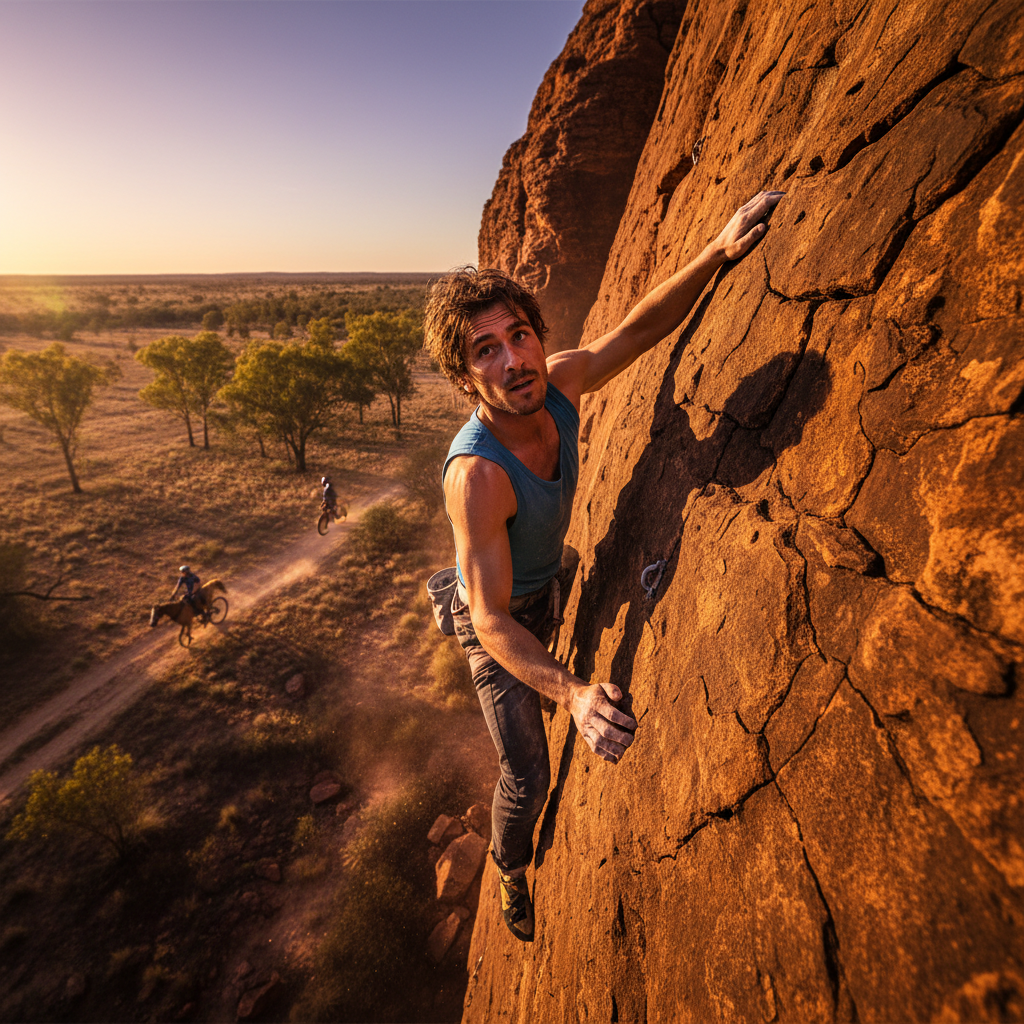
Beat the Heat: Essential Sun Management for Australian Climbers
The Australian sun means epic climbing adventures, but it also means serious heat and UV exposure. You’re already doing the smart thing by wearing a helmet. Now, let’s make sure that helmet isn't a personal sauna and that your skin is as protected as your noggin.
This isn’t about fluffy advice. It’s about practical, no-BS strategies to keep you climbing longer, safer, and more comfortably, even when the mercury climbs and the UV index is screaming.
Why Sun and Heat Management Matters (Beyond Just Comfort)
It’s easy to dismiss mild discomfort. But in Australian conditions, ignoring heat and sun can lead to:
Reduced Performance: Dehydration and overheating directly impact your physical and mental faculties. Slower reactions, reduced strength, and poor decision-making are real risks.
Heat Exhaustion & Heat Stroke: These aren’t just 'feeling a bit sick'. They can be life-threatening emergencies.
Sunburn: Beyond the immediate pain, repeated sunburn accelerates skin ageing and significantly increases your risk of skin cancer.
Eye Strain and Damage: Prolonged UV exposure can damage your eyes over time.
Your helmet is a crucial piece of safety gear. Let’s optimise it for the Australian elements.
Helmet Heat: The Elephant in the Climbing Pack
Let’s be honest: helmets, especially solid-shell ones, can get hot. Trapped air, direct sun absorption, and the absence of airflow can turn your head into a greenhouse. This is compounded in Australia where we often have long daylight hours and high ambient temperatures.
Even vented helmets can feel stuffy when you’re working hard on a sun-baked crag.
Objection Handling: "But I've always just dealt with it."
Sure, you can 'deal with it' by cutting your day short or accepting a level of discomfort and risk. But why? Modern solutions make it easier to mitigate these issues, allowing for better performance and safety. This isn't about being soft; it's about being smart and prepared for the specific challenges of climbing in our unique environment.
Objection Handling: "My helmet is good enough."
Good enough might be sufficient when you’re out for an hour. But on multi-pitch routes, long approaches in the heat, or during intense bouldering sessions under the midday sun, 'good enough' can quickly become a liability. Think about how you prepare other gear – your approach shoes, your harness. Your helmet's interaction with the sun and heat deserves the same consideration.
Practical Heat and Sun Management Strategies for Helmet Wearers
Here’s what works, tested and proven for Australian conditions:
1. Hydration: Your First Line of Defence
This is non-negotiable. Dehydration is a primary driver of heat-related illness and performance drop.
Pre-hydrate: Start drinking water well before your climb.
Sip Constantly: Don’t wait until you’re thirsty. Drink small amounts regularly throughout the day. Electrolyte drinks can be beneficial for longer, hotter days, especially if you’re sweating heavily.
Carry Enough: Underestimate your water needs? You’re wrong. Australian conditions, especially in arid or semi-arid climbing areas, demand serious water supplies.
Keep it Accessible: A hydration pack with a hose is ideal for continuous sipping. Bottles in your pack are fine, but you might drink less if they’re hard to reach.
2. Sun Protection for Your Skin
Your helmet protects your head from impact, but it doesn't cover your neck, ears, or face.
High SPF Sunscreen: Apply liberally and often. Reapply after sweating or swimming.
Protective Clothing: Long-sleeved, lightweight shirts and long pants or tights offer the best protection. Look for UPF-rated fabrics.
Sun Hats/Caps (Under the Helmet?): This is where it gets tricky. A traditional sun hat won't fit under most climbing helmets. However, thin, moisture-wicking skullcaps or bandanas can add a small layer of protection and sweat absorption.
3. Optimising Your Helmet for Heat
This is where accessory innovation comes in handy. The biggest issue is direct solar radiation heating up the helmet material and trapped air.
The Power of a Brim: A helmet brim is critical. It shades your face and neck, reducing direct sun exposure. But a standard brim can only do so much. Consider a larger, clip-on brim.
A dedicated helmet brim, like those designed to attach to most climbing helmets, can significantly extend the shade coverage over your face, neck, and even the front of your shoulders. This dramatically reduces the amount of direct solar radiation hitting your head and face, making you feel cooler and reducing sunburn risk to exposed skin.
How to Install your brim takes minutes and offers a massive improvement in sun management.
Ventilation: If your helmet has vents, ensure they aren't blocked. If you're using a brim accessory, make sure it doesn't impede airflow through the vents.
Helmet Colour: Lighter coloured helmets absorb less solar heat than darker ones. If you have a choice, go lighter.
4. Timing and Shade
It sounds obvious, but it’s often the first thing sacrificed for a 'good' climbing window.
Climb Early, Climb Late: Target the cooler parts of the day. The Australian sun is brutal between 10 am and 3 pm. Start your approaches and ascents as early as possible, and consider finishing before the peak heat if possible.
Seek Shade: Plan your rest stops. If you’re on a multi-pitch route, use ledges or overhangs for shade during breaks. If you’re at the crag, position yourselves in available shade.
5. Cooling Techniques
Damp Towel/Bandana: A wet bandana or small towel around your neck or head (if it fits comfortably under your helmet) can provide significant cooling. Re-wet it whenever possible.
Mist Spray Bottle: A small spray bottle filled with water can offer a refreshing mist when you feel yourself overheating.
Quick Checklist: Beat the Heat on the Rock
Before you head out, run through this:
[ ] Hydration Pack/Bottles Filled: Enough water for longer than you think you’ll need.
[ ] Electrolytes: For extended or intense sessions.
[ ] High SPF Sunscreen: Applied to all exposed skin.
[ ] Sun Protective Clothing: Long sleeves, long pants/tights.
[ ] Helmet Brim Attached: Maximise face and neck shade.
[ ] Headwear (Optional/Fits?): Thin skullcap or bandana if it works.
[ ] Cooling Aids: Damp towel or mist bottle.
[ ] Plan Shaded Rest Stops: Know where you'll get a break from the sun.
- [ ] Check UV Index: Be prepared for extreme levels.
A Step-by-Step Approach to a Cooler Climb
Let’s break down how to integrate these strategies into your climbing day:
Before You Leave Home:
1. Pack Smart: Gather all your sun and hydration gear. Don't forget extra water. Check that your helmet brim is securely attached. Products like additional brims can enhance your existing setup.
2. Load Up Hydration: Fill bottles or hydration bladders. Consider adding electrolyte tablets or powders if it's going to be a hot, strenuous day.
3. Apply Sunscreen: Apply a base layer of sunscreen before you even put on your climbing clothes.
On the Approach:
1. Sip Regularly: Start drinking water as soon as you're moving.
2. Wear Protective Clothing: Keep your long-sleeved shirt and pants on, even if it feels warm. The shade they provide is often better than the heat of direct sun on bare skin.
3. Helmet On: Put your helmet on before you start walking, especially on exposed trails.
At the Crag/Route:
1. Positioning is Key: If cragging, choose routes or set up your rest area in the shade if possible. If approaching a multi-pitch, assess the sun’s angle and plan your ascent to take advantage of any natural shade.
2. Continuous Hydration: Maintain regular sips of water. Reapply sunscreen if you’ve been sweating.
3. Utilise Cooling: If you have a damp bandana or mist bottle, use it during rests or on easier sections.
4. Helmet Brim in Action: Notice how the brim reduces glare and direct sunlight on your face. This alone can make a significant difference to your perceived temperature and comfort.
During Rests and Breaks:
1. Seek Shade: Consciously stop where there’s shade. This is critical for cooling down.
2. Hydrate and Rehydrate: Use breaks to catch up on fluid intake.
3. Cool Down: If you have a damp towel, place it on your neck. Refresh your bandana.
Post-Climb:
1. Assess: Check for sunburn. Rehydrate thoroughly.
2. Clean Gear: Clean your helmet (especially if it’s gotten sweaty) and other gear. Refer to your FAQ for specific cleaning advice for your helmet.
The Da Brim Difference
We've focused on practical solutions, and one of the most impactful is enhancing your helmet’s sun protection. A standard helmet brim is a good start, but for serious Australian sun conditions, consider a dedicated clip-on brim. These are designed to fit over your existing helmet and provide significantly more shade, especially to the back of the neck and shoulders – areas often missed.
This simple addition can drastically reduce your UV exposure and improve comfort, allowing you to stay out and climb longer without overheating or getting that debilitating sunburn.
Check out our range of Products designed to make your helmet work harder for you. Learn How to Install the perfect brim for your head protection setup.
Conclusion: Don't Let the Sun Win
Climbing in Australia is a privilege. The spectacular landscapes and unique rock formations are best enjoyed when you're comfortable and safe. By taking a proactive approach to heat and sun management, you can significantly improve your climbing experience. Invest in good hydration, protective clothing, and importantly, optimise your helmet with effective sun protection like a quality brim. Stay cool, stay safe, and keep climbing.
For more tips and tricks, explore our Blog.