
Beat the Heat: Essential Sun Management for Australian Climbers
Don't let extreme Australian heat and intense UV rays cut your climbing sessions short. This guide offers practical, no-nonsense advice for helmet wearers to manage heat and stay safe on the rock.
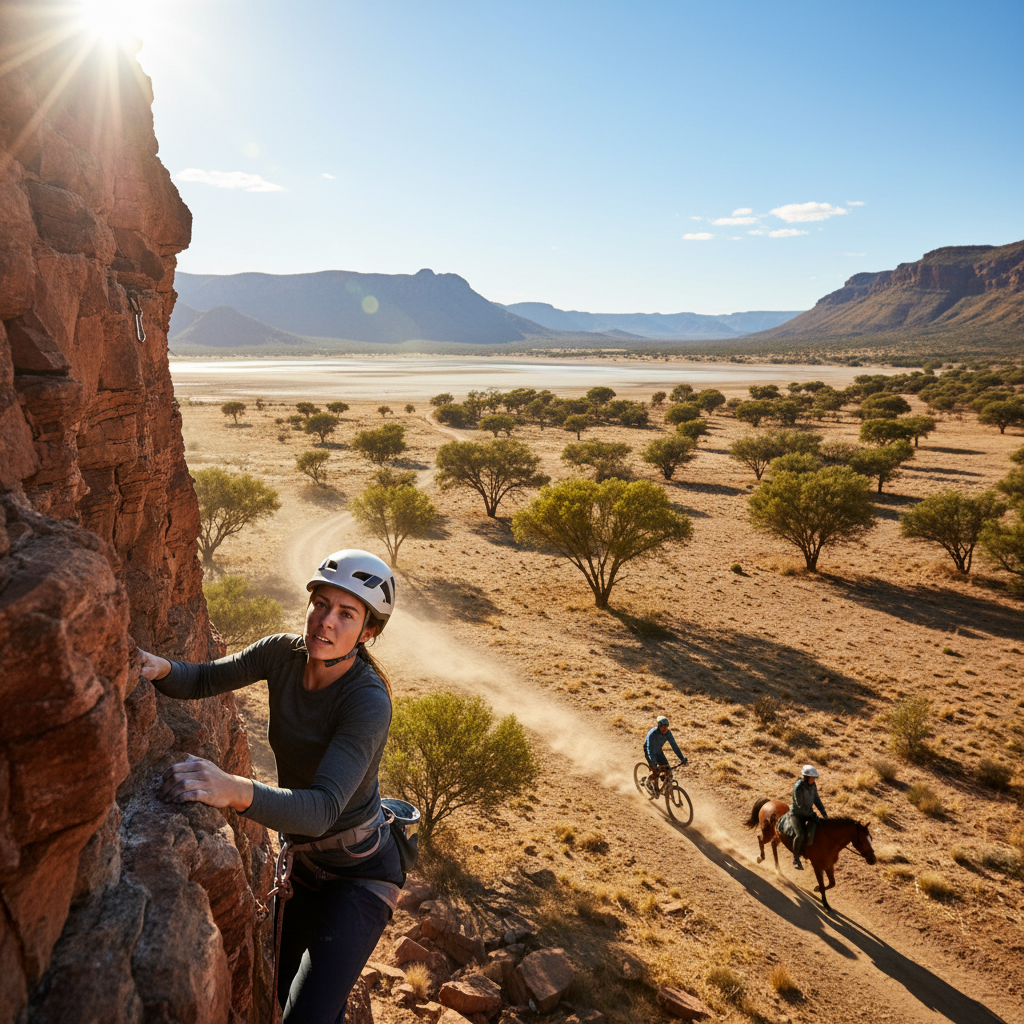
Beat the Heat: Essential Sun Management for Australian Climbers
Australia. Beautiful, vast, and often, brutally hot. For climbers, this means more than just dealing with sweaty hands. It means confronting intense UV radiation and sweltering temperatures, even on days that look deceptively mild. Your helmet is crucial for safety, but what about keeping cool and protected from the sun's relentless rays? This isn't about fancy gadgets; it's about practical, dirt-under-the-nails strategies that work when you're miles from anywhere.
We've all been there. That first pitch feels great, but by the third, you're feeling cooked. The sun beats down, the climbing helmet traps heat, and your focus starts to drift. This isn't just uncomfortable; it's dangerous. Dehydration, heat exhaustion, and sunstroke can incapacitate you quickly, especially when you're exposed on a cliff face. Let's talk about how to manage it, directly.
The Sun: Your Uninvited Climbing Partner
Australian conditions are no joke. Our UV index frequently hits extreme levels, meaning sunburn and heatstroke can happen faster than you think. Long climbing days, especially during summer and shoulder seasons, mean sustained exposure. Simply wearing a helmet isn't enough. It protects your head from impact, but the design often leaves your neck, ears, and face exposed to the sun's damaging rays, while doing little to dissipate heat.
Some of you might be thinking, "I've climbed in the heat before without issues." That's great, but complacency is a climber's worst enemy. Conditions change, your body's response can change, and pushing your limits without proper preparation is asking for trouble. This isn't about fear-mongering; it's about acknowledging reality and acting accordingly. Ignoring the sun's power is like ignoring a loose hold – eventually, it will bring you down.
Addressing the Heat Trap: Your Helmet and You
Climbing helmets are designed for impact protection and ventilation, but they can also create a personal sauna. Sweat builds up, heat has nowhere to go, and your head feels like a furnace. This impacts performance, decision-making, and ultimately, enjoyment. The solution isn't to ditch the helmet – that's non-negotiable. It's to enhance its protective capabilities where it matters most: against the sun and excess heat.
Direct sun hitting your head and neck is a major contributor to overheating. Without adequate shade, your helmet can quickly become a heat amplifier. Think about it: a dark surface absorbs heat. Even lighter coloured helmets can still get seriously hot when directly exposed to our strong sun for extended periods. This is why we need to actively manage this.
Objection Handling: Common Doubts and Realities
"I just need to drink more water." Hydration is vital, absolutely. But it's only one piece of the puzzle. You can chug litres of water, but if your head and neck are baking, your body will still struggle to regulate temperature. Direct sun exposure adds a significant heat load that water alone can't compensate for.
"I've got a lightweight, ventilated helmet." Excellent. Those vents help, but they are often insufficient when the UV index is high and the ambient temperature is climbing. They're designed for airflow during exertion, not for shielding you from direct, sustained solar radiation. A ventilated helmet is better than none, but it's not a complete solution on its own for prolonged sun exposure.
"I'm only climbing for a few hours." On a hot Australian day, "a few hours" can be more than enough to lead to heat stress. The sun's intensity doesn't care about your schedule. Don't underestimate the cumulative effect of even short bursts of intense exposure.
"I can just wear a cap underneath." A thin cotton cap will likely just get saturated with sweat, becoming less effective and potentially adding another layer of insulation. While it might offer a tiny bit more shade, it doesn't address the heat buildup within the helmet or the exposed areas like your neck. It can even hinder the effectiveness of ventilation.
Practical Heat and Sun Management Strategies
Let's get down to brass tacks. These are actionable steps you can take:
1. Pre-Climb Preparation
Check the Forecast & UV Index: Don't rely just on temperature. A high UV index (6+) means you're at serious risk. Plan your climbing times for earlier mornings or later afternoons if possible, especially during peak summer. Our long daylight hours in Australia can extend climbable times, but the sun's intensity remains fierce.
Hydrate Properly: Start hydrating 24-48 hours before your climb, not just on the day. Drink water and electrolytes.
Sunscreen: Apply a high SPF, sweat-resistant sunscreen generously to all exposed skin at least 20 minutes before heading out.
Clothing: Wear lightweight, breathable, UPF-rated clothing. Long sleeves and pants offer the best protection, even if it feels counterintuitive in the heat.
2. On the Rock Strategies
Strategic Breaks: Utilise shaded spots for rests. Even a few minutes out of direct sun can make a significant difference. Consider where the sun will be during your projected climb time and plan accordingly.
Electrolytes: Sip on electrolyte drinks throughout your climb, not just water.
Cooling Towels: A bandana or small towel soaked in cool water and tied around your neck or wiped across your forehead can provide temporary relief.
Head Down, Look Up: While climbing, your helmet is generally angled upwards. When belaying or resting, try to position yourself to minimise direct sun on your helmet and face. This is where added protection can be a game-changer.
3. Helmet Augmentation: The Game Changer
This is where you can make the biggest practical difference to your sun and heat management. Your helmet likely offers basic ventilation, but it's not designed to be a sun shield. We need to expand its protective perimeter.
The Issue: Standard climbing helmets often have limited brim coverage, leaving your face, ears, and especially your neck exposed to direct, harsh Australian sunlight. This direct exposure is a major source of heat buildup and a fast track to sunburn and heatstroke.
The Solution: Employing an effective brim extension is the simplest, most practical way to significantly improve your helmet's sun protection and heat management. It's about adding shade where your helmet doesn't provide it.
What to Look For: You need something that is lightweight, durable, easy to attach securely, and made of sun-protective material. It should extend the shaded area of your helmet without creating new hazards (like snagging).
Proper Installation: Even the best product is useless if it's not attached correctly. Take the time to How to Install your chosen brim extension properly. A secure fit means it won't move or obstruct your vision or climbing. Consult our detailed guide to ensure it's done right the first time.
Heat Management Checklist for Australian Climbers
Here’s your go-to list before and during your climb:
[ ] Pre-Hydration: Begin hydrating 24+ hours prior.
[ ] Sunscreen Application: Apply liberally to exposed skin.
[ ] UPF Clothing: Wear long sleeves and pants if possible.
[ ] UV Index Check: Assess risk (6+ is extreme).
[ ] Helmet Brim Extension: Ensure it's attached and effective.
[ ] Water & Electrolytes: Carry and consume regularly.
[ ] Shaded Rests: Plan and utilise them.
[ ] Cooling Towel/Bandana: Prepare for use.
[ ] Listen to Your Body: Recognise signs of heat stress.
[ ] Know When to Quit: Don't push through dangerous conditions.
Step-by-Step: Enhancing Your Helmet for Sun and Heat
This is about proactively modifying your gear for Australian conditions.
Step 1: Assess Your Helmet's Weaknesses. Stand in the sun. Where does the light hit your face, ears, and neck directly when wearing your helmet? Note the areas that get the most exposure, especially when you're in a belay stance or resting.
Step 2: Understand Your Needs. For Australian climbing, you need more than just a minimal extension. You need substantial shade for your face, ears, and especially your neck, which is often completely unprotected by standard helmet brims. A solution that extends downwards and backwards is key.
Step 3: Choose an Appropriate Brim Extension. Look for an option that is specifically designed for climbing helmets, prioritising lightweight, durable materials and a secure attachment system. The aim is to add significant shade without adding weight or creating snagging risks. For example, a product that extends the brim forward and provides a cape-like option for the neck and sides offers the most comprehensive protection. Browse our range of Products to see options designed for this purpose.
Step 4: Install It Correctly (and Check Often). This cannot be stressed enough. A poorly fitted brim is ineffective and potentially dangerous. Follow the dedicated How to Install guide available. Once installed, physically test it. Does it stay put when you move your head? Does it obscure your vision when looking up or down? Does it feel secure?
Step 5: Integrate into Your Routine. Make checking your helmet setup part of your pre-climb gear check. Is the brim extension attached? Is it clean and in good condition? This should become as automatic as checking your harness buckle.
Step 6: Complement with Other Strategies. Remember, the brim extension is a powerful tool, but it works best in conjunction with hydration, appropriate clothing, and smart rest strategies. Don't rely on it as your sole defence. They are all interconnected parts of your personal climate control system.
The Long Game: Sustainable Climbing in the Heat
Climbing in Australia means adapting to its unique environment. Ignoring the heat and the sun is a recipe for discomfort, reduced performance, and potential injury. By implementing these practical strategies, you're not just making your climb more bearable; you're making it safer and more sustainable.
Investing a small amount of time and effort into managing sun exposure and heat buildup can pay dividends on the rock. Think about the days you've cut short due to overheating, or the fatigue that sets in when you're simply too hot to focus. Proper gear augmentation and smart practices can extend your effective climbing time and improve your overall experience.
So, next time you're gazing at a sun-baked crag, don't just wonder if you can handle it. Prepare to conquer it. Equip yourself with knowledge, the right gear, and a plan. For more information on gear that can help, check out our Products page, and if you have questions or need specific advice, our FAQ is a great starting point. Remember to stay updated on climbing tips and gear by visiting our Blog. Don't let the heat win. Climb smart, climb safe.