
Beat the Heat: Essential Sun Management for Australian Climbers
Don't let the Australian sun sideline your climbing adventures. Get practical, no-nonsense tips for staying cool and protected, even on the hottest days. Learn how to manage heat in your helmet and keep climbing safely.
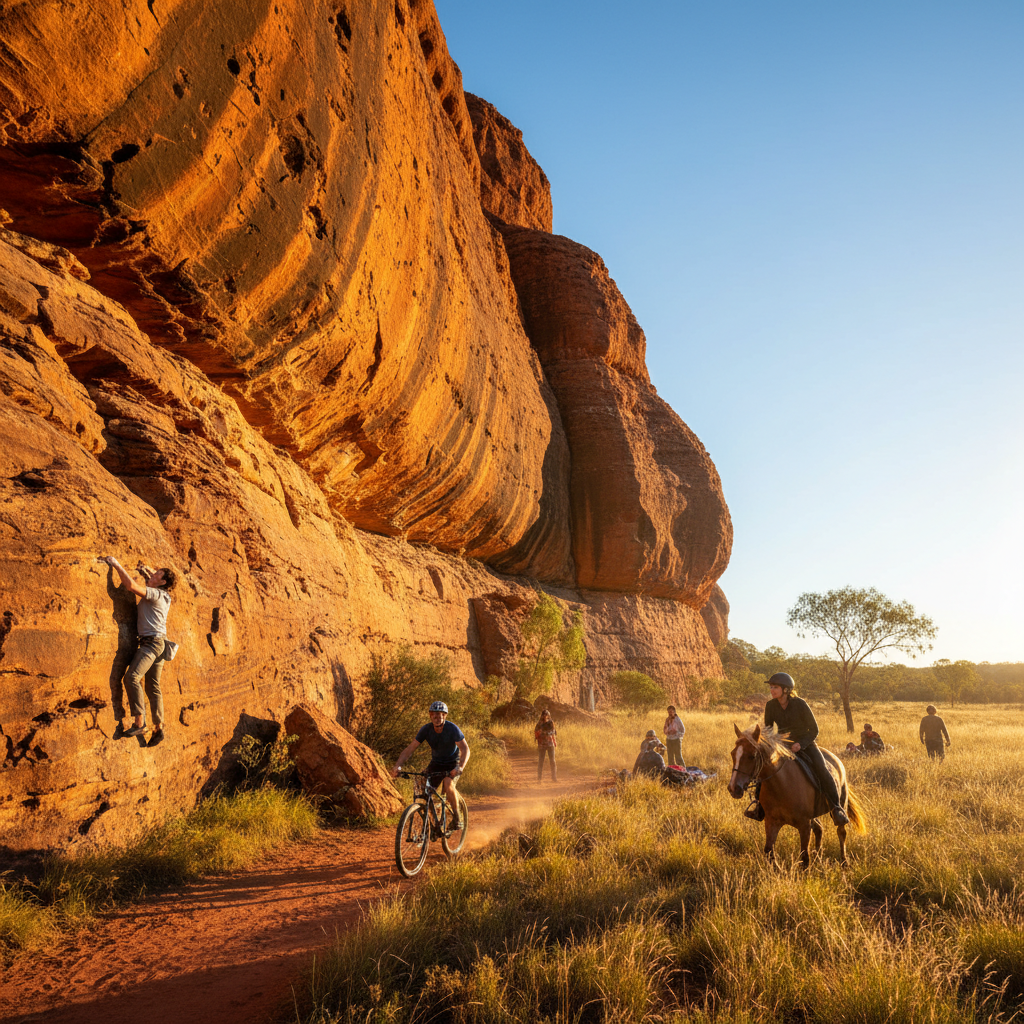
Beat the Heat: Essential Sun Management for Australian Climbers
The Australian sun is legendary. Beautiful for a beach day, but a serious challenge when you're on the rock. Long days, intense UV, and soaring temperatures can turn a great climbing session into a struggle for survival. But it doesn't have to be.
This isn't about fancy gadgets or complicated theories. This is practical, no-fluff advice for Australian climbers who want to stay on the rock and stay safe. We'll cover how to manage heat build-up in your helmet, minimise sun exposure, and make smart choices when the mercury rises.
The Problem: The Sun and Your Helmet Aren't Friends
Your climbing helmet is crucial for safety. It protects your head from rockfall and impacts. But it's also a breeding ground for heat. On a hot Australian day, that helmet can quickly become an oven, leading to:
Reduced Performance: Dehydration and heat exhaustion sap your strength and focus. Your ability to problem-solve, grip, and make crucial decisions deteriorates rapidly.
Increased Risk: Impaired judgement and physical fatigue heighten the chance of mistakes, leading to accidents.
Discomfort: Frankly, it just feels miserable. Sweaty, sticky, and overheated, you'll be dreaming of shade rather than sending your project.
Sunburn: Even with a helmet, exposed areas like your neck, ears, and face are at risk.
The higher the UV index, the faster these problems escalate. You might think you're tough enough to push through, but the sun doesn't care. It's a marathon, not a sprint, and the heat is a relentless opponent.
Objections Handled: Common Excuses and Why They Don't Cut It
"I'm used to the heat." Your body might adapt to some extent, but extreme heat still poses a risk. Pushing your limits without proper management is pure recklessness.
"I only climb for a short time." Even a short, intense climbing session under the noon sun can be enough to cause heat stress, especially combined with physical exertion.
"Just drink more water." Hydration is vital, yes. But it's only one piece of the puzzle. You can't out-drink the heat if your body is actively overheating due to a lack of ventilation.
"Helmets are too hot anyway." While some helmets are better ventilated than others, the fundamental issue is trapping heat. Add-ons designed to improve this often make a significant difference.
Practical Heat Management Strategies
Let's get down to business. Here’s how to keep your cool and climb smart in Aussie conditions.
1. Helmet Ventilation: More Than Just Holes
Your helmet’s ventilation system is designed to let hot air escape. However, the effectiveness varies greatly between models. The key is airflow over your head, not just through the helmet. This is where a well-designed brim can make a surprising difference. By creating a slight scoop and directing airflow, some brims can enhance your helmet's natural ventilation and keep your head cooler. Check out Products to see options that can improve your helmet's airflow.
2. Sunblock and Coverage IS Non-Negotiable
This is basic, but often overlooked when focused on heat. Even with a good brim, you're exposed.
High SPF Sunscreen: Apply liberally and frequently to all exposed skin – face, neck, ears, hands. Don't forget the back of your neck, a common spot for sunburn under a helmet.
Sun-Protective Clothing: Long-sleeved shirts and pants made of lightweight, breathable, UPF-rated fabric are your best friends. They offer a physical barrier against UV rays.
Hats Under Helmets? Generally, a hat under your helmet will obstruct ventilation and make you hotter. However, a very thin, sweat-wicking skullcap might be beneficial for some, primarily for sweat management. The trade-off is usually increased heat. Focus on a helmet with good ventilation and a brim for protection.
3. Hydration and Electrolytes: Sip Smart
Water is King, But Not Enough: Carry more water than you think you need. Sip regularly, even before you feel thirsty. A dehydration headache will ruin your day.
Electrolytes are Crucial: When you sweat profusely, you lose electrolytes (salts). Replenishing these is as important as water for cellular function and preventing cramps and heatstroke. Consider electrolyte powders or tablets mixed with your water.
Avoid Dehydrating Drinks: Caffeine and alcohol are diuretics. Stick to water and electrolyte drinks while actively climbing or in the heat.
4. Timing and Location: Your Greatest Allies
This is where experience and planning pay off. If you're in Australia, especially in summer, mid-day climbing is often a bad idea.
Hit it Early or Late: The coolest parts of the day are dawn and dusk. Plan your climbing sessions around these times. Many of the best crags get the afternoon sun, making them unhittable.
Seek Shade: Identify shady areas at the crag beforehand. Climbing routes that are in the shade during the hottest parts of the day is smart. Sometimes this means climbing on aspects that are less popular.
Rest in the Shade: When not climbing, get out of direct sun. Under a tree, an overhang, or a dedicated shelter. Wear a wide-brimmed hat for rest periods if you take your helmet off.
5. Helmet Add-ons: Improving What You Have
Sometimes, the helmet you have is the one you’ll use. Fortunately, you can improve its performance. The most effective way to manage heat and sun exposure while wearing your helmet is to add protection where it's needed most.
The Brim: Adding a brim to your helmet can significantly improve its sun-blocking capabilities, especially for your face and neck. It can also, counter-intuitively, improve airflow if designed correctly, by creating a venturi effect. Learning How to Install is straightforward.
6. Sweat Management: Staying Dry(er)
Sweat is your body's natural cooling mechanism. But too much can be a problem, dripping into your eyes, making your helmet slippery, and contributing to chafing.
Headbands: A good sweat-wicking headband can make a huge difference. It catches sweat before it drips down your face and into your eyes. Natural fibres like cotton can hold moisture and become heavy; opt for synthetics or merino wool that wick well.
Internal Helmet Liners/Pads: Some helmets come with removable, washable pads. Keeping these clean and possibly replacing them with more absorbent options if available can help.
Your Pre-Climb Heat Checklist
Before you even leave the house, and as you arrive at the crag, run through this:
[ ] Check the UV Index and temperature forecast.
[ ] Pack more water than you need (at least 2-3 litres per person for a full day).
[ ] Pack electrolyte supplements.
[ ] Apply high SPF sunscreen to all exposed skin.
[ ] Wear sun-protective clothing (long sleeves, long pants).
[ ] Consider a sweat-wicking headband.
[ ] Plan your climbing window (early morning/late afternoon).
[ ] Identify shady spots at the crag.
[ ] Ensure your helmet is clean and well-ventilated.
[ ] If applicable, ensure your helmet brim is securely installed for shading and potential airflow assist. Products have options.
Step-by-Step: Adapting Mid-Climb
Even with the best preparation, things can heat up. Here's what to do.
If you start feeling overheated or dizzy:
1. Stop Climbing Immediately: Don't push it. Your safety is paramount.
2. Find Shade: Get off the rock and into the coolest, shadiest spot available.
3. Remove Helmet: Let your head breathe and cool down. But keep it nearby for when you need to climb again or if there's rockfall risk.
4. Hydrate: Sip water and electrolyte drink.
5. Cool Down: If possible, use a damp cloth to wipe down your face, neck, and wrists. This can help lower your core temperature.
6. Rest: Take at least 20-30 minutes to recover. Assess your symptoms. If they worsen, consider descending or seeking assistance.
7. Reassess: Can you continue climbing safely? If you're still feeling unwell, it's time to pack up. Pushing on when heat-affected is dangerous.
Heat and Your Helmet: A Table of Considerations
| Feature | Problem | Solution |
|---|---|---|
| Helmet Material | Traps and radiates heat | Choose lighter colours where possible. Focus on ventilation. |
| Ventilation | Inadequate airflow | Use helmets with more vents, position yourself to catch breeze, consider a brim for better airflow dynamics. |
| Fit | Too tight restricts circulation | Ensure a snug but not constricting fit. Adjust straps. |
| Sun Exposure | Direct sun on exposed skin | High SPF sunscreen, UPF clothing, a helmet brim is essential for face/neck. |
| Sweat | Drips into eyes, causes chafing | Sweat-wicking headband, clean helmet pads. |
| Duration | Long exposure increases heat build-up | Climb during cooler parts of the day, take strategic breaks. |
When to Call It a Day
Listen to your body. Heat exhaustion and heatstroke are serious medical emergencies. Symptoms include:
Severe headache
Nausea and vomiting
Dizziness and confusion
Rapid pulse
Muscle cramps
Irritability
- Cool, moist skin (heat exhaustion) or hot, dry skin (heatstroke).
If you or a climbing partner experience these, stop climbing, seek shade, hydrate, and cool down. If symptoms are severe or don't improve, descend and seek medical attention. Don't be a hero; know your limits and the risks.
Final Thoughts
Climbing in Australia’s sun requires respect and preparation. By understanding the risks of heat and sun exposure and implementing practical strategies, you can extend your climbing season and enjoy the rock safely. Proper helmet use, combined with smart hydration and timing, is key. For solutions to improve your helmet's sun protection and airflow, check out our Products. Remember, the goal is to have an epic day on the rock, not to battle the elements and end up dehydrated and unwell. For more tips and information, visit our FAQ or explore other articles on our Blog.
Happy (and cool) climbing!