
Beat the Heat: Essential Sun & Heat Management for Australian Climbers
Climbing in Australia means dealing with serious sun and heat. Learn practical, no-nonsense tips to stay cool, protected, and focused on the rock, not the sweat.
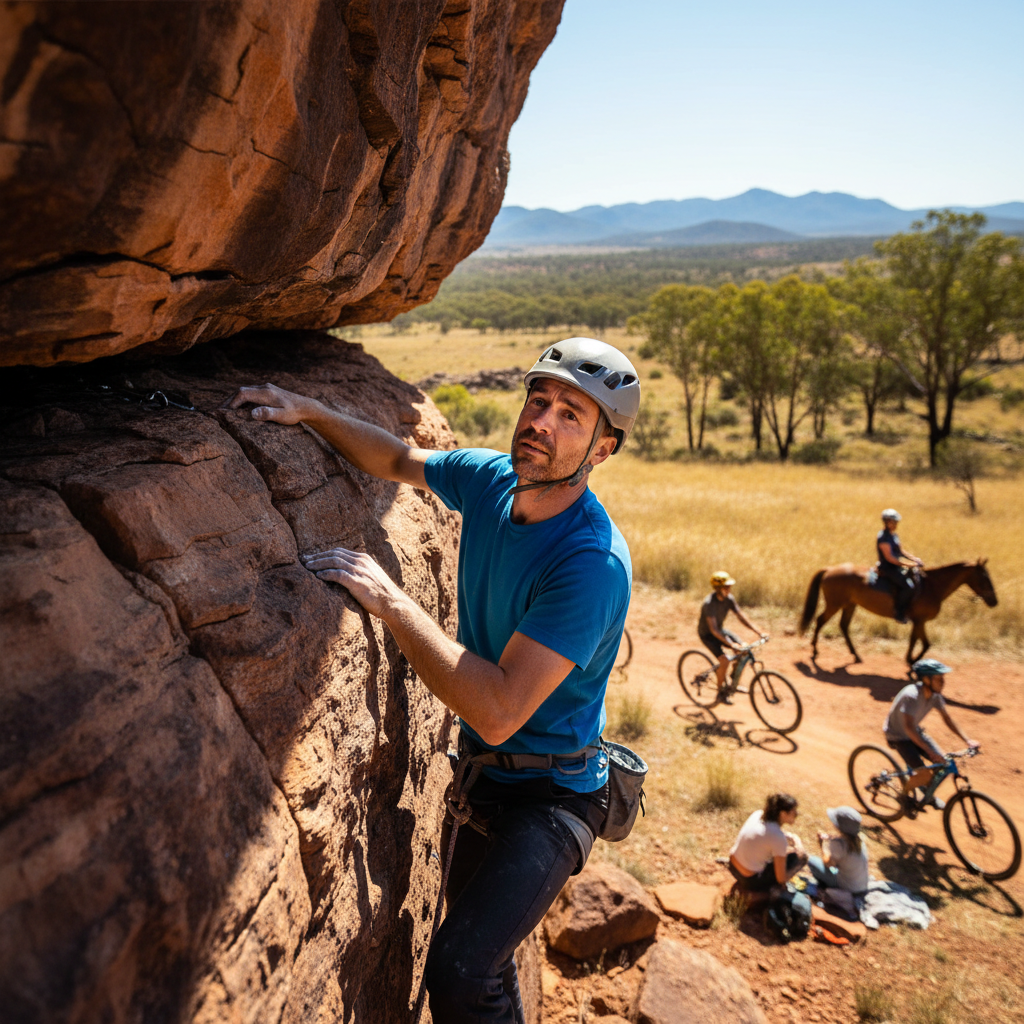
Beat the Heat: Essential Sun & Heat Management for Australian Climbers
Australia. Beautiful country, brutal sun. If you're hitting the rocks, you know that heat and sun aren't just annoying, they're performance killers and serious health risks. Long climbs under a relentless UV index mean you need more than just a helmet. You need a strategy. This isn't about fancy gadgets; it's about practical, no-fluff advice to keep you climbing strong, protected, and safe, even on the hottest days.
Why Heat and Sun Are Your Enemies on the Rock
Let's cut to the chase. Dehydration, heat exhaustion, and sunburn aren't just uncomfortable; they directly impact your climbing. Reduced concentration, impaired decision-making (critical on a multi-pitch!), muscle fatigue, and outright heatstroke are real dangers. And let's not forget the long-term skin damage. In Australia, where the sun doesn't mess around, neglecting sun and heat management is plain dumb.
Your helmet is your primary safety gear, but it can also become a sweat trap and a solar oven on your head if you're not smart about it. That's where effective heat and sun management comes in.
Practical Heat Management Strategy
This isn't theory. This is what works when you're out there, on the sharp end, facing the elements.
1. Hydration is Non-Negotiable
This is the big one. You can't climb effectively if you're dehydrated. It impairs everything.
Start Hydrated: Don't wait until you're thirsty. Drink plenty of water the day before and the morning of your climb.
Sip, Don't Gulp: Take regular, small sips from your water bottle throughout the climb. Aim for every 15-20 minutes. Constant small intake is better than one massive gulp.
Electrolytes Matter: For long days or intense heat, plain water might not be enough. Add electrolyte tablets or powders to your water. This helps replace salts lost through sweat.
Water Storage: Use insulated bottles or hydration bladders to keep your water cool. A lukewarm drink is less appealing and less effective at cooling you.
Know Your Limits: If you're feeling dizzy, nauseous, or your urine colour is dark, you're already dehydrated. Stop climbing, find shade, and rehydrate.
2. Sun Protection: Beyond the Helmet
Your helmet protects your head, but what about your face, neck, and hands? These are prime real estate for sunburn.
Sunscreen is Essential: Apply broad-spectrum SPF 50+ sunscreen liberally to all exposed skin at least 20 minutes before heading out. Reapply every two hours, or more often if sweating heavily or swimming.
Lip Balm: Don't forget your lips. Use a lip balm with SPF.
Protective Clothing: Lightweight, UPF-rated clothing is your best friend. Long sleeves and pants wick sweat and block UV rays. Light colours reflect more heat than dark colours.
Wide-Brimmed Hats (Off-Rock): When you're at the crag but not actively climbing, wear a wide-brimmed hat. This offers crucial shade for your face and neck. We'll talk about integrated solutions soon.
3. Helmet Ventilation & Sun Shield
Your helmet needs to work with you, not against you. Modern climbing helmets have vents, but they can only do so much. The real game-changer is managing the direct sun hitting your helmet and face.
Accept Heat Will Build: There's no magic bullet to make your helmet cold. The goal is to manage how much it heats up and how that heat affects you.
Maximise Airflow: Ensure your helmet's vents are clear and that you've positioned it correctly for optimal airflow. This is covered in our How to Install guide.
The Brim Advantage: This is where a good helmet brim makes a difference. A brim designed to extend forwards not only blocks direct sun from your eyes (reducing glare and fatigue) but also creates a small shaded zone over your forehead. This can make a surprising difference to your perceived temperature and comfort.
4. Strategic Climbing & Rest
Your climbing plan can also help manage heat.
Climb Early or Late: The hottest part of the day is usually between 10 am and 4 pm. Start your climbs as early as possible or climb later in the afternoon/evening if conditions permit.
Seek Shade: Plan your climbs on routes that offer shade during the hottest parts of the day, or at least sections where you can rest in shade.
Shorter Climbs: If extreme heat is forecast, opt for shorter, more intense climbs rather than long, drawn-out multi-pitch adventures.
Scheduled Breaks: Plan for breaks in the shade to cool down, rehydrate, and reapply sunscreen.
5. Cooling Techniques
When the heat is really on, a few quick cooling tricks can help.
Damp Cloth: Keep a bandana or small cloth with you. Dampen it with cool water and wear it around your neck or on your forehead during breaks.
Water Spray: A small spray bottle filled with cool water can offer a quick evaporative cooling mist during breaks.
Cool Down During Descents: If you have the luxury of a breeze on your descent, face into it. Even this can help.
Common Objections and Why They're Wrong
Let's address some common reasons people don't implement good heat and sun management.
"It's too much hassle to carry extra gear."
Reality: A water bottle, sunscreen, and electrolyte tabs are standard climbing kit. An effective helmet brim is integrated into your helmet. The "hassle" is trivial compared to heatstroke or severe sunburn. Prioritise your safety.
"I don't get affected by the sun."
Reality: This is a dangerous assumption. Everyone is affected by heat and UV, even if you tan easily. Accumulative sun damage is a serious risk. Heat exhaustion doesn't discriminate.
"My helmet is ventilated, that's enough."
Reality: Helmet vents are designed for general airflow, not for combating direct, intense Australian sunlight on your scalp and face. They help, but they're not a complete solution. Direct solar radiation will still heat your helmet and you.
"I'll just drink more water."
Reality: While crucial, hydration alone won't protect you from extreme UV radiation or prevent heat buildup on your scalp and face. It's one part of a larger strategy.
Essential Gear Checklist
Here's a quick rundown of what you need to have sorted before you leave the car:
[ ] Helmet: Ensure it fits well and has adequate ventilation. Consider aftermarket brims for enhanced shade. (See Products)
[ ] Sunscreen: SPF 50+ broad-spectrum, water-resistant.
[ ] Lip Balm: With SPF.
[ ] Water Bottles/Hydration Bladder: Plenty of it, ideally insulated.
[ ] Electrolytes: Tablets or powder for long days.
[ ] Protective Clothing: UPF-rated, lightweight, long sleeves/pants.
[ ] Wide-Brimmed Hat: For crag use.
[ ] Bandana/Cloth: For cooling.
[ ] Small Spray Bottle (Optional): For misting.
Integrated Sun & Heat Protection: The Helmet Brim
We've mentioned the brim. It's worth elaborating. Traditional climbing helmets offer minimal forehead shade. This means direct sun bakes your forehead and the top of your helmet, transferring heat directly to your head.
An extended, well-designed helmet brim, like those offered with the DaBrim system, provides crucial benefits:
1. Direct Sun Blockage: Keeps the sun's rays off your forehead and the front of your helmet.
2. Reduced Glare: Significantly improves visibility by stopping sun from hitting your eyes directly.
3. Shaded Zone: Creates a small pocket of shade just above your brow, which can make a noticeable difference to comfort and perceived temperature.
4. UV Protection: Offers an extra layer of protection against damaging UV rays on your face.
These brims are designed to attach securely to most standard climbing helmets and are lightweight. Installation is straightforward, detailed in our How to Install guide. It's a simple upgrade that offers a substantial improvement in comfort and sun protection for climbers. Check the range of Products to find the right fit for your helmet.
Step-by-Step Heat Management Plan for a Climb
Let's put it all together:
Before You Go (The Day Before & Morning Of):
1. Hydrate: Drink plenty of water. Eat well.
2. Pack Smart: Gather all your gear: helmet, sunscreen, water, electrolytes, clothing, hat.
3. Check Forecast: Note the UV index and expected temperature. Adjust your plan if necessary.
Getting to the Crag:
4. Sunscreen Application: Apply SPF 50+ sunscreen to all exposed skin at least 20 minutes before you start climbing.
5. Helmet On: Ensure your helmet is fitted correctly. If using an extended brim, ensure it's securely attached.
During the Climb:
6. Sip Water Regularly: Every 15-20 minutes, take small sips.
7. Electrolytes: If it's a long day or very hot, add electrolytes to your water.
8. Seek Shade During Rests: If possible, rest in a shaded spot.
9. Cooling Aids: Use a damp bandana or spray bottle during breaks.
10. Reapply Sunscreen: Reapply every two hours, especially after sweating.
11. Monitor Yourself & Partner: Be aware of signs of heat exhaustion or dehydration in yourself and your climbing partner.
After the Climb:
12. Cool Down: Drink more water, find shade, and cool down.
13. Check for Sunburn: Inspect skin for any signs of burning and treat accordingly.
Climbing In Australian Conditions
We live in a sunburnt country. The UV index here regularly hits extreme levels, even on cloudy days. Summer days are long, but they are also incredibly hot, especially inland and on exposed rock faces. This isn't a mild inconvenience; it's a serious operating environment. Climbing at midday in the Australian summer without proper sun and heat management is asking for trouble. Your helmet protects your head from impacts, but you need that extended brim to protect your face and scalp from the relentless sun, and you need a solid hydration and cooling strategy to manage the heat. Don't be the one to collapse from heatstroke or get severely burnt because you thought it was "too much hassle." For more tips and answers to common questions, visit our FAQ page.
Stay Cool, Stay Safe, Keep Climbing
Pragmatic sun and heat management for climbing in Australia isn't optional; it's essential. It allows you to perform better, enjoy your climbing more, and most importantly, stay safe. Invest in the right gear, plan wisely, and never underestimate the power of the Australian sun. For all your helmet protection and sun-shielding needs, browse our Products.
Remember, a bit of preparation goes a long way. Happy (and safe) climbing!
Read more useful tips on our Blog!