
Beat the Heat: Essential Strategies for Riders in the Australian Summer
Don't let the scorching Aussie sun stop you. This guide offers practical, no-nonsense advice for managing heat stress and staying safe while wearing your helmet during summer rides. From hydration to gear, we've got you covered.
Beat the Heat: Essential Strategies for Riders in the Australian Summer
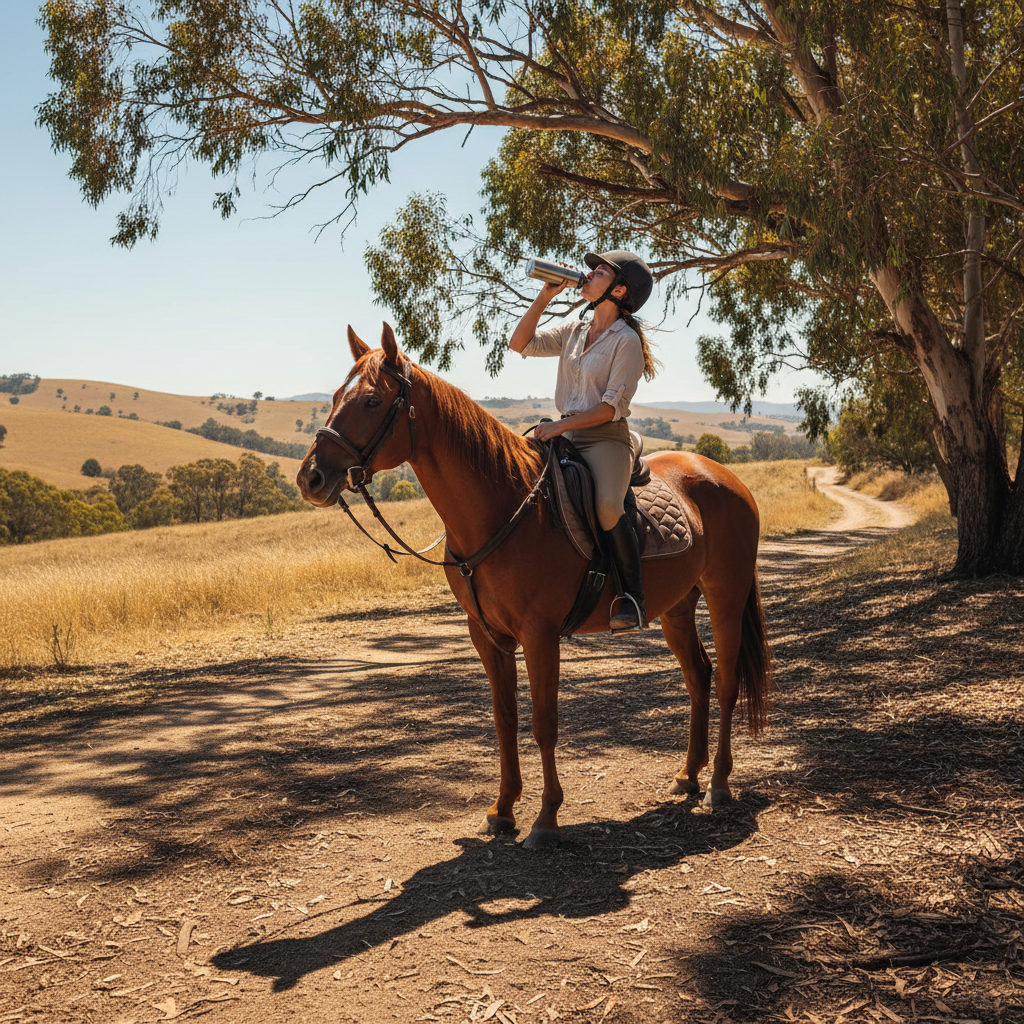
The Australian summer is legendary – long days, brilliant sunshine, and heat that can be intense. For horse riders, this means not only battling the elements but also managing the added challenge of wearing a helmet. Your helmet is non-negotiable for safety, but it can also trap heat. Letting heat stress get the better of you isn't just uncomfortable; it's dangerous. This guide cuts through the fluff and gives you practical, actionable advice to keep cool and ride safe, no matter how high the UV index climbs.
The Reality of Australian Summer Heat and Riding
We all know the feeling: the sun beating down, sweat dripping, and your helmet feeling like a personal sauna. Australian summers can bring prolonged periods of high temperatures, often coupled with intense UV radiation. Even on days that don’t feel scorching, prolonged exposure, especially when you’re physically active like riding, can lead to heat exhaustion and, in severe cases, heatstroke. Children and older adults are particularly vulnerable, but anyone can be affected.
The added layer of a helmet, while crucial for protection, can impede natural cooling processes like sweat evaporation from your scalp. This makes proactive heat management even more critical.
Why You Can't Afford to Ignore Heat Stress
Reduced Performance (Yours and Your Horse's): Heat stress impairs focus, coordination, and stamina. This affects your ability to ride effectively and safely, and your horse will struggle too.
Increased Risk of Accidents: Impaired judgment and slower reaction times due to overheating significantly raise the risk of falls or other riding incidents.
Serious Health Consequences: Heat exhaustion can manifest as dizziness, nausea, headaches, and muscle cramps. If ignored, it can escalate to heatstroke, a medical emergency requiring immediate attention.
Dehydration: The most common culprit and early symptom. You lose fluids rapidly through sweat, and if you don't replace them, your body can't regulate its temperature.
Practical Strategies to Stay Cool and Safe
Let's get down to brass tacks. These are proven methods to manage heat stress while you're in the saddle, with your helmet on.
1. Hydration is Your First Line of Defence
This cannot be stressed enough. Dehydration is the gateway to heat stress. You need to be hydrating before, during, and after your ride.
Pre-Hydrate: Start drinking water several hours before you plan to ride. Aim for clear or pale yellow urine – that’s a good indicator you’re well-hydrated.
Sip Consistently: Don't wait until you're thirsty. Carry water with you and take small, frequent sips throughout your ride. A reusable water bottle is essential. Consider an electrolyte drink or adding electrolyte tablets to your water, especially for longer rides or in extreme heat. These help replace salts lost through sweat.
Post-Hydrate: Continue drinking water and electrolytes after your ride to replenish lost fluids.
Objection Handling: "I don't like the taste of plain water." Mix in a squeeze of lemon or lime, or use flavourless electrolyte powders. There are plenty of options that don't add sugar.
Objection Handling: "I'll have to stop too often to drink." Invest in a hydration pack with a tube, or a water bottle holder that’s easily accessible on your saddle or tack. Plan your rides to include water stops if possible.
2. Smart Timing and Location Choices
Don't fight the sun; work around it.
Ride Early or Late: The hottest parts of the day are typically between 10 am and 3 pm. Schedule your rides for the cooler early morning or late afternoon/early evening. This is often more pleasant for both you and your horse.
Seek Shade: If possible, plan your rides along routes with natural shade, like tree lines or bushland. Even short breaks in the shade can make a difference.
Shorter Rides: During extreme heatwaves, consider shortening your riding sessions. It’s better to have a shorter, safe ride than a long, dangerous one.
Objection Handling: "I only have evenings free." Even an evening ride is better than a midday one. Be extra vigilant with hydration and cooling strategies if this is your only option.
3. Gear Up for Cooling
Your riding gear can be an ally or an enemy in the heat.
Helmet Ventilation: Many modern helmets feature advanced ventilation systems. Ensure yours is designed for airflow. If you're buying a new helmet, look for good ventilation as a key feature.
The Power of a Brim: A helmet brim is crucial for shading your face and eyes from the intense Australian sun. Extended brims offer even more protection from UV rays. Consider products that enhance sun protection for your helmet. A brim can significantly reduce glare and prevent sunburn on your face, which also contributes to overall heat management.
Lightweight, Breathable Clothing: Opt for light colours that reflect sunlight and choose fabrics that are breathable and wick moisture away (like performance synthetics or lightweight merino wool). Avoid dark, heavy cotton.
Cooling Accessories: Consider reusable cool packs that can be placed around your neck (not directly on your helmet liner, as this can impede airflow and be uncomfortable), or a cooling bandana soaked in water. Spray bottles filled with cool water can offer a refreshing mist.
Objection Handling: "Helmets are inherently hot." While true to an extent, smart ventilation and a good brim make a significant difference in managing that heat. Also, consider how much hotter you'd be without the sun protection a helmet and brim provide to your face and neck. Check out our products for solutions.
Objection Handling: "I don't want to look silly with cooling gear." Safety and well-being come first. A few practical cooling items are far better than succumbing to heat stress.
4. Recognise the Signs of Heat Stress
Early recognition is key to preventing serious illness. Be aware of these symptoms in yourself and your riding companions:
Heat Exhaustion: Heavy sweating, pale and clammy skin, nausea, vomiting, muscle cramps, headache, dizziness, weakness, rapid pulse.
Heatstroke (Medical Emergency): High body temperature (40°C or higher), hot, red, dry or damp skin, rapid and strong pulse, confusion, loss of consciousness, throbbing headache.
If you suspect heatstroke, seek immediate medical attention. Call triple zero (000).
Heat Stress Management Checklist
Here’s a quick rundown to ensure you’re prepared:
[ ] Hydrated before the ride.
[ ] Water/electrolytes accessible during the ride.
[ ] Riding during cooler parts of the day (early AM/late PM).
[ ] Wearing lightweight, breathable clothing.
[ ] Helmet has good ventilation.
[ ] Helmet brim is providing adequate shade.
[ ] Aware of the signs of heat stress.
[ ] Plan for breaks in the shade (if possible).
[ ] Have a communication plan (let someone know where you're going and when you'll be back).
[ ] Consider cooling accessories (cool bandanas, spray bottle).
Step-by-Step: Cooling Down Post-Ride
Even with the best precautions, you might feel the heat after your ride. Here’s how to recover effectively:
1. Remove Helmet Immediately: Get that headgear off as soon as you dismount to allow your scalp to breathe and cool.
2. Hydrate Seriously: Drink plenty of water and consider an electrolyte replacement drink.
3. Cool Showers/Sponging: A cool (not icy cold) shower or sponging down with cool water on your wrists, neck, and forehead can rapidly lower body temperature.
4. Rest in a Cool Place: Find shade or an air-conditioned area to recover.
5. Replenish Electrolytes: Continue to sip electrolyte drinks if you've been sweating heavily.
Helmets and Heat: Solutions You Can Trust
Your helmet is paramount. Ensure it fits correctly and meets Australian safety standards. For those concerned about heat, explore options that offer superior ventilation without compromising safety. A well-designed helmet, combined with a suitable brim for sun protection, is your best bet.
Learn more about choosing the right headwear and maintaining its safety by checking our FAQ. If you're looking to enhance your helmet's sun protection, explore our range of products, including innovative brim solutions.
Ongoing Safety and Information
Staying informed is part of riding safely. Regularly check the Bureau of Meteorology for weather forecasts and the UV index. Understand that even on cloudy days, UV radiation can be high.
For more tips on equestrian safety and riding in various conditions, visit our Blog. We cover a range of topics to help you ride smarter and safer year-round.
Conclusion
Australian summers are glorious for riding, but they demand respect. By prioritising hydration, smart timing, appropriate gear, and recognising the signs of heat stress, you can enjoy your time in the saddle while keeping yourself safe. Don't let the heat dictate your riding season – manage it effectively and ride on safely. Remember, your safety, and your horse's well-being, are always the top priorities. Stay cool, stay hydrated, and ride smart.