
Beat the Heat: Essential Strategies for Helmeted Riders in Australian Summer
Riding in the Australian summer means serious heat and UV. Learn practical, no-nonsense tips to manage heat stress while wearing your helmet. Protect your head, your health, and your ride.
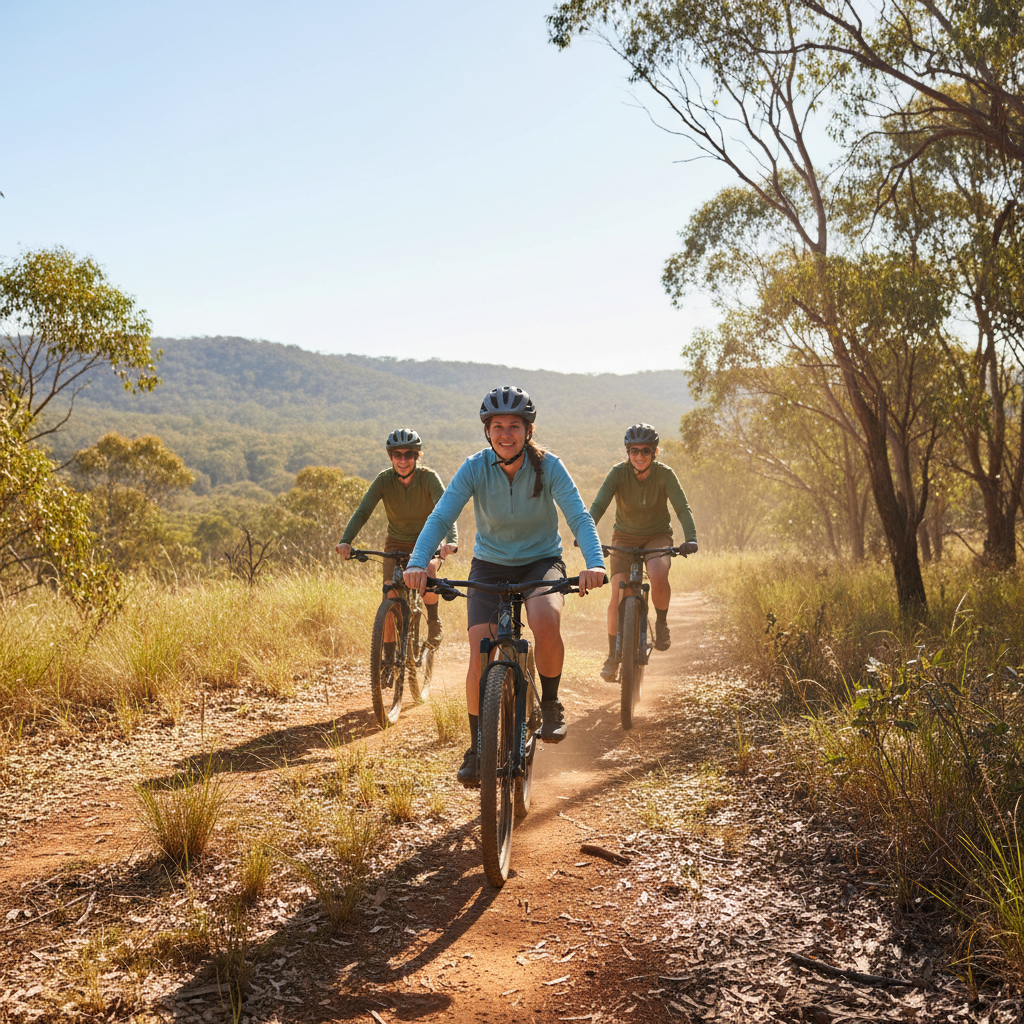
Beat the Heat: Essential Strategies for Helmeted Riders in Australian Summer
Australian summers are unforgiving. Long days, intense UV ratings, and scorching temperatures mean that staying cool and safe while riding isn't just a good idea – it's a necessity. Wearing a helmet is non-negotiable for equestrian safety, but it can amplify the heat you experience. This guide cuts through the fluff to give you practical, actionable strategies to manage heat stress and enjoy your rides, even when the mercury climbs.
The Double Whammy: Sun and Heat While Helmeted
Let's face it, a helmet traps heat. Add the relentless Australian sun – even on days that don't feel scorching – and you’re looking at a recipe for dehydration, heat exhaustion, and worse. High UV index days require constant vigilance. The sun on your face and neck, combined with the insulation of your helmet, can quickly overload your body's cooling mechanisms. Ignoring these signs is a fast track to a ruined ride and potential health risks.
Why is Heat Stress Dangerous?
Heat stress occurs when your body can't dissipate heat effectively. Symptoms can escalate rapidly:
Mild: Thirst, sweating, fatigue, flushed skin.
Moderate: Headaches, dizziness, nausea, muscle cramps, heavy sweating.
Severe: Confusion, rapid pulse, fainting, heatstroke (a medical emergency).
Your helmet, while vital for protection, contributes to this by reducing air circulation and trapping body heat. It’s a trade-off, but one that doesn’t have to mean suffering.
Practical Strategies for Staying Cool
This isn't about fairy tales. It's about making smart choices before, during, and after your ride. We'll cover everything from what you wear to how you hydrate.
1. Hydration: Your First Line of Defence
This is crucial. You lose more fluids than you think when riding, especially in the heat. Don't wait until you're thirsty – that's already a sign of dehydration.
Pre-hydrate: Drink plenty of water in the hours leading up to your ride.
During the ride: Carry water you can access easily. For longer rides, electrolyte drinks can be beneficial to replace lost salts.
Post-ride: Continue to rehydrate. Your body needs to recover.
Pro Tip: Freeze a portion of your water bottle the night before. It'll melt slowly, giving you a cool drink for longer.
2. Clothing: The Foundation of Comfort
What you wear under your helmet and the rest of your riding gear matters.
Lightweight, Breathable Fabrics: Opt for 'wicking' materials that draw sweat away from your skin and allow for airflow. Cotton traps moisture and makes you feel hotter. Look for specialised riding gear designed for summer, or even good quality sportswear made from polyester or nylon blends.
Sun Protection: Always wear long sleeves and trousers, even if it feels counter-intuitive in the heat. Modern technical fabrics are designed to be lightweight and breathable, offering UV protection without making you bake. This protects your skin and helps regulate your temperature by reducing direct sun exposure.
Helmet Liner: A thin, moisture-wicking helmet liner can absorb sweat and provide a small layer of insulation from direct sun hitting the helmet shell. Make sure it doesn't make your helmet too tight.
Colours: Lighter colours reflect sunlight, making you feel cooler than darker colours, which absorb it.
3. Helmet Ventilation: Maximising Airflow
Modern riding helmets are designed with ventilation in mind. Understand your helmet's features.
Keep Vents Clear: Ensure that air vents aren't blocked by dirt, hair, or debris. Clean them regularly.
Ventilation Ports: Position your helmet correctly so that air can actually flow through the vents. Learn how to installing your da-brim-helmet-brim correctly for optimal fit and airflow.
4. Sun Protection Beyond the Helmet
Your helmet covers your head, but your face, neck, and ears are still vulnerable.
Sunscreen: High SPF sunscreen is a must for any exposed skin. Reapply regularly, especially if sweating heavily.
Neck Gaiter/Buff: A lightweight, breathable neck gaiter can protect your neck from the sun and absorb sweat that might otherwise drip down your back. Some can even be dampened to provide a cooling effect.
Helmet Brims: If your helmet doesn't have adequate brim coverage, consider adding an attachment. Products designed to extend the brim can offer more shade to your face and neck without interfering with helmet safety or fit. Check our Products page for options.
5. Timing is Everything
Don't underestimate the power of strategic scheduling.
Ride Early or Late: If possible, schedule your rides for the cooler parts of the day – early morning or late evening. This is when the UV index is generally lower too.
Avoid Midday: If you must ride during the hottest part of the day, keep your rides short and intense exercise to a minimum.
6. Listen to Your Body: Recognising Heat Stress
This is where knowledge is power. You need to know the signs and act immediately.
Heat Stress Warning Signs:
| Symptom | Action Recommended |
|---|---|
| Excessive Thirst | Drink water immediately. Reduce exertion. |
| Headache | Stop riding. Rest in shade. Hydrate. |
| Dizziness/Lightheadedness | Stop riding. Sit in shade. Sip water. |
| Nausea | Stop riding. Rest in shade. Hydrate. Seek medical attention if persistent. |
| Muscle Cramps | Stop riding. Rest. Hydrate. Gentle stretching. |
| Heavy Sweating | Monitor for other symptoms. Normal in heat, but a sign your body is working hard. |
| Reduced Sweating | CRITICAL: Stop riding immediately. Seek shade. Cool down with water. Call for medical help if symptoms worsen. |
Step-by-Step Heat Stress Response:
If you or a riding companion shows signs of heat stress:
1. Stop Riding Immediately: Get off your horse in a safe, shaded area.
2. Provide Shade: Ensure the rider is out of direct sunlight.
3. Loosen Clothing: Remove any unnecessary or tight clothing.
4. Hydrate: Offer cool, non-alcoholic beverages (water or electrolyte drinks).
5. Cool Down: Apply cool, wet cloths to the skin, especially the neck, armpits, and groin. If able, a cool shower or spray can help.
6. Monitor Closely: Watch for improvements. If symptoms are severe or not improving rapidly, seek professional medical assistance.
Remember, a quick response is key. Don't tough it out.
7. Horse Welfare: Don't Forget Your Mount
Your horse suffers in the heat too. Ensure they have access to water and shade, and adjust their workload accordingly. A ridden horse generates significant body heat. Be mindful of their coat condition and general well-being.
Overcoming Objections
Let's tackle some common reasons riders might neglect heat safety.
"It's too hot to ride with all that gear on." That’s precisely why you need these strategies. The gear is for safety. Your comfort and health are managed through smart choices about hydration, clothing, timing, and using accessories like helmet brims. See our Products for solutions.
"I don't get thirsty when I ride." You might not feel thirsty until you're already dehydrated. That's the danger. Make hydration a habit, not a response.
"I only ride for short periods." Even short rides in the peak of summer can be enough to cause heat stress, especially if you're not conditioned or prepared. Always take precautions.
"I need to get my exercise done." If the heat is extreme, it might be wiser to do a less intense ride, split your ride into two shorter sessions, or even opt for an alternative during the hottest part of the day. Your health is paramount. Check out our FAQ for more common questions.
Investing in Your Comfort and Safety
Smart equipment can make a significant difference. Consider accessories that enhance your helmet's sun protection and wicking capabilities. A good helmet brim, like those available on our Products page, can drastically reduce the sun's glare and heat on your face and neck. Learn about proper installation to ensure it works effectively with your helmet's design – see our How to Install guide.
Conclusion*
Riding in Australia during summer presents unique challenges, but it doesn't have to mean constant discomfort or risk. By prioritising hydration, choosing appropriate gear, understanding your helmet's features, and being acutely aware of the signs of heat stress, you can significantly improve your safety and enjoyment. Don't let the heat sideline you. Ride smart, ride safe, and ride through the Australian summer.
For more tips and product information, visit our blog regularly. Blog