
Beat the Heat: Essential Strategies for Construction Workers on Hot Australian Sites
Construction sites in Australia are notorious for intense heat and high UV. Learn practical, no-nonsense ways to reduce heat stress and stay safe while wearing your helmet.
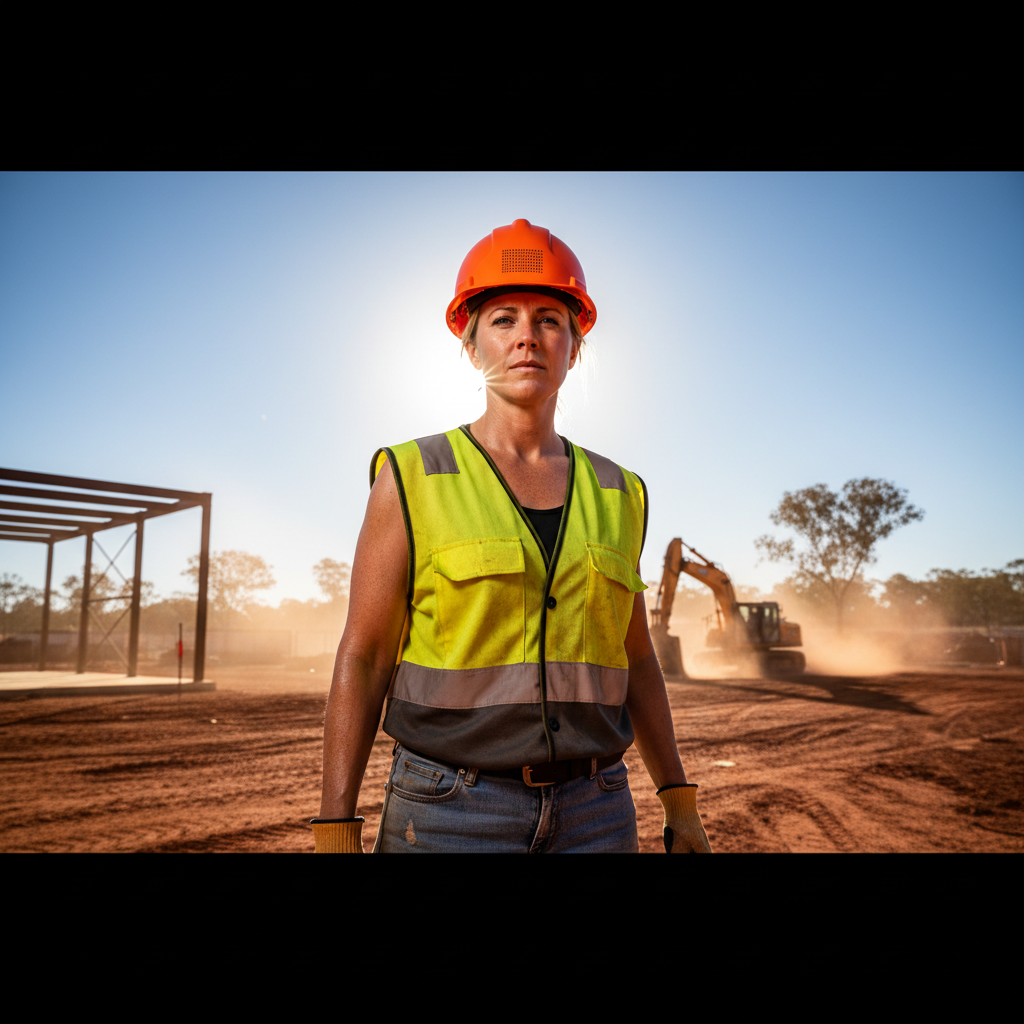
Beat the Heat: Essential Strategies for Construction Workers on Hot Australian Sites
Australia. We love our sunshine. But on a construction site, that sunshine can turn into a serious threat. High UV indices, long working days, and the physical demands of the job mean heat stress isn't just an inconvenience – it's a genuine danger. For those of us working under hard hats, the risk is amplified. Your helmet is essential for safety, but it can also trap heat. This guide is for you: practical, no-fluff advice on how to reduce heat stress on Australian construction sites.
The Reality of Australian Heat and UV
Let's face it, Australia gets hot. We're talking temperatures that soar, day after day, especially during the summer months. This isn't a mild warmth; it's extreme heat that can rapidly dehydrate you and lead to heat exhaustion or even life-threatening heatstroke. On top of that, our UV levels are some of the highest in the world. Even when it's not scorching hot, prolonged exposure to direct sunlight can lead to severe sunburn, increasing your risk of skin cancer later on.
Your helmet, while vital, can create a personal sauna effect. It traps heat, reducing your body's ability to cool down naturally. This makes it even more critical to implement proactive strategies to manage your body temperature and protect yourself from the sun.
Understanding Heat Stress
Heat stress occurs when your body can't dissipate heat fast enough. Symptoms can range from mild to severe:
Mild symptoms: Thirst, sweating, fatigue, muscle cramps.
Moderate symptoms: Headache, dizziness, nausea, pale and clammy skin, rapid pulse.
Severe symptoms (Heat Exhaustion/Heatstroke): Confusion, vomiting, hot and dry skin (or heavy sweating), loss of consciousness, seizures. This is a medical emergency.
Don't ignore the early signs. They are your body signalling that it's under strain and needs attention immediately. Pushing through can have severe consequences.
Practical Strategies for Managing Heat Stress on Site
This isn't about fancy theories. This is about what works, day in and day out, on tough Australian building sites.
1. Hydration is Non-Negotiable
This is the absolute cornerstone of heat stress prevention. You need to drink before you feel thirsty. Thirst is already a sign of dehydration.
Water, water, water: Your primary fluid. Carry at least 2-3 litres with you daily. If site facilities are available, refill often.
Electrolytes: For long, sweaty days, consider electrolyte drinks or tablets. These replace salts lost through sweat, helping your body retain fluid. Avoid sugary drinks that can dehydrate you further.
Regular Sips: Don't chug litres at once. Sip water consistently throughout the day, even during brief breaks. Aim for a steady intake.
Avoid Dehydrating Drinks: Cut back on caffeine (coffee, energy drinks) and alcohol. They can increase fluid loss.
2. Cooling Down Your Core
Your helmet works to protect your head, but it can also become a heat trap. We need to actively counter this.
Cooling Towels: These are a game-changer. Soak a specialised cooling towel in water and wear it around your neck. As the water evaporates, it cools your blood flowing to your head and brain.
Water Sprays: A small spray bottle filled with water can provide instant relief. A quick mist on your face and neck can help evaporative cooling.
Breaks in the Shade: Even 10-15 minutes in a shaded, cooler area can make a huge difference. Don't just stand in the sun next to the site shed.
3. Sun Protection Beyond the Helmet
While we're talking helmets, let's not forget the rest of you.
Wide-Brimmed Hats (Under Helmet?): This is tricky. Safety regulations often dictate helmet type. However, some lightweight, breathable sun hats designed to be worn under a helmet can provide extra shade for your neck and ears without compromising safety. Check your site's PPE requirements carefully. Important Note: A hat under a helmet should never interfere with the helmet's fit or shock-absorption capabilities. If in doubt, consult your safety officer.
Sunscreen: Every single day. Apply SPF 50+ liberally to all exposed skin – face, neck, ears, arms, hands. Reapply every two hours, especially if you're sweating heavily.
Protective Clothing: Long sleeves and trousers made of lightweight, breathable fabric are essential. They offer a physical barrier against UV rays and can be cooler than bare skin in direct sun.
4. Smart Work Practices
How you work matters. Smart planning can minimise heat exposure.
Work in the Shade: Whenever possible, position yourself to work in existing shade or create temporary shade if feasible and safe.
Pace Yourself: Don't try to be a hero. Work at a steady pace. Take more frequent, short breaks rather than one long one.
Schedule the Toughest Tasks: If possible, schedule the most physically demanding tasks for the cooler parts of the day (early morning or late afternoon).
Listen to Your Body: This cannot be stressed enough. If you feel unwell, stop. Report it to your supervisor immediately.
5. Helmet Innovations
Not all helmets are created equal when it comes to heat. While your safety dictates the standard, some accessories can help.
Ventilation: Look for helmets with good ventilation systems. These allow hot air to escape, improving airflow.
Brims and Shades: Accessories like those from Da Brim can attach to your existing helmet (check compatibility) to provide significant shade for your face, neck, and ears without compromising the helmet's safety structure. Crucially, they are designed to maintain airflow and not interfere with the helmet's core function. Explore options on our Products page.
Heat Stress Risk Assessment: A Quick Checklist
Before you even start, and throughout the day, run through this.
Am I hydrated? Have I drunk enough water today? Do I have enough with me?
Is my sunscreen applied and reapplied?
Is my skin covered? Long sleeves, trousers?
Is there a shaded area available? Can I work there?
Am I feeling any early symptoms? (Headache, dizziness, fatigue)
Is my helmet comfortable and not creating excessive heat buildup?
Step-by-Step Guide: Managing Heat During a Long Day
This is your daily game plan.
Morning (Before Start):
1. Hydrate: Drink a large glass of water before you leave home.
2. Apply Sunscreen: Thoroughly cover all exposed skin.
3. Pack Your Gear: Ensure you have enough water (at least 2-3 litres), electrolyte replacement if needed, a cooling towel, and any approved helmet accessories.
During the Day (Hourly Check-ins):
Every 20-30 mins: Sip water consistently.
Every Hour: Check in with yourself. Are you feeling fatigued? Any muscle cramps? Take a short break in the shade if needed.
Every 1-2 Hours: Reapply sunscreen. Soak your cooling towel if it's dry. Refill water bottles at every opportunity.
Every 2-3 Hours (or as needed): Take a longer break (10-15 mins) in the coolest, shadiest spot available. Eat a small, salty snack if feeling drained. Consider electrolyte replacement after significant sweating.
If You Feel Unwell:
1. Stop Work Immediately. Do not try to finish the task.
2. Move to a Cool, Shaded Area. Sit or lie down.
3. Hydrate: Sip cool (not icy) water.
4. Cool Down: Apply cool, wet cloths to your head, neck, armpits, and groin. Use a spray bottle.
5. Seek Help: Inform your supervisor and, if symptoms are severe, call for immediate medical assistance. Your mates' and your own life could depend on it.
Addressing Common Objections
"It's too much hassle." What's more hassle: carrying an extra water bottle or suffering heatstroke? It's about priorities. Your health is your biggest asset.
"I don't feel thirsty." As we've said, thirst is a latecomer to the dehydration party. You're losing fluid long before you feel it.
"My helmet is fine, it doesn't get that hot." It might not feel like it, but your head is a major heat-exchange point. Trapped heat there has a significant impact on your core temperature. Adding a brim accessory can make a world of difference in comfort and heat reduction without compromising safety. Check out How to Install to see how easy it is.
- "We don't have time for breaks." Your employer has a WHS duty of care. If you're not provided with adequate breaks and facilities to manage heat, that's a safety breach. Push for better conditions. And in the meantime, take those short, scheduled breaks you can.
Conclusion: Safety First, Always
Working on an Australian construction site in the sun is demanding. Heat stress is a real danger, particularly when wearing essential head protection. By implementing practical hydration strategies, using cooling aids, maximising sun protection, and working smarter, you can significantly reduce your risk.
Don't gamble with your health. Understand the risks, implement these strategies consistently, and always listen to your body. Your PPE is vital, but it needs to be part of a holistic approach to staying safe in the heat. For more information, check out our FAQ or browse our range of Products designed to make working in the sun safer and more comfortable.
Stay cool, stay hydrated, and stay safe out there.
For more tips and industry insights, visit our Blog regularly.