
Beat the Heat: Essential Strategies for Construction Workers on Hot Aussie Sites
Construction sites in Australia push workers to the limit, especially when the mercury rises. Learn practical, no-nonsense ways to combat heat stress while wearing your helmet, keeping you safe and productive.
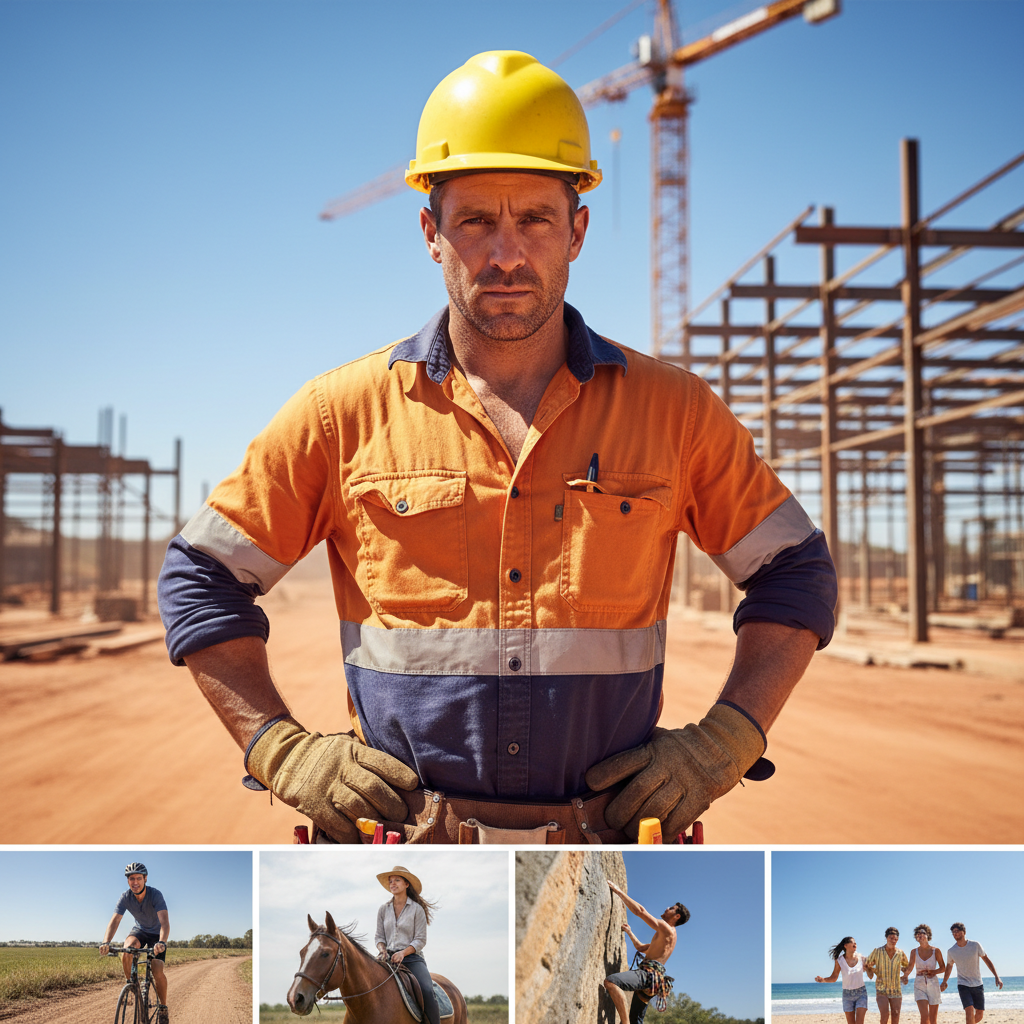
Beat the Heat: Essential Strategies for Construction Workers on Hot Aussie Sites
Let's cut to the chase. Construction sites in Australia are notorious for punishing conditions. We're talking scorching sun, stifling heat, and long days where the UV index can climb into the extreme. And for those of us wearing hard hats, the risk of heat stress isn't just a casual inconvenience – it’s a serious health hazard. You’ve got a job to do, and you need to do it safely. This isn't about feeling sorry for yourself; it’s about being smart, prepared, and keeping your cool – literally.
Why Heat Matters on Site
It’s easy to dismiss a bit of sweat. But heat stress is more than just feeling hot. It’s a range of conditions caused by your body overheating. In Australia, with our intense sun and often high humidity, it’s a year-round concern in many regions, and a significant summer threat everywhere. When your body can't cool itself effectively, it can lead to:
Heat Cramps: Painful muscle spasms, usually in the legs and abdomen.
Heat Exhaustion: Symptoms include heavy sweating, weakness, dizziness, nausea, headache, and a fast, weak pulse. This is serious and needs immediate attention.
Heatstroke: This is a medical emergency. Your body temperature skyrockets, and your systems start to shut down. Symptoms include confusion, loss of consciousness, and hot, dry skin (though you might still sweat).
And for helmet wearers? Your head is your most vulnerable asset, but it's also a major heat generator and a prime spot for sunburn. Traditional hard hats offer impact protection, but they don't do much for sun glare or retaining heat. This is where smart strategies and the right gear become non-negotiable.
The Helmet Dilemma: Protection vs. Heat Trapping
Your helmet is there for a reason – to protect your noggin from falling objects and impacts. We're not suggesting you ditch it. But let's be honest, a standard hard hat can feel like a personal sauna on a 35°C day. They trap heat, reduce airflow, and can make you feel sluggish and irritable. This is where we need to be proactive about managing that extra heat load without compromising safety. It’s about making your existing safety measures work for you, not against you.
Practical Strategies: What You Can Actually Do
Forget fancy theories. This is about actionable steps you can take right now, on any Aussie construction site, to reduce heat stress. It starts before you even clock on.
1. Hydration is Non-Negotiable
This isn't just about downing a litre of water during smoko. You need consistent hydration throughout the day. You lose fluids through sweat, and you need to replace them before you feel thirsty. Thirst is a sign you're already dehydrated.
Start Early: Drink water before you even leave home. Get your body ready.
Sip Regularly: Don't guzzle. Take small, frequent sips of water throughout the day. Keep a large, insulated bottle with you and visible.
Electrolytes Matter: For intense, sweaty work, plain water isn't always enough. Consider electrolyte replacement drinks. These help your body retain fluids and replace salts lost through sweat. Check your site policy on these.
Avoid Dehydrators: Cut back on coffee, energy drinks, and alcohol. They can dehydrate you further.
2. Smart Clothing Choices
What you wear under your helmet is just as important as the helmet itself.
Lightweight & Breathable: Opt for moisture-wicking fabrics that are light in colour. These draw sweat away from your skin and help keep you cooler than dark, heavy materials.
Headwear Underneath: A thin, breathable bandana or cap made of moisture-wicking material under your helmet can help absorb sweat and provide an extra layer of insulation from the sun heating the helmet shell.
Sun Protection: Long sleeves and long pants, even in the heat, are crucial for protecting your skin from UV radiation. Sunburnt skin is less efficient at cooling.
3. Strategic Breaks and Shade
It sounds obvious, but some blokes just push through. Don't. Your body needs a break.
Seek Shade: When you can, take your breaks in shaded areas. It makes a significant difference.
Cool Down: If possible, use a cool cloth or a spray bottle with water to mist yourself during these breaks. Even a brief respite can help.
Listen to Your Body: If you feel dizzy, headachey, or nauseous, stop. Report it. Don't try to be a hero.
4. Acclimatise
If you're new to a particularly hot site or the season is just starting to heat up, gradually increase your exposure. Don't go from 20°C to 35°C and expect to perform at full capacity immediately. Your body needs time to adapt.
Optimising Your Helmet for Heat
Now, let's talk about the helmet itself. We know it's a necessity, but can we make it less of a heat trap? Absolutely.
The Power of a Good Brim
This is where innovation meets practicality. Standard hard hats offer minimal protection from the sun's glare and the direct heat hitting the top of your head. A high-quality helmet brim attachment changes the game.
Increased Shade: A well-designed brim extends significantly further than standard helmet overhangs, casting more shade over your face, neck, and shoulders. This reduces direct sun exposure and helps keep your head cooler.
Reduces Glare: Less glare means less eye strain and a clearer view of your work, improving safety.
Protects Neck: The back of your neck is often exposed and a prime spot for sunburn. A good brim offers vital protection.
We recommend looking into robust, engineered solutions that attach securely and don't compromise your helmet’s primary safety functions. Check out our range of Products designed specifically to enhance helmet wearability in tough conditions. Installation is straightforward – follow our guide on How to Install to get it set up correctly.
Airflow and Ventilation
Some helmets are designed with ventilation holes. If your current helmet has these, ensure they aren't blocked by sweatbands or debris. If you're in the market for a new helmet, consider models with enhanced ventilation for hot weather. However, remember that ventilation on a helmet does little to mitigate the direct impact of the sun on the shell.
Heat Stress Response Checklist
Here's a quick checklist to keep in mind, for yourself and your mates.
[ ] Hydrated: Drinking water before feeling thirsty. (Aim for 1-2 litres per hour during strenuous activity in the heat).
[ ] Shaded Breaks: Taking regular breaks in cool, shaded areas.
[ ] Appropriate Clothing: Light-coloured, loose-fitting, breathable garments.
[ ] Sun Protection: Using a helmet brim and other sun-safe clothing.
[ ] Felt Ill: Recognizing symptoms of heat stress (dizziness, headache, nausea, rapid pulse, confusion) and reporting them immediately.
[ ] Acclimatised: Gradually adapting to hotter conditions.
Step-by-Step Guide: Managing Heat on the Job
This isn't just a suggestion; it's a daily protocol.
Morning Preparation (Before Leaving Home):
1. Hydrate: Drink at least 500ml of water.
2. Pack Smart: Ensure you have at least 2-3 litres of water for the day, plus electrolyte replacements if needed.
3. Dress Appropriately: Wear light-coloured, loose, and breathable workwear, including long sleeves and pants.
On the Site (Hourly, Minimum):
1. Sip Water: Take small, regular sips of water (approx. 250ml per hour).
2. Check Your Environment: Assess the UV index and ambient temperature. If extreme, increase break frequency.
3. Utilise Shade: If possible, move to a shaded area for any task that allows.
During Breaks (Every 1-2 Hours, or as Needed):
1. Seek Shade: Find the coolest, most shaded spot available.
2. Rest: Sit down and allow your body to recover.
3. Hydrate and Replenish: Drink a full glass of water or electrolyte drink.
4. Cool Down (Optional but Recommended): Use a damp cloth on your neck and forehead.
After Noticing Symptoms:
1. STOP WORK IMMEDIATELY.
2. Move to Shade: Get out of the sun.
3. Hydrate: Drink cool (not ice-cold) water if conscious and able to swallow.
4. Report: Inform your supervisor or first aider. Do not hesitate.
Objections Handled
"I'm tough, I can handle it." Maybe. But a heatstroke can put you out of action for weeks, or worse. Being tough is about anticipating problems and preventing them, not just enduring them. Smart work is tough work.
"I don't have time for breaks." You don't have time for heatstroke either. A short break now prevents a prolonged absence later. Plus, a well-rested worker is a more productive worker.
- "This gear is too expensive." Your health is your most valuable asset. The cost of extended illness or an accident far outweighs the cost of proper protective gear, including a quality helmet brim. Look for durable, Australian-certified options at Products.
Frequently Asked Questions
We get asked a lot about making work safer and more comfortable in the heat. Head over to our FAQ page for more detailed answers to common questions about helmet use, sun protection, and staying cool.
Stay Safe, Stay Productive
Working on an Australian construction site in the heat demands respect. By implementing these practical strategies – prioritising hydration, smart clothing, strategic breaks, and optimising your head protection with effective brims – you can significantly reduce your risk of heat stress. Don't wait until you’re feeling the effects. Make sun and heat management a core part of your daily work routine. For more tips and gear, explore our Blog and see what’s available to keep you protected. Your safety, and your ability to finish the job, depends on it.