
Beat the Heat: Essential Strategies for Construction Site Safety in Australian Sun
Construction sites in Australia are unforgiving. Intense sun, high UV, and long hours are a dangerous mix. Learn practical, no-BS strategies to combat heat stress and stay safe while wearing your helmet.
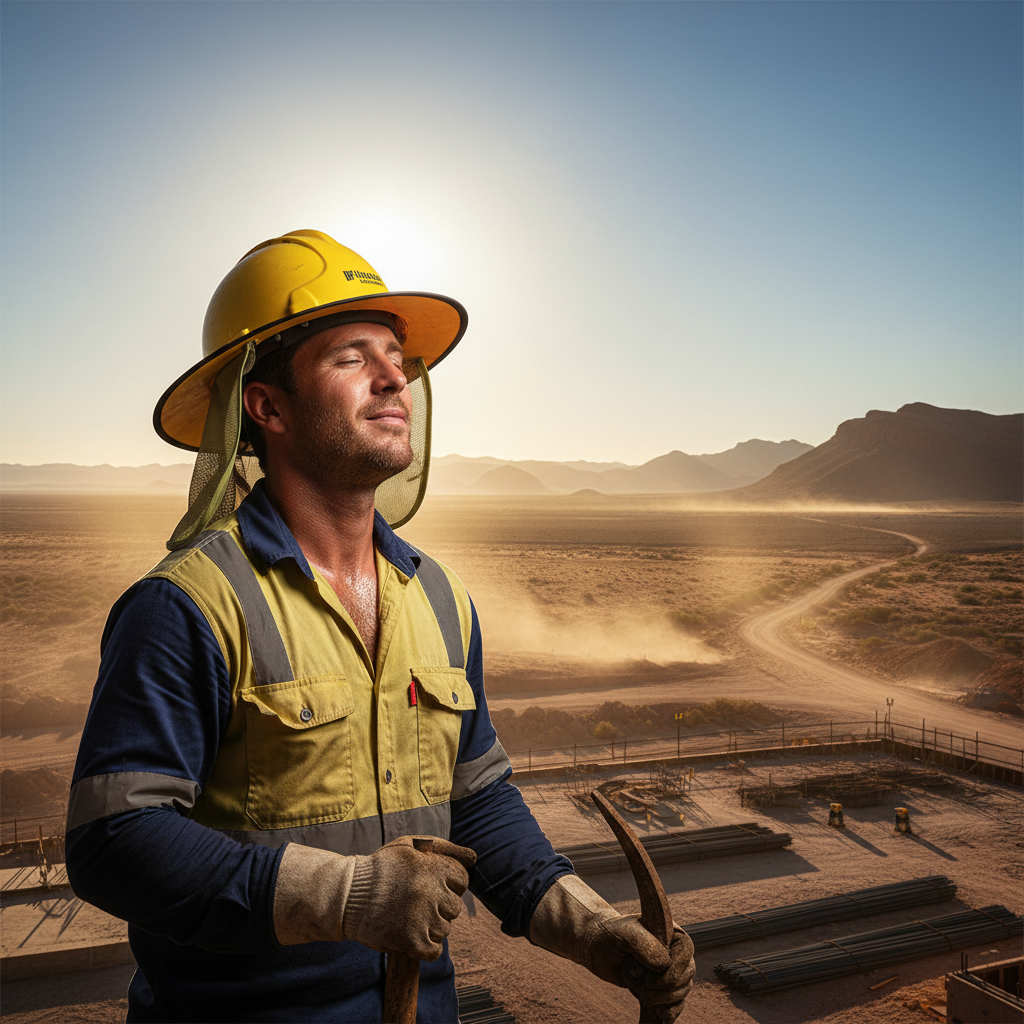
Beat the Heat: Essential Strategies for Construction Site Safety in Australian Sun
Let's cut to the chase. Working on a construction site under the Australian sun is tough. We're talking serious UV levels, scorching temperatures, and long days where the sun doesn't quit. Anyone wearing a helmet – and that's most of us – knows the added challenge of trying to stay cool and comfortable while protected. Heat stress isn't just about feeling uncomfortable; it's a genuine safety hazard that can lead to reduced concentration, impaired judgment, and even serious health consequences, including heatstroke.
This isn't about fluffy advice. This is about practical, actionable steps you can take, right now, to mitigate the risks of heat stress on your site. We'll talk about what works, address common objections, and give you the tools to stay safe and productive.
The Reality of Australian Heat and UV
Australia consistently ranks among the countries with the highest UV radiation levels globally. The sun here isn't playing around. Even on overcast days, UV rays can penetrate clouds and inflict damage. During summer months, temperatures regularly push into the high 30s and even 40s, coupled with often low humidity which can make the heat feel even more intense. For those of us in hard hats, this creates a unique challenge. Our headwear, essential for impact protection, can also become a personal sauna, trapping heat and increasing our core body temperature.
Common Objections and Why They Don't Stack Up
"I'm used to it. I've been doing this for years." Your body might feel like it's coping, but your core temperature is still rising. Acclimatisation has limits, and dehydration is a silent killer that doesn't care about your experience. Pushing past those limits is a one-way ticket to trouble.
"I can't afford special gear." We'll get to that. But consider the cost of a heat-related incident: lost workdays, medical bills, potential fines for your employer, and most importantly, your health. Investing in simple, effective solutions is often cheaper than the alternative.
"It's too much hassle to drink water all the time." Hydration isn't a suggestion; it's a fundamental requirement for your body to function, especially under extreme conditions. Just like you wouldn't start a job without your PPE, you shouldn't start your day without a hydration plan.
"My helmet is already ventilated. That's enough." Standard ventilation helps, but it's often insufficient on truly brutal days. Heat builds up quickly, and ventilation alone can't always expel it fast enough. We need to go beyond the basics.
Layering Your Defences: A Multi-Pronged Approach
Fighting heat stress is about a layered strategy. No single solution is a silver bullet, but combined, they create a robust defence. We'll cover hydration, personal cooling, site practices, and how your helmet can be part of the solution.
1. Hydration: Your First Line of Defence
This cannot be stressed enough. Dehydration is a primary contributor to heat stress. Your body needs fluids to sweat effectively, which is its natural cooling mechanism.
Drink before you're thirsty: Thirst is a sign you're already dehydrated. Sip water consistently throughout the day.
Electrolytes matter: Plain water is good, but on very hot days, you lose vital salts through sweat. Consider electrolyte drinks, powders, or even adding a pinch of salt to your water. These help your body retain fluids.
Avoid dehydrating drinks: Cut back on sugary soft drinks, excessive coffee, and alcohol. These can actually contribute to fluid loss.
Carry enough water: Don't rely on shared water coolers that might run low or be contaminated. Carry at least 1-2 litres with you and ensure it stays cool.
2. Personal Cooling Strategies
How can you actively cool yourself down?
Cooling Bandanas and Neck Wraps: These are simple, cheap, and effective. Soak them in cold water before you start work. They draw heat away from your body through evaporation. Re-soak as needed.
Cooling Vests: For more demanding conditions or longer periods in extreme heat, a cooling vest can be a game-changer. They use advanced evaporative materials or even gel packs to provide sustained cooling.
Misting Spray Bottles: A quick spray of cool water on your face, neck, and arms can provide immediate relief.
Take Regular Breaks: Step into the shade whenever possible. Even a few minutes out of direct sun can make a significant difference. Use your breaks to rehydrate and cool down.
3. Site Practices and Management
While personal effort is key, the site environment also plays a crucial role.
Shade Structures: This is non-negotiable for breaks. Ensure there are adequate shady areas available.
Work Scheduling: Where possible, schedule the most strenuous tasks for the cooler parts of the day (early morning or late afternoon).
Buddy System: Look out for your workmates. Watch for signs of heat stress in others – confusion, dizziness, excessive sweating or lack of sweating, nausea. If you see it, act immediately.
On-site First Aid: Ensure first aid is available and personnel are trained in recognising and treating heat-related illnesses.
Your Helmet: More Than Just Protection, It's Part of the Solution
Your helmet is a vital piece of PPE, but it can also be a heat trap. The good news is that with the right accessories, you can turn your helmet from a heat conductor into an integral part of your cooling strategy. This is where simple innovations make a big difference.
The Power of a Brim
Standard helmets offer overhead protection but little else in terms of sun management. What if your helmet could do more? What if it could actively shield you from the sun's glare and heat, while also improving airflow?
This is precisely the problem DA BRIM solves. A well-designed helmet brim attachment doesn't just add shade:
Extended Shade: It significantly increases the shaded area around your face and neck, reducing direct sun exposure and the associated heat.
Improved Airflow (When Designed Right): Some brim designs can actually help direct air into your helmet, improving ventilation rather than hindering it. More air means more heat dissipation.
Moisture Management: A good brim can prevent sweat from running into your eyes, which is not only a nuisance but can also sting if it gets past your safety glasses.
How to Install Your Helmet Brim
Installing a brim like the DA BRIM is usually a straightforward process. While specific instructions can vary by model, the general steps are:
1. Identify Attachment Points: Most safety helmets have slots or a rim designed for accessories. Check your helmet for these.
2. Align the Brim: Position the brim over the helmet, ensuring it's oriented correctly (front facing forward).
3. Secure the Fasteners: This might involve clips that snap into place, screws that tighten, or a specific clamping mechanism. Follow the manufacturer's instructions for your specific brim model. For DA BRIM, this often involves a simple, secure click-on system designed to fit most standard hard hats. Check out our How to Install guide for detailed instructions.
4. Test for Security: Gently tug on the brim to ensure it's firmly attached and won't dislodge during work.
It's a small step that can yield significant comfort and safety benefits. Don't underestimate the impact of reducing direct solar radiation on your head and face.
Practical Checklist for Staying Cool on Site
Here’s a quick summary to keep on hand:
[ ] Hydration Plan: Carry enough water, consider electrolytes, drink before thirsty.
[ ] Shade Access: Know where shady breaks are.
[ ] Cooling Accessories: Use cooling bandanas, neck wraps.
[ ] Helmet Upgrade: Ensure your helmet offers effective sun protection beyond basic coverage (consider a brim like DA BRIM).
[ ] Buddy System: Watch out for your mates.
[ ] Listen to Your Body: Don't push through severe heat symptoms.
[ ] Site Management: Support efforts to schedule work appropriately and provide shade.
Frequently Asked Questions About Heat Stress
We often get asked about the specifics of heat stress and how to manage it. For more in-depth answers, check our FAQ page.
What are the early signs of heat stress? These include heavy sweating, thirst, fatigue, dizziness, headaches, and muscle cramps. If you experience these, get into the shade, hydrate, and cool down.
When is it serious? Signs of serious heat illness, like heatstroke, include confusion, loss of consciousness, a rapid pulse, and a body temperature of 40°C or higher. This is a medical emergency – call for help immediately.
How quickly can heat stress set in? It can develop rapidly, especially on very hot and humid days, or during intense physical exertion. Don't underestimate it.
Does this apply even on cloudy days? Yes. UV radiation can still be high on cloudy days, and heat can still build up. Always assume the sun is a threat.
Conclusion: Prioritise Your Health
Working on an Australian construction site demands resilience and a commitment to safety. Heat stress is an ever-present danger, but it's a manageable one. By adopting a proactive, layered approach – prioritising hydration, using personal cooling methods, and making smart choices about your equipment like ensuring your helmet provides adequate sun protection with attachments like the DA BRIM – you can significantly reduce your risk.
Don't wait for symptoms to appear. Implement these strategies daily. Your crew, your employer, and most importantly, your own well-being, depend on it. For more tips and product information, explore our Blogs and head over to Products to see how you can enhance your on-site safety.
Stay cool, stay safe.