
Beat the Heat: Cycling Safely in Australian Summer
Don't let the scorching Australian sun sideline your rides. Learn practical strategies to stay cool, protected, and safe when cycling in extreme heat, with tips specifically for helmet wearers.
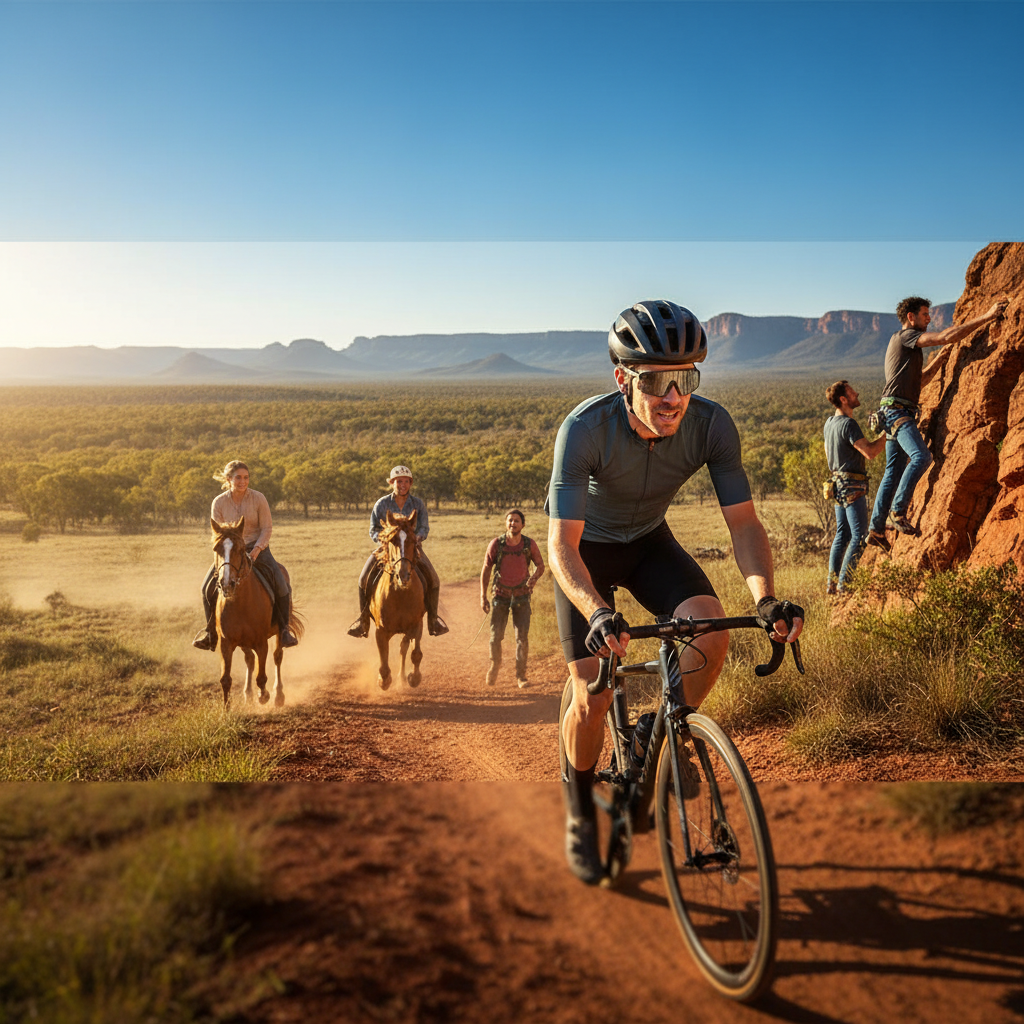
Beat the Heat: Cycling Safely in Australian Summer
Australia. We love it for its vast landscapes, outdoor lifestyle, and brilliant sunshine. But come summer, that sunshine can turn into a scorching inferno. For cyclists, especially those who rely on helmets for safety, riding in extreme heat presents a unique set of challenges. Overheating is not just uncomfortable; it's dangerous. Reduced performance, impaired judgment, and heatstroke are real risks. This guide is all about practical, no-nonsense strategies to keep you cool, protected, and safe on your bike, even when the mercury soars.
The Realities of the Australian Heat
We know the drill. Long, sun-drenched days where the UV index routinely hits extreme levels. The bitumen shimmers, the air feels thick, and even a short ride can feel like an endurance test. It’s tempting to hide indoors, but with a bit of preparation and smart riding, you can still get out and enjoy your bike. Your helmet, essential for safety, can also be a major source of heat build-up. But there are ways to manage this, and thankfully, solutions like a good helmet brim can make a significant difference. For more on protecting yourself, check out our Products page.
Understanding the Risks: More Than Just Sweat
It’s easy to dismiss a bit of sweat. But when you're pushing yourself, and the ambient temperature is high, your body’s cooling mechanisms can struggle. We're not just talking about feeling uncomfortable. Impaired cognitive function can lead to poor decision-making on the road, increasing the risk of accidents. You might misjudge braking distances, miss hazards, or struggle to navigate. Physical performance also plummets. Your heart works harder, and your muscles tire faster. Prolonged exposure can lead to dehydration, heat exhaustion, and in the worst-case scenario, life-threatening heatstroke.
Pre-Ride Preparation: The Foundation of a Cool Ride
Before you even touch your bike, smart preparation is key. This is where you gain the advantage.
Hydration: Your First Defence
This isn't just about sipping water during your ride; it starts days before. Dehydration creeps up on you. Aim to be consistently well-hydrated in the 24-48 hours leading up to your ride. Don't wait until you're thirsty – that's a sign you're already behind.
Water is King: Drink plenty of plain water throughout the day.
Electrolytes: For longer or more intense rides, consider electrolyte drinks or tablets. These replenish salts lost through sweat, which are crucial for muscle function and rehydration.
Limit Dehydrating Drinks: Cut back on caffeine and alcohol, especially in the days before a hot ride.
Nutrition: Fueling for the Heat
What you eat affects how your body handles heat. Heavy, difficult-to-digest meals can put extra strain on your system.
Light & Right: Focus on easily digestible foods. Fruits, vegetables, and lean proteins are good choices.
Pre-Ride Snack: A light, carbohydrate-rich snack about an hour before your ride can provide energy without feeling heavy.
Gear Up Smart: Beyond the Helmet
Your cycling kit plays a vital role. While your helmet is non-negotiable for safety, other elements can help regulate your temperature.
Light Colours: Dark colours absorb more heat. Opt for light-coloured jerseys and shorts.
Wicking Fabrics: Synthetic materials designed to draw sweat away from your skin are far superior to cotton in hot weather.
Sun Protection: Beyond your helmet, consider lightweight, full-fingered gloves for hand protection and a neck gaiter or light bandana.
Cycling in the Heat: Strategies for the Ride
Once you're on the bike, it’s all about managing your effort and staying cool.
Hydration and Refueling On-the-Go
Your water bottles are your lifeline. Plan your route to include safe places to refill if needed. Don't be shy about stopping if you're running low.
Sip Frequently: Aim for small, frequent sips rather than chugging large amounts at once. This aids absorption.
Electrolytes: If you're using electrolyte mixes, ensure you're drinking them consistently.
Food Breaks: For longer rides, plan for short stops to refuel with energy bars, gels, or fruit. Eating on the bike is possible, but a brief pause can help you digest and rehydrate more effectively.
Pacing and Effort Management
This is crucial. Pushing too hard in the heat is a recipe for disaster. Listen to your body and adjust your effort.
Start Slow: Ease into your ride. Allow your body time to adapt to the conditions.
Moderate Intensity: Avoid high-intensity intervals or sustained sprints unless absolutely necessary. Focus on a steady, sustainable pace.
Seek Shade: If your route allows, use shaded sections to briefly cool down.
Be Flexible: If you're feeling the heat, it's okay to cut your ride short or take a longer break. There’s always another day to push your limits.
Cooling Techniques On the Bike
There are simple ways to actively cool yourself down while riding.
Water Splash: Pour a little water over your head, neck, and wrists. This can provide immediate relief.
Damp Cloth: Carrying a small, damp cloth to place on your neck or forehead during stops can be incredibly effective.
Under the Helmet: Keep your helmet on for safety, but consider a thin, moisture-wicking skullcap or headband underneath. This can absorb sweat and provide a small buffer.
| Strategy | Description |
|---|---|
| Hydration | Drink consistently, use electrolytes for longer rides. Start hydrating days in advance. |
| Pacing | Avoid pushing too hard. Moderate your effort and listen to your body. |
| Nutrition | Focus on light, easily digestible foods. |
| Clothing | Opt for light colours and moisture-wicking fabrics. |
| Cooling | Use water to splash on yourself, seek shade, and consider cooling cloths. |
| Helmet Brim | Provides shade for your face and neck, reducing direct sun exposure and perceived heat. |
Post-Ride Recovery: Replenishing and Rehydrating
Recovery starts the moment you dismount. Proper post-ride care helps your body recover faster and prepares you for your next outing.
Rehydrate, Rehydrate, Rehydrate!
Your work isn't done when you stop pedalling. Continue sipping water and electrolyte drinks.
Weigh Yourself: If you’re serious about tracking hydration, weigh yourself before and after a ride. For every kilogram lost, you need to aim to drink 1.5 litres of fluid to fully rehydrate.
Monitor Urine Colour: Pale yellow urine is a good indicator of adequate hydration.
Refuel Your Body
Replenish depleted glycogen stores and aid muscle repair.
Post-Ride Meal: Aim for a balanced meal containing carbohydrates and protein within 30-60 minutes of finishing your ride.
Electrolytes: Continue with electrolyte drinks if you've had a particularly gruelling session.
Cool Down and Rest
Allow your body to return to a normal temperature gradually.
Avoid Hot Showers: Opt for cooler showers or baths to help your body dissipate heat.
Rest: Give your body adequate time to recover. Listen to its signals.
Helmet Specifics: Your Protection from the Sun and Heat
Your helmet is your most important piece of safety gear. But how does it interact with the heat? Modern helmets are designed with ventilation in mind, but they still create a barrier. This is where smart additions can make a big difference. A helmet brim, for example, can extend the shade provided by your helmet, keeping the sun off your face and neck. This not only feels better but can subtly reduce your overall heat load.
The Role of a Helmet Brim
Think of it as a personal shade device. It:
Reduces Glare: Keeps the sun out of your eyes, improving visibility and comfort.
Protects Skin: Covers more of your face and neck, reducing sunburn risk.
Blocks Direct Sun: Prevents direct sunlight from hitting the vents and the top of your head, making you feel cooler.
We’ve designed our brims with cyclists in mind. They attach easily and securely to most helmets. You can find out more about them and how they work on our Products page. Installation is straightforward – check out our How to Install guide for details.
Ventilation and Airflow
While you can't change how your helmet ventilates, you can optimise airflow.
Keep Vents Clear: Ensure your helmet vents aren’t blocked by stray hair or accessories.
Positioning: Make sure your helmet is fitted correctly. Too low, and it can block your vision and airflow; too high, and it compromises protection.
Common Objections and How to Handle Them
Let’s be honest, some people balk at the idea of riding in the heat. Here’s how to address those concerns.
“It’s just too hot, I’ll overheat.”
Solution: Preparation is key. Hydrate proactively, pace yourself, wear appropriate clothing, and use cooling techniques. A helmet brim can also significantly improve comfort by providing shade. Don’t ride during the absolute peak heat of the day if possible. Early mornings or late afternoons are often much more tolerable. Check out our FAQ page for more on managing heat.
“I can’t drink enough water.”
Solution: Plan your hydration. Carry more water than you think you’ll need, or plan your route to include water stops or refill points. Electrolyte supplements can make your hydration more effective. Learn to sip consistently, rather than waiting until you’re parched.
“My helmet makes me feel like a furnace.”
Solution: While helmets are essential, they do trap heat. Ensure your helmet fits well and its vents are clear. A helmet brim provides crucial shade that can make a surprising difference to your perceived temperature. Consider a thin, moisture-wicking skullcap underneath. If you’re consistently struggling, it might be time to assess your helmet’s ventilation design, but often a brim is the simplest, most effective addition.
“I’ll get sunburnt even with a helmet.”
Solution: A helmet covers the top of your head and part of your forehead. Other exposed areas like your neck, ears, and face are still vulnerable. Apply high-SPF sunscreen liberally to any exposed skin before you ride. A helmet brim extends shade coverage to your face and neck, further reducing sunburn risk. Consider sunglasses and sunscreen for your arms and legs.
Essential Checklist for Hot Weather Cycling
Print this out or save it on your phone. Use it before every hot ride.
[ ] Hydration Status: Am I well-hydrated from the day before and the morning of?
[ ] Water Bottles: Are they full? Do I have enough for the planned ride, or a refill plan?
[ ] Electrolytes: Are my drinks or tablets packed if needed?
[ ] Sunscreen: Applied to all exposed skin?
[ ] Clothing: Light-coloured, moisture-wicking kit?
[ ] Helmet: Properly fitted? Vents clear? Helmet Brim Attached?
[ ] Food: Sufficient energy snacks for the ride?
[ ] Pacing Plan: Understand I need to ride easier than usual?
[ ] Route Plan: Any shaded sections? Water availability?
- [ ] Listen to Body: Am I feeling okay to ride, or should I postpone/shorten it?
Staying Safe and Enjoying the Ride
Cycling in extreme Australian heat is achievable and enjoyable with the right approach. It’s about smart preparation, mindful riding, and using the right gear. Your helmet is your most vital piece of safety equipment, and by adding a simple accessory like a helmet brim, you can significantly improve your comfort and protection from the relentless sun.
Don't let the heat deter you from your passion. Embrace the challenge, ride smart, and stay safe out there. For more tips and product insights, explore our Products section or browse our Blog for more articles.
Remember, safety always comes first. Happy (and cool) riding!