
Beat the Heat: Cycling in Extreme Australian Conditions
Don't let scorching Australian heat stop your rides. Learn practical strategies to stay cool, safe, and focused, even on the hottest days. This guide for helmet wearers covers everything from hydration to gear choices.
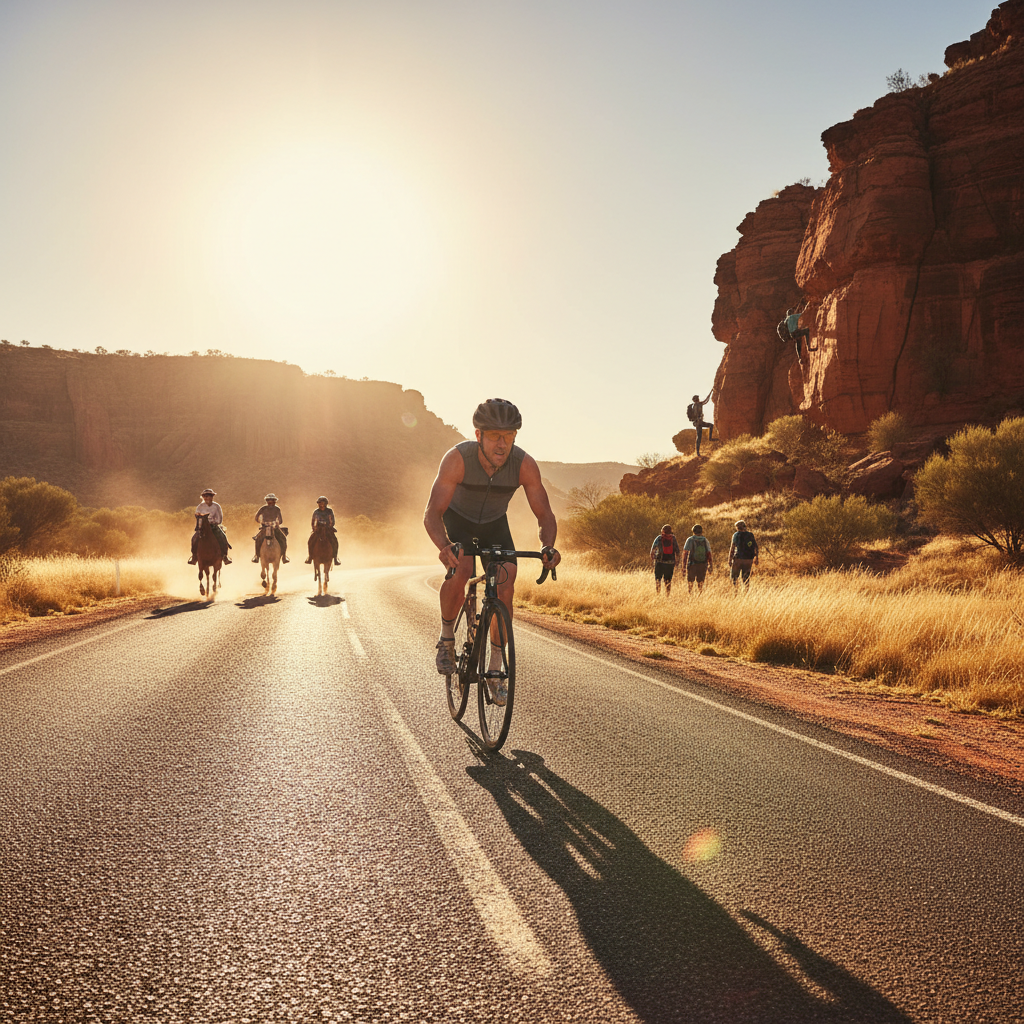
Beat the Heat: Riding Your Bike in Extreme Australian Conditions
Australia. We love our sunshine. We also love our cycling. But when the mercury climbs and the UV index screams 'danger', mixing the two can feel like a recipe for disaster. Overheating on the bike isn't just uncomfortable; it's dangerous. It leads to fatigue, poor decision-making, and can rapidly escalate to heatstroke.
This guide is for serious cyclists who refuse to be sidelined by the heat. We're cutting through the fluff and giving you actionable, no-nonsense advice to keep you riding safely and comfortably, even when the sun is doing its worst. We assume you're a responsible helmet wearer – if you need to get your helmet sorted, check out our Products page for options and our How to Install guide.
The Realities of Australian Heat and Cycling
Let's be blunt. Australian summers are no joke. We're talking prolonged periods of 35°C+ days, high humidity in some regions, and a relentless sun that dishes out serious UV radiation. Long daylight hours mean more opportunity for exposure, and for cyclists, that exposure is amplified. You're moving, generating your own heat, and often exposed to direct sunlight for extended periods. Helmets, while essential for safety, can also trap heat. This is where smart strategies become non-negotiable.
Why Overheating is a Silent Killer on the Bike
Your body regulates temperature through sweating. When the environment is hotter than your body, or you're exerting yourself heavily, your body works overtime to cool down. If it can't keep up, several things happen:
Performance Decline: Muscles fatigue faster, coordination suffers, and your ability to push the pedals diminishes significantly.
Cognitive Impairment: You'll find it harder to concentrate, react to hazards, and make smart decisions. This is incredibly dangerous when navigating traffic.
Heat Exhaustion: Symptoms include heavy sweating, clammy skin, dizziness, nausea, and muscle cramps. It's a serious warning sign.
Heatstroke: This is a medical emergency. Core body temperature reaches 40°C or higher. Symptoms include confusion, loss of consciousness, seizures, and hot, dry skin (or sometimes heavy sweating). Immediate medical attention is required.
Ignoring the heat is simply not an option. Your health and safety depend on understanding and managing it.
Pre-Ride Preparation: Your First Line of Defence
Smart cycling in the heat starts long before you clip in. It’s about setting yourself up for success.
1. Hydration: More Than Just Water
This is paramount. You need to be hydrated before you even think about heading out.
Start the Day Before: Don't chug litres of water an hour before your ride. Start hydrating well in advance, sipping water consistently throughout the day leading up to your ride.
Electrolytes are Key: Water alone isn't enough when you're sweating profusely. Electrolytes (sodium, potassium, magnesium, calcium) are lost in sweat. Consider electrolyte tablets, powders, or sports drinks mixed with water. These replace what you lose and help your body retain fluids more effectively.
Monitor Your Urine: Pale yellow is the goal. Dark urine is a sign of dehydration.
2. Fueling Smart
Your body needs fuel, but heavy, fatty meals can increase your metabolic heat. Opt for easily digestible carbohydrates before your ride.
3. Timing Your Ride
This is the most effective prevention. If you can, avoid the hottest parts of the day.
Dawn Patrol: The coolest time of day is usually a few hours after sunrise. Get out then and be back before the real heat sets in.
Dusk Rides: If you must ride later, aim for the cooler hours after sunset. Remember navigation and visibility!
Midday Avoidance: On days where the forecast is extreme (think 38°C+), seriously consider skipping the midday ride entirely. Check the Bureau of Meteorology for local conditions and UV index. A UV index of 11+ is extreme.
4. Gear Up Wisely
Your clothing and helmet setup can make a big difference.
Lightweight, Breathable Clothing: "Light-coloured and loose-fitting" is the general rule. Synthetic fabrics designed for wicking sweat away from your skin are superior to cotton, which holds moisture.
Sun Protection: Beyond your helmet, consider arm sleeves, leg warmers (yes, in some cases, they can help keep you cooler by preventing sunburn and wicking sweat), and UV-protective sunglasses.
Your Helmet: This is non-negotiable. Ensure it's well-ventilated. A helmet brim, like our Da Brim, is crucial for keeping the sun off your face and neck, reducing direct heat absorption and glare. It also helps channel airflow. If your helmet is old or in bad shape, it's time for an upgrade. Browse our Products for options.
On-Ride Strategies: Staying Cool and Focused
Preparation is half the battle. The other half is what you do while you're actually riding.
1. Hydration and Nutrition on the Move
This is where your planned hydration pays off. You need to be drinking before you feel thirsty.
Carry Enough: Plan your routes to include water stops if you can’t carry enough for the whole ride. For longer or hotter rides, carry more fluid than you think you'll need.
Sip Regularly: Don't chug. Take small, frequent sips every 15-20 minutes.
Electrolytes, Again: If you’re on a long or intense ride, ensure your bottles contain electrolytes.
2. Pace Yourself
Pushing too hard in the heat is a fast track to overheating. "Grind it out" mentality is dangerous when temperatures are extreme.
Lower Your Intensity: Dial back the pace. Focus on steady efforts rather than sprints or hard climbs.
Listen to Your Body: If you feel dizzy, nauseous, or excessively fatigued, pull over, preferably into shade. Rest and rehydrate.
3. Utilise Shade and Wind
Look for opportunities to cool down.
Seek Shade: Even short breaks in the shade can help your body recover.
Use the Wind: While you generate your own airflow, any natural breeze will help considerably. Position yourself to maximise wind exposure when possible.
4. Cooling Techniques
Don't underestimate simple tricks.
Dampen Your Jersey/Bandana: A wet cloth around your neck or forehead can have a surprisingly cooling effect.
Splash Water: If you stop, splash cool water on your face, neck, and wrists.
Post-Ride Recovery: Don't Forget This Crucial Step
Cooling down properly after a hot ride is as important as preparing for it. It helps your body return to a safe temperature and aids recovery.
1. Gradual Cool Down
Don't stop pedalling abruptly. Spin easy for 5-10 minutes to lower your heart rate gradually.
2. Rehydrate Diligently
Continue sipping water and electrolyte drinks. Your body will need significant fluid replenishment.
3. Cool Shower
A cool (not icy cold) shower can help your body temperature come down safely.
4. Nutrition for Recovery
Once you've cooled down and rehydrated, take on some food to aid muscle repair.
Common Objections and How to Handle Them
We hear it all the time. "It's just a bit of heat," or "I've always ridden in the heat and been fine." Let's break these down.
Objection: "I'm used to the heat; I'll be fine."
Reality: Acclimatisation takes time, and even highly conditioned athletes can suffer from heat illness. What felt fine last year might not be fine this year with changing climate patterns. Your body's core temperature is paramount. Don't gamble with it.
Objection: "Helmets trap too much heat."
Reality: Helmets are mandatory safety equipment. The solution isn't to ditch your helmet; it's to manage the heat better with your helmet. A well-ventilated helmet, combined with accessories like a brim to reduce sun on your head and face, and smart hydration, negates much of this concern. Our Products page shows how a brim is designed to work with your helmet.
Objection: "I don't want to drink all that liquid; it slows me down."
Reality: Dehydration slows you down far more than carrying a little extra fluid. The perceived inconvenience of carrying water is negligible compared to the risk of heat exhaustion or heatstroke.
Objection: "I only ride for a short time; I don't need to worry."
Reality: Even a short, intense ride in extreme heat can be dangerous. Your body's core temperature can rise quickly under exertion.
Quick Checklist: Your Heatwave Riding Guide
Print this out or save it. Refer to it before every potentially hot ride.
[ ] Check the Forecast: UV Index and temperature are critical.
[ ] Hydrate Pre-Ride: Start 24 hours prior. Aim for pale yellow urine.
[ ] Electrolytes: Plan for them in drinks or supplements.
[ ] Timing: Ride early morning or late evening if possible.
[ ] Gear: Lightweight, breathable clothing. Helmet with adequate ventilation. Sun protection (brim, sunglasses).
[ ] Carrying Capacity: Ensure you have enough fluids for the planned ride duration.
[ ] Pacing: Lower intensity, avoid pushing too hard.
[ ] Listen to Your Body: Stop if you feel unwell.
[ ] Shade & Wind: Utilise them for breaks.
[ ] Post-Ride: Gradual cool-down, rehydrate, replenish.
Know Your Limits: When to Call It
This is the most important piece of advice.
Some days, the heat is simply too extreme. If the forecast is for severe heatwave conditions (e.g., 40°C+ with high humidity) and the UV index is consistently extreme, it's often safest to stay off the bike. Your health is your priority. There's always another ride day.
For more information and common questions, visit our FAQ. For general cycling tips and news, check out our Blog.
Don't let the heat win. Ride smart, ride safe, and enjoy the Australian outdoors responsibly. Your future self will thank you for it. Remember, preparedness is your best defence against the scorching Aussie sun.