
Beat the Heat: Conquer Your Ride in Extreme Australian Sun
Don't let scorching temperatures sideline your cycling. Learn practical strategies to stay cool and safe under the harsh Australian sun, even on your hottest days. This guide focuses on helmet wearers.
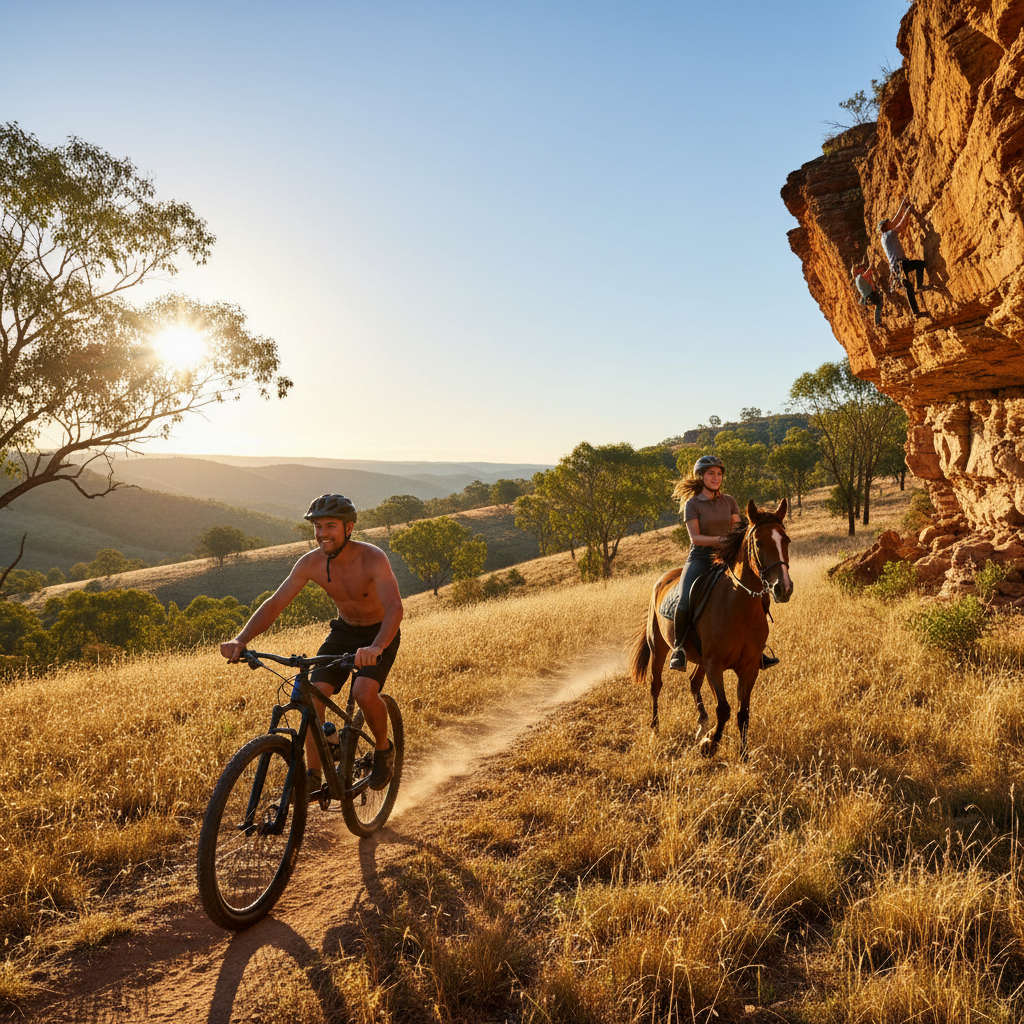
Beat the Heat: Conquer Your Ride in Extreme Australian Sun
Australia. We love it. But in summer, those long days under a relentless sun mean serious heat. Riding your bike can quickly turn from a joy to a struggle if you're not prepared. Overheating is more than just uncomfortable; it's dangerous. Your helmet, essential for safety, can also become a personal sauna if you're not careful. This isn't a guide for pros training in the Tour de France; this is for everyday riders like you, navigating real-world Australian conditions. We're talking about those days when the UV index is maxing out and the bitumen feels like it's melting.
Let's cut to the chase: you can ride in extreme heat without turning into a puddle. It takes preparation, smart choices, and the right gear. And yes, your helmet is a key part of that gear, especially with the right accessories.
Why Heat is a Serious Problem for Cyclists
When you cycle, your body generates a lot of heat. In hot conditions, it becomes harder for your body to dissipate this heat effectively. Your core temperature rises, leading to a cascade of negative effects:
Dehydration: You sweat more to cool down, losing vital fluids and electrolytes.
Reduced Performance: Fatigue sets in faster, your muscles cramp, and your mental focus deteriorates. You're just not as strong or as sharp.
Heat Exhaustion: Symptoms include heavy sweating, dizziness, nausea, headache, and weakness. This is a warning sign.
Heatstroke: This is a medical emergency. Your body's cooling system fails. Symptoms include confusion, a high body temperature, and a lack of sweating (or hot, dry skin). Immediate medical attention is required.
Your helmet, while crucial for head protection, can trap heat. Traditional helmets rely on vents for airflow, which can only do so much when ambient temperatures are soaring and there's no breeze. This is where thinking smarter about your cycling setup becomes critical.
Pre-Ride Preparation: Your First Line of Defence
Don't wait until you're out the door and feeling the heat to think about it. Preparation starts long before you clip in.
1. Hydration is Non-Negotiable
This is the most critical point. You need to be hydrated before you even start riding and keep sipping throughout.
Start Hydrating Hours Before: Don't just chug water right before you leave. Drink plenty of water throughout the day leading up to your ride. Aim for clear or pale yellow urine.
Electrolytes Matter: Water alone isn't always enough. When you sweat, you lose salts and minerals. Consider electrolyte tablets or powders mixed with your water. These help your body absorb fluid and prevent cramps.
Carry Enough Fluids: Know your route. Will there be places to refill? If not, carry more than you think you need. Two bottles are often the minimum for a decent summer ride.
Sip, Don't Gulp: Take small, regular sips while riding. Don't wait until you're thirsty – thirst is already a sign of dehydration.
2. Fueling Smart
Heavy meals before a hot ride can make you feel sluggish and divert blood flow to your digestion, away from cooling your skin. Stick to easily digestible foods.
Light, Carb-Rich: Think fruit, toast, or energy bars.
Avoid Greasy or Heavy Foods: These take longer to digest and can contribute to feeling uncomfortable.
3. Timing is Everything
Australia experiences some of the harshest sun. Riding during the hottest part of the day is asking for trouble.
Early Morning Rides: Your best bet. Capitalise on cooler temperatures and lower UV levels.
Late Afternoon/Evening Rides: A good alternative, but be mindful of fading light and insects. You'll still need sun protection.
Avoid Midday: Between 10 AM and 4 PM is generally when the sun is most intense.
4. What to Wear (Beyond the Helmet)
Your cycling kit plays a role in managing heat.
Light Colours: Dark colours absorb more heat. Opt for light, breathable fabrics that reflect sunlight.
Moisture-Wicking: Choose jerseys and shorts made from technical fabrics that pull sweat away from your skin and allow it to evaporate.
Sun Protection: Even on cloudy days, UV rays can penetrate. Wear a cycling cap under your helmet for an extra layer of shade and sweat management. Products like our helmet brims offer superior, adaptable sun protection.
During the Ride: Tactics for Staying Cool
So, you've prepped. Now, how do you manage the heat while you're on your bike?
1. Pace Yourself
Pushing too hard in the heat is a recipe for disaster. Your body can't keep up with the combined demands of exertion and heat dissipation.
Go Easy: Focus on completing the distance rather than chasing personal bests. Dial back the intensity.
Listen to Your Body: If you feel dizzy, nauseous, or excessively fatigued, stop. Find shade, rehydrate, and reassess.
2. Seek Shade
Where possible, ride through shaded areas. Tree-lined paths or streets with buildings can offer respite.
3. Use Water Strategically
Water isn't just for drinking. It can be a powerful cooling tool.
Soak Your Jersey: Dampening your cycling jersey can help evaporative cooling.
Splash Your Face and Neck: A quick application of cool water can significantly lower your perceived temperature.
Cooling Towels: A dedicated cooling towel, kept wet in a ziplock bag, can be draped around your neck for sustained cooling.
4. Adjust Your Helmet Strategy
This is where your helmet can become your ally, not just a heat trap. Traditional helmets rely solely on vents, and in extreme heat, vents alone are insufficient. This is why solutions designed to enhance sun protection and airflow are crucial.
Consider a Helmet Brim: Adding a brim to your helmet is a game-changer. It shields your face from direct sun, reducing exposure and heat absorption on your head and face. This means less sun glare, less sunburn risk, and a more comfortable ride. Properly designed brims, like those from Da Brim, are engineered to work with your helmet's ventilation, not against it. They create a broader shade canopy, offering protection that a cycling cap or sunglasses alone can't match. Check out our Products page for options.
Ensure Proper Fit: A well-fitting helmet is key for safety and comfort. It shouldn't move around. If you add a brim, ensure it doesn't compromise the helmet's stability. Our How to Install guide is simple and ensures a secure fit.
Don't Remove Your Helmet: Never remove your helmet while riding, even for a moment, to cool down. The risk of head injury outweighs any temporary cooling benefit.
5. Take Breaks
If you're on a longer ride, plan for breaks in the shade to cool down, rehydrate, and refuel.
Post-Ride Recovery: Don't Forget It!
Your work isn't done when you stop pedalling.
Continue Hydrating: Replenish fluids and electrolytes.
Cool Down Gradually: Don't jump straight into a cold shower. Cool down your body temperature slowly.
Check for Sunburn: Even with protection, it's possible to get burnt. Apply after-sun lotion if needed.
Objection Handling: But I Have to Ride When It's Hot!
We get it. Sometimes, life happens, and you need to ride in less-than-ideal conditions. Or maybe you're training and can't always pick the perfect time.
Objection: "My helmet has vents, won't that be enough?"
Reality: In mild conditions, yes. In extreme Australian heat, vents alone are often insufficient. They help, but they can't overcome the sheer thermal load of riding in 40°C heat. Adding a brim to your helmet significantly enhances your protection by blocking direct solar radiation before it even hits your head and face.
Objection: "Adding something to my helmet will make it too hot/heavy/unsafe."
Reality: A well-designed accessory, like Da Brim, is lightweight and engineered to integrate with your helmet without compromising its safety or primary function. In fact, by reducing sun glare and heat on your face, it can improve your focus and comfort, indirectly enhancing safety. Our brims are designed for easy How to Install and secure attachment.
Objection: "I don't want to look silly."
Reality: Safety and comfort are paramount. A bit of practical gear to keep you safe and performing well in harsh conditions is far from silly. It's smart. Plus, many riders are adopting these solutions because they work. You can find more answers to common questions in our FAQ.
Essential Heat Riding Checklist
Before you head out on a hot day, run through this quick checklist:
[ ] Hydrated hours before ride?
[ ] Electrolytes planned?
[ ] Sufficient water in bottles?
[ ] Light-coloured, breathable kit?
[ ] Sun protection (brim on helmet, sunglasses, sunscreen)?
[ ] Route planned with shade/refill points?
[ ] Pace adjusted for heat?
- [ ] Helmet fitted correctly with any accessories?
Quick Guide: Smart Gear for Hot Rides
| Item | Why it Helps in Heat | Notes |
|---|---|---|
| Helmet Brim | Blocks direct sun, reduces glare & heat on face | Essential for intense Australian sun |
| Electrolytes | Replaces lost salts, aids hydration, prevents cramps | Use tablets, powders, or sports drinks |
| Light Kit | Reflects sun, stays cooler | Opt for white, yellow, pale blue |
| Cooling Towel | Provides sustained evaporative cooling around neck | Keep wet in a ziplock bag |
| Water Bottles | Essential for hydration and tactical cooling | Carry more than you think you need |
Conclusion: Ride Smarter, Not Harder
Riding in extreme Australian heat is challenging, but it doesn't have to mean suffering. By prioritising hydration, timing your rides wisely, pacing yourself, and crucially, optimising your helmet for sun protection with an effective brim, you can significantly improve your comfort and safety. Don't let the heat dictate your cycling life. Explore our range of Products and make your rides enjoyable, no matter how high the temperature climbs. Remember, safety first. For more tips and to see how other riders are staying protected, check out our Blog.
Stay cool, stay safe, and keep riding.