
Beat the Heat, Conquer the Climb: Staying Cool and Focused on Long Australian Routes
Don't let the Australian sun and heat sideline you on your next long climbing route. Learn practical strategies to stay cool, focused, and safe with your helmet.
Beat the Heat, Conquer the Climb: Staying Cool and Focused on Long Australian Routes
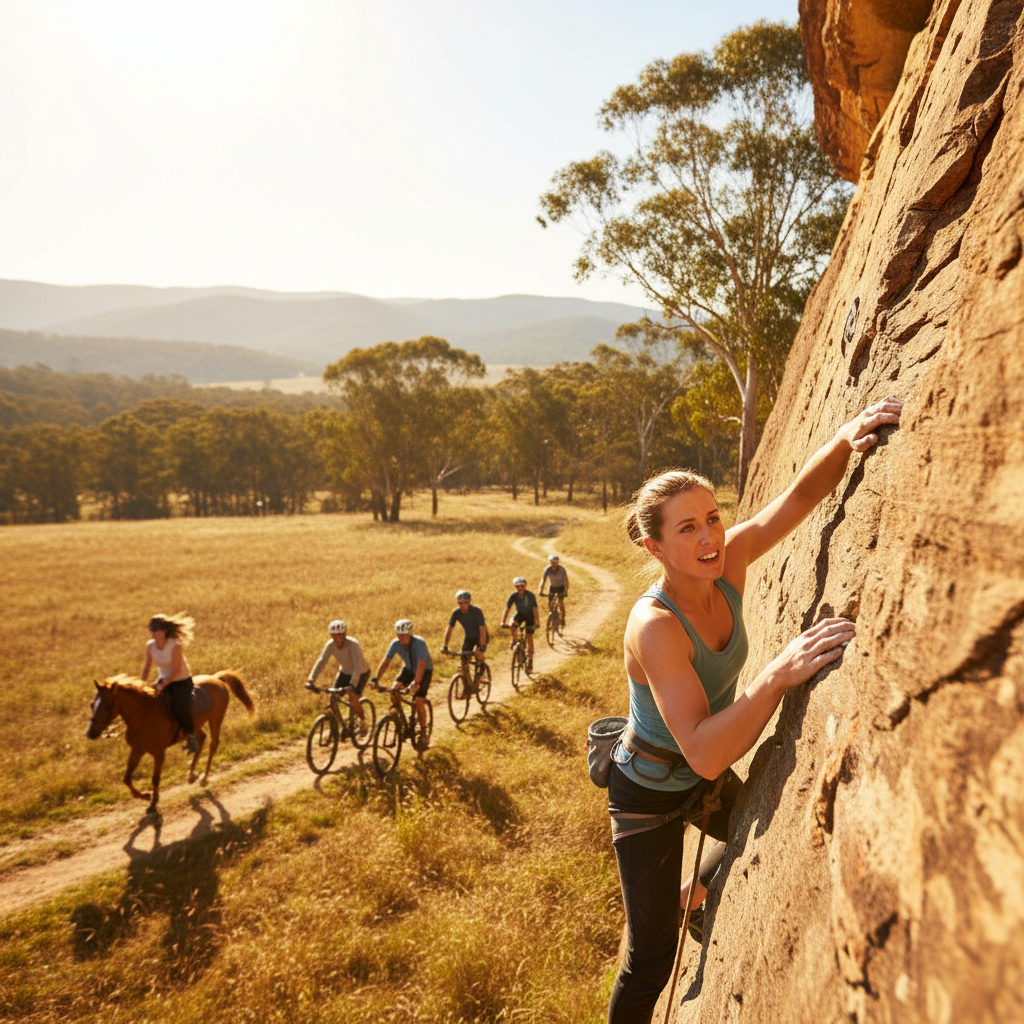
Australia. Beautiful country. Incredible climbing. And a sun that doesn't mess around. Long climbing routes, especially during the warmer months, demand more than just physical strength and technique. They demand mental fortitude, and that's severely compromised when you're overheating and squinting against the glare. Your helmet is designed for protection, but it can also be a crucial tool in managing your environmental comfort and maintaining peak focus.
This isn't about fluffy wellness advice. This is about practical, no-nonsense strategies to keep you performing at your best, from the first pitch to the last, under harsh Australian conditions. We're talking about days with UV indexes soaring and temperatures that make even the shadiest crag feel like an oven. Let's get into it.
The Enemy: Heat and Sun on Long Pitches
Think about what’s happening when you’re on a long route. You’re exerting yourself physically, generating body heat. The sun beats down, adding external heat. Your helmet, while essential, can sometimes trap heat and limit airflow, especially if it’s a basic model. This combination leads to several problems:
Reduced Cognitive Function: Heat directly impacts your brain. Even a slight rise in core body temperature can impair decision-making, reaction time, and problem-solving. On a climb, a lapse in focus can be dangerous.
Increased Fatigue: Your body works harder to cool itself, diverting energy that should be going to your muscles. This means you get tired faster.
Dehydration: Sweating is your body’s natural cooling mechanism, but excessive sweating leads to dehydration, which further exacerbates heat issues and impairs performance.
Sun Burn and Glare: Even with sunscreen, prolonged exposure can still be an issue. Glare off the rock and surrounding surfaces can cause eye strain and headaches, making it hard to spot holds or assess the route.
Your helmet is your primary safety gear, but it needs to work with you, not against you, especially on endurance climbs. This is where smart preparation and the right additions to your climbing setup come in.
Smart Strategies for Staying Cool and Focused
1. Hydration is Non-Negotiable
This is the absolute baseline. You cannot stay cool or focused if you're dehydrated. Don’t wait until you’re thirsty; by then, you're already behind.
Pre-hydrate: Start drinking plenty of water the day before and the morning of your climb.
Electrolytes Matter: For long, hot days, water alone isn't enough. Add electrolyte tablets or powders to your water. These replace salts lost through sweat, helping your body retain fluid and preventing cramps.
Sip, Don’t Gulp: On the climb, take small, frequent sips of water from your hydration pack or bottle. Don't wait for belay stations; drink during easier sections if possible.
Carry Enough: This is critical for long routes. Accurately gauge how much water you’ll need based on the route length, expected time, and temperature. It's always better to have a little extra.
2. Strategic Shading and Helmet Optimization
Your helmet’s primary function is impact protection, but it can also be a platform for sun management.
The Right Helmet: While we’re not selling helmets, consider that some helmets offer better ventilation than others. If yours feels like a personal sauna, start there. However, even a well-ventilated helmet can be improved.
The Power of a Brim: This is where a simple, effective accessory can make a massive difference. A good helmet brim, like the Da Brim, extends beyond the helmet's edge, creating shade for your face, neck, and eyes.
Reduced Glare: This is huge. By keeping the sun out of your eyes, you significantly reduce squinting and eye strain. This means clearer vision, better performance, and less chance of headaches or fatigue from visual discomfort.
Direct Sun Protection: It acts like a personal umbrella, shielding your face and scalp from direct UV radiation, even when you’re on an exposed pitch. This helps keep your head cooler.
Drip Management: On hot days, sweat can drip into your eyes, causing stinging and distraction. A brim helps channel this sweat away.
Many climbers discount brims as unnecessary, but the science is simple: less direct sun equals less heat absorbed by your head and less glare impacting your vision.
Installation is Key: Make sure any brim you use is securely attached. Our brims are designed for easy installation and a secure fit. Check out our guide on How to Install to ensure it’s properly fitted to your helmet.
3. Pace Yourself and Plan Your Efforts
Long routes aren’t sprints. They require a steady, sustainable effort.
Climb in the Shade: Whenever possible, plan your ascent to take advantage of natural shade. This might mean starting early or late to catch the sun’s shadow on specific sections.
Efficient Movement: Minimize time spent on exposed, sun-baked rock. Focus on smooth, efficient movement to conserve energy.
Belay Station Strategy: Use belay stations to your advantage. If there’s shade, take a moment to rest and rehydrate. If not, focus on staying cool and conserving energy as much as possible.
4. Cooling Techniques
Beyond hydration, there are simple ways to actively cool down.
Cool Towel/Bandana: A damp bandana or small towel tucked into your helmet (behind the brim, so it doesn’t interfere with fit) can provide evaporative cooling. Re-wet it at water sources when possible.
Head Dousing: If you have access to water, a quick splash of cool water on your head and neck can provide immediate relief.
Ventilation Awareness: Pay attention to your helmet’s vents. Ensure they aren’t blocked by hair or sweatbands. If a brim slightly obstructs a vent, consider how it’s positioned; most are designed to work with existing ventilation.
5. Nutrition for Endurance
What you eat fuels your climb and impacts your body’s ability to manage heat.
Salty Snacks: Craving salty snacks? Embrace it. They help replenish electrolytes lost through sweat.
Easy to Digest: Opt for foods that are easy to digest on the go. Energy bars, gels, dried fruit, and nuts are good choices.
Avoid Heavy Meals Beforehand: A heavy meal before a long climb can divert blood flow from your muscles to your digestive system, making it harder to perform and potentially exacerbating heat.
Common Objections and How to Handle Them
“A brim will just get in the way.”
This is usually a concern about snagging on the rock or rope. Our brims are specifically designed to have a low profile and smooth edges to minimise this risk. When properly installed according to our guide How to Install, they extend forward and slightly to the sides, primarily shielding your face and eyes, not creating major protrusions that are likely to snag. On most routes, the benefit of shade and reduced glare far outweighs the minimal added risk, which can be further mitigated by mindful helmet placement and rope management.
“It’ll make my helmet too hot.”
Counter-intuitive, but a brim can actually help keep your head cooler. Direct sunlight hitting your scalp and face is a significant heat source. By blocking that direct solar radiation, the brim reduces the amount of heat your head absorbs. While it might slightly reduce airflow in certain areas, the overall reduction in absorbed heat is often more beneficial, especially on exposed, sunny routes.
“It looks silly.”
Safety and performance are rarely about fashion. Climbers wear all sorts of gear that prioritises function over aesthetics. If wearing a brim means you can climb longer, safer, and with more focus in demanding Australian conditions, then it’s functional gear, plain and simple. Functionality is king on the rock.
“My helmet already has vents.”
Great! Vents are crucial. However, most helmet vents are designed for general airflow under moderate conditions. On a still, scorching Australian afternoon, or when you're moving slowly on a crux, passive venting alone might not be enough. A brim complements existing ventilation by reducing the external heat load your helmet has to deal with in the first place. It’s damage control for solar radiation.
Checklist for Heat-Proofing Your Long Climbs
Before you head out on your next long route, run through this checklist:
Hydration Pack/Bottles: Filled and sufficient for the route duration + buffer.
Electrolytes: Tablets or powder included.
Helmet Brim: Securely attached – check How to Install.
Sunscreen: Applied liberally to exposed skin.
Sunglasses/Goggles: For the approach/descent if needed (though a brim helps immensely on route).
Lightweight, Light-Coloured Clothing: To reflect solar radiation.
Cooling Towel/Bandana: For evaporative cooling.
Energy-Rich, Easy-to-Digest Snacks: Plenty of them.
Route Plan: Knowing where shade might occur and when to climb sections.
Step-by-Step: Integrating a Brim for Maximum Benefit
This isn't complicated, but a little intentionality goes a long way:
1. Choose the Right Brim: Select a brim designed for your helmet type. Our Products page has options for various helmet styles.
2. Install Properly: Follow the How to Install instructions carefully to ensure a secure, stable fit. This is non-negotiable for safety and effectiveness.
3. Test on Shorter Approaches: Before a big route, wear it on a few shorter climbs or approaches to get used to the feel and adjust your helmet position if necessary.
4. Integrate with Hydration: Plan your sips so you're drinking regularly. The brim means less squinting, so you can focus on that sip without distraction.
5. Awareness of Shade: Use the shade provided by the brim to actively assess the rock and your surroundings, reducing eye fatigue.
6. Re-wet Cooling Gear: If using a damp bandana, find opportunities to re-wet it at water sources, ideally during descents or at the base.
Beyond the Helmet: Broader Considerations
While this post focuses on helmet-based solutions, remember that comprehensive sun safety and heat management go broader. Always check the UV index for your climbing location. Long days in Australia mean you're exposed to intense UV radiation for extended periods. If you're unsure about anything, our FAQ section can help, and our Blog has more tips for climbers.
Conclusion
Conquering long climbing routes in Australia’s intense sun and heat is a multidimensional challenge. Your helmet is a vital piece of safety equipment, and with the right accessories and strategies, it can become a powerful ally in managing heat and maintaining focus. Don't let the elements dictate your performance. By prioritising hydration, optimising your helmet with a suitable brim, pacing yourself wisely, and employing simple cooling techniques, you can stay comfortable, sharp, and safe, allowing you to fully enjoy and succeed on those epic Australian climbs. Your focus depends on it.