
Beat the Heat and Sun: Staying Focused on Long Australian Climbs
Long days under the harsh Australian sun can drain your focus and your cool. Learn practical strategies to stay sharp and comfortable on extended climbing routes, from managing heat to optimising your gear.
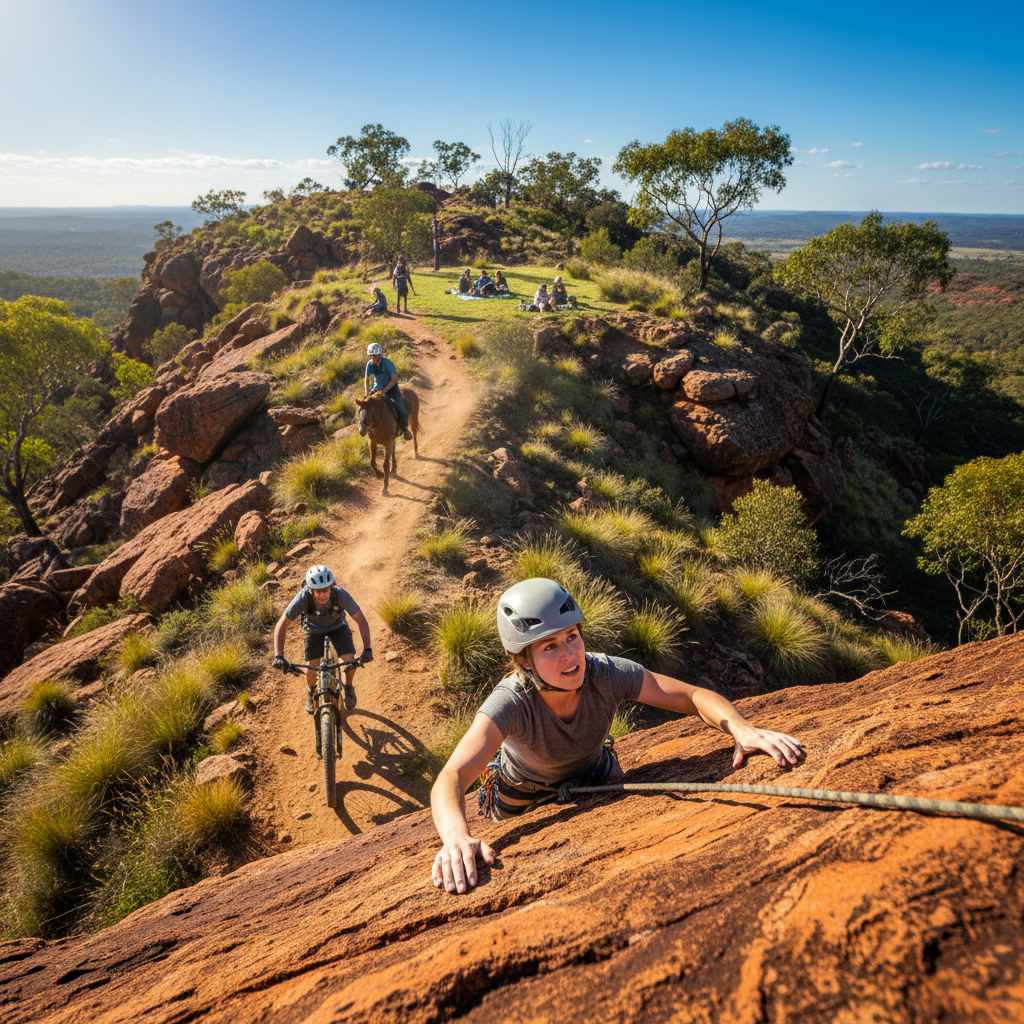
Beat the Heat and Sun: Staying Focused on Long Australian Climbs
Australia. Beautiful country. Great climbing. But let's be honest, the sun here is no joke. Long days out on the rock, especially in summer, can turn what should be an epic adventure into a sweaty, sun-baked slog where focus is the first thing to go. You're squinting, you're dehydrated, you're just plain uncomfortable. This isn't just annoying; it's dangerous. Reduced focus on a climb means increased risk. So, how do you stay cool, comfortable, and sharp when you're hours into a route under that relentless UV?
We're talking practical, no-nonsense tips for climbers who spend serious time on the rock. This isn't about luxury; it's about survival and performance. We'll cover everything from managing your body temperature to optimising your gear, with a special nod to those particularly brutal Australian conditions.
The Sun: Your Unwanted Climbing Partner
In Australia, we deal with some of the highest UV indexes in the world. Even on a cloudy day, that UV can penetrate. On a clear day, under a bright sun, it's like a furnace. Long routes mean prolonged exposure. This leads to a few key problems:
Heat Exhaustion & Heatstroke: Your body struggles to regulate its temperature. Symptoms include headache, dizziness, nausea, weakness, and confusion. This is where focus completely deserts you.
Dehydration: Sweating profusely, you lose vital fluids. Dehydration impairs physical and mental performance. Ever felt that brain fog when you're thirsty? Multiply that by ten when you're hanging off a cliff.
Sunburn: Beyond the immediate pain, sunburn can lead to fatigue and further dehydration.
Glare: Constant squinting tires your eyes and makes it harder to spot handholds or assess rock quality.
These aren't minor inconveniences; they are direct threats to your safety. Staying cool and focused is a core part of your climbing strategy, just as important as your knots and belay technique.
Gear Up: Your First Line of Defence
Your helmet is your most critical piece of safety equipment. But even the best helmet can be improved to combat the Australian sun and heat. We're talking about accessories that make a real difference when the mercury climbs.
The Humble Brim
This is non-negotiable for extended outdoor climbing in Australia. A helmet brim, properly fitted, provides shade for your face and neck. It significantly reduces glare, meaning less squinting and more visual clarity. This instantly improves your focus and reduces eye strain. It also offers a degree of protection from falling debris, a dual benefit.
Objection Handling: "But it looks silly!" or "It'll get caught!" Honestly, in the Australian sun, function trumps fashion. And with the right brim, like those designed for helmets, it sits securely and won't impede your vision or get snagged. We’ve designed our Products with this in mind, ensuring a snug fit and maximum coverage.
Installation: If you've got a brim that's not attaching securely, or you're unsure, check out our guide on How to Install. Proper installation is key to its effectiveness and your safety.
Light-Coloured Clothing
While not directly helmet-related, what you wear underneath your helmet matters. Light colours reflect sunlight, keeping you cooler than dark colours which absorb it. Breathable fabrics are essential.
Sunscreen and Hat Underneath
Even with a brim, gaps exist. A high SPF, sweat-resistant sunscreen is vital for any exposed skin – ears, neck, even the back of your hands.
Some climbers like to wear a thin, breathable cap or bandana under their helmet. This can help wick away sweat and add another layer of sun protection. Ensure it fits comfortably and doesn't interfere with your helmet's adjustment or safety.
Hydration and Nutrition: Fuel Your Focus
The long days and heat demand a robust strategy for fluid and electrolyte intake. Don't wait until you're thirsty. Thirst is already a sign of dehydration.
Water, Water, Everywhere...
Carry More Than You Think You Need: This is crucial. A standard day's climbing in the Australian heat might require significantly more water than you'd use elsewhere. Plan your water drops or carry capacity.
Electrolytes are Your Friend: Plain water is good, but long days and heavy sweating deplete essential salts. Electrolyte tablets or powders added to your water are a game-changer. They help your body absorb water more efficiently and prevent cramps. Think of it as replenishing the power grid.
Sip, Don't Gulp: Regular, small sips throughout the day are more effective than chugging large amounts at once.
Smart Snacking
Focus requires energy. Climbing burns calories. Your snacks should provide sustained energy, not sugar rushes that lead to crashes.
Complex Carbs: Trail mix (watch the nuts for heat absorption), energy bars, dried fruit.
Salty Snacks: Pretzels, crackers – these help replenish sodium lost through sweat.
Easy to Eat: You want things you can manage with one hand, or at belay stations, without a lot of fuss. Anything that requires complex preparation or can melt into a mess is a bad choice.
Pacing and Strategy: Minds and Bodies Work Together
Endurance is as much mental as it is physical. Overheating and dehydration crush your mental resilience. A smart approach to pacing can mitigate these effects.
The Importance of the Belay Stance
Belay stations aren't just a break from climbing; they're opportunities.
Rehydrate and Refuel: Take a few minutes to drink and have a small snack.
Cool Down: If possible, find shade. Splash water on your face and neck. If you have a spare bandana, soak it in water and wear it around your neck.
Assess and Plan: Mentally run through the next pitch. What are the cruxes? Where are the rests? This is where your focus sharpens.
Check Your Gear: Ensure your helmet is still snug, your sun protection is adequate.
Listen to Your Body
This is paramount. If you're feeling dizzy, nauseous, or significantly fatigued, it's not a sign of weakness to back off or take a longer break. It's a sign of intelligence.
Recognise the Signs: Early symptoms of heat stress are your body telling you to slow down.
Don't Push Through Severe Discomfort: Pushing too hard when you're overheated or dehydrated can lead to serious medical issues.
Communicate with Your Partner: If you're having trouble, speak up. Your climbing partner needs to know.
Managing Heat Gain: Proactive Cooling
Beyond shade from your brim and light clothing, there are active ways to manage your body temperature.
Water is Your Best Friend: As mentioned, drinking is key. But you can also use water externally.
Wet Bandana: A damp bandana around your neck or forehead can provide significant cooling as the water evaporates.
Splash Water: If you have water to spare, a quick splash on your face, neck, and wrists can help you cool down.
Seek Shade: Even just a few minutes in a shady spot can make a difference. Plan your climbs and breaks with an awareness of where shade will be at different times of the day. This might mean adjusting your start time or route choice.
Breathing Techniques: Deep, slow breaths can help regulate your body's stress response and, to some extent, your core temperature.
Table: Heat Management Essentials
| Strategy | Why it Works | Australian Consideration |
|---|---|---|
| Helmet Brim | Reduces glare, shades face/neck, improves focus | Essential for UV and direct sun exposure on long days |
| Hydration | Replaces fluids lost via sweat, prevents fatigue | Crucial due to high temps and prolonged activity |
| Electrolytes | Aids water absorption, prevents cramps, sustains energy | Replaces salts lost in heavy, prolonged sweating |
| Light Clothing | Reflects sun, allows air circulation, stays cooler | Minimises heat absorption under intense Australian sun |
| Sunscreen | Protects skin from UV | Always needed, even on overcast days with high UV |
| Pacing & Breaks | Allows body to recover, prevents overheating | Vital to avoid heat exhaustion on multi-hour routes |
Checklist for Long, Hot Climbs
Before you even head out, and throughout your climb, run through this:
[ ] Helmet with secure brim checked: Is it adjusted correctly?
[ ] Sufficient water: More than you think you’ll need.
[ ] Electrolyte supplements: Tablets or powder.
[ ] High SPF sunscreen applied: To all exposed skin.
[ ] Appropriate light-coloured, breathable clothing: Hat/bandana if desired.
[ ] High-energy, easy-to-eat snacks: Salty and complex carb options.
[ ] First aid kit: Standard climbing kit, with extra blister treatment for sweaty feet.
[ ] Shade plan: Where will you find it during breaks?
- [ ] Communication plan: How will you relay issues to your partner?
Step-by-Step: Reacting to Overheating
If you start to feel the heat getting the better of you, here's a simple process:
1. Acknowledge the Signs: Recognize that you are overheating. This is not weakness, it's your body's alarm system.
2. Seek Immediate Shade: Get out of direct sunlight as quickly as possible. This is your top priority.
3. Hydrate with Electrolytes: Drink your electrolyte-enhanced water. Sip slowly if feeling nauseous, but get fluids in.
4. Cool Down Externally: Splash water on your face, neck, and wrists. Apply a wet bandana if you have one. Loosen any tight clothing.
5. Rest: Take a longer break than usual. Do not push to continue climbing if symptoms are significant.
6. Assess and Re-evaluate: Once you feel some recovery, assess if you can safely continue. If symptoms persist or worsen, it's time to descend or call for assistance.
The Bottom Line
Climbing in Australia means respecting the sun. Long routes are demanding enough without adding unnecessary heat stress. By optimising your gear, especially your helmet with a quality brim, prioritising hydration and nutrition, and being smart about pacing and rest, you can significantly improve your comfort and, most importantly, your safety.
Don't let the sun dictate your performance or compromise your focus. Being prepared is your best defence. For more on staying safe and comfortable, and to explore our range of helmet accessories, check out our Products page. Remember, a well-equipped climber is a focused climber. For other tips and insights, browse our Blog or visit our FAQ page.
Stay cool, stay focused, and happy climbing.