
Beat the Heat and Sun Glare: Staying Focused on Long Australian Climbs
Long climbs in the Australian sun can be brutal. Learn practical ways to stay cool, manage glare, and maintain focus, so you can push your limits safely.
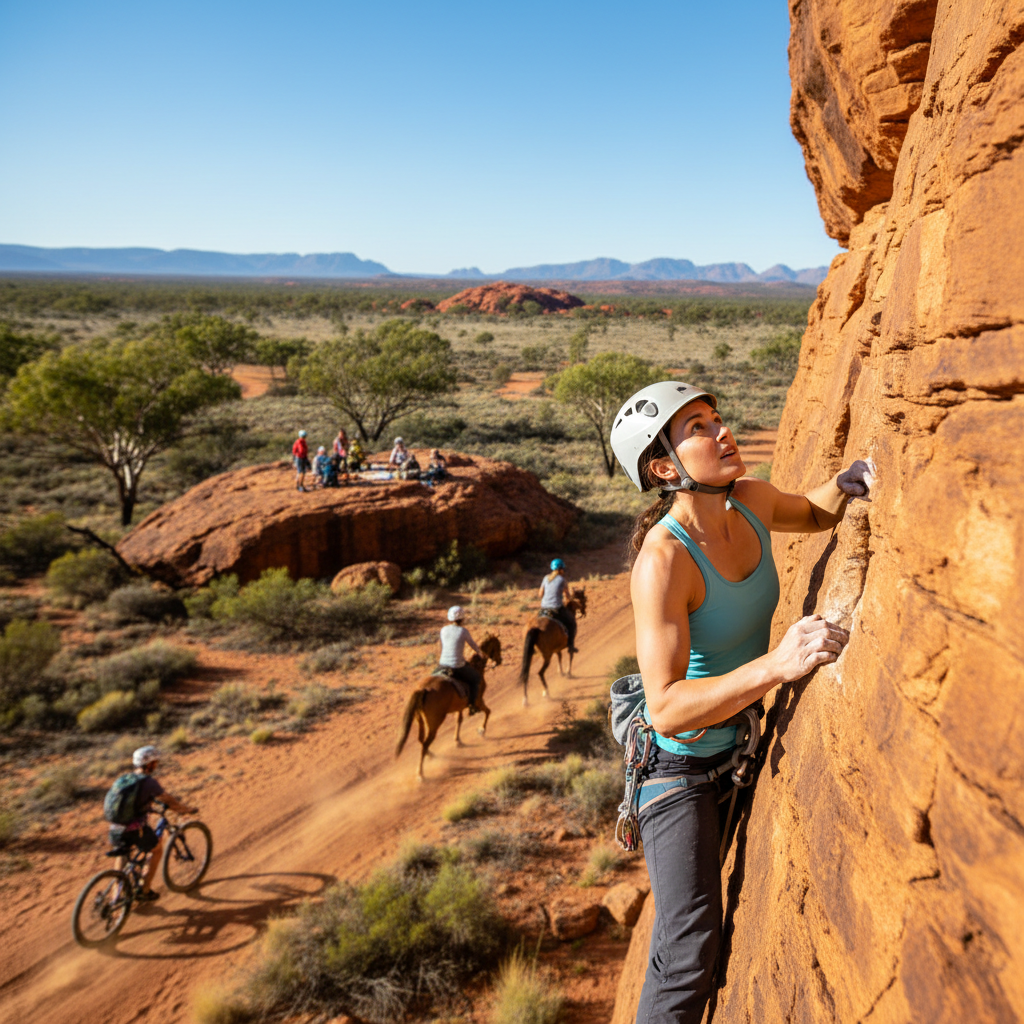
Beat the Heat and Sun Glare: Staying Focused on Long Australian Climbs
Australia. Beautiful country, brutal sun. Especially when you're out on a long climb. You know the drill: the relentless UV index even on a cloudy day, the heat building under your helmet, the glare off the rock making it impossible to see your next move. These aren't just minor annoyances; they're real threats to your safety and performance.
Focus is everything when you're climbing. One lapse in concentration, one misjudged hold, and things can go south fast. Heat exhaustion and sun blindness are major contributors to climbing accidents. We're not here to scare you, but to equip you. This is practical, no-nonsense advice on how to keep your head cool and your focus sharp, especially on those gruelling, sun-drenched ascents.
The Triple Threat: Heat, Glare, and Dehydration
Let's break down what you're up against:
The Sun's Intensity: Australia has some of the highest UV levels in the world. Even when it doesn't feel scorching hot, the UV damage is happening. Long days on the rock mean prolonged exposure. This can lead to sunburn, heatstroke, and long-term skin damage. Inside your helmet, it's a pressure cooker. Sweat builds up, and the heat can make you feel sluggish and disoriented.
Sun Glare: Rock surfaces, especially lighter coloured ones common in many Australian climbing areas, can reflect sunlight intensely. This direct glare can blind you temporarily, making it hard to spot crucial hand and footholds. Over time, it can contribute to eye strain and discomfort, further impacting your focus.
Dehydration and Electrolyte Imbalance: When you're working hard, especially in the heat, you sweat. A lot. This isn't just water loss; you're losing essential electrolytes. Dehydration and electrolyte imbalances lead to fatigue, headaches, muscle cramps, and a significant drop in cognitive function – exactly what you don't want when you're relying on precise movements and clear thinking.
Tactical Gear: Your First Line of Defence
Before you even tie in, your gear is critical. We're talking about more than just your harness and ropes. Your helmet, in particular, is your best mate in the sun. But standard climbing helmets often leave a lot to be desired when it comes to sun protection.
The Humble Helmet Brim
This is where our focus shifts. A good helmet absorbs impacts, but a standard helmet does little to shield you from the onslaught of the Australian sun. Thinking about adding a brim? Absolutely. It’s a simple addition that transforms your helmet from just a safety device into a serious sun-management tool.
A dedicated helmet brim, like those designed for climbing helmets, can:
Reduce Glare: It casts a shadow over your eyes, significantly cutting down on direct sunlight and reflected glare from the rock face. This means you can see better, spot holds more clearly, and react faster.
Lower Temperature: By shading your head, it can help keep the temperature under your helmet a few degrees cooler. It also helps prevent direct sun from heating up the helmet itself.
Protect from UV: A wider brim offers extended shade, protecting your face and neck from harmful UV rays, reducing the risk of sunburn and long-term skin damage.
We know what some of you are thinking: "Does it flop around?" "Will it get in the way?" "Is it worth the hassle?" We get it. We've addressed these concerns in our FAQ section. The key is a secure, well-fitted brim that's designed for your helmet. Our Products page showcases solutions designed for exactly this purpose – practical, effective, and built to last.
Staying Cool: More Than Just Shade
While a good brim is crucial, it’s only part of the equation. Keeping your core temperature down and staying hydrated requires a multi-pronged approach.
Hydration Strategy: Drink Before You're Thirsty
This is non-negotiable for long routes, especially in the Australian heat. Thirst is a lagging indicator – by the time you feel it, you're already dehydrated.
Pre-hydrate: Start drinking water hours before your climb. Don't chug it all at once, sip consistently.
Sip Regularly on Route: Keep water accessible. Use a hydration pack or securely fastened bottles. Aim for small, frequent sips.
Electrolytes Matter: Water alone isn't enough on long, hot pushes. Add electrolyte tablets or powders to your water. This helps your body absorb fluids more effectively and prevents cramps and fatigue.
Know Your Needs: Everyone sweats differently. On exceptionally hot days, you might need to carry more water than you think. Consider the length of the route, the temperature, and your personal sweat rate.
Cooling Techniques: Active Measures
When the heat is truly on, passive measures aren't always enough. Think about active ways to cool down when possible:
Water on the Bandana/Buff: If you have a bandanna or buff, soak it in water and wear it around your neck or head (under your helmet, if it fits comfortably). Evaporation is a powerful cooling tool.
Cooling Towels: Many climbing packs have room for a specialised cooling towel. Soak it at a rest stop, and feel the difference.
Strategic Breaks: If possible, take your breaks in the shade. Use this time to hydrate and cool down.
Maintaining Focus: The Mental Game
Even with the best gear and hydration, the heat and sun can sap your mental energy. Focus needs to be actively managed.
Visualisation and Route Reading
Pre-Climb Recon: If possible, scout the route beforehand. Mentally walk through the moves, identify potential cruxes, and note shaded sections. This reduces the need for on-the-spot problem-solving when you're already fatigued.
Break it Down: On long routes, don't think about the entire climb. Focus on the next pitch, the next set of moves, or even just the next hold. Break the challenge into manageable chunks.
Use Your Brim: Continuously adjust your head position to use your brim effectively. Consciously look under the brim. This subconscious action can help you re-centre your gaze on the rock and maintain visual focus.
Pace Yourself
Conserve Energy: Don't sprint up easy sections. Maintain a steady, efficient pace. This conserves energy and reduces body heat generation.
Listen to Your Body: If you're feeling overwhelmed by the heat or fatigue, don't push it. Communicate with your climbing partner. It's always better to bail and try again than to risk a serious incident.
Checklist for Sun-Safe Climbing
To make it easy, here's a quick checklist to run through before and during your climb:
Pre-Climb:
[ ] Check the UV index and weather forecast.
[ ] Wear sun-protective clothing (long sleeves, hat under helmet if appropriate).
[ ] Apply sunscreen liberally to all exposed skin and reapply regularly.
[ ] Hydrate thoroughly in the hours leading up to the climb.
[ ] Pack adequate water and electrolyte supplements.
[ ] Ensure your helmet brim is securely attached (see How to Install).
[ ] Pack a shaded rest break plan.
On the Climb:
[ ] Sip water frequently – don't wait for thirst.
[ ] Use electrolyte supplements.
[ ] Utilise your helmet brim to manage glare and shade your eyes.
[ ] Take advantage of shaded rest stops.
[ ] Employ cooling techniques (wet bandanna, etc.) if needed.
[ ] Pace yourself, conserve energy.
[ ] Regularly assess your physical and mental state.
[ ] Communicate openly with your climbing partner.
Step-by-Step to a Cooler, More Focused Climb
Let's break down the process of integrating these strategies for a long route:
Step 1: Pre-Ascent Preparation (2-4 Hours Before)
Hydration Infusion: Begin sipping water. Aim for 500ml to 1 litre depending on your size and the forecast.
Electrolyte Top-Up: If you're prone to cramping or have a long day ahead, take an electrolyte capsule or drink a sports beverage.
Gear Check: Double-check that your helmet brim is firmly attached and that you have easy access to your water supply.
Sunscreen Application: Apply a high-SPF, broad-spectrum sunscreen. Don't forget ears, neck, and the back of your hands.
Step 2: Early Ascent (First Few Pitches)
Establish Hydration Rhythm: Take your first sip of water within 30 minutes of starting. Continue every 15-20 minutes.
Utilise Glare Reduction: Actively use your helmet brim. Notice how it improves visibility on south-facing or shaded sections which can still have intense glare.
Pacing: Start a steady, sustainable pace. Avoid the temptation to go too fast early on.
Step 3: Mid-Ascent (The Grind)
Intensify Hydration: If you notice any signs of fatigue or increased sweating, increase your water intake and ensure you're using electrolytes.
Active Cooling: If you reach a longer belay stance, consider soaking a bandanna or buff and wearing it. If you have a water source, splash some on your face and neck.
Mental Re-focus: If your mind starts to wander, take a deep breath. Break the upcoming section down into smaller, manageable goals.
Sunburn Check: Briefly check any exposed skin for signs of redness. Reapply sunscreen at a suitable ledge if necessary.
Step 4: Late Ascent & Descent (1-2 Hours Out)
Sustain Hydration: Don't ease up on fluids just because you're nearing the end. Continue sipping regularly.
Focus on Descent Safety: If you're rappelling or walking off, the sun can still cause glare and fatigue. Maintain vigilance. Your helmet brim will still be protecting your eyes.
- Energy Conservation: Many accidents happen on the descent due to fatigue. Keep your focus sharp.
Learn More and Gear Up
Staying safe and focused on long, hot days climbing in Australia isn't about luck; it's about preparedness. Understanding the risks and implementing practical solutions makes a massive difference. A good helmet brim isn't just an accessory; it's a vital component of your sun-safety strategy. For more information on how to best protect yourself and enhance your climbing experience, check out our Products page and the wealth of information on our Blog and FAQ.
Don't let the sun beat you. Climb smarter, stay cooler, and focus on what matters – the climb itself. Happy climbing!