
Beat the Heat and Stay Sharp: Your Helmet's Guide to Long Australian Climbs
Don't let the sun fry your brain and body on long climbs. This guide shows helmet wearers how to stay cool, hydrated, and focused under harsh Australian conditions.
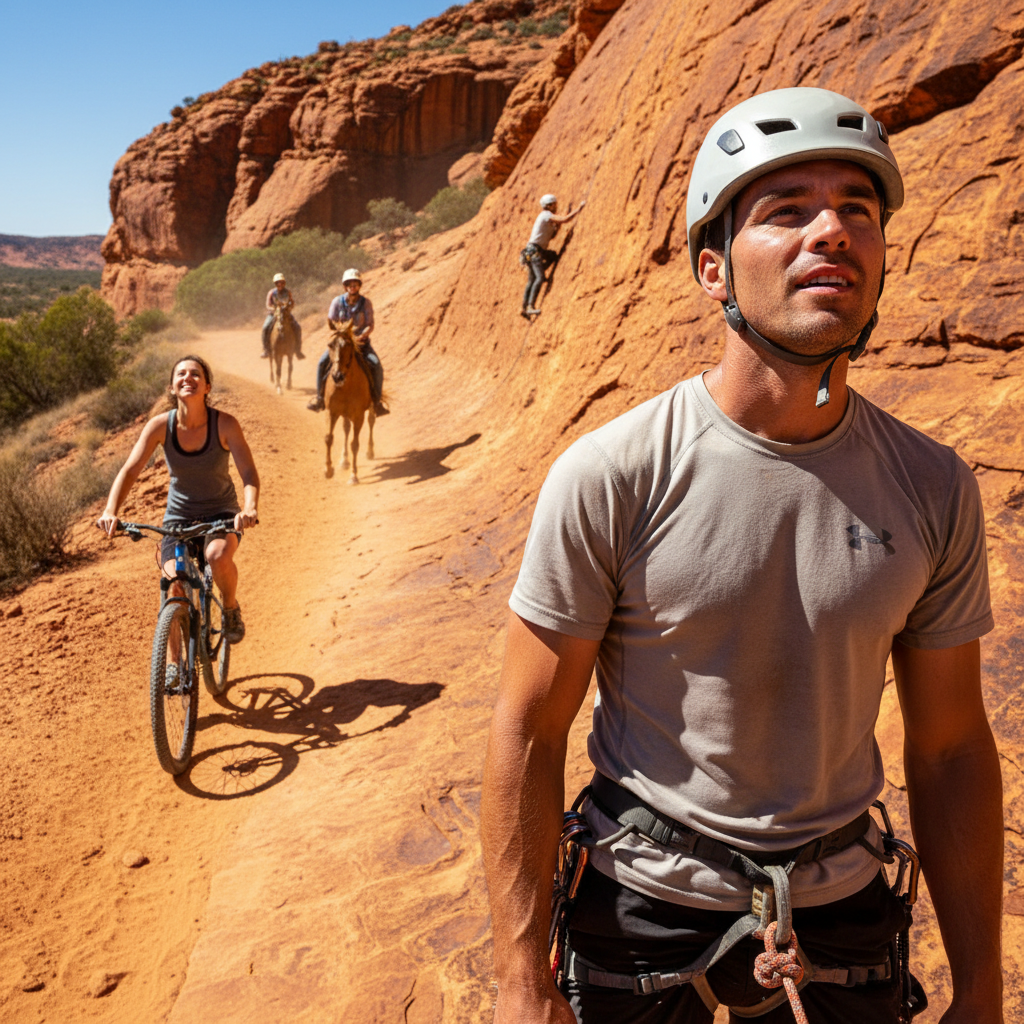
Beat the Heat and Stay Sharp: Your Helmet's Guide to Long Australian Climbs
You're out there, pushing your limits on a long climb. The sun is relentless, turning the rock face into a furnace. Hours pass, and the heat starts to bite, not just at your skin, but at your focus. Fatigue sets in, mistakes become more likely, and what started as an epic adventure can turn into a serious test of endurance – and safety. For us in Australia, this isn't just a possibility, it's a reality we face regularly. Our UV index is unforgiving, our summer days stretch long, and the consequences of overheating and dehydration are amplified.
Your helmet is your primary safety gear. But it can also become an oven if you're not prepared. The good news? You can significantly improve your comfort and performance on those gruelling ascents. This isn't about fancy gadgets; it's about practical, no-nonsense strategies to keep your head cool and your mind sharp, no matter how brutal the conditions.
The Invisible Enemies: Heat, UV, and Fatigue
Long climbs, especially in Australia, amplify three key challenges:
1. Unrelenting UV Radiation: Australia has some of the highest UV levels in the world. Prolonged exposure, even on cooler days, can lead to sunburn, heatstroke, and long-term skin damage. Your helmet offers some protection, but your face, neck, and ears are often exposed.
2. Ambient and Radiant Heat: The air temperature can be high, but the sun's radiation bouncing off rock and the ground can elevate surface temperatures significantly. This radiant heat adds to your body's thermal load.
3. Dehydration and Electrolyte Imbalance: Sweat is your body's cooling mechanism, but it also depletes vital fluids and electrolytes. As you lose these, your body's ability to regulate temperature decreases, and your cognitive function suffers.
These factors combine to drain your energy, impair your judgment, and increase the risk of accidents. Staying focused isn't just about mental grit; it's about managing your physical state.
Your Helmet as a Cooling System (with a Little Help)
Your helmet is designed for impact protection, not necessarily for active cooling. However, a few key additions and practices can transform it into a more effective part of your heat management strategy.
The Power of Shade: The Brim Advantage
This might sound obvious, but more shade equals less direct sun hitting your face and neck. Standard helmets often leave a significant portion of your face exposed to direct sunlight, even with the helmet on. This is particularly problematic on long approaches or descents where you might not always be actively climbing but still under the sun.
A well-designed helmet brim, like the ones we've developed, extends the shaded area around your helmet. This reduces the amount of direct solar radiation hitting your face, minimizing glare, and importantly, reducing the direct heat load on your head and neck. Less direct heat absorption means your body doesn't have to work as hard to cool itself.
Objection Handling: "But I don't want anything else to carry or attach." We get it. We designed our brIMs to be lightweight, durable, and incredibly easy to attach and remove from your existing helmet. They're not clunky add-ons; they integrate seamlessly. Check out our Products page to see how they work.
Ventilation: Maximise What You Have
Most modern climbing helmets have vents to allow airflow. Ensure yours are clear. Debris, dust, or even sweat can block these vents over time. Periodically inspect and clean them.
Objection Handling: "My helmet doesn't have many vents." While ventilation is crucial, remember that a brim significantly reduces the source of heat (direct sun) on your head. Even with minimal vents, reducing the heat load from the sun has a substantial impact.
Beyond the Helmet: Essential Strategies for Long Climbs
Your helmet is a key piece of the puzzle, but it works best when combined with smart practices. These are the non-negotiables for anyone tackling long routes in the Australian sun.
Hydration is Paramount
This is where most people fall short. Don't wait until you're thirsty. Thirst is already a sign of dehydration.
Pre-Hydrate: Start drinking plenty of water the day before your climb, and again in the morning.
Sip Constantly: Carry enough water for the duration of your climb and sip regularly, even if you don't feel thirsty. Aim for small, frequent sips.
Electrolytes Matter: For long, hot efforts, plain water isn't enough. Sweat loses electrolytes like sodium and potassium. Replenishing these helps your body retain fluid and prevents muscle cramps and fatigue. Invest in electrolyte tablets or powders to add to your water. These are as crucial as sunscreen.
Know Your Needs: Estimate how much water you'll need based on the length of the climb, the ambient temperature, and your personal sweat rate. It's always better to have a little too much than too little.
Sun Protection: Layer Up Against the Rays
Remember what we said about UV?
Sunscreen: Apply a broad-spectrum, high SPF sunscreen liberally to all exposed skin – face, neck, ears, back of hands. Reapply regularly, especially if you're sweating heavily.
Sun-Protective Clothing: Wear lightweight, breathable, UPF-rated clothing. Long sleeves and pants are essential, even if it feels warmer initially. They protect your skin from burning and help regulate body temperature by preventing direct solar absorption.
Neck Protection: A buff or neck gaiter can be a lifesaver for protecting your neck and lower face from sun and windburn. Consider one that wicks moisture away.
Strategic Breaks and Nutrition
Your body needs fuel and recovery.
Pace Yourself: Don't go all out from the start. Conserve energy, especially on the approach and the initial stages of the climb.
Take Smart Breaks: Use rest stops for more than just reaching for your water. This is a good time to reapply sunscreen, check for sunburn, and have a small, energy-rich snack.
Easy-to-Digest Food: Opt for snacks that provide sustained energy without weighing you down or causing digestive upset. Think dried fruit, nuts, energy bars, and jerky. Avoid heavy, oily foods.
Step-by-Step: Preparing for a Hot Day Climb
Before you even set foot on the trail, a little preparation goes a long way. Here’s a simple, actionable checklist.
The Night Before:
[ ] Pack all your gear: helmet, water, food, sunscreen, first-aid kit, layers.
[ ] Hydrate thoroughly.
[ ] Get a good night's sleep.
The Morning Of:
[ ] Eat a sensible breakfast.
[ ] Hydrate again.
[ ] Apply sunscreen to all exposed skin, including ears and neck.
[ ] Ensure your helmet fitted with your brIM is ready to go. Double-check attachment is secure. (See How to Install)
During the Climb:
[ ] Sip water continuously. Add electrolytes as needed.
[ ] Eat small, frequent snacks.
[ ] Reapply sunscreen to any exposed, unprotected areas every 2-3 hours or more frequently if sweating heavily.
[ ] Monitor yourself and your climbing partners for signs of heat stress (headache, dizziness, nausea, lack of sweat).
[ ] Take strategic rest breaks in the shade if possible.
Post-Climb:
[ ] Continue to hydrate and replenish electrolytes.
[ ] Check for sunburn and treat accordingly.
- [ ] Allow your body to recover.
Common Questions Answered
Q: Will a brim make my helmet too heavy or unbalanced?
A: Not with a properly designed brim. Our brIMs are engineered to be lightweight and not interfere with your helmet's balance or fit, even during strenuous activity. You'll barely notice it's there, but you'll definitely feel the benefit of the shade. For more details, see our FAQ.
Q: How do I clean my helmet with a brIM attached?
A: Most brIM attachments are designed to be easily removed for cleaning. You can then clean your helmet according to the manufacturer's instructions and wash the brIM separately with mild soap and water. Always allow everything to dry completely before reattaching.
Q: Is it worth investing in a brIM for just a few hot days a year?
A: If those few days involve long climbs where heat, sun, and focus are critical factors, then yes. Protecting your face and preventing heat exhaustion directly contributes to your safety and your ability to enjoy the climb. Think of it as essential safety gear, like a good rope or reliable climbing shoes. Explore our range at Products.
Q: What are the signs of heatstroke and what should I do?
A: Heatstroke is a medical emergency. Signs include a high body temperature (over 40°C), absence of sweating, confusion, throbbing headache, nausea, and loss of consciousness. If you suspect heatstroke, move the person to a cooler environment, loosen clothing, apply cool, wet cloths to the skin, and administer cool fluids if conscious. Seek immediate medical attention. Prevention is always the best strategy – that's where being prepared with hydration, sun protection, and effective shade comes in.
Stay Cool, Stay Focused, Stay Safe
Long climbs in Australia demand respect for the environment and your own physical limits. Ignoring the impact of heat and sun is a recipe for diminished performance and increased risk. By incorporating practical strategies like advanced hydration, diligent sun protection, and yes, even smart additions to your headwear, you can significantly improve your ability to stay cool, focused, and safe.
Your helmet is your shield, and with a little help from accessories like a quality brIM, you can make it an even more powerful tool in your arsenal against the harsh Australian elements. Don't let the sun dictate your limits. Push them further, smarter, and cooler. For more tips and tricks, browse our Blog.