
Beat the Heat and Stay Sharp: Your Helmet's Guide to Long Australian Climbs
Long days under the harsh Australian sun can test your focus and your body's limits. This guide shows how to use your helmet as your primary tool to stay cool, comfortable, and focused on any extended climb or outdoor adventure.
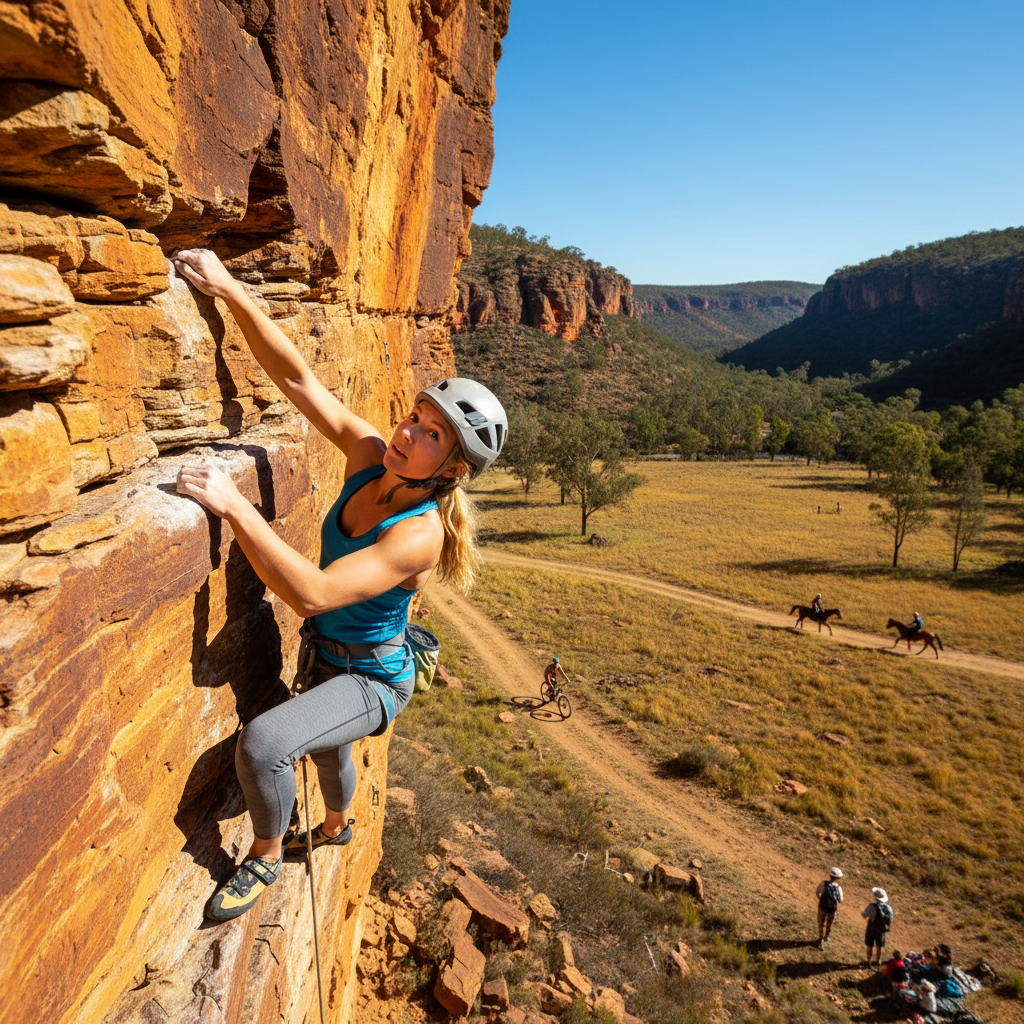
Beat the Heat and Stay Sharp: Your Helmet's Guide to Long Australian Climbs
Long days out in the Australian sun are what we live for. But let's be honest, the relentless UV index and the shimmering heat can drain your energy and your focus faster than you can say "sunburn." When you're out on a multi-pitch climb, a long hike, or any extended outdoor activity where your helmet is your best mate, keeping cool and maintaining concentration isn't just about comfort – it's about safety and performance.
Your helmet isn't just about head protection anymore. With the right accessories and a few smart strategies, it can become your central command for staying comfortable and sharp, even when the mercury is climbing. This guide cuts through the fluff and gives you practical, no-nonsense advice tailored for our unique Australian conditions.
The Enemy: Heat and UV in Australia
We all know it. The sun here is intense. Even on a "mild" day, the UV rays can be damaging. Longer days mean more exposure. When you're physically exerting yourself, your body temperature rises naturally, and the external heat just adds to the burden. This leads to:
Dehydration: You sweat more, and if you don't replenish fluids, your cognitive function and physical strength plummet.
Heat Exhaustion/Stroke: The most serious risk. Symptoms include dizziness, nausea, confusion, and a rapid pulse.
Reduced Focus: A hot, uncomfortable head makes it hard to think clearly, assess risks, or execute complex moves. This is critical when you're high up on a climb.
Fatigue: Pure and simple. Heat saps your energy reserves.
Many people think their only defence is sunscreen and water. While essential, they don't directly address the heat building up on your head – one of the primary areas your body uses to regulate temperature and the area most exposed to direct sun when wearing a helmet.
Your Helmet: More Than Just Protection
Think of your helmet as the control centre for your comfort and focus. It's the first line of defence against falling debris, but it can also be your shield against the sun and a key tool for managing heat.
The Shade Factor
This is where a good helmet brim becomes crucial. While most helmets offer some basic coverage, the harsh Australian sun demands more. A brim that extends further forward significantly reduces the amount of direct sunlight hitting your face, neck, and shoulders. Less direct sun means:
Reduced Glare: This improves your visibility, especially crucial for spotting handholds or navigating uneven terrain.
Lower Temperature: A shaded head stays cooler. It's basic physics – less energy absorbed from the sun.
Less Eye Strain: Reduced glare means your eyes don't have to work as hard, helping prevent fatigue.
If your current helmet doesn't have an adequate brim, consider an aftermarket solution designed to attach. We've developed our Products with this in mind, offering brims that provide superior shade and are built to last.
Ventilation: The Airflow Advantage
Helmet ventilation is paramount. Most modern climbing and outdoor helmets have strategically placed vents. However, on gruelling, hot days, these might not be enough. The goal is to maximise airflow through the helmet to help dissipate heat.
Keep Vents Clear: Don't stuff your helmet with extra gear that blocks airflow. Minimalist packing is key.
Consider a Cool Liner: Some helmets can accommodate thin, moisture-wicking skull caps or liners. These can help move sweat away from your skin and improve the effectiveness of ventilation. Make sure they don't impede the fit or safety of your helmet.
Practical Strategies for Staying Cool and Focused on Long Routes
Staying cool and sharp isn't just about wearing the right gear; it's about smart habits and proactive management.
Pre-Trip Preparation
Hydrate Vigorously: Start drinking water well before your trip. Aim for clear urine. This isn't just for exercise; it's for cognitive function.
Acclimatise (If Possible): If you know you'll be in extreme heat and aren't used to it, try to spend some time in similar conditions beforehand.
Pack Smart: Lighter is better. Fewer layers mean less heat retention.
Choose the Right Time: If possible, start your longest activities in the cooler parts of the day – early morning or late afternoon.
During the Activity
Hydration is Paramount: Sip water regularly, even if you don't feel thirsty. Electrolyte drinks can be beneficial for very long or hot days to replace lost salts.
Strategic Sun Protection: Even with a brim, apply sunscreen to exposed skin – neck, ears, arms. Reapply if necessary.
Cooling Breaks: If you can, take short breaks in shaded areas. Dunk a bandana in water and place it on your neck.
Listen to Your Body: Don't push through severe discomfort. Signs of heat stress are serious. It's better to turn back or wait it out than suffer heatstroke.
Helmet Maintenance: Ensure your helmet is clean and its vents are free of debris. A dirty helmet can trap heat and moisture.
Helmet Brims: Your Primary Sun Defence
This is where an effective helmet brim shines. A good brim, like the ones in our Products range, extends well beyond standard designs. They are engineered to maximise shade and minimise glare, directly contributing to your comfort and ability to focus.
Think about the difference between squinting into the sun all day and having a clear, shaded view. That difference is focus, safety, and enjoyment.
Why a Dedicated Helmet Brim is Better
Extended Coverage: Designed to block more sun than standard helmet visors.
Durability: Made from robust materials that can withstand the rigours of outdoor use.
Secure Fit: Attaches firmly to your helmet, ensuring it stays put when you need it most. Our brims are designed for easy installation; check out our How to Install guide for simple instructions.
Compatibility: Designed to fit a range of popular helmet models.
Your Helmet Cooling and Focus Checklist
Here's a quick rundown to ensure you're always prepared for the Australian sun:
[ ] Helmet Fitted Correctly: Always start with a properly fitted helmet. Refer to your helmet's manual or our FAQ for fitting advice.
[ ] Adequate Brim: Is your brim providing sufficient shade? If not, consider an upgrade. Visit our Products.
[ ] Clear Ventilation: Ensure helmet vents are unobstructed.
[ ] Hydration Strategy: Water and electrolytes packed and accessible.
[ ] Sunscreen: High SPF applied and ready for reapplication.
[ ] Cooling Aids: Bandana, water bottle for dousing.
[ ] Knowledge of Heat Illness Symptoms: Understand the risks.
Step-by-Step: Enhancing Your Helmet for Heat Management
This isn't about reinventing the wheel, but about optimising what you already have. For those on long, exposed routes in Australia, paying attention to your helmet can make a significant difference.
Step 1: Assess Your Current Setup
Grab your helmet. Stand in direct sunlight (safely, of course).
Does the current brim effectively shade your eyes and face? Does it cover your neck area?
Are the vents clear and functional? Can you feel airflow when you move?
Step 2: Identify Shortfalls
If your brim is insufficient, direct sun is hitting your face and eyes. This is your primary area for improvement.
If airflow feels minimal, consider if any additional gear might be blocking it, or if the helmet model itself has limited ventilation.
Step 3: Implement Solutions
For Insufficient Brim: Invest in a quality helmet brim designed for extended coverage and sun protection. Our Products offer a simple, effective solution that enhances your existing helmet. Follow our easy How to Install guide.
For Poor Airflow: Ensure no accessories are blocking vents. If the helmet is inherently poorly ventilated for intense heat, you might consider a different helmet model in the future. For now, focus on external cooling methods like wet bandanas.
For Neck/Face Protection: Combine your brim with sunscreen on any remaining exposed skin. A wide-brimmed hat worn under some helmets can offer more shade, but ensure this doesn't compromise the helmet's fit or safety – check your helmet manufacturer's guidelines and our FAQ.
Step 4: Maintain and Adapt
After each long, hot trip, clean your helmet and the brim attachment. Sweat and grime can degrade materials and block vents.
- Continuously reassess your needs based on the conditions and your experience. What worked on one trip might need tweaking for the next.
Conclusion: Your Helmet is Your Ally
Don't let the Australian sun and heat compromise your adventures. By understanding how heat affects your body and mind, and by optimising your helmet with practical solutions like superior brims and clear ventilation, you can significantly enhance your comfort, focus, and safety on long climbs and extended outdoor expeditions.
Your helmet is more than just a safety device; it's a tool for enduring the elements. Make yours work harder for you by visiting our Products page to explore the best options for sun protection and comfort. For more tips and insights, check out our Blog and our comprehensive FAQ.
Stay safe, stay cool, and enjoy the journey.