
Beat the Heat and Stay Sharp: Your Helmet Guide to Conquering Long Australian Routes
Long climbs in Australia mean serious sun and heat. This guide tells you how to keep cool, focused, and safe with your helmet, even on the toughest days.
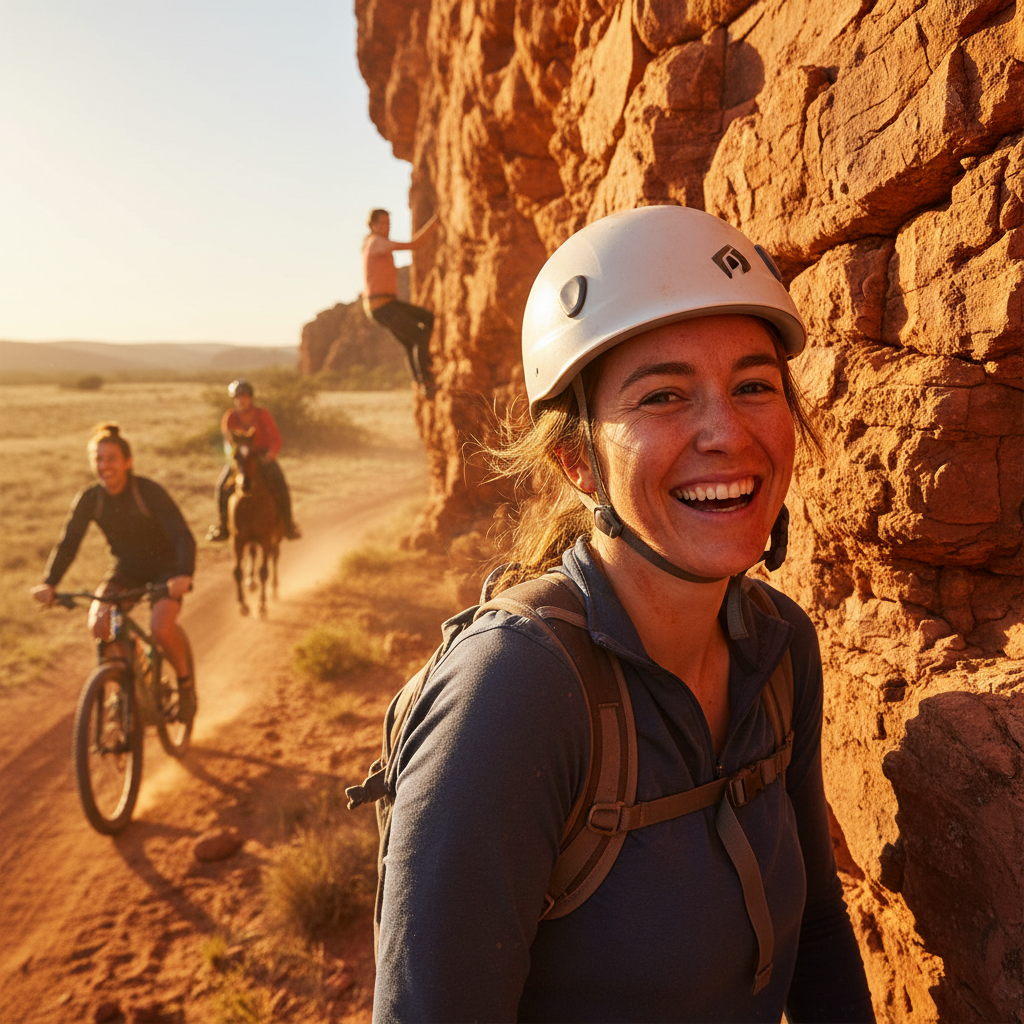
Beat the Heat and Stay Sharp: Your Helmet Guide to Conquering Long Australian Routes
Australia. Beautiful, rugged, and undeniably hot. For climbers, those long approaches and even longer ascents under our relentless sun can be brutal. Dehydration, heat exhaustion, and simple fatigue can wreck your focus, compromise your safety, and turn what should be an epic day into a miserable slog. Your helmet, while crucial for impact protection, can sometimes feel like a personal sauna. But it doesn't have to be. This isn't about fancy gear or magic potions; it's about practical, no-nonsense strategies to keep you cool, focused, and performing at your best, even when the UV whispers 'danger'.
The Real Threat: More Than Just a Sweat Patch
We all know the UV index can hit extreme levels here. But the heat itself is a silent killer of performance and focus. On a long climbing day, especially in summer or in our more arid regions, your body is working overtime to regulate its temperature. When that system starts to buckle, everything else follows:
Reduced Cognitive Function: Your brain needs a stable temperature to operate. When you're overheating, complex problem-solving (like figuring out that tricky sequence) becomes harder. Your decision-making can become impaired. This is when mistakes happen.
Physical Fatigue: Your body diverts energy to cooling, leaving less for your muscles. Cramps, weakness, and a general feeling of being 'cooked' set in faster.
Reduced Aura: Let's be honest, feeling like you're about to melt isn't exactly inspiring. A cool head leads to better confidence and a more enjoyable climb.
Dehydration: This is the big one. Sweating is your body's only real cooling mechanism. If you're not replacing fluids, you're not just thirsty; you're dehydrating, which compounds all the other problems.
Your helmet, while a vital piece of safety equipment, can sometimes trap heat and make this worse. But with the right approach, it can be part of the solution, not just the problem.
Your Helmet: Friend, Not Foe (When Used Right)
Most modern climbing helmets are designed with ventilation in mind. However, simply having holes doesn't guarantee maximum airflow. It depends on how you wear it, what you put on it, and how you manage your overall body temperature. Here's how to make your helmet work for you:
1. The Brim: Your First Line of Defence
If your helmet doesn't have an integrated brim, or if you want superior protection from sun glare and light rain, consider adding a helmet brim. A good brim, like those from Products, makes a significant difference. It shades your face, reducing direct sun exposure and the associated heat build-up on your head and neck. It also keeps sweat from dripping directly into your eyes, which is a major distraction and irritant, especially when you're focused on a crux move.
Objection Handling: "But will it add weight or snag on things?" Modern brims are lightweight and designed to fit securely without compromising safety. They're made from durable materials that won't easily tear. And they're specifically designed to be low-profile, so snagging is rarely an issue on standard climbing routes. For specific caving or very confined space work, you might reconsider, but for general climbing, it's a massive win.
Ease of Use: Attaching most brims is straightforward. Check out our How to Install guide for simple, secure fitting.
2. Ventilation Management: It's More Than Just Holes
Clean Vents: Regularly check and clean your helmet's vents. Dirt, dust, chalk, and even dried sweat can block airflow. A quick brush or wipe down can improve circulation.
Positioning: While you can't adjust helmet vents, pay attention to how your hair or balaclava might be obstructing them. Keep hair tied back and out of the way.
Headwear Under the Helmet: If you wear a thin technical cap or bandana under your helmet, ensure it's not too bulky and doesn't cover the vent holes. Moisture-wicking materials are key here. Avoid cotton which holds sweat.
3. The Sun's Angle: Strategic Helmet Use
On a long route, the sun's position changes. Your helmet brim offers consistent shade, but be aware of direct sun hitting the back of your neck during breaks or while belaying. A lightweight, breathable neck gaiter or a light-coloured shirt with a collar can provide additional protection.
Staying Cool: Beyond the Helmet
Your helmet is a piece of the puzzle. Here's how to manage your overall temperature and stay focused:
Hydration is Non-Negotiable
This is the most critical factor for long days in the Australian sun.
Start Hydrated: Don't wait until you're on the route. Drink plenty of water the day before and in the morning.
Sip, Don't Gulp: Take small, frequent sips throughout the day, especially during approaches and while resting.
Electrolytes Matter: Especially on very hot days or for prolonged efforts, water alone might not be enough. Electrolyte tablets or powders added to your water bottle can help replace salts lost through sweat, preventing cramps and maintaining fluid balance. Think of it as preventing your body from running on empty.
Carry Enough: Plan your water needs. For long routes in Australia, this often means more than just one litre per person. Consider hydration reservoirs on your pack for easy access.
Objection Handling: "I don't like carrying extra weight." Hydration is not optional when it comes to safety and performance in our conditions. The weight of an extra litre or two of water is negligible compared to the risk of heat stroke or a performance dive.
Strategic Breaks and Shade
Utilise Shade: Even a few minutes of shade during an approach or while belaying can significantly lower your body temperature.
Helmet Off (Safely): During extended breaks away from potential falling rock or hazards, take your helmet off to let your head breathe. This is crucial. Don't do this while actively climbing or near climbing activity.
Cooling Towels: A damp, lightweight cooling towel placed around your neck during breaks can be incredibly effective.
What to Wear Under Your Helmet
Moisture-Wicking: Always opt for synthetic or merino wool base layers that pull sweat away from your skin. Cotton is the enemy here – it just gets wet and stays wet, making you hotter.
Light Colours: Lighter colours reflect more sunlight, helping to keep you cooler.
Maintaining Focus on Long Routes: The Mental Game
Heat and fatigue are focus killers. Here's how to combat it:
Chunk It Down: Break the route into smaller, manageable sections. Focus on the next pitch, the next bolt, or even just the next few moves. This prevents feeling overwhelmed.
Pre-Route Recon: If possible, know the route. The more you know, the less your brain has to work on the fly, conserving mental energy.
Positive Self-Talk: When you feel your focus wavering, use simple, positive affirmations. "I've got this," "One move at a time." It sounds cliché, but it works.
Communication: Clear communication with your belayer is vital. This not only ensures safety but also helps keep you mentally engaged.
Objection Handling: "I get hot and tired, and that makes me grumpy and unfocused. What can I do?" This is precisely why the steps above are so important. Staying hydrated, managing your temperature, and breaking down the climb are direct antidotes to this problem. It's proactive care for your mind and body.
Your Hot Weather Climbing Checklist
Before you head out on a long Australian route, run through this:
[ ] Helmet: Clean vents, secure fit.
[ ] Helmet Brim: (Optional but recommended for sun protection) Attached and secure.
[ ] Water: Adequate supply (plan for 1L per person per 2-3 hours in heat, adjust based on intensity and conditions). Consider electrolytes.
[ ] Sunscreen: Applied liberally and reapplied as needed.
[ ] Appropriate Clothing: Light-coloured, moisture-wicking base layers and outer layers.
[ ] Neck Protection: Gaiter or collared shirt.
[ ] Snacks: High-energy, easy-to-eat food.
[ ] First-Aid Kit: Including blister treatment and pain relief.
- [ ] Knowledge: Route details, weather forecast, and your own limits.
Step-by-Step: Managing Heat on a Long Ascent
1. Approach: Sip water consistently. Wear your helmet with brim. Use neck protection if the sun is intense.
2. First Pitches: Focus on technique and pace. Stay mindful of your breathing and hydration.
3. Rest Stops/Belaying: Utilise shade. If safe to do so, briefly remove helmet to let head cool. Drink water. Eat a snack.
4. Ongoing Ascent: Continue sipping water. If feeling overheated or unfocused, take a slightly longer rest if possible and safe. Communicate with your belayer about how you're feeling.
5. Descent/Abseil: Keep drinking water. The effort isn't over until you're back at the car.
6. Post-Climb: Continue rehydrating. Assess how you feel – any signs of heat stress need to be addressed immediately.
Frequently Asked Questions
For more detailed answers on helmet use, sun safety, and common concerns, check out our FAQ. We cover topics like helmet lifespan, cleaning, and specific product queries.
Don't Let the Heat Win
Long days out in the incredible Australian landscape are what we live for as climbers. But blindly powering through extreme heat without a plan is foolish and dangerous. By using your helmet effectively with a brim, prioritising hydration, managing your body temperature strategically, and keeping your mind focused, you can not only survive but thrive on those long routes. It's about being prepared, being smart, and making sure you can enjoy the climb, from the first move to the last.
For a range of helmet accessories and other essential gear, explore our Products page. And for more tips and insights from the climbing world, head over to the Blog.