
Beat the Heat and Stay Sharp: Your Guide to Long Climbs in Australia
Long climbing routes in Australia demand more than just brawn. High UV, intense heat, and stretched focus can derail your climb. Here's your no-nonsense guide to staying cool, hydrated, and mentally sharp when you're out there.
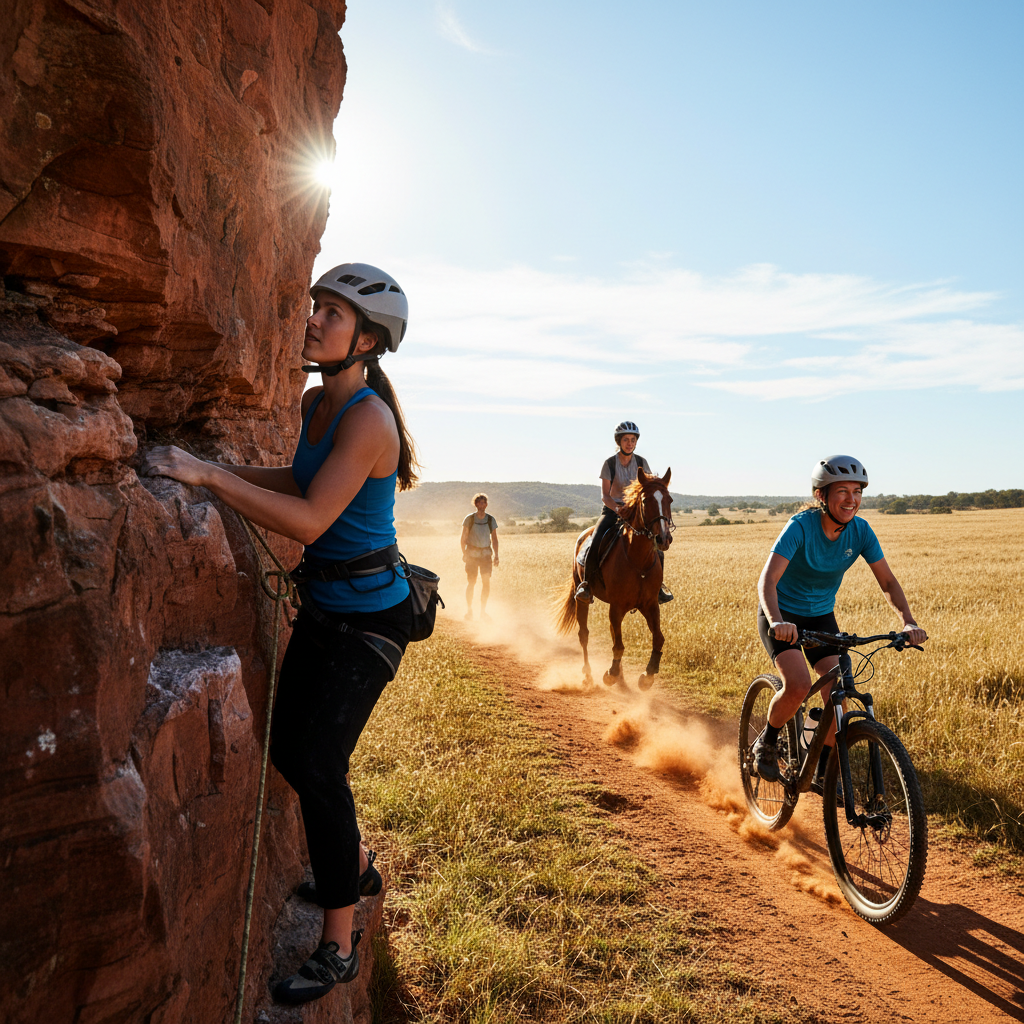
Beat the Heat and Stay Sharp: Your Guide to Long Climbs in Australia
Australia. Beautiful. Vast. And let's be honest, brutally hot and sunny for much of the year. If you're tackling long climbing routes, whether it's multipitch sandstone or a challenging quartzite face, you're not just battling gravity and your own limits. You're fighting the sun and the heat. And if you don't manage them, they'll manage you – leading to fatigue, poor decisions, and a miserable experience.
This isn't about fancy gadgets or experimental techniques. This is practical, hard-won advice for staying on your game when the mercury climbs and the UV index is through the roof. Because a long day out should be about pushing your climbing, not enduring the weather.
The Double Whammy: Heat and UV on the Rock
Forget the image of cool, shaded crags. In many parts of Australia, especially during warmer months, you're exposed. Long approaches can leave you baked before you even tie in. On multipitch routes, you might be on sun-exposed rock for hours. This isn't just uncomfortable; it's dangerous.
Heat Exhaustion & Heatstroke: Your body's core temperature rises. This leads to dizziness, nausea, confusion, and in extreme cases, a life-threatening emergency. Dehydration exacerbates this rapidly.
Sunburn: Even on cloudy days, UV radiation can penetrate and cause severe burns. Sunburnt skin loses its ability to regulate temperature effectively and is incredibly painful.
Eye Strain & Glare: Intense sunlight reflecting off rock and gear makes it hard to see handholds and holds, increasing the risk of misplacing a foot or hand.
Mental Fatigue: Being hot and uncomfortable saps concentration. This is critical on sustained routes where tiny mistakes can have big consequences.
Staying Cool and Focused: Your Essential Toolkit
Think of this as your pre-route checklist. Don't wing it. Plan for the conditions.
Hydration: The Foundation
This is non-negotiable. Dehydration sneaks up on you, especially when you're focused on climbing.
Start Hydrated: Don't wait until you're thirsty. Drink plenty of water in the days leading up to your climb and right before you set off.
Electrolytes Matter: Plain water is good, but on a long, hot day, you need to replace salts and minerals lost through sweat. Electrolyte tablets or powders added to your water are vital. Consider carrying a dedicated electrolyte drink.
Sip, Don't Gulp: Take small sips frequently, even when you don't feel thirsty. Set a reminder on your watch if you have to.
Carry Enough: This seems obvious, but underestimate your needs and you'll pay for it. For a full day, you’ll need more than you think. A good rule of thumb is at least 1 litre per person per 2-3 hours in very hot conditions, but this can vary wildly.
Protect Your Water: Insulated bottles or hydration reservoirs help keep your water cooler for longer.
Sun Protection: Beyond Sunscreen
Sunscreen is a given, but on long routes, you need comprehensive protection. Sunburn is a performance killer AND a serious health risk.
Headwear is Key: Helmets are mandatory for safety, but they can also be hotboxes. A helmet brim is your first line of defence against direct sun on your face and neck. Our range of Products includes durable, effective brims designed for Australian conditions.
Cover Up: Long-sleeved, UPF-rated sun shirts are a game-changer. Lightweight, breathable fabrics with UV protection are essential for protecting your skin.
Neck Gaiter/Buff: A versatile piece. Can be worn around your neck to protect your nape, over your mouth and nose in dusty conditions, or even soaked in water and worn around your neck for evaporative cooling.
Sunglasses: On the approach and descent, good sunglasses are crucial. For climbing, many opt for lighter tints or forgo them, but on very bright routes with lots of glare, some find tinted safety glasses helpful. Test this beforehand.
Maintaining Focus and Energy
Heat and dehydration don't just affect your body; they fry your brain.
Break It Down: Mentally divide long routes into smaller, manageable sections. Focus on the next pitch, the next belay, the next cruxy move. This prevents the overwhelming feeling of endless climbing.
Fuel Smart: Eat small, frequent snacks that provide sustained energy – nuts, dried fruit, energy bars, gels. Avoid heavy, greasy foods that can make you feel sluggish. On multipitch, your pack might be lighter, so focus on easy-to-digest, calorie-dense options.
Pace Yourself: Don't go all out from the start. Conserve energy, especially on the easier pitches, to save yourself for the sustained efforts.
Mental Rehearsal: Before you start, visualise the route. Think about the crux sequences, the gear placements, the transition points. This mental preparation can save physical energy and reduce decision fatigue on the rock.
Helmet Comfort: A Crucial Element
Your helmet is your primary safety device. Making it comfortable and functional in the heat is paramount. A helmet that feels like a furnace on your head is a distraction and can contribute to heat stress.
The Helmet Brim Advantage
A good helmet brim, like those available in our Products, offers significant benefits for long routes in Australia:
Shade for Your Face: Direct sun on your face is blinding and causes overheating. A brim provides crucial shade, reducing glare and keeping your face cooler.
Neck Protection: While not a full neck gaiter, a deeper brim can offer a degree of shade to your upper neck, a commonly burnt area.
Improved Comfort: By reducing direct sun on your head and face, a brim makes your helmet feel significantly more comfortable, allowing you to focus better.
Check out our guide on How to Install your next-level helmet brim. It's a simple upgrade that makes a huge difference.
Practical Strategies for Long Routes
Let's get down to the nitty-gritty. How do you implement this on a hot Australian day?
Pre-Route Planning (The Night Before & Morning Of)
Check the Forecast (Critically): Look beyond the high temperature. Check the UV index, wind speed, and humidity. Even with a moderate temperature, high humidity can make it feel much hotter.
Plan Your Hydration: How much water do you need? Where can you refill if absolutely necessary (rarely an option on remote routes)? Pack it smart.
Pack Smart: Include all your sun protection gear, electrolyte supplements, and appropriate snacks. Don't leave anything to chance.
Early Start: For any long route in Australia, an early start is your best friend. Aim to be on the approach or even climbing by sunrise. This allows you to get significant climbing done before the sun's intensity peaks.
Gear Check: Ensure your helmet fits well, and your brim is securely attached. You don't want to be fiddling with it when you're on pitch 3.
On the Climb: Tactics
| Strategy | Application | Key Benefit |
|---|---|---|
| Frequent Sipping | Every 15-20 minutes, even if not thirsty. | Prevents dehydration, maintains performance. |
| Electrolyte Intake | Add to water, consume every 1-2 hours. | Replaces lost salts, combats fatigue. |
| Shade Management | Utilise helmet brim, wear sun shirt. | Reduces UV exposure and heat gain. |
| Snack Intervals | Small, frequent snacks every hour or so. | Maintains energy levels, prevents bonking. |
| Mental Breaks | At belays, quick check-ins on how you're feeling. | Assesses fatigue, allows for adjustments. |
| Pacing | Avoid hard-charging on easy terrain. | Conserves energy for critical sections. |
Post-Climb Recovery
Don't forget this part! Your body will be depleted.
Rehydrate Immediately: Continue drinking water with electrolytes.
Replenish: Eat a good meal with a balance of protein and carbs.
Cool Down: If possible, shower or soak in cool water.
Sunburn Care: If you did get sunburnt (avoid this!), apply aloe vera and keep the skin moisturised.
Common Objections and How to Handle Them
"It's too hot to climb anyway."
Reality Check: For many Australian climbers, this is a seasonal reality. If you want to climb year-round, you must adapt. An early start and smart heat management make many days feasible that would otherwise be unbearable.
"A helmet brim is just a gimmick."
Our Experience: Simple physics. It blocks direct sunlight. On a glarey, hot rock face, this is not a gimmick; it's essential for reducing eye strain and heat gain on your face. It’s a practical safety and comfort upgrade.
"I don't need that much water/electrolytes, I'm tough."
The Hard Truth: Dehydration doesn't care how tough you think you are. It impairs judgment and physical performance for everyone. Pushing your limits through dehydration is reckless, not brave.
"Long sleeves are too hot."
* Innovation: Modern UPF-rated climbing shirts are incredibly lightweight and breathable. They are designed to wick sweat and provide sun protection without overheating you. They are far better than exposed skin that is baking in the sun.
Wrap Up: Safety and Enjoyment Go Hand-in-Hand
Long routes in Australia's unique environment present challenges that require more than just climbing skill. They demand respect for the sun and heat. By planning diligently, staying hydrated, protecting yourself from UV radiation, and ensuring your gear, including your helmet and its accessories, is up to the task, you can significantly improve your comfort, focus, and safety.
Don't let the heat dictate your climbing season. Equip yourself intelligently. For more tips and product information, visit our Products page, check out the FAQ, or browse our Blog for more insights.
Climb smart. Climb safe. Stay cool.