
Beat the Heat and Stay Sharp: Helmet Sun Protection for Long Australian Climbs
Long climbs in Australia demand peak performance. Learn how to keep your cool, focused, and sun-safe with practical strategies for helmet wearers.
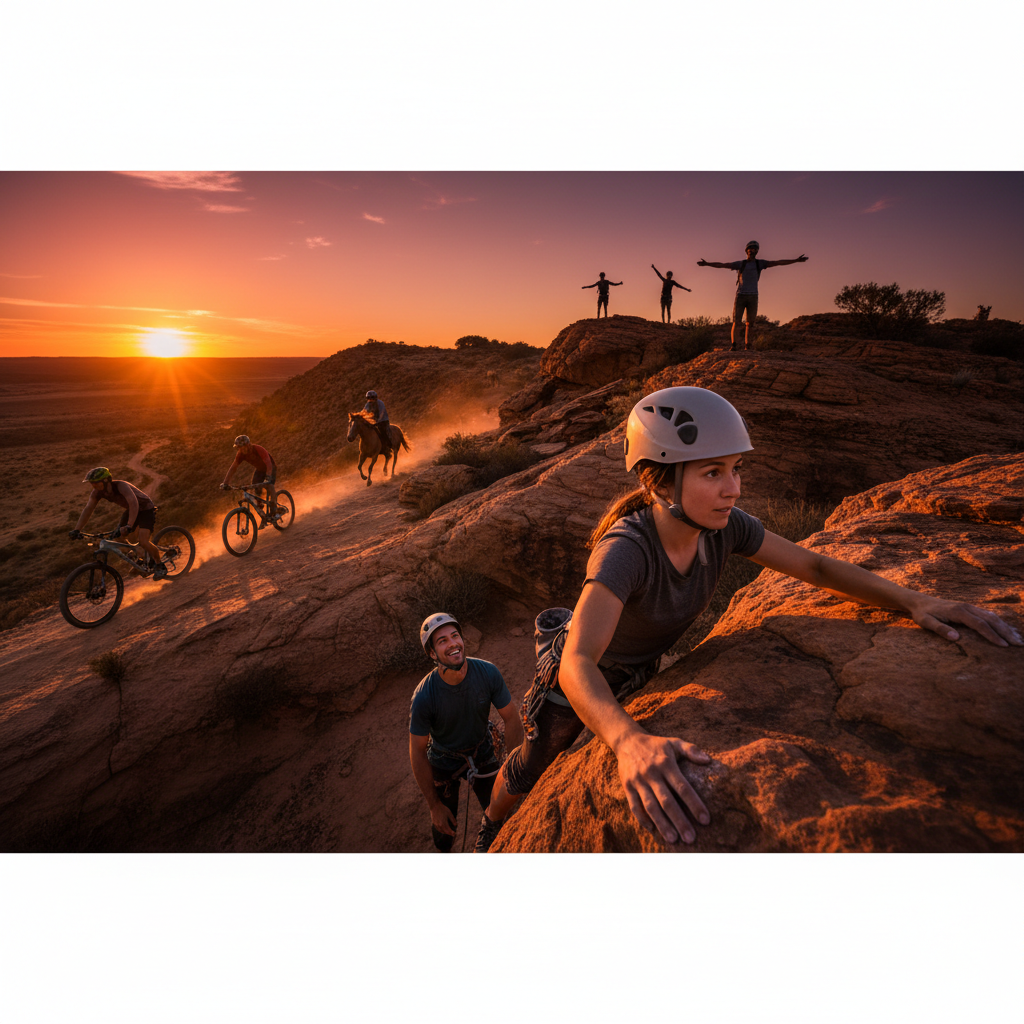
Beat the Heat and Stay Sharp: Helmet Sun Protection for Long Australian Climbs
Australia. Boasting some of the most spectacular climbing routes in the world. From the Blue Mountains to the Grampians, and countless crags in between, the opportunities are endless. But let's be honest, those long days under the harsh Australian sun can be brutal. Heat exhaustion, sun glare, and the sheer mental drain of maintaining focus can turn an epic climb into a miserable slog. For us helmet wearers, this is a serious challenge. Your helmet is crucial for safety, but it can also be a personal sauna and a glare source if you're not prepared.
This isn't about fluffy advice. This is about practical, no-nonsense strategies to keep you cool, comfortable, and focused on the send, even when the UV index is soaring and the hours are ticking by. We'll cover how to manage heat, minimise glare, and maintain your mental edge when the going gets tough.
The Enemy Within: How Heat and Sun Impact Your Performance
It's easy to dismiss feeling a bit warm or squinting, but the truth is, heat and sun exposure have a significant impact on your physiology and psychology:
Dehydration: You sweat more, losing vital fluids and electrolytes. This leads to reduced blood volume, less efficient oxygen transport, and a plummeting performance.
Heat Exhaustion/Stroke: Critical. Symptoms include dizziness, nausea, headache, and confusion. This isn't just uncomfortable; it's dangerous and can end your climb prematurely.
Impaired Cognitive Function: Heat stress directly affects your brain. Decision-making, problem-solving, and reaction times suffer. This is the last thing you want when you're onsighting or pushing your limits on a challenging pitch.
Sun Glare: Constant squinting strains your eyes, leading to fatigue and headaches. It also makes it harder to read the rock, spot holds, and maintain visual awareness of your surroundings and your belayer.
Skin Damage: Even on cooler days, Australian UV levels can be intense. Prolonged, unprotected exposure leads to sunburn and long-term skin damage.
Your helmet, while essential for protection, can sometimes exacerbate these issues by trapping heat. But it doesn't have to.
Strategy 1: Master Your Microclimate - Keeping Your Head Cool
Your head is a major radiator of body heat. If it's overheating, your whole system is struggling. Here's how to manage that crucial zone:
1. Ventilation is King: Choose Wisely
Not all helmets are created equal when it comes to ventilation. You need a helmet designed for airflow, with plenty of strategically placed vents. This isn't just about comfort; it's about actively drawing hot air away from your scalp.
2. The Power of the Brim: Shade Your Face and Eyes
This is where a simple addition can make a world of difference. A helmet brim, like the Da Brim, is designed to extend beyond the helmet's edge, casting shade directly onto your face, neck, and eyes. This has a compounding effect:
Reduced Glare: Significantly cuts down on the amount of direct sunlight hitting your eyes, meaning less squinting and less eye strain. This helps maintain visual clarity and focus.
Lower Surface Temperature: By shading your face, you reduce the direct radiant heat hitting your skin, which can contribute to feeling cooler overall.
Sunburn Prevention: Protects the delicate skin on your face and forehead from direct UV exposure. Even with sunscreen, a physical barrier is always best.
Installing a Da Brim is straightforward. You can find detailed instructions on our How to Install page. It's a quick process that offers immediate benefits.
3. Hydration Management: Beyond Just Drinking
This is fundamental and applies to all outdoor activities, but especially when your head is under duress.
Pre-hydrate: Start drinking water well before you even get to the crag. Don't wait until you feel thirsty.
Sip Regularly: Carry an easily accessible water bottle or hydration pack. Take small, frequent sips throughout the climb, even during rests.
Electrolytes Matter: For long, hot days, plain water might not be enough. Consider electrolyte drinks or tablets to replace salts lost through sweat. This helps prevent cramps and maintains fluid balance.
4. Cooling Accessories (Use Them Wisely)
Cooling Towels: A damp, cooling towel around your neck or forehead during breaks can offer rapid temperature reduction. Make sure it's a fabric designed for cooling, not just a regular wet cloth.
Headbands: Moisture-wicking headbands can help manage sweat running into your eyes. If you wear one under your helmet, ensure it doesn't impede ventilation too much or add excessive heat.
Strategy 2: Sharpening Your Focus - Mental Fortitude in the Heat
Heat isn't just a physical battle; it's a mental one. When your body is struggling, your mind starts to wander, and mistakes become more likely. Staying focused requires proactive measures:
1. Break It Down: Smaller Goals, Less Overwhelm
On a long multi-pitch, looking at the entire climb can be daunting. Instead, focus on the current pitch, or even just the next few moves. This makes the task feel more manageable and keeps your immediate attention where it needs to be.
2. Visualisation: Pre-plan the Crucial Sections
Before you start, or during rests, visualise the upcoming cruxes. Mentally rehearse your sequences. This primes your brain and makes your execution more automatic when you get there.
3. Stay Present: Mindfulness Techniques
When you feel yourself getting distracted or overwhelmed by the heat, bring yourself back to the present moment. Focus on your breath, the feel of the rock, the sounds around you. This is a form of mental training that helps you push through discomfort.
4. Pre-Climb Mental Prep
Ensure you've had adequate rest and nutrition before your climb. A fatigued body leads to a fatigued mind, making you more susceptible to the negative effects of heat and sun.
Strategy 3: Practical Gear Considerations for Australian Climbers
Your gear plays a vital role in managing heat and sun. Beyond your helmet and chosen brim, think about your other essentials.
Sun Protection Layering
Even with a helmet brim, your neck and ears are exposed. Always wear lightweight, UPF-rated long-sleeved shirts and pants. These are designed to be breathable and offer excellent sun protection, preventing that nasty sunburn that can turn your skin scarlet.
Sunscreen and Reapplication
Don't rely solely on clothing or shade. Apply a broad-spectrum sunscreen with a high SPF (30+) to all exposed skin, including your ears and neck. Reapply frequently, especially after sweating or if you've been in contact with water. Check the sunscreen's packaging for reapplication times.
Sunglasses (When Off the Wall)
When you're hiking to the crag or at the base, good quality sunglasses are essential to protect your eyes from UV damage and reduce fatigue.
What to Pack: A Quick Checklist
Here’s a handy checklist for your next long, hot climb:
[ ] Helmet with adequate ventilation
[ ] Da Brim helmet brim (for shade and glare reduction)
[ ] UPF-rated long-sleeved shirt and pants
[ ] High SPF broad-spectrum sunscreen
[ ] Wide-brimmed hat for approaches/descent
[ ] Sunglasses
[ ] Hydration pack or water bottles (plenty of water!)
[ ] Electrolyte tablets/drinks
[ ] Cooling towel
[ ] Lip balm with SPF
[ ] First-aid kit (including blister treatment)
Example Scenario: Tackling a Multi-Pitch Climb in the Blue Mountains
Imagine you're heading up a classic multi-pitch in the Blue Mountains on a warm, clear day. The UV index is high, even though it might not feel scorching at the crag base. The sun will beat down on you for hours.
1. Morning Prep: Apply sunscreen thoroughly before leaving the car. Fill your water bottles and add electrolyte tablets. Pack your cooling towel.
2. Approach: Wear your wide-brimmed hat and sunglasses. Sip water.
3. First Pitch: Put on your helmet with the Da Brim attached. You immediately notice the difference – less glare on your face and a cooler sensation around your helmet as the brim shades your forehead and temples.
4. Belay Stations: Use rests effectively. Dampen your cooling towel and place it on your neck, or splash some water on your face. Sip water and electrolytes. Review the next pitch mentally.
5. Continuing Climbs: As the sun gets higher, the Da Brim's shade becomes even more critical. You're not squinting as much, and your focus remains sharper. Continue sipping water.
6. Descent: Once you're off the last pitch, keep drinking water, and reapply sunscreen if needed.
This proactive approach, combining gear like a helmet brim with smart hydration and mental strategies, is what separates a gruelling experience from an enjoyable and successful climb.
Frequently Asked Questions (and Our Answers)
We often get asked about managing heat and sun. For more in-depth answers, head over to our FAQ page. Here are a few common ones:
Q: Will a brim make my helmet heavier and cause neck strain?
A: The Da Brim is designed to be lightweight. The weight distribution is minimal and engineered not to cause significant strain, especially compared to the discomfort of prolonged sun and glare. Once installed, you'll find the benefits far outweigh any minor perceived weight increase.
Q: Is a helmet brim really that effective against the Australian sun?
A: Absolutely. The Australian sun is intense. A brim provides a physical barrier that generic helmets lack. It directly shields your face and eyes, reducing glare and radiant heat – a far more effective solution than just sunscreen alone for prolonged direct exposure.
- Q: Can I use any brim with my climbing helmet?
The Bottom Line: Invest in Your Comfort and Focus
Long days at the crag under the Australian sun are a rite of passage, but they don't have to be a trial by fire. Prioritising your comfort and focus through smart strategies and the right gear, like a helmet brim, is not a luxury – it's a necessity for performance and safety. Don't let heat and glare dictate your climbing experience. Focus on the rock, enjoy the views, and climb safer and smarter by managing your personal climate.
Ready to upgrade your climbing experience? Explore our range of Products and start climbing cooler and more focused today. For more climbing tips and stories, check out our Blog.