
Beat the Heat and Stay Focused on Long Climbs: Your Helmet Guide
Don't let the Australian sun drain your energy and concentration on long climbs. Learn practical strategies to stay cool, focused, and safe with your helmet.
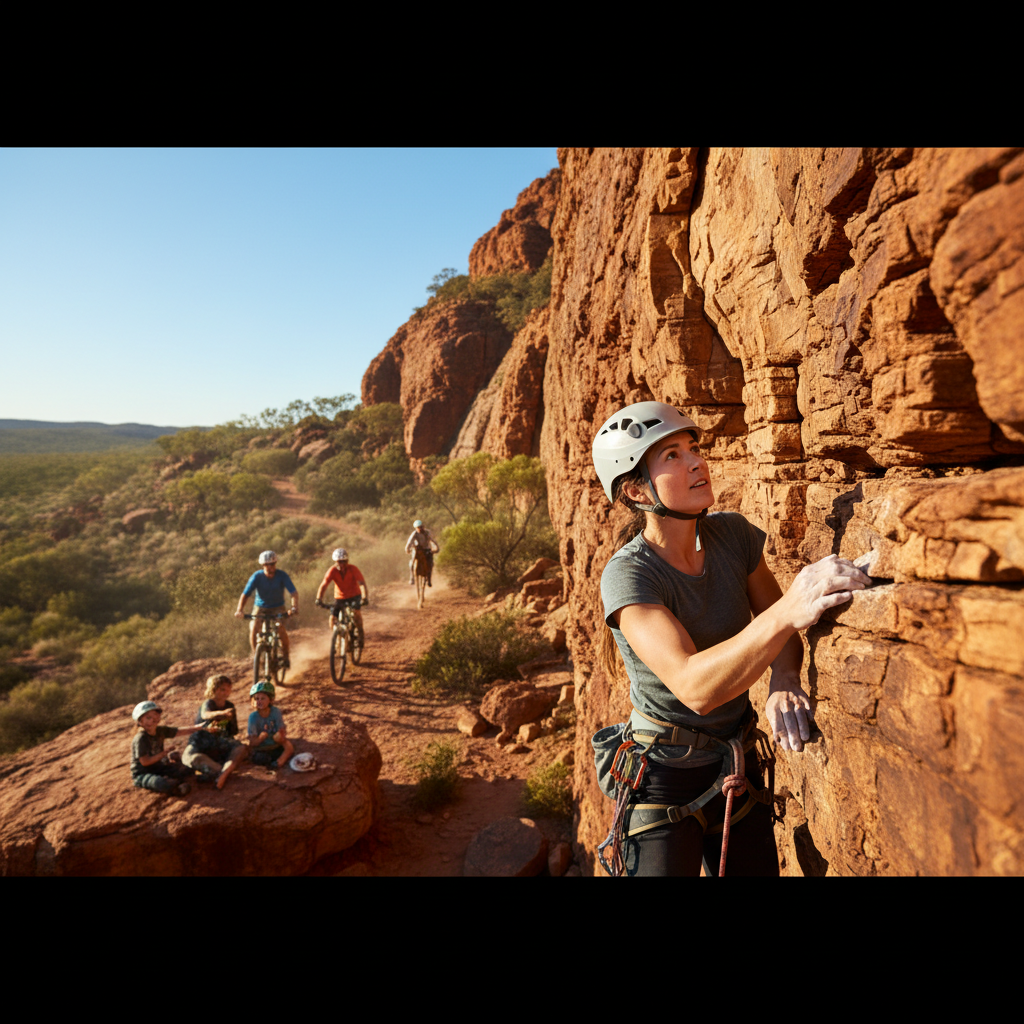
Beat the Heat and Stay Focused on Long Climbs: Your Helmet Guide
Australia. The land of sunshine, epic landscapes, and, let's be honest, some serious heat. For climbers and adventurers hitting long routes, especially in the warmer months, staying cool and focused isn't just about comfort – it's about safety and performance. The relentless sun and high temperatures can quickly turn a challenging but rewarding day into a sapping struggle.
Your helmet is your most crucial piece of safety gear. But it can also be a source of heat build-up. This guide will walk you through practical, no-nonsense strategies to keep your head cool, your mind sharp, and your ambition burning bright, even when the mercury climbs. We'll cover how to maximise your helmet's effectiveness, manage heat, and maintain the focus you need for those demanding ascents.
The Dual Threat: Heat and UV on the Rock
We all know the Australian sun is intense. Every day, especially during daylight hours, the UV index can soar, posing a significant risk of sunburn and long-term skin damage. But on long routes, especially multi-pitch climbs or extended treks between climbing areas, the heat itself becomes a formidable opponent.
Excessive heat can lead to:
Dehydration: Even if you're drinking, the body loses fluids faster.
Heat Exhaustion: Symptoms include dizziness, nausea, fatigue, and confusion – all incredibly dangerous when you're high up.
Reduced Cognitive Function: Heat impairs your ability to think clearly, problem-solve, and make good decisions. This is the last thing you want when navigating tricky sections or planning your next move.
Physical Fatigue: Muscles tire faster, and your endurance plummets.
Your helmet, while essential for impact protection, can also trap heat and sweat around your head. This feels miserable and contributes to the problems above. Thankfully, with a few smart adjustments and the right gear, you can mitigate these effects.
Maximising Your Helmet's Potential for Sun and Heat Management
Forget what you think you know about helmets being just hard hats. Modern helmet designs, coupled with smart accessories, offer far more than just impact absorption. They can be your first line of defence against the elements.
The Brim Advantage
This is where a game-changer comes in. A helmet brim, especially one designed to attach to your existing helmet, offers significant benefits beyond just impact protection. Think beyond aesthetics; think functionality.
A good brim provides:
Shade for Your Face: This is crucial. Direct sunlight on your face causes glare, discomfort, and contributes to overall heat build-up. A brim shades your eyes, forehead, and even your neck, reducing the direct radiant heat load.
Reduced UV Exposure: While not a substitute for sunscreen, a physical barrier significantly reduces the amount of UV radiation hitting your face and scalp. For long days under the blazing Aussie sun, this is vital.
Increased Visibility: Less glare means you can see the rock, the route, and your surroundings more clearly. This directly impacts your focus.
We specifically designed our durable helmet brims to be lightweight, tough, and universally compatible. They offer substantial shade without adding significant weight or bulk to your setup.
Ventilation is Key
Most climbing helmets feature vents. Don't underestimate their importance. Ensure yours are clear of mud, dust, and debris. Clean your helmet regularly, as per its maintenance instructions. Some helmets have more vents than others, and their placement can impact airflow. When choosing a helmet, consider the ventilation system. For Australian conditions, more vents are generally better, as long as they don't compromise structural integrity.
Staying Cool: Practical Strategies Under the Sun
It’s not just about the helmet; it’s about a holistic approach to heat management.
Hydration, Hydration, Hydration
This sounds obvious, but it’s the most common pitfall. You can’t drink enough in the moment. Start hydrating well before your climb, continue throughout, and rehydrate afterwards. Electrolyte drinks are a good idea on extremely hot or long days. Don’t wait until you feel thirsty – that’s a sign you’re already behind.
Timing Your Climbs
If possible, plan your longest or most demanding routes for the cooler parts of the day. Early mornings and late afternoons are your friends. Midday sun in Australia can be brutal and is often best avoided for strenuous activity. If you have to climb during peak heat, break up longer routes or seek shade where possible.
Strategic Breaks
Every opportunity to stop in the shade is an opportunity to cool down. Remove your helmet, let your head breathe, and take sips of water. Use wet cloths or bandanas to cool your neck and wrists – pulse points where blood is closer to the surface and can be cooled effectively.
Clothing Matters
Lightweight, breathable, moisture-wicking clothing is essential. Avoid dark colours that absorb heat. Long sleeves and pants, even in the heat, can provide better UV protection than exposing your skin to direct sun, provided they are made of the right material.
Maintaining Focus: Your Mind Under Pressure
Heat and fatigue are focus killers. Here’s how to combat it.
Pre-Climb Preparation
Scout the Route: Know the plan, key holds, and potential cruxes before you start. This reduces the need for intense mental processing while exhausted and hot.
Gear Check: Ensure all your gear is in order. A loose strap or a malfunctioning piece of equipment is a distraction you don’t need.
Mental Rehearsal: Visualise success, focus on your breathing, and have a positive mindset.
During the Climb
Break it Down: Don’t think about the entire climb at once. Focus on the next pitch, the next section, or even just the next few moves. This is known as chunking and is a vital mental strategy.
Mindful Breathing: Controlled breaths help regulate your heart rate, calm your nerves, and improve oxygen flow to your brain. When you feel overwhelmed or your focus wavers, take a few deep breaths.
Communicate Clearly: If climbing with others, clear and concise communication is paramount. Ensure your message is understood and confirm instructions. This might be harder when fatigued, so practice active listening.
Recognise Fatigue: Be honest with yourself and your climbing partners about your state. Pushing beyond your limits when overheated and exhausted is dangerous. It’s not a sign of weakness to call for a rest or to adjust plans.
Post-Climb Recovery
Proper recovery is as important as the climb itself. Rehydrate, refuel with good nutrition, and allow your body to rest. This prepares you for your next adventure and helps your focus for future climbs.
Helmet Maintenance for Optimal Performance
Your helmet is an investment in your safety. Keep it in top condition.
Clean Regularly: Use mild soap and water. Avoid harsh chemicals, solvents, and abrasive cleaners, as they can degrade the helmet's materials.
Check for Damage: Inspect your helmet for cracks, dents, or any signs of impact. If it’s been in a significant fall, it should be replaced, even if no visible damage is present. Refer to the manufacturer's guidelines for inspection and replacement.
Store Properly: Keep your helmet out of direct sunlight when not in use. Prolonged UV exposure can degrade the plastic over time. Store it in a cool, dry place.
If you're unsure about your helmet or its maintenance, our FAQ section has plenty of helpful information.
Common Objections and How to Handle Them
"A brim will get snagged on things."
This is a valid concern. However, most modern climbing helmet brims, or attachments like ours, are designed with a flexible or breakaway design to minimise snagging risks. Additionally, a well-fitted brim sits close to the helmet, reducing the profile. With awareness and careful climbing, snagging is a minimal risk compared to the benefits of shade and glare reduction.
"My helmet is designed to be hot; that's how it stays on."
While helmet fit is critical for safety, heat build-up is a separate issue. A helmet that is too tight can cause discomfort. However, the primary function of a helmet is impact protection, not temperature regulation on its own. Accessories like brims and good ventilation strategies are designed to complement the helmet's safety features without compromising fit or function.
"I've never used a brim before, and I've been fine."
This is often true, especially for shorter climbs or when climbing in less extreme conditions. However, Australian conditions are often more severe. Longer routes, higher UV indices, and prolonged exposure to heat mean that what worked before might not be sufficient now. It’s about maximising your safety and comfort, especially when conditions are challenging.
"It looks silly."
Safety and performance trump aesthetics, especially in the climbing world. A focused, comfortable, and well-protected climber is a more successful and safer climber. Functionality and preparedness are hallmarks of experienced adventurers.
Checklist for a Cooler, More Focused Climb
Before you head out for a long route, run through this quick checklist:
Helmet: Clean, undamaged, and with a well-fitted brim for shade. (Check out our Products page for the best options.)
Hydration: Water bottles/bladder filled, electrolyte supplements packed.
Apparel: Light-coloured, breathable, moisture-wicking clothes.
Sunscreen: Applied and reapply as needed.
Timing: Plan your climb to avoid peak heat if possible.
Shade Strategy: Identify potential rest spots with shade on the route.
Navigation: Route planned and understood.
Communication: Ensure clear communication plan with your climbing partners.
Breaks: Plan for strategic breaks to rest and cool down.
Step-by-Step: Attaching Your Da Brim Helmet Brim
If you're looking to add a brim to your existing helmet, the process is usually straightforward. We’ve made ours simple and secure.
1. Clean Your Helmet: Ensure the area where the brim will attach is free of dirt, sweat, and debris.
2. Identify Attachment Points: Our brims often use durable straps and clips. Locate the designated areas on your helmet – usually around the front edge or through specific vent openings.
3. Secure the Straps: Thread the straps through the attachment points on your helmet and fasten them securely. Ensure they are snug but not so tight they restrict blood flow or comfort. Use any provided buckles or Velcro closures.
4. Position the Brim: Adjust the brim so it provides optimal shade for your face without obstructing your vision or getting in the way of your helmet’s primary function.
5. Test for Stability: Gently pull on the brim and shake your head to ensure it's firmly attached and won't move during climbing.
For detailed instructions specific to your helmet model and our brim, refer to our How to Install guide.
Conclusion
Long routes under the Australian sun demand respect and preparation. Your helmet is a critical piece of safety equipment, and with a few smart enhancements and strategies, it can become an even more effective tool for keeping you cool, focused, and safe. Don't let the heat dictate your performance or compromise your safety. Embrace practical solutions, prepare thoroughly, and enjoy those epic climbs.
For more tips and to explore our range of helmet accessories designed for Australian conditions, head over to our Products page or check out our other Blog posts. Stay safe out there!