
Beat the Burn: Your Helmet is Only Half the Battle Against Australian Sun
Riding helmets protect your head, but what about your face, neck, and eyes? Understand the real UV risks for Australian riders and instructors, and get practical, no-nonsense solutions.
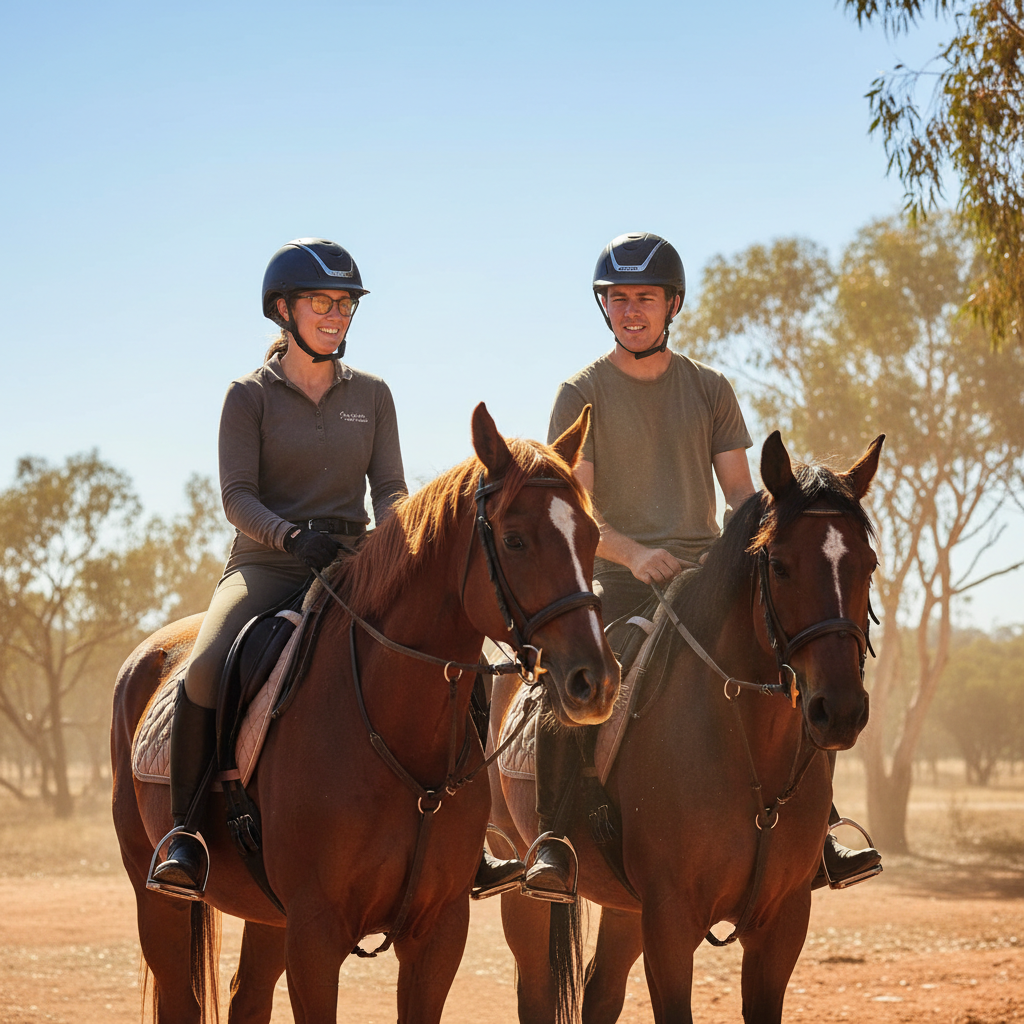
Beat the Burn: Your Helmet is Only Half the Battle Against Australian Sun
Let's cut to the chase. You wear a helmet when you ride. Good. It’s critical for safety, and that’s non-negotiable. But is your helmet doing enough to shield you from the relentless Australian sun? For riders and instructors spending hours in the saddle, the answer is often a resounding 'no'. We're talking about more than just a bit of sunburn; we’re talking about long-term skin damage, premature aging, and even skin cancer. And let's not forget the immediate risks of heatstroke and eye strain.
The Unseen Enemy: UV Radiation in Australia
Australia has some of the highest UV radiation levels in the world. Our clear skies, particularly during daylight saving months, can mean a very high UV Index, often exceeding 11, which is considered extreme. This isn't a rumour; it’s a fact of life Down Under. When you’re out riding, even on a cloudy day (UV rays penetrate clouds), your skin is exposed to this invisible damage.
Think about your typical riding day:
Long Hours: Early mornings, late afternoons, and sometimes full days at shows or training sessions. That's a lot of cumulative exposure.
Open Spaces: Arenas, paddocks, trails – these are often wide-open areas with little to no shade.
Repetitive Exposure: Weeks, months, years of riding. The damage adds up.
Your helmet covers your head, but what about your face, ears, and neck? These areas are directly in the firing line. And even if you wear sunglasses, are they adequate for sustained riding under intense sun?
The Real Risks: Beyond a Red Face
It's easy to dismiss a mild sunburn as a temporary inconvenience. But the consequences of prolonged UV exposure are serious:
Skin Cancer: Australia has the highest rate of melanoma in the world. The face, ears, and scalp are common sites for skin cancers, including melanoma, basal cell carcinoma, and squamous cell carcinoma. Instructors and those who spend the most time outdoors are at a higher risk.
Premature Aging: Wrinkles, sunspots (age spots), and leathery skin texture are direct results of UV damage. Ever looked in the mirror and thought you looked older than you feel? Blame the sun.
Eye Damage: Cataracts and macular degeneration are linked to long-term UV exposure. The glare from the sun can also cause temporary blindness or reduced vision, which is incredibly dangerous when you're handling horses.
Heatstroke & Dehydration: Extended periods in the heat, especially with limited shade and potential for reduced fluid intake due to concentrating on riding, can lead to heat exhaustion and, in severe cases, heatstroke. This is a medical emergency.
Discomfort and Reduced Performance: Sunburn stings, squinting is exhausting, and feeling overheated makes it hard to focus and communicate effectively. This impacts your riding performance and your ability to instruct safely.
Common Objections and Why They Don't Hold Water
Let's address some excuses we hear. We get it; it can feel like a hassle to add extra sun protection to your riding routine.
“My sunscreen is enough.” Sunscreen is vital, but it’s not foolproof, especially on your face and neck for hours on end. It wears off, sweats off, and you can easily miss spots. Reapplication can be difficult and messy at the stables.
“I’m only out for a short time.” Even 30 minutes of direct sun can cause damage, especially during peak UV hours (usually 10 am to 3 pm). And for many, riding sessions are much, much longer.
“It’s too hot and uncomfortable to wear anything else.” We agree. Overly hot gear can make things worse. That’s why solutions need to be breathable and practical.
“My helmet has a peak.” Most standard riding helmets have a very small peak, offering minimal protection to your face and none to your ears or neck.
“I can’t wear a hat under my helmet.” You’re right. Most hats won’t fit. But you can add protection to your helmet.
Practical Solutions for the Sun-Smart Rider (and Instructor)
This isn't about making riding uncomfortable; it's about making it safer and more enjoyable. We need solutions that integrate with your existing gear and lifestyle.
1. Enhance Your Helmet's Protection
Your helmet is your primary safety device. Now, let’s make it your primary sun-shielding device too. Standard helmet peaks are tiny. You need more coverage. Consider accessories designed to offer extended protection without compromising safety or ventilation.
2. Sun-Protective Clothing
Beyond your helmet, think about UPF (Ultraviolet Protection Factor) rated clothing. Long-sleeved shirts and pants made from lightweight, breathable, and moisture-wicking UPF fabric can significantly reduce your skin's UV exposure. Look for materials that are specifically designed for hot weather activities.
3. Sunscreen – The Essential Layer
Don't ditch the sunscreen! Apply a broad-spectrum SPF 30 or higher sunscreen to all exposed skin 20 minutes before going outside. Remember to reapply every two hours, or more often if sweating heavily.
Face: Cream or lotion, focusing on nose, cheeks, forehead, and ears. Consider a sunscreen stick for easy reapplication.
Lips: Use a lip balm with SPF. Your lips burn too!
Neck: Don't forget the back of your neck, especially if you have short hair. A broad-brimmed hat for when you're not riding can help protect this area.
4. Eye Protection
Good quality sunglasses are crucial. Look for sunglasses that offer:
100% UV protection: This is non-negotiable.
Wraparound style: This shades your eyes from all angles and reduces glare.
Polarisation: Reduces glare from reflective surfaces (water, sand).
5. Hydration is Key
This is critical for preventing heat-related illnesses. Drink plenty of water throughout the day, even if you don’t feel thirsty. Electrolyte drinks can be beneficial during long, hot sessions.
A Simple Table of Protection
| Area Protected | Primary Method(s) | Secondary Method(s) | Notes |
|---|---|---|---|
| Face, Ears, Neck | Extended Helmet Brim Accessory | UPF Clothing, High SPF Sunscreen | Critical for reducing skin cancer risk. |
| Eyes | Wraparound Sunglasses (100% UV) | Wide-brimmed hat (off-horse) | Prevents cataracts and glare. |
| Arms & Torso | UPF Long-Sleeved Shirt | Sunscreen | Essential for cumulative UV dose. |
| Legs & Feet | UPF Pants/Jodhpurs | Reduces exposure to lower body. | |
| Lips | Lip Balm with SPF | Often overlooked, but very susceptible. |
Step-by-Step Guide to Daily Sun Safety
Making sun safety a habit is the most effective way to protect yourself. Here’s a simple routine:
1. Morning Prep (Before Riding):
Apply a generous layer of broad-spectrum SPF 30+ sunscreen to all exposed skin (face, ears, neck, arms, legs). Don't forget your lips.
If your helmet is equipped with an extended brim, ensure it’s properly attached. If not, consider adding one. How to Install might be helpful here.
Put on your UPF riding shirt and pants.
Put on your riding helmet (with added brim if applicable) and your protective sunglasses.
2. During Riding Session:
Stay mindful of your hydration. Drink water regularly.
If you’re out for more than 2-3 hours or sweating heavily, plan for sunscreen reapplication. A sunscreen stick is handy for this. Consider carrying one in your stable kit.
If you're taking a break and not wearing your helmet, put on a wide-brimmed hat or seek shade.
3. After Riding:
Cool down properly.
Check your skin for any areas that might have been missed or are showing signs of redness.
* Continue to rehydrate.
The DA BRIM Difference: Practical, Proven Protection
We understand the challenges faced by Australian riders and instructors. That's why we developed practical solutions to enhance your existing helmet. Our products are designed to offer significantly more face, ear, and neck coverage than traditional helmet peaks, without compromising safety standards or ventilation. They are lightweight, easy to attach, and designed for the rigours of equestrian life. You can find our range of protection at our Products page.
Frequently Asked Questions
We get asked a lot of questions. For more in-depth answers about safety, installation, and care, please visit our FAQ.
Don't Wait, Protect Yourself
The Australian sun isn’t going anywhere. Your health and safety are paramount. Investing a little time and resources into effective sun protection now can save you a lot of pain, and potentially a lot more, down the track. Don't let your helmet be just for impact; make it for sun protection too. If you're looking for more riding tips and safety advice, check out our Blog. Stay safe, and ride on!