
Beat the Burn: Your Guide to Sun Protection on Long Australian Cycling Rides
Sunburn on a long Aussie bike ride is more than just uncomfortable; it's a health risk. Learn practical, no-nonsense strategies to keep your skin protected, even on the harshest days.
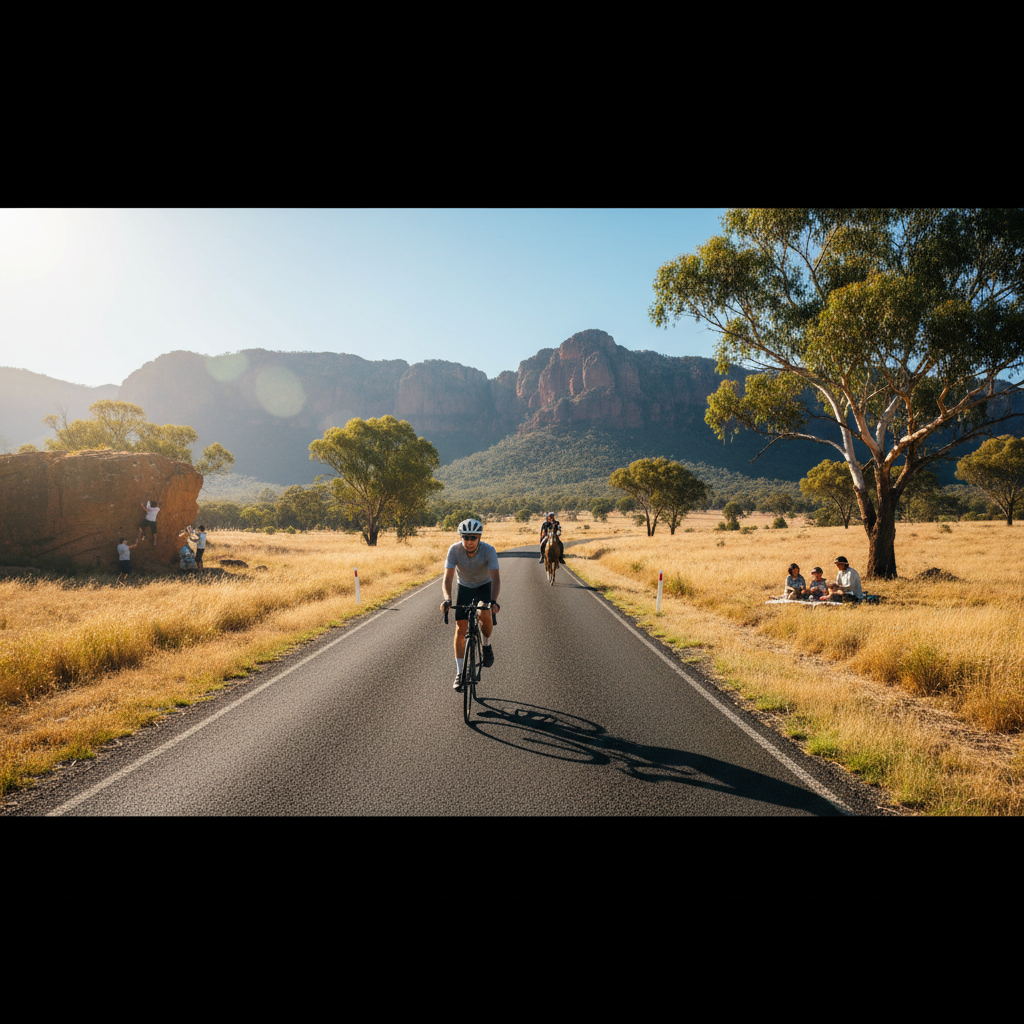
Beat the Burn: Your Guide to Sun Protection on Long Australian Cycling Rides
Australia. We love it for its sunshine, its open roads, and its incredible landscapes. And for cyclists, it’s a paradise. But that sunshine comes with a serious sting if you’re not prepared. Long rides, especially under that relentless Aussie sun, can turn a great day into a painful, red, peeling nightmare. Sunburn isn't just unsightly; it's a direct precursor to premature ageing and, more importantly, skin cancer. Ignoring sun protection on your bike is frankly, a bad idea.
This isn't about scaremongering; it's about practicality. You're out there to enjoy the ride, to push your limits, and to explore. Getting roasted by the sun is a quick way to end that enjoyment and potentially cause lasting damage. We’re talking about sweat, wind, and hours on end, often in areas where shade is miles away. So, how do you prevent sunburn on those epic long rides without feeling like you're smuggling yourself into a hazmat suit?
Let’s cut to the chase. This is about effective, no-fuss sun protection for helmet wearers in Australian conditions.
The Harsh Reality of the Aussie Sun for Cyclists
We all know Australia has some of the highest UV levels in the world. Even on a cloudy day, UV rays can penetrate and cause damage. When you’re cycling, several factors amplify the risk:
Exposure Time: Long rides mean prolonged exposure. Hours in the saddle quickly add up. A short commute and a 6-hour loop are entirely different beasts when it comes to UV dosage.
Reflection: Water, sand, and even light-coloured roads can reflect UV rays, increasing your total exposure.
Sweat: When you sweat, sunscreen can run into your eyes, causing irritation. It can also wash away protection if not applied correctly.
Helmet Gaps: Standard helmets, while essential for safety, often leave significant portions of your scalp, neck, and face exposed to direct sun.
High UV Index: When the UV index hits 3 or above, sun protection is recommended. During Australian summers, it frequently sits at 11+ and can easily reach 14 or 15 in many areas. This is extreme.
Ignoring these factors is a gamble you don't want to take. The consequences – from painful sunburn to increased skin cancer risk – are too high.
Your Arsenal Against the Sunburn Attack
Preventing sunburn isn't a single action; it's a strategy. It involves a combination of physical barriers, topical protection, and smart riding habits.
1. The Helmet – Your First Line of Defence (and Where It Falls Short)
Your helmet is non-negotiable for safety. But a standard helmet leaves your scalp, ears, and neck vulnerable. The sun beats down directly onto your head, and the spaces between vents offer little to no protection. This is a critical blind spot in your sun safety plan.
2. Sunscreen – The Essential Cream
This is your absolute must-have. But not all sunscreen is created equal or applied effectively for cyclists.
What to Look For:
Broad Spectrum: Protects against both UVA and UVB rays.
SPF 30 or Higher: For prolonged exposure in Australia, SPF 50+ is recommended.
Water-Resistant: Crucial for cyclists who sweat.
Non-Greasy Formula: You don't want it interfering with helmet fit or making your hands slippery.
Application is Key:
*Apply Before You Ride: Generously apply sunscreen at least 15-20 minutes before you even get on your bike. This allows it to soak in and form a protective barrier.
Don't Forget the Gaps: Pay extra attention to your ears, the back of your neck (especially where your jersey collar ends and your neck begins), your hairline, and the tops of your hands and forearms. These are common spots for missed application.
Reapplication: This is where most people fall down on long rides. Sweat washes sunscreen away, and even water-resistant formulas have a limit. Carry a travel-sized sunscreen or SPF lip balm and reapply every two hours, or more frequently if you’re sweating heavily or have been in the water.
3. Clothing – More Than Just Lycra
Your cycling kit is designed for performance, but it can also offer sun protection.
UPF Rated Clothing: Look for jerseys and bib shorts with a Ultraviolet Protection Factor (UPF) rating. Higher UPF means better protection.
Long Sleeves: While it might feel counterintuitive in the heat, long-sleeved jerseys made from lightweight, breathable, UPF-rated fabric can be more effective than short sleeves and sunscreen, as they provide a consistent barrier.
Neck Gaiters/Buffs: A lightweight, breathable neck gaiter can protect your neck and lower face, especially when pulled up higher. Opt for moisture-wicking materials.
4. Beyond the Basics – Smart Strategies
These are the practical additions that make a big difference.
p
Sunglasses: Essential for eye protection. Look for wrap-around styles that block UV rays from the sides.
Hats/Caps Under the Helmet: A thin cycling cap can add an extra layer of protection for your scalp, especially if it has a dark underside to reduce glare. However, ensure it doesn't compromise your helmet's fit or safety.
Lip Balm with SPF: Lips can burn easily. Carry a balm and reapply often.
Plan Your Ride: If possible, schedule longer rides for earlier in the morning or later in the afternoon when the UV index is lower. Avoid the 10 am to 3 pm peak hours.
When Your Helmet Isn't Quite Enough: The DA BRIM Solution
Had enough of the sun burning your scalp through helmet vents? Frustrated with sunscreen running into your eyes every time you sweat? You're not alone. Many cyclists experience these very issues, especially on demanding Australian rides.
This is precisely why we developed DA BRIM. It's not about replacing your helmet; it's about enhancing it. DA BRIM is an innovative helmet brim that clips securely onto most standard cycling helmets. Its purpose is simple: to extend the protective coverage of your helmet, shielding areas that are otherwise exposed.
How DA BRIM Solves Common Sunburn Problems:
Scalp Protection: The extended brim casts a direct shadow over the top of your head, significantly reducing direct UV exposure to your scalp. This is a game-changer for long rides where the sun is directly overhead.
Face Shielding: It provides shade for your face, reducing glare and protecting your forehead and the sensitive skin around your eyes. This can minimise the need for excessive sunscreen application on your face, leading to less sweat-related eye irritation.
Neck Coverage: The design offers a degree of shading for your upper neck and shoulders, areas often missed by sunscreen or straps.
Reduced Glare: By shielding your eyes from direct overhead sun, DA BRIM can improve visibility and reduce eye strain, enhancing your riding comfort and safety.
DA BRIM is designed to be aerodynamic, lightweight, and durable, fitting seamlessly with your existing safety gear. It’s an easy addition that offers significant gains in sun protection without compromising your helmet's integrity.
Ready to see how it works? Learn How to Install your DA BRIM in just a few simple steps.
Practical Sun Protection Checklist for Long Australian Rides
Let's make this actionable. Here’s a quick checklist to ensure you’re covered before you head out:
[ ] Helmet: Clean and in good condition.
[ ] DA BRIM: Attached securely to your helmet if using one.
[ ] Broad Spectrum SPF 50+ Sunscreen: Enough for face, neck, ears, and any exposed limbs.
[ ] SPF Lip Balm: Keep it accessible.
[ ] Sunglasses: With UV protection.
[ ] Lightweight, UPF Rated Cycling Jersey: Long or short sleeves.
[ ] Cycling Cap (Optional): For extra scalp protection under the helmet.
[ ] Neck Gaiter/Buff (Optional): For neck and lower face protection.
[ ] Water Bottle(s) / Hydration Pack: Stay hydrated; dehydration can make you feel the effects of sun exposure more acutely.
[ ] Ride Plan: Check the UV index and plan your route to avoid peak sun hours if possible.
Sunscreen Reapplication Strategy for Long Rides
This deserves its own breakdown because it’s where many cyclists fail.
The Two-Hour Rule (and When to Break It):
1. Pre-Ride Application: Apply liberally 20 minutes before leaving. Ensure full coverage on all exposed skin: face, ears, neck, hairline, legs, arms, back of hands. Don't forget those spots! Use a mirror if needed.
2. The Two-Hour Mark: At the two-hour point of your ride, pause (if safe and convenient). Clean sweat from your face with a small towel or cloth. Reapply sunscreen to your face, ears, and neck. This is crucial.
3. Beyond Two Hours: If your ride extends significantly past the initial four hours or you're riding in extremely hot and humid conditions with heavy sweating, consider a third application. Listen to your body and know your sunscreen’s limits.
4. Carry a Travel Size: Always have a small, easy-to-carry tube of sunscreen. Sunscreen sticks or compact creams are often easier to manage on the go than lotions.
Pro-Tip: Consider a sunscreen specifically designed for sports or with a matte finish to minimise shine and greasiness, which can be amplified by sweat.
Common Objections and How to Handle Them
We hear it all the time. "Sunscreen feels sticky." "I don't want to reapply." "My helmet is enough." Let’s address these directly:
Objection: "Sunscreen is sticky and itches when I sweat."
Reality: This is often due to using the wrong type of sunscreen or not letting it absorb properly. Opt for lightweight, non-comedogenic, and sports-specific formulas. Apply it well before your ride. DA BRIM can also reduce the amount of sunscreen needed on your face, leading to less sweat-related irritation.
Objection: "Reapplying is a hassle on a long ride."
Reality: The hassle of reapplying is infinitely less than the pain and long-term health consequences of severe sunburn. Plan a brief stop every couple of hours. It’s a small price to pay for protection. For true convenience, explore products like sunscreen sticks or sprays (though sprays can be tricky to apply evenly to yourself).
Objection: "My helmet has vents, that’s enough ventilation and protection."
Reality: Those vents are for cooling, not sun blocking. They allow direct UV rays onto your scalp, which is a large, exposed surface area. DA BRIM adds crucial shade to your scalp and face, complementing your helmet's core safety function.
Objection: "I don't burn easily."
Reality: Sunburn is cumulative. Even if you don't feel the burn immediately, UV damage is happening, increasing your risk of skin cancer and premature ageing over time. Consistency is key, everyday, on every ride.
Don’t Let the Sun Ruin Your Ride
Long cycling rides in Australia are an experience to be savoured. Don't let sunburn become an unwelcome souvenir.
By now, you should have a clear understanding that effective sun protection is a multi-faceted approach. It involves choosing the right products, applying them diligently, and integrating smart strategies into your riding routine.
Your safety is paramount. This includes not just preventing accidents but also protecting your skin from the damaging effects of the Australian sun. We encourage you to explore our range of Products designed to enhance your cycling experience and safety.
Remember, consistency is key. Always check the UV index, apply sunscreen before you head out, and consider how DA BRIM can bolster your protection. For more general cycling tips and advice, our Blog is a great resource. And if you have any specific questions, our FAQ page has answers.
Ride smart, ride safe, and enjoy the ride. We want you to keep enjoying those beautiful Australian roads for years to come.