
Beat the Burn: Ultimate Sun Protection for Long Australian Cycling Rides
Don't let sunburn cut your long Australian cycling adventures short. Learn practical, no-nonsense strategies to protect your skin and enjoy your ride, even in intense UV.
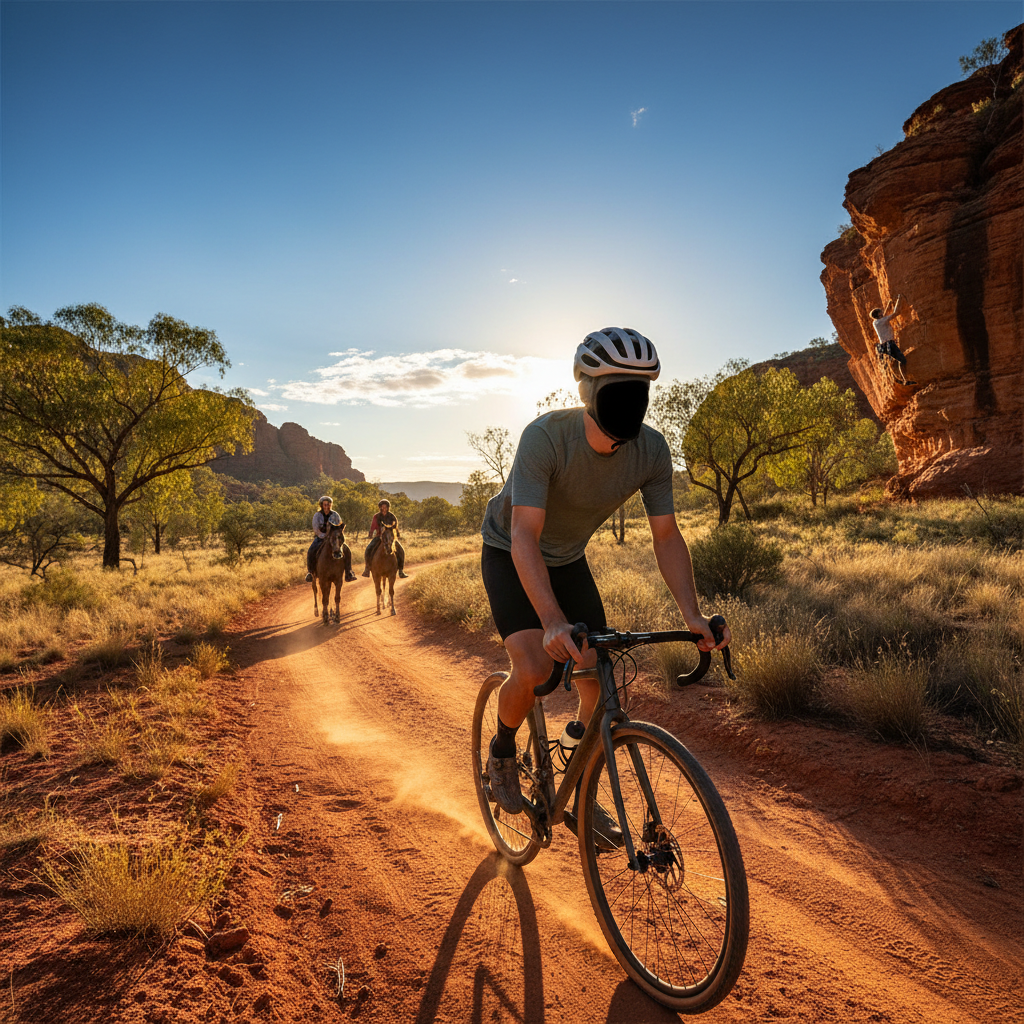
Beat the Burn: Ultimate Sun Protection for Long Australian Cycling Rides
Australia. Beautiful country, brutal sun. If you’re a cyclist who loves ticking off serious kilometres, you know the drill. Hours in the saddle, exploring our vast landscapes, only to be greeted by the gnawing itch and redness of sunburn later. It’s not just uncomfortable; it’s a serious health risk.
Forget slapping on some SPF and hoping for the best. Long rides, especially during our peak UV months, demand a proactive, multi-layered approach to sun protection. This isn't about daintily reapplying sunscreen every hour – though that's part of it. This is about smart gear, strategic choices, and understanding how to minimise your exposure when you’re out for the long haul.
The Harsh Reality: Australian UV and Your Skin
We all know the Aussie sun packs a punch. Even on a cloudy day, UV rays can penetrate. For long rides, particularly those extending into the hottest part of the day, the cumulative exposure is the real danger. We’re not talking about a quick spin to the shops here. We’re talking hours. Hours where your exposed skin is constantly bombarded.
Your helmet is your primary defence, but standard cycling helmets, by design, offer very limited facial shade. This leaves your ears, neck, and often the sides of your face dangerously exposed. Add to this the sweat that can wash away sunscreen, and you’ve got a recipe for a painful aftermath.
Common Objections – And Why They Don't Cut It for Long Rides:
"I only need sunscreen.":
Reality: Sunscreen is crucial, but it’s not a foolproof shield for hours of intense UV. It washes off with sweat, needs reapplication (which is impractical on a long ride), and often misses tricky spots like the ears and neck. The goal for long rides is to reduce the amount of UV hitting your skin in the first place.
"I’ll be fine; I’ve done this before.":
Reality: Sun damage is cumulative. You might not see immediate blistering, but you're increasing your risk of premature ageing and skin cancer with every unprotected exposure. Long rides over years add up.
"Hats under helmets are too hot/uncomfortable.":
Reality: This is a valid concern, but it depends on the type of headwear. Thin, breathable skullcaps can help, but the most effective solutions focus on adding protection to the helmet itself, not just layering underneath.
"It’s not that sunny today.":
Reality: UV levels can be high even when it’s overcast. Always check the UV index. If it’s 3 or above, sun protection is recommended. For long rides, aim for maximum protection regardless.
Building Your Sun-Proof Arsenal: Essential Gear
Dodging sunburn on a marathon ride isn’t about luck; it’s about preparation and the right equipment. Beyond a good quality helmet, consider these additions:
1. Helmet Brim: This is non-negotiable for serious sun protection. A purpose-built helmet brim attaches securely to your helmet, extending its shade significantly over your face, neck, and ears. Look for sturdy, adjustable options that won't flop around in the wind. Products with a quality brim are a game-changer.
2. Performance Sunscreen: Choose a high SPF (50+), broad-spectrum sunscreen that’s water-resistant and sweat-resistant. Apply it generously to all exposed skin before you even get on your bike.
3. Lip Balm with SPF: Don’t forget your lips! They can burn easily and are prone to developing skin cancers.
4. Sunglasses: Protect your eyes from UV and glare. They also offer a small amount of protection to the skin around your eyes.
5. Lightweight, Long-Sleeved Sun Jersey: If your ride involves significant time on exposed roads, a lightweight, breathable sun jersey with a UPF rating can offer crucial arm protection. Many are designed to be cooler than short sleeves.
6. Neck Gaiter/Buff: A thin, breathable neck gaiter can be pulled up to protect your neck and lower face during peak UV hours.
The Practical Checklist for Sun Protection
Before you even think about heading out for that epic 100km+ ride, run through this checklist. It’s designed to be no-fuss and actionable.
Helmet Status: Is it fitted correctly? Does it have a purpose-built brim attached? (How to Install guide available if needed – it’s simple!).
Sunscreen Application: SPF 50+ applied THOROUGHLY 15-20 minutes before sun exposure. Don’t forget ears, back of neck, hairline, and any small gaps.
Lip Balm: SPF applied.
Sunglasses: Clean and ready.
Sun Jersey/Arm Warmers: Packed or worn if conditions require.
Water/Hydration: Staying hydrated helps skin health and overall well-being, though it doesn't directly prevent sunburn.
Route Check: Are there extended exposed sections? Plan stops in shaded areas if possible for breaks.
UV Index Check: Know the forecast. If it's high, extra vigilance is needed.
Strategy: Minimising Exposure on the Move
Sun protection isn't just about what you wear; it's about how you ride.
Pre-Ride Preparation (Crucial):
1. Apply Sunscreen Generously: At least 20 minutes before you leave. This allows it to absorb properly and reduces the chance of it immediately washing off with sweat. Pay special attention to your ears, neck, the back of your hands, and any part of your face not covered by your helmet brim. Don’t be shy.
2. Lip Protection: Apply a thick layer of lip balm with SPF 50+.
3. Gear Up: Ensure your helmet brim is securely attached. If using a sun jersey, put it on. Wear your sunglasses.
During the Ride: The Long Haul Tactics:
Leverage Your Helmet Brim: This is your primary defence. A good brim casts a significant shadow, protecting your face, nose, and ears. Position yourself so the sun is behind you when possible, but understand that direct light hitting your face will happen.
Strategic Stops: If you’re stopping for a longer break (food, refill), seek out shade. This is your chance to quickly check for any missed spots and reapply sunscreen if absolutely necessary, though the goal is to minimise this need.
Listen to Your Body: If you start to feel that tell-tale warmth or tingling on your skin, it’s a warning sign. You may have missed a spot, or your sunscreen might have broken down. Try to adjust your position or seek shade. A more significant UV index day requires more attention.
Hydration is Key: While not a direct sunburn prevention, staying well-hydrated helps your skin’s overall health and resilience. Dehydration can exacerbate the effects of sun exposure.
Know Your Limits: Some days, the sun is just too intense for extended, unprotected exposure, even with precautions. If the UV index is extreme (8-10+), consider rescheduling shorter rides or riding during dawn/dusk hours. You can find UV index information through various weather apps and the Bureau of Meteorology.
Post-Ride Care:
Cool Down: A cool shower can help soothe your skin.
Moisturise: Use a good after-sun lotion or moisturiser, especially if you suspect any minor exposure.
Check Yourself: In the days following a long ride, pay attention to your skin. Look for any redness, peeling, or unusual marks.
Table: Sun Protection Effectiveness Comparison
This table simplifies the benefits of various sun protection methods for long cycling rides.
| Method | Primary Benefit | Long Ride Effectiveness | Practicality/Reapplication Needs | Notes |
|---|---|---|---|---|
| Standard Helmet | Head protection, basic shade | Low | N/A | Offers minimal facial/neck protection on long rides. |
| Sunscreen (SPF 50+) | Blocks UV rays | Medium | High (needs frequent reapplication) | Essential, but prone to sweat wash-off on long rides. |
| Helmet Brim | Extends shade over face, ears, neck | High | Low (fixed to helmet) | Significantly reduces direct UV exposure. |
| Sun Jersey (UPF rated) | Protects arms/shoulders from direct UV | High | Low (worn once) | Crucial for exposed road cycling. |
| Sunglasses | Protects eyes and surrounding skin from UV/glare | Medium | Low (worn once) | Complements brim for eye area protection. |
Frequently Asked Questions (FAQ)
We get a lot of questions about sun protection on the bike. Check out our FAQ page for detailed answers, but here are a few common ones.
Q: Can I wear a cap under my helmet for extra shade?
A: While a cap offers some shade, it can trap heat and sweat, making you feel hotter. Furthermore, the brim of a cycling cap is often too small to offer significant protection for your face and ears during long rides. Dedicated helmet brims are far more effective.
Q: How often should I reapply sunscreen on a long ride?
A: Ideally, you want to minimise reapplication. With a good sunscreen and effective helmet brim, you might get away with one application if the ride is shorter than 3-4 hours in moderate UV. For longer rides (5+ hours) in high UV, plan to reapply every 2-3 hours, especially if you’re sweating profusely. This is why reducing exposure with physical barriers like brims is so important.
Q: Will a helmet brim make my helmet too hot?
A: Modern helmet brims are designed to be aerodynamic and lightweight. While any addition can slightly increase perceived heat, the benefits of sun protection for long rides far outweigh this minor increase. You’ll be much more comfortable with a cool, unburnt head than with excessive head coverage.
Conclusion: Ride Smarter, Not Just Harder
Long cycling rides in Australia are a privilege. Don’t let sunburn turn a great adventure into a painful ordeal, or worse, increase your long-term risk of skin cancer. By implementing these practical, no-nonsense strategies, you can significantly enhance your sun protection and enjoy your time in the saddle with confidence.
Invest in the right gear, like a quality helmet brim from our Products range, and make sun protection a non-negotiable part of your pre-ride routine. Your skin will thank you for it, miles down the road.
For more tips and advice, explore our Blog.