
Beat the Burn: Ultimate Sun Protection for Australian Road Cyclists
Long road rides in Australia demand serious sun protection. Discover practical strategies and essential gear to keep you cool, comfortable, and safe from the harsh sun.
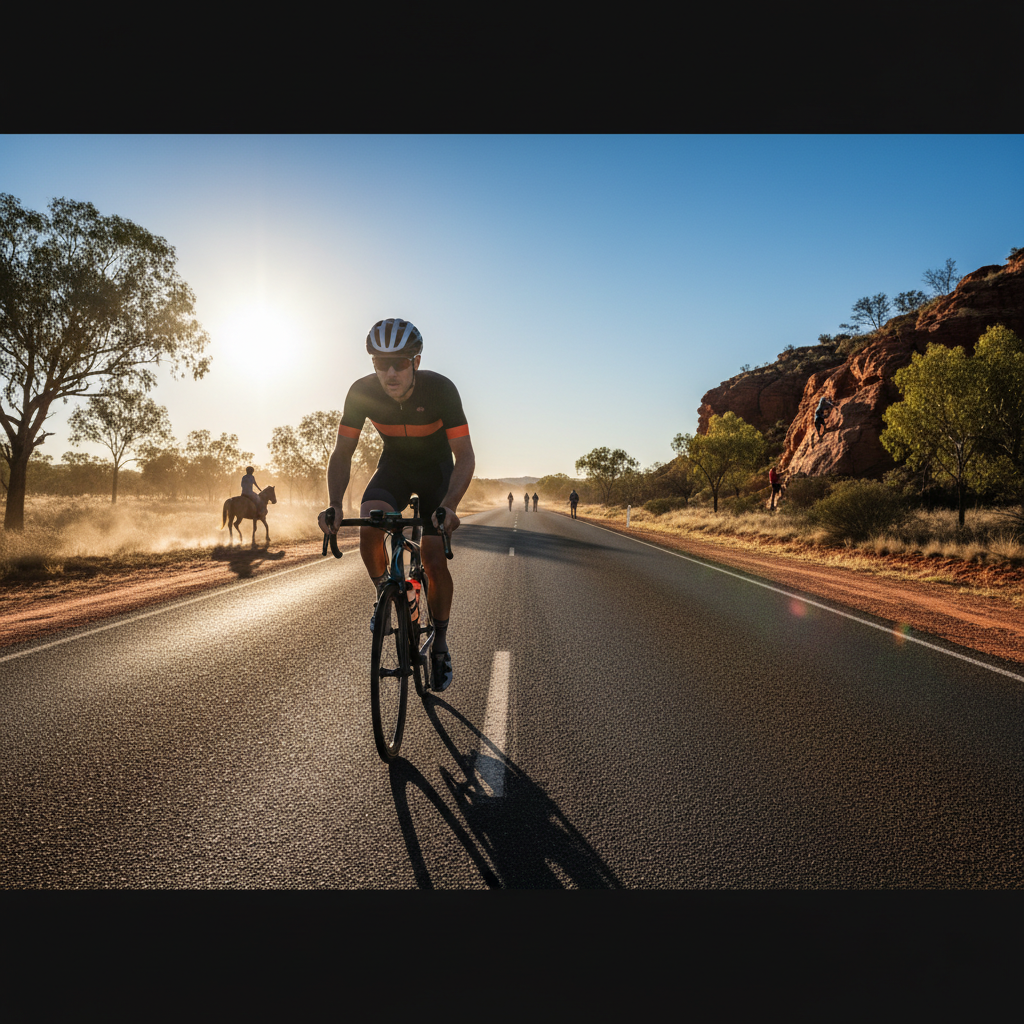
Beat the Burn: Ultimate Sun Protection for Australian Road Cyclists
Australia. The sunburnt country. For road cyclists, this means more than just scenic vistas and challenging climbs; it means facing relentless UV radiation and soaring temperatures, especially on those epic long rides. You can't escape the sun, but you can beat it. This guide is for serious cyclists who need practical, no-nonsense sun protection that works, no excuses. Forget flimsy hats and inadequate coverage. We're talking about real protection for real Australian conditions.
The Harsh Reality of the Australian Sun
We all know it. The Australian sun is a beast. With our high UV index, even short exposures can cause damage. On a long road ride, you're directly exposed for hours on end. This isn't just about getting a tan or a mild sunburn. We're talking about the cumulative damage that leads to premature skin aging, an increased risk of skin cancer, and immediate discomfort like heatstroke and dehydration. Your helmet is your primary safety gear, but it often leaves your face and neck exposed. That's a problem we need to solve.
Your Helmet Isn't Enough on Its Own
Many cyclists think their helmet is the be-all and end-all of their sun protection. While it protects your head from impact, it does little to shield your face, ears, and neck. The vents, while vital for cooling, are also entry points for harsh UV rays. The straps can rub and cause sunburn on your neck. And without extra protection, your face is a direct target for the sun’s glare and burn.
Essential Sun Protection Strategies for Long Rides
Protection isn't a single product; it's a multi-pronged approach. We’ll cover the gear you need and how to use it effectively.
1. Broad Spectrum Sunscreen – Your First Line of Defence
This is non-negotiable. No exceptions. Use a high SPF (50+), broad-spectrum sunscreen. "Broad-spectrum" means it protects against both UVA (aging rays) and UVB (burning rays). Apply it generously 20 minutes before you head out. Don't forget the ears, neck (especially the back and sides), back of your hands, and any exposed skin on your legs. Reapply every two hours, or more frequently if you're sweating heavily. Look for water-resistant formulas, even if you're not planning on swimming. The sweat alone can wash it off.
Key Application Points: Ears, neck (front, back, sides), face (forehead, cheeks, nose, chin), hands, exposed legs.
Frequency: Reapply every 2 hours, or more often if sweating profusely.
2. UV-Protective Clothing – Beyond the Jersey
While your cycling jersey covers your torso, your arms and legs are often exposed. Invest in long-sleeved cycling jerseys and leg warmers or tights made from UPF (Ultraviolet Protection Factor) rated fabric. UPF 50+ is ideal, blocking over 98% of UV rays. These are often designed to be lightweight and breathable, so you don't overheat. Even a light layer can make a significant difference.
3. Eye Protection – Shielding Your Vision
Sunglasses aren't just for style. They protect your eyes from UV rays, reducing the risk of cataracts and other eye damage. They also prevent grit and dust from getting into your eyes on windy days, which can be dangerous when you’re cycling at speed. Look for sunglasses with 100% UV protection. Wraparound styles offer the best coverage, protecting from sun coming in from the sides.
4. The Unsung Hero: Helmet Brims
This is where innovation truly meets necessity for cyclists. Standard helmets offer minimal facial shade. This is where a quality helmet brim changes the game. It extends the coverage of your helmet, casting a much-needed shadow over your face, nose, and the tops of your ears. This significantly reduces the amount of direct sunlight hitting these sensitive areas, minimising glare and the risk of sunburn. We're talking about a practical, adaptable solution.
Why a Dedicated Helmet Brim Matters:
Extended Shade: Delivers shade where your helmet doesn't.
Reduced Glare: Makes it easier to see and reduces eye strain.
Targeted Protection: Shields your face, nose, and ears from direct UV.
Moisture Management: Can help wick sweat away from your forehead, preventing it from dripping into your eyes.
No Fuss: Attaches to your existing helmet without modification.
Our Products page features a range of helmet brims designed for cyclists. They are durable, easy to attach, and provide that crucial extra layer of protection.
Integrating Sun Protection into Your Ride Plan
Sun protection isn't an afterthought; it's part of your preparation.
Pre-Ride Checklist
Before every long ride, run through this quick checklist:
[ ] Generous application of SPF 50+ broad-spectrum sunscreen (face, ears, neck, hands).
[ ] SPF lip balm with Sun Protection.
[ ] Lightweight, UPF-rated long-sleeved jersey or arm warmers.
[ ] UPF-rated leg protection if needed.
[ ] 100% UV-protective sunglasses.
[ ] Attachable helmet brim securely fastened.
[ ] Sufficient water and electrolytes to stay hydrated.
On-Ride Reapplication Strategy
Don't wait until you're burning to reapply. Plan your reapplication points. Look for rest stops, cafes, or even just a quiet spot every couple of hours. It’s a small pause that pays big dividends for your skin health.
Addressing Common Objections
Let's be honest, sometimes we skip sun protection because of perceived inconveniences. But the risks far outweigh the minor hassle.
Objection 1: "It's too hot and I'll overheat if I wear more layers."
Reality: Modern UPF-rated cycling apparel is designed to be lightweight and breathable. Focus on good quality, moisture-wicking fabrics. A helmet brim, far from adding heat, can actually help by reducing the direct impact of the sun on your face, making you feel cooler.
Objection 2: "Sunscreen feels greasy and I don't like it on my skin."
Reality: There are now many excellent, non-greasy, fast-absorbing sunscreens available, including those specifically formulated for sports. Look for matte finishes. Consider sunscreen sticks for easy application on the go. The slight greasiness is a small price to pay for preventing serious skin damage.
Objection 3: "My helmet brim will make it hard to see or look silly."
Reality: A well-designed helmet brim, like those offered on our Products page, is engineered to provide optimal shade without obstructing your vision. They are designed to complement your helmet, not detract from it. Practicality and protection are the goals – style is secondary when it comes to your health.
Objection 4: "I'm only going out for a short ride."
Reality: In Australia, UV radiation can be dangerously high even for short periods. cumulative exposure is the real danger. Think long-term health. If you’re on the bike, you’re exposed. Always protect yourself.
Installing Your Helmet Brim: Simple and Quick
Worried about complicated installation? Don't be. We've made it straightforward. Our helmet brims are designed for easy attachment and removal. For detailed instructions and visual guides, head over to our How to Install page. It takes less than a minute to secure yours, making sun protection more accessible than ever.
Sun Protection is Non-Negotiable in the Australian Sun
Long road rides in Australia are an incredible experience, but they demand respect for the sun. Ignoring sun protection is a gamble with your health you don't want to take. By combining high-quality sunscreen, UV-protective clothing, eye protection, and a dedicated helmet brim, you can enjoy your rides with confidence, knowing you're well-protected.
Don't let the sun dictate your comfort or compromise your long-term health. Invest in proper sun protection today. If you have any questions, our FAQ page is a great resource, or feel free to browse our Products to find the perfect addition to your cycling gear.
Continue to explore more tips and insights on our Blog for all things cycling and staying safe on the road.