
Beat the Burn: Sun Protection for Long Rides in Australia
Don't let the Australian sun cut your ride short. Learn practical, no-nonsense strategies to prevent sunburn on every cycling adventure, even on the longest days.
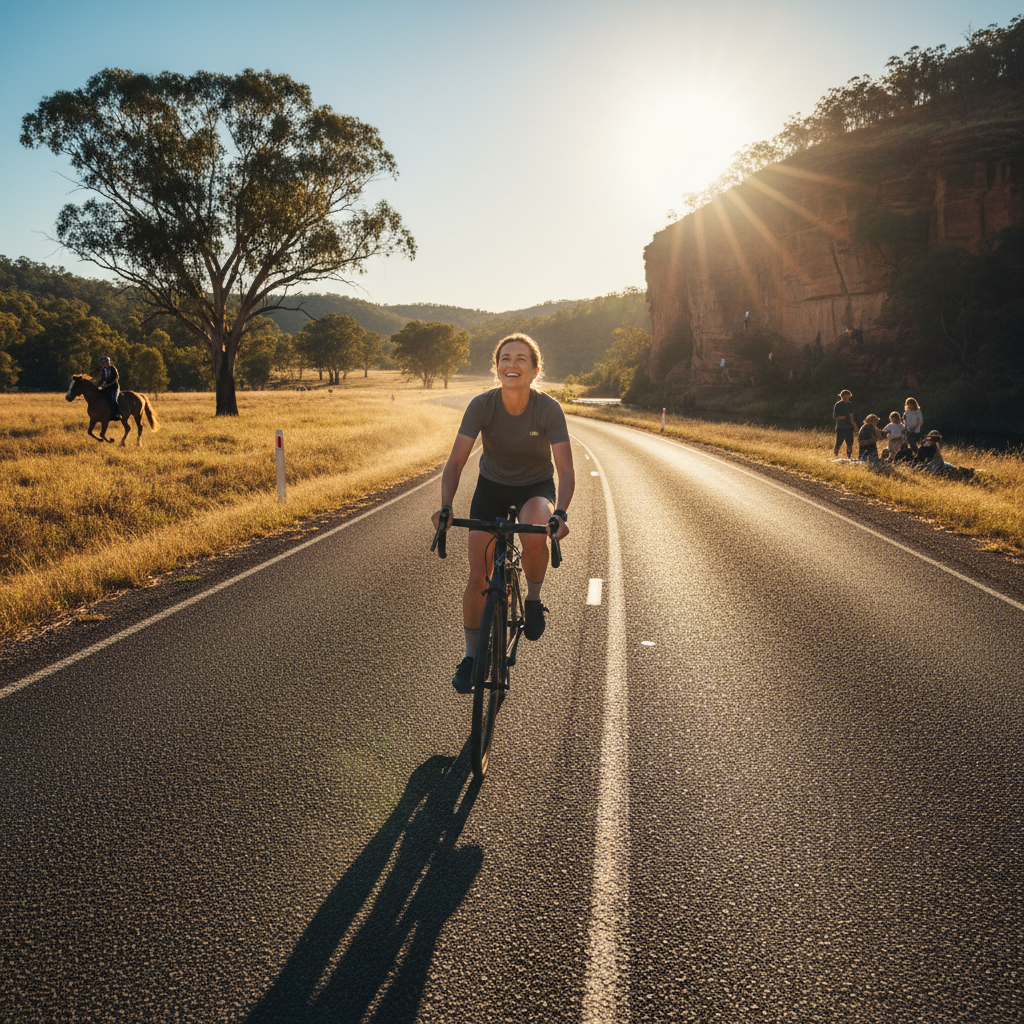
Beat the Burn: Sun Protection for Long Rides in Australia
Australia. We love it for its wide-open spaces, incredible landscapes, and year-round cycling opportunities. We also love it because the sun is potent. For cyclists, especially those tackling long rides, the risk of sunburn is a constant battle. It’s not just about discomfort; severe sunburn can lead to heatstroke and long-term skin damage. This isn't about being precious; it's about being practical and safe. Let's cut the fluff and get down to actionable strategies for keeping your skin protected from the harsh Australian sun, no matter how many kilometres you're clocking up.
The Problem: Australia's Sun and Cyclists
We all know the UV index can soar here. On a clear day, especially between 10 am and 3 pm, it's dangerously high. When you're on the bike, you're exposed. Your helmet might protect your head, but your face, neck, ears, and any exposed skin are prime targets. Unlike a casual stroll, on long rides, this exposure is prolonged. Hours upon hours in direct sunlight – a recipe for a painful, and potentially dangerous, burn.
Many cyclists have excuses. "I don't burn easily." "I just ride early." "I've got a tan." While individual skin types vary, and early morning rides are smart, relying solely on these isn't enough for those long haul days. Tanned skin is damaged skin. And the Australian sun doesn't discriminate. It's about consistent, comprehensive protection. This guide is for anyone who wants to ride longer, more often, and without the consequence of peeling skin afterwards.
Essential Sun Protection Strategies
Prevention is key. Trying to cool down after you're already cooking is a losing game. Here’s what you need to focus on before and during your ride.
1. Sunscreen: Your First Line of Defence
This is non-negotiable. And not just any sunscreen. You need a broad-spectrum, high SPF (SPF 30+, preferably 50+) sunscreen designed for active use. Look for water-resistant formulas that won't sweat off too quickly.
Application is Crucial: Don't be stingy. Apply it liberally to all exposed skin at least 15-20 minutes before you head out. This allows it to properly bind to your skin.
Don't Forget the Obvious Spots: Ears, the back of your neck, the tops of your feet (if wearing open shoes), and the backs of your hands.
Reapplication: This is where many fail on long rides. Sweat and friction will wear sunscreen down. You need to reapply every couple of hours, especially if you're sweating heavily or have been in the water.
2. Apparel: More Than Just Lycra
Your clothing plays a significant role.
UPF Rated Clothing: Some cycling jerseys and bib shorts have a UPF (Ultraviolet Protection Factor) rating. This indicates how much UV radiation can penetrate the fabric. Higher UPF is better.
Long Sleeves: Even a lightweight, breathable long-sleeved jersey can make a massive difference. Modern sports fabrics are designed to wick sweat and keep you cool while blocking UV rays.
Leg Cover: Similar to sleeves, longer bib shorts or cycling tights can protect your thighs and calves, areas often missed by sunscreen application.
Socks and Gloves: Protect your ankles and hands. Look for lightweight, breathable options.
3. Headwear: Beyond the Helmet Shell
Your helmet is vital for safety, but its inherent design often leaves your face, ears, and neck exposed. This is where innovative solutions come in.
Helmet Brims: A dedicated helmet brim attachment, like those designed to fit securely onto your existing cycling helmet, can provide crucial shade for your face and neck. They’re lightweight, adjustable, and significantly reduce the amount of direct sun hitting your most vulnerable areas. These are particularly useful for long rides where consistent shade is harder to maintain.
Under-Helmet Caps: Lightweight, moisture-wicking caps worn under your helmet can add an extra layer of sun protection for your scalp and forehead, and help manage sweat.
You can find a range of products to enhance your helmet's sun protection in our Products section.
4. Hydration and Nutrition: Indirect Sun Protection
While not directly blocking UV rays, staying well-hydrated and nourished helps your body cope with heat and sun exposure better. Dehydration can exacerbate the effects of sun exposure, making you feel unwell faster.
Carry Plenty of Water: Plan your water stops or carry enough bidons for the duration of your ride. Electrolyte drinks are also beneficial on long, hot rides.
Snack Wisely: Fuel your body to maintain energy levels and help manage heat.
Dealing with Objections and Common Pitfalls
Let's address some reasons why people skip sun protection and why they're often flawed.
"It's too hot to wear more clothing." Modern cycling apparel is engineered for heat. Lightweight, breathable, UPF-rated fabrics are designed to keep you cool. Think of it as a protective shield that allows ventilation. A burning body can't cool itself effectively anyway.
"I always forget to reapply sunscreen." This is a habit that needs to be built. Integrate it into your ride plan. If you're stopping for a water break, make it a sunscreen reapplication break too. For long rides, consider carrying a small tube or spray in your jersey pocket. You might be surprised how often you could have reapplied.
"I don't need it on cloudy days." UV rays penetrate clouds. On overcast days, the UV index can still be quite high. Don't let a cloudy start lull you into a false sense of security.
"My helmet is enough." As discussed, most standard cycling helmets leave significant areas of your face and neck exposed. Adding a brim or ensuring full coverage is essential.
Your Sun Protection Checklist for Long Rides
Keep this handy. Tick it off before every significant ride.
[ ] Broad-spectrum SPF 30+ (preferably 50+) sunscreen applied 15-20 minutes before ride.
[ ] Sunscreen covers face (including ears and neck), back of hands, and any other exposed skin.
[ ] Lightweight, long-sleeved cycling jersey (UPF rated if possible).
[ ] Long leg covering (bib shorts or tights, UPF rated if possible).
[ ] Sunglasses (UV protective).
[ ] Helmet with adequate sun brim attachment or other face/neck shield.
[ ] Moisture-wicking socks and gloves.
[ ] Sufficient water and electrolytes.
[ ] Small tube/spray of sunscreen for reapplication (for rides over 2-3 hours).
Step-by-Step Sun Protection: Before, During, and After
Let's break down how to integrate this seamlessly into your riding routine.
Pre-Ride Preparation (The Night Before & Morning Of)
1. Check the Forecast: Not just for weather, but for the UV index. This informs your strategy.
2. Gather Gear: Lay out your UPF rated clothing, sunglasses, helmet, and any accessories. Ensure your helmet is clean and ready. If you're new to helmet brims, check out our How to Install guide.
3. Hydration Stockpile: Fill bidons and place them in the fridge.
4. Sunscreen Application (Crucial): 15-20 minutes before leaving. Apply generously to all exposed areas. Remember your ears and the back of your neck. If you have sensitive skin or are prone to sunburn, consider a mineral-based sunscreen.
During the Ride
1. Constant Awareness: Remind yourself of the sun's intensity.
2. Shade When Possible: Utilize natural shade during any brief stops.
3. Reapplication Strategy: For rides over 2 hours, plan at least one sunscreen reapplication. Mid-ride snack stops are ideal. If you’re out for 4+ hours, aim for two reapplication sessions.
4. Drink Regularly: Sip water or electrolyte drinks consistently.
5. Check Covered Areas: Occasionally feel your skin through your clothing. If it feels hot or sensitive, it's time for extra vigilance.
Post-Ride Care
1. Cool Shower: Use lukewarm water to cool your skin down.
2. Moisturise: Apply a soothing, hydrating moisturiser. Aloe vera gel is excellent for burnt or irritated skin.
3. Assess: Check for any missed spots or early signs of redness. Address them immediately with after-sun care.
4. Hydrate: Continue drinking plenty of fluids.
When to Reconsider Your Ride Time
Sometimes, the smartest protection is avoiding the peak sun altogether. If the UV index is extreme (7+) and you're planning a very long ride, consider:
Early Morning Starts: Be on the road before 9 am.
Late Afternoon Finishes: Ride after 4 pm.
- Shorter, More Frequent Rides: If a long ride isn't feasible safely, break it up into smaller chunks.
Always consult our FAQ for more specific queries about our products and general sun safety.
Conclusion: Ride Smart, Ride Protected
Long rides in Australia are a privilege. Don't let skin damage be the price you pay for enjoying them. By integrating these practical, no-nonsense strategies – from diligent sunscreen use and UPF apparel to smart headwear like helmet brims – you can significantly reduce your risk of sunburn. It’s about habit, preparedness, and making the right choices for your health. Invest in your skin as much as you invest in your bike. Explore our Products to find the gear that will help you ride further, safer, and in complete comfort, under our beautiful, but sometimes brutal, Australian sun. For more tips and advice, check out our Blog.