
Beat the Burn: Sun Protection for Long Cycling Rides in Australia
Sunburn on long rides isn't just uncomfortable; it's damaging. Learn practical, no-nonsense strategies to keep your skin safe under the harsh Australian sun, even on your longest cycling adventures. From choosing the right gear to on-the-go reapplication, we've got you covered.
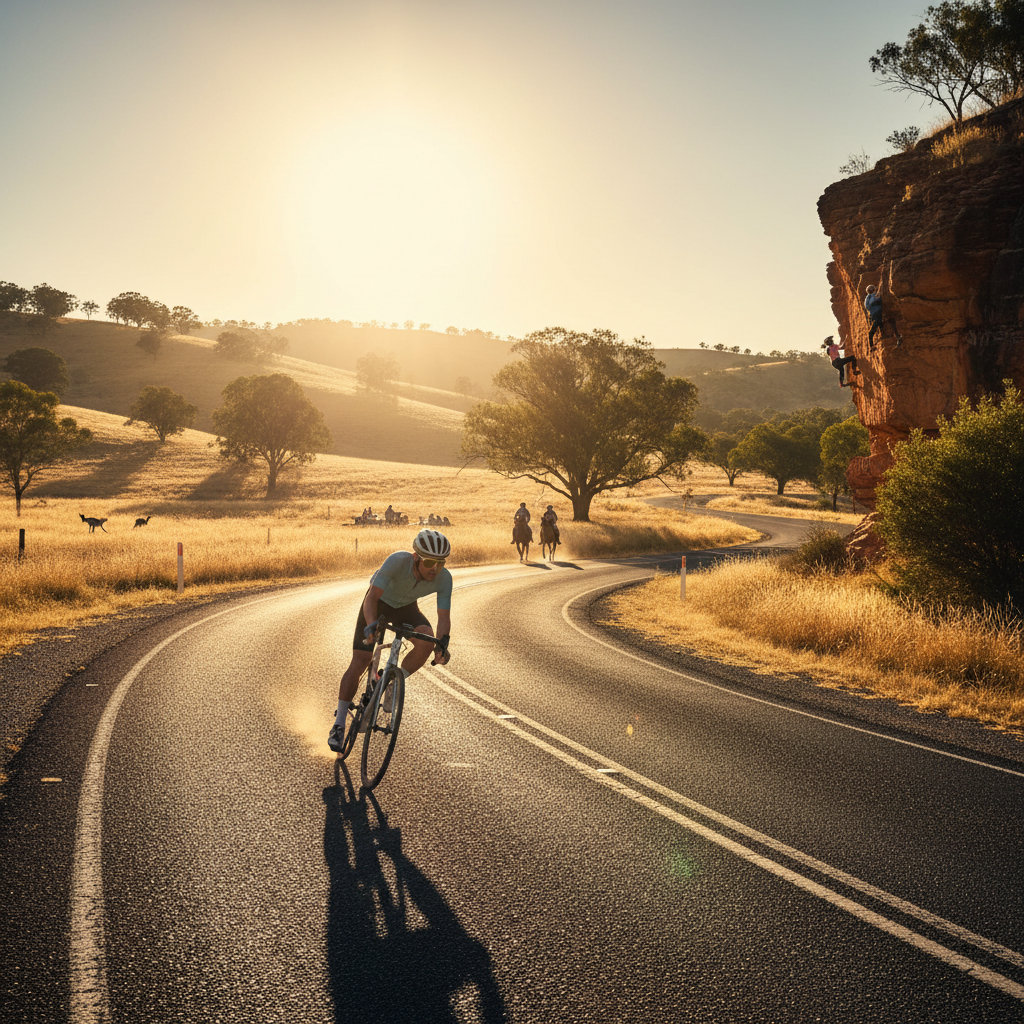
Beat the Burn: Sun Protection for Long Cycling Rides in Australia
Australia. We love our outdoors, and for many of us, that means getting out on the bike. But let's be honest, the Australian sun is no joke. Even on days that feel pleasant, the UV index can be soaring, especially during long cycling rides. We've all seen (or been) the rider who pulls up after a few hours looking like a boiled lobster – red, peeling, and miserable. Sunburn isn't just a temporary discomfort; it's a serious health risk that can lead to premature aging and skin cancer.
This isn't about scaremongering; it's about practicality. You're out there for the love of the ride, the challenge, the scenery. You don't want a painful sunburn to ruin your enjoyment or, worse, impact your long-term health. This guide is here to give you actionable, no-fluff advice on how to prevent sunburn on even your longest cycling adventures, tailored for Australian conditions.
The Reality of the Australian Sun for Cyclists
Forget what you think you know about sunny days. In Australia, the UV radiation can be intense, even when it's cloudy, cool, or when you're seemingly in the shade of a tree. The UV Index is your best friend here. When it's 3 or above, sun protection is recommended. During peak UV hours – typically 10 am to 3 pm, though this can shift depending on location and season – it can easily hit 10, 11, or even higher. If you're out for a long ride, chances are you'll be exposed during these critical hours.
As cyclists, we're often exposed on multiple fronts:
Direct overhead sun: Even with a helmet, your face, neck, and ears are prime targets.
Reflected sun: Light bouncing off roads, water, and even lighter clothing can increase your exposure.
Wind: While the wind might cool you down, it can also trick you into thinking the sun isn't that strong. It doesn't reduce UV intensity.
Beyond Just Slapping on Sunscreen: A Holistic Approach
Many riders think sunscreen is the only answer. While it's a vital piece of the puzzle, relying solely on it for long rides, especially in Australia's harsh climate, is a risky strategy. Sunscreen can wear off, sweat off, and be unevenly applied. A comprehensive approach involves multiple layers of protection.
Your Cycling Kit: The First Line of Defence
Your cycling gear plays a surprisingly significant role in sun protection. While you might not be wearing full coverage during a hot summer ride, consider these elements:
Helmet: This is non-negotiable for safety, and it's also your primary shield. But what kind of helmet? Standard road helmets can leave large areas of your face, neck, and ears exposed. This is where a good helmet brim becomes essential.
Clothing: Light-coloured, tightly woven fabrics offer better sun protection than dark, thin, or holey jerseys. Look for cycling-specific tops with UPF (Ultraviolet Protection Factor) ratings if you're serious about long-distance riding and maximum exposure. Long sleeves are ideal for extended periods or when the UV is extreme.
Leggings/Arm Sleeves: These can be a godsend. Even lightweight, breathable arm sleeves can make a huge difference to the skin on your arms, which is constantly exposed.
Sunglasses: Crucial for eye health and reducing glare, but they also offer some protection to the skin around your eyes. Wraparound styles are best.
The Humble Helmet Brim: A Game Changer for Face and Neck
This is where we often fall short. Standard helmets, by design, leave much of your face and neck vulnerable. You might think you're okay because the helmet is on your head, but radiation still hits you from the sides and front. This is particularly true in Australia, where the sun can be at a lower angle during morning and afternoon rides, casting long shadows that ironically make it harder for your helmet alone to protect.
A helmet brim, like a DA B.R.I.M., is designed to extend the shade provided by your helmet. It's not just about looking like you're in the Tour de France; it's about practical sun shield. It effectively pushes the sun's rays away from your face, ears, and the sides of your neck. When you're out for hours, this constant, consistent shade makes a massive difference.
Objection Handling: "I don't like the look of helmet brims."
Reality Check: Sunburn looks worse. Peeling skin and long-term skin damage are far less attractive than a cycling accessory designed for function. Modern helmet brims are designed to be aerodynamic and unobtrusive. They're a trade-off for significant sun protection.
*Objection Handling: "I already wear sunscreen, that's enough."
Reality Check: Sunscreen wears off, sweats off, and is often applied imperfectly. It needs constant reapplication, which is difficult and often forgotten on long rides. A brim provides passive protection that doesn't degrade over time.
Sunscreen Application: The Essential Layer
Even with a brim and protective clothing, sunscreen is still critical. Here's how to get it right for long rides:
Choose the Right SPF and Broad Spectrum: Aim for SPF 30 or higher, and ensure it's broad-spectrum (protects against both UVA and UVB rays). In Australia, higher is often better.
Apply Generously and Early: Don't wait until you're at the trailhead. Apply sunscreen at least 15-20 minutes before you head out. This allows it to bind to your skin. Apply it everywhere your clothing and helmet brim don't fully cover: face, ears, neck (front and back), nose, lips, and any exposed skin on your arms or legs.
Don't Forget the Ears and Neck: These are easily missed spots that get a direct hit. Pay special attention to the back of your neck and the tops of your ears.
Lip Balm with SPF: Your lips can burn too. Use a lip balm with SPF 30+.
Strategies for Long Rides: Staying Protected Mile After Mile
Long rides require a proactive approach. It's not a one-and-done situation.
Pre-Ride Preparations
1. Check the UV Index: Know what you're up against. Use a reliable weather app or website.
2. Plan Your Route: If possible, incorporate shaded sections or plan to ride during lower UV hours. This might mean an early start or a late finish.
3. Gear Up: Ensure your helmet fits properly. If it's designed for a brim, attach it. Opt for UPF-rated clothing or light, tightly woven fabrics.
4. Sunscreen and Lip Balm: Apply a thorough, even coat well before you leave.
During the Ride: The Reapplication Challenge
This is where most people falter. You're focused on the ride, the effort, and staying hydrated. Reapplying sunscreen can feel like a hassle.
The Simple Solution: A Helmet-Mounted Brim
A good helmet brim, like the ones you can find in our Products section, acts as a constant shield. It reduces the amount of direct sun hitting your face and neck, meaning less reliance on sunscreen and less chance of missed spots. It's passive protection – it's working for you as long as your helmet is on.
Reapplication Tactics (When and How):
Scheduled Stops: If you plan a break for fluids or a snack, this is your prime reapplication window. Unpack a small tube of sunscreen and reapply to your face, ears, and neck. A quick wipe with a bandana can remove sweat before reapplying.
Carry a Small Tube: Keep a travel-sized sunscreen in your jersey pocket or saddlebag.
Consider Sunscreen Sticks: These are often easier to apply on the go without getting your hands too greasy.
Be Consistent: If you're out for 4+ hours, plan to reapply at least once, ideally twice.
What About Other Protection?
The table below summarises key protection methods.
| Protection Method | When to Use | Key Benefit | Notes |
|---|---|---|---|
| Helmet Brim | Always on long rides in sunlight | Constant, passive shade for face, ears, neck | Essential for reducing reliance on sunscreen. See How to Install. |
| Broad-Spectrum SPF 30+ Sunscreen | Before ride and reapply every 2-3 hours | Blocks UV radiation | Needs reapplication, can be sweaty. |
| Protective Clothing (UPF rated or tightly woven) | Always on long rides in sunlight | Shields skin from UV penetration | Lightweight and breathable options available. |
| Sunglasses (Wrap-around) | Always on long rides in sunlight | Protects eyes and surrounding skin from glare and UV | Prevents glare that can cause eye strain. |
| Lip Balm with SPF 30+ | Before ride and reapply | Prevents sunburnt lips | Easily overlooked, but lips are sensitive. |
Your Sun Protection Checklist for Long Rides
Print this out, stick it on your fridge, and tick it off before you head out.
[ ] UV Index Check: Was it 3 or higher? (Assume yes in Australia during peak hours).
[ ] Helmet: Properly fitted and secure.
[ ] Helmet Brim: Attached and providing shade. (Check out our Products).
[ ] Sunscreen Applied: Generously to face, ears, neck, nose, lips, and any exposed skin 20 mins before departure.
[ ] Lip Balm Applied: SPF 30+ is on.
[ ] Clothing: Light-coloured, tightly woven, or UPF rated. Long sleeves/legs if possible.
[ ] Sunglasses: Worn and providing coverage.
[ ] Reapplication Plan: Have sunscreen accessible for mid-ride top-ups or scheduled stops.
Step-by-Step: Preparing for Your Toughest Ride
Let's break down the process for a significant ride, like a century or a long training day. Think of this as your pre-flight checklist.
*1. The Night Before/Early Morning:
Sunscreen Audit: Do you have enough? Is it within its expiry date? Is it suitable for long-wear and sweat?
Riding Gear Check: Is your kit clean and ready? Does your helmet feel good? If you use a helmet brim, ensure it's securely attached. For help with attachment, refer to our How to Install guide.
Hydration Prep: Ensure you have enough water bottles or a hydration pack ready. Dehydration can make you feel worse when suffering from sunburn.
*2. Pre-Ride (30 Minutes Before Leaving):
Sunscreen Application: Apply liberally to all exposed areas. Don't be shy. Cover your face, ears (front and back), neck (front and back), nose, and any other accessible skin. Gently massage it in. You want a good, even coating.
Lip Balm: Apply your SPF lip balm.
Gear On: Helmet, sunglasses, clothing, arm/leg sleeves.
Final Check: Look in a mirror. Did you miss any spots? Is your brim positioned correctly?
3. During the Ride (Every 2-3 Hours or Scheduled Stop):
Find Shade: If possible, pull over in a shaded area for your break.
Cleanse Gently: If your skin is very sweaty, gently dab away excess sweat with a clean cloth or bandana. This helps the fresh sunscreen adhere better.
Reapply Sunscreen: Apply a fresh layer to your face, ears, and neck. Don't forget the lips.
Hydrate: Drink plenty of water.
Assess: How's your skin feeling? Any hot spots? If so, apply more sunscreen.
*4. Post-Ride:
Cleanse: Wash off any remaining sunscreen, sweat, and grime.
Moisturise: Use a good moisturiser, perhaps one with aloe vera if you suspect any overexposure.
Hydrate: Continue drinking fluids.
Common Questions and Objections Addressed
"It's not that hot, so the UV must be low, right?"
Wrong. UV radiation intensity is determined by factors like the height of the sun in the sky, cloud cover, and elevation, not just temperature. In Australia, even on a cool, clear day, UV can be dangerously high during peak hours. Always check the UV index.
"I have darker skin, so I don't burn easily."
While darker skin has more natural protection, it is not immune to sun damage. Long-term exposure can still lead to premature aging and skin cancer, even if you don't visibly burn. Taking precautions is still essential for your health.
"I just wear a cap under my helmet."
A cap offers minimal sun protection for your face and neck. The brim is usually too small, and the fabric often doesn't cover much. Plus, it can interfere with helmet fit and ventilation. A dedicated helmet brim is often a far more effective solution.
"Will a brim make my helmet hotter?"
If anything, a good helmet brim can help deflect direct sunlight that would otherwise hit your helmet's shell directly, potentially keeping it slightly cooler. Proper helmet ventilation is key, and a brim is unlikely to significantly impede this. You can learn more about our products and their innovative designs on our Products page.
Conclusion: Ride Smart, Ride Safe
Long cycling rides are a fantastic way to experience Australia's beauty. Don't let a painful, damaging sunburn cut your adventures short or compromise your long-term health. By adopting a layered approach – a good helmet with a brim, protective clothing, appropriate sunscreen, and a consistent reapplication strategy – you can enjoy your rides with confidence. Our range of helmet accessories is designed to complement your existing gear, making sun protection easier and more effective. For more tips or to explore our solutions, visit our FAQ or check out the Blog for more articles.
Stay protected, stay healthy, and keep those wheels turning.