
Beat the Burn: Sun Protection for Long Australian Rides
Don't let the harsh Australian sun cut your long rides short. Learn practical, no-nonsense ways to prevent sunburn, protect your skin, and enjoy the open road.
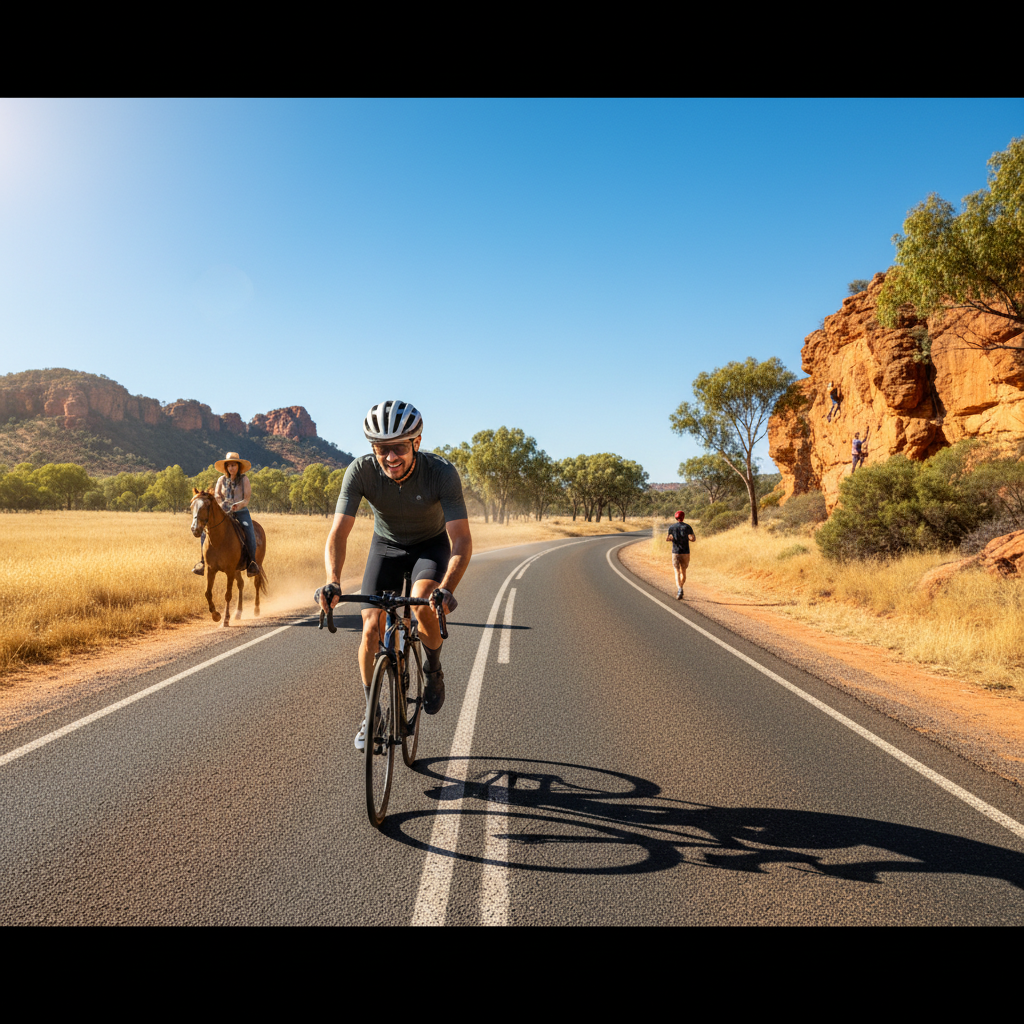
Beat the Burn: Sun Protection for Long Australian Rides
The Australian sun is a beauty, but it's also seriously unforgiving. Long cycling rides, especially here in the land Down Under, mean prolonged exposure to high UV radiation. It’s not just about a red face after a week; it's about serious skin damage. We're talking premature aging, and worse, skin cancer. This isn't scaremongering; it's reality. You need a solid plan to keep your skin protected, all the way to the finish line.
The Unseen Enemy: UV Radiation in Australia
Australia consistently has one of the highest UV radiation levels in the world. Even on cloudy days, UV rays can penetrate. Peak UV hours are typically between 10 am and 3 pm, but depending on your location and the season, this window can be wider. Long rides often fall smack bang in these dangerous hours. Your helmet covers your head, but what about your face, neck, and ears? They're prime real estate for sunburn.
Many riders think their cycling cap offers enough protection. It helps, sure, but it’s often not enough for extended exposure. And a regular helmet alone leaves large areas vulnerable. Trying to slather on sunscreen every hour is a hassle, and it often rubs off with sweat. We need a more robust, practical solution.
Objection Handling: "I Just Ride Short Distances" or "I Don't Burn Easily"
No matter what type of cyclist you are, long rides are inevitable eventually, whether it's a charity event, a weekend adventure, or just pushing your limits. And 'not burning easily' is a dangerous myth. Your skin type might mean you don't peel dramatically, but cumulative sun damage is still happening. It accumulates over years. What feels like a minor tan today could be a significant step towards skin cancer down the track. Treat every ride as an opportunity to protect yourself, not a test of your skin's resilience.
Your Rider's Sun Protection Checklist
This isn't about fancy gadgets; it's about smart, simple steps that work. Integrate these into your routine.
Helmet Brim is Non-Negotiable: This is your first and best line of defence for your face and the front of your neck. A dedicated helmet brim attachment offers far superior shade and protection than a traditional cycling cap. Look for options designed for extended wear, providing ample shade without obstructing your vision.
Sunscreen: The Right Kind, Applied Correctly: Don't skimp here. Use a broad-spectrum SPF 50+ sunscreen. Apply it 15-20 minutes before you head out to allow it to bind to your skin. Don't forget ears, the back of your neck, and any other exposed areas. Reapply if you're on a ride exceeding 2-3 hours, especially if sweating heavily.
Sunglasses: Essential for Eye Health: Beyond just comfort, sunglasses protect your eyes from UV damage. Look for ones that wrap around to prevent sun and glare from creeping in from the sides. They also shield the delicate skin around your eyes.
Lightweight, Long-Sleeved Jersey: Your jersey should be more than just a fashion statement. Opt for UPF (Ultraviolet Protection Factor) rated fabrics. Light colours reflect heat better, and long sleeves are crucial for protecting your arms. Many modern cycling jerseys are designed with breathable, sun-protective materials.
Neck Gaiter or Buff: A simple piece of fabric can save your neck and lower face. A lightweight, moisture-wicking neck gaiter provides a barrier against the sun and can be pulled up over your nose and mouth on particularly harsh days.
Hydration: While not direct sun protection, staying hydrated helps your body cope with the heat stress that often accompanies sunny rides, making the experience more bearable and less draining.
Ride Timing: If possible, plan your longest rides to avoid the peak UV hours (10 am - 3 pm). An early morning start or a late afternoon finish can significantly reduce your total UV exposure.
The Power of the Brim: Extending Your Shade
Let's talk about the most effective piece of kit for face and neck protection: a helmet brim. Standard cycling helmets often come with small, almost decorative brims, or none at all. This is where a dedicated attachment comes in. This is not just an add-on; it's a critical upgrade for anyone spending significant time in the saddle under the Australian sun.
We've designed our Products specifically for this purpose. They attach securely to your existing helmet, providing extended shade that dramatically reduces the amount of direct UV light hitting your face, neck, and ears. Think of it as a wearable canopy. It's practical, it's effective, and it's easy to use. No more squinting into the sun, no more chasing shade. You get a consistent shadow.
How to Install Your DA BRIM Helmet Brim:
We know you want to get riding, not fiddle with complicated gear. That's why our brims are designed for simplicity. For detailed instructions, please refer to our How to Install guide, but in essence:
1. Check Helmet Compatibility: Most standard cycling helmets with ventilation holes are compatible. Our FAQ page has more details.
2. Align the Brim: Position the brim over your helmet, ensuring it aligns with the front edge.
3. Secure the Attachment Points: Use the provided straps or clips to securely fasten the brim to your helmet's vents. It should feel snug and stable, not wobbly.
4. Test and Adjust: Gently pull on the brim to ensure it's firmly attached. Make sure it doesn't obstruct your vision or interfere with your helmet's fit.
It takes less than a minute to install, and the benefits for sun protection are enormous. It’s a simple step that makes a huge difference to your comfort and safety on long rides.
The Sunscreen Struggle: When and How Much?
Sunscreen is a vital part of your sun protection strategy, but it has limitations, especially on long, sweaty rides. The most common mistake is not applying enough, or not reapplying. Here’s the breakdown:
SPF 50+ Broad Spectrum: This is non-negotiable for Australian conditions. Broad spectrum means it protects against both UVA (aging) and UVB (burning) rays.
Timing is Everything: Apply sunscreen at least 15-20 minutes before you go outside to allow it to dry and bond with your skin. Reapplying a slick, sweaty layer is far less effective than starting with a good base.
Generosity is Key: Don't be stingy. Most people don't apply enough. You need about a shot glass worth for your entire body, and a decent dollop for your face and neck alone.
Don't Forget the Extremes: Ears are often missed and are highly susceptible to sunburn and skin cancer. The back of your neck, hairline, and even the tops of your feet (if wearing open sandals) need coverage.
Sweat and Reapplication: On rides over 2-3 hours, or if you're sweating profusely, reapplication is crucial. Carry a small tube or spray and apply it to exposed areas when you stop for breaks. Be aware that it's harder to get full coverage on damp, sweaty skin.
Table: Sunscreen Effectiveness Over Time
| SPF Rating | Expected Protection | Time to Reapply (Approx.) |
|---|---|---|
| SPF 30 | 97% | Every 2 hours (or sooner if sweating/swimming) |
| SPF 50+ | 98% | Every 2-3 hours (or sooner if sweating/swimming) |
Note: These are averages. Sweat, water, and friction (like rubbing against clothing) will reduce effectiveness and necessitate more frequent application.
Beyond the Basics: Advanced Tactics for Long Haul Rides
For those epic days in the saddle, or if you have very fair skin, you need to layer your protection. Combining multiple methods is the most effective approach.
UPF Clothing: A high-quality cycling jersey with a UPF rating offers consistent, reliable protection for your torso and arms that sunscreen can't match. It doesn't wear off or need reapplication.
Mouthguards and Balaclavas (Summer Weight): Some riders opt for lightweight, breathable balaclavas or neck gaiters that extend up to cover the lower face and neck. This offers a significant barrier, especially against reflected UV from roads.
- Strategic Stops: Plan your breaks not just for hydration and food, but also for sunscreen reapplication. Find shaded spots if possible, and take a few minutes to properly reapply.
The Long-Term View: Your Skin Health Matters
Think of sun protection as an investment in your future self. The odd sunburn might seem like a minor inconvenience, but the cumulative damage is serious. Skin cancer is a real threat, and for cyclists who spend so much time outdoors, it’s a risk that needs to be managed proactively.
We encourage you to explore our range of Products and see how a quality helmet brim can revolutionise your sun safety. It’s a practical, effective solution that doesn't add to the hassle. For more information, check out our FAQ or browse our Blog for more tips and insights.
Don't let the sun dictate your riding limits. Ride smart, ride protected, and enjoy those long Australian days on the bike.