
Beat the Burn: Sun Protection for Long Australian Cycling Rides
Don't let the Australian sun cut your cycling adventure short. Learn practical strategies to prevent sunburn on long rides, even in harsh conditions. We cover the essentials for helmet wearers.
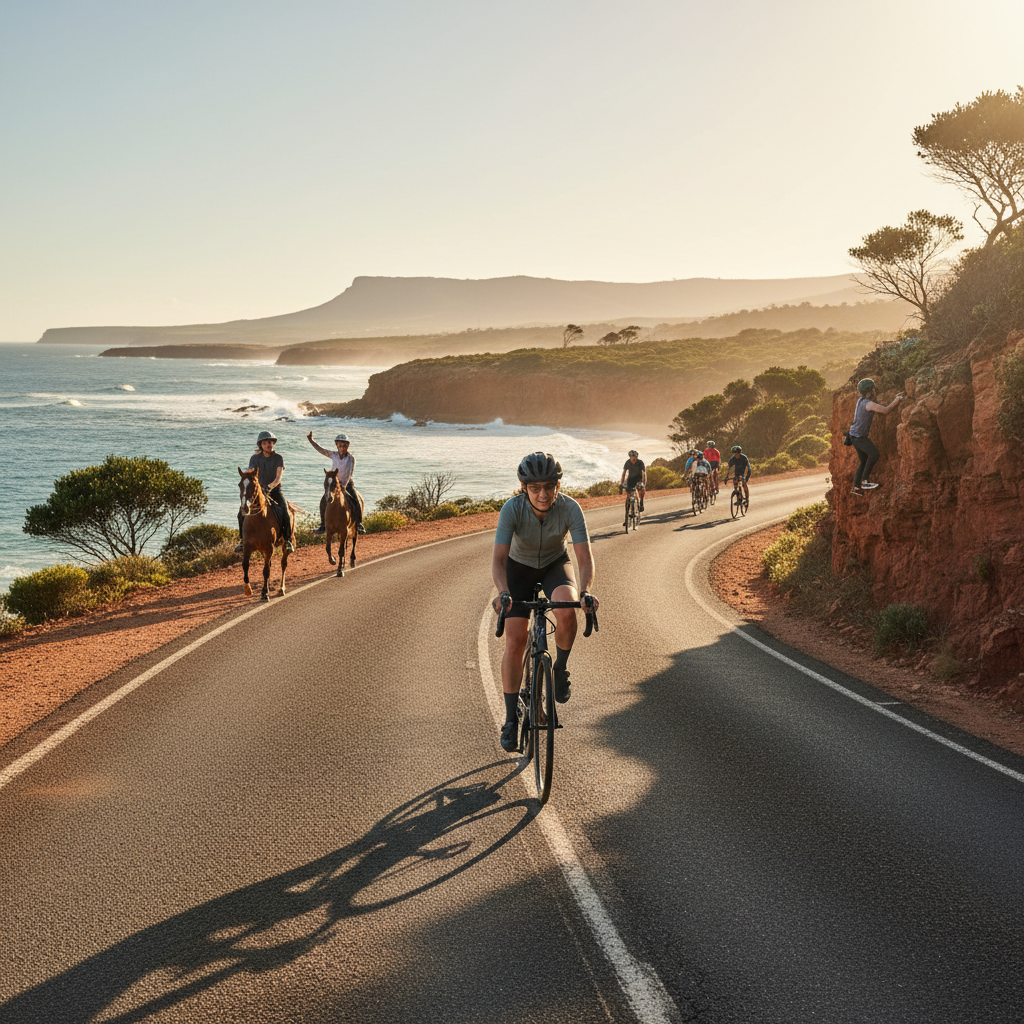
Beat the Burn: Sun Protection for Long Australian Cycling Rides
Australia. Beautiful country. Amazing cycling. Brutal sun. You know the drill. A quick spin around the block is one thing, but a long day in the saddle under that relentless Aussie UV can turn your epic ride into a painful, peeling memory. This isn't about scaremongering; it's about practical, no-nonsense advice for cyclists who want to enjoy their rides and their skin.
We’re talking about prolonged exposure. Hours. Day in, day out. The kind of riding where you’re deep into your second water bottle and the sun feels like it’s actively trying to cook you. Your helmet, while crucial for safety, often leaves key areas exposed. Let's get into how you can protect yourself.
The Enemy: The Australian Sun (And Why It's Different)
Forget mild European summers. Australian UV levels are serious business. Even on a cloudy day, UV rays can penetrate. We’ve got a high ozone hole concentration and clear skies more often than not. When the UV Index hits 3 or higher, protection is recommended. For most of Australia, especially during peak hours (10 am to 3 pm), you’re often looking at UV 7, 8, 9, or even higher. This isn't a recommendation; it's a warning.
Long rides mean extended exposure. That little bit of redness you get from a short ride can escalate into a painful, potentially damaging sunburn if you’re out for hours. We're talking about the back of your neck, your ears, your scalp (even through helmet vents), your forearms, your shins. These are the usual suspects.
Your Arsenal: Beyond Just Lathering Up
Sunscreen is the foundation, but it's not the whole story, especially for dedicated cyclists. Relying solely on sunscreen can be a losing battle on a long, sweaty ride. Reapplication can be a pain, and it’s easy to miss spots. Here’s a breakdown of what you need.
1. Protective Coverage: The Unsung Heroes
Helmet Brims: This is where practical innovation comes in. Standard cycling helmets often have minimal brims, designed more for aerodynamics than sun blocking. This leaves your face and nose vulnerable. Extended brims or aftermarket solutions designed to offer more shade are crucial. Think about what covers the most exposed areas. Some solutions attach directly to your helmet, offering significant shade without compromising ventilation too much. We've got options for Products that are designed specifically for this.
Arm and Leg Coverings: Yep, we're talking about good old-fashioned long-sleeved jerseys and tights. Modern cycling gear is often made from lightweight, breathable, UPF-rated fabric. This acts as a physical barrier. Don’t dismiss them because it’s hot; they can actually help manage heat better than bare skin that’s getting scorched.
Gloves: Your hands are constantly exposed, especially when you’re not wearing long sleeves. Good cycling gloves offer protection and grip.
Neck Gaiter/Buff: A lightweight, moisture-wicking neck gaiter can be a lifesaver. Pull it up to cover the back of your neck and ears, especially during the hottest parts of the day or when you’re stopped. You can even dampen it for extra cooling.
2. Sunscreen: The Essential Layer
High SPF: Use a broad-spectrum sunscreen with an SPF of 30 or, ideally, 50+. "Broad-spectrum" means it protects against both UVA (ageing) and UVB (burning) rays.
Water-Resistant: Crucial for sweaty rides. Look for "water-resistant" (effective for 40 minutes in water) or "very water-resistant" (80 minutes). Reapplication is still necessary, but it buys you more time.
Application is Key: Apply generously 15-20 minutes before you head out. Don't skimp. Rub it in thoroughly. Pay attention to ears, back of the neck, hairline, and any exposed skin not covered by clothing or your helmet brim.
3. Hydration and Timing: Working Smarter, Not Harder
Strategic Riding Times: If possible, plan your longest rides for earlier in the morning or later in the afternoon. Avoid the peak UV hours between 10 am and 3 pm if you can. This is the most effective strategy, but not always practical on a planned epic.
Stay Hydrated: Dehydration can make you feel worse and potentially more susceptible to the effects of sun exposure. Drink plenty of water before, during, and after your ride.
Addressing Your Objections
Objection 1: "It's too hot for long sleeves and leg warmers!"
Reality: Modern cycling fabrics are designed for performance. They are often lightweight, moisture-wicking, and breathable. UPF-rated fabrics provide a direct barrier against UV rays, preventing burnt skin that will feel far hotter than wearing appropriate clothing. Think of it as wearing a lightweight, second skin that deflects heat and UV.
Objection 2: "I'll just reapply sunscreen. It’s easier."
Reality: On a long ride, especially with sweat and wind, sunscreen wears off. Reapplying mid-ride can be messy and inconvenient. You might need to stop, take off your helmet, find a clean spot, and wait for it to dry. This disrupts your rhythm. Plus, it's surprisingly easy to miss spots repeatedly. Protective clothing and a good helmet brim are more reliable primary defenses.
Objection 3: "My helmet is enough."
Reality: Standard cycling helmets are designed for impact protection, not comprehensive sun coverage. The brim is usually tiny, leaving your neck, ears, and face exposed. You need to supplement your helmet's protection.
Objection 4: "I'm not going to wear a cap under my helmet."
Reality: While some people do this, it can be too hot and the cap can shift. We're talking about integrated solutions or carefully chosen accessories that work with your helmet, not against it.
Your Pre-Ride Sun Protection Checklist
Before you even think about clipping in for a long day out on the bike, run through this:
[ ] Helmet Check: Does it have adequate coverage? Do you need to add protection?
A good helmet brim is essential. Check out our Products for solutions.
[ ] Sunscreen Application: Applied 15-20 minutes before leaving. SPF 50+, broad-spectrum, water-resistant. Don't forget ears and neck.
[ ] Clothing Choice: Lightweight, breathable, long-sleeved jersey and/or tights? UPF rated?
[ ] Headwear: Neck gaiter/buff ready to deploy?
[ ] Eyewear: Sunglasses, even if it seems overcast, can protect your eyes and the skin around them.
[ ] Hydration: Bottles filled and ready to go.
Practical Steps for Sun Protection on the Move
When you're hours into your ride, the sun is beating down, and you’re just trying to keep going, what can you actually do*?
1. Deploy Neck Protection: Pull up your neck gaiter or buff. If you're feeling brave and it's suitable, dampen it slightly for cooling relief.
2. Use Your Helmet Brim: Position yourself so the brim offers maximum shade to your face and nose, especially when the sun is directly ahead or to the side.
3. Seek Shade During Breaks: If you stop for water or a snack, find a shaded spot. Even a few minutes out of direct sun can make a difference.
4. Assess Skin: If you stop and have a quick glance in a mirror or reflective surface, check for any areas that are starting to look red. If you have spare sunscreen or a friend who does, a quick top-up might be in order for those critical spots.
5. Stay Hydrated: Keep sipping water. It sounds basic, but it's vital for overall well-being and helps your body cope with the heat and sun.
Don't Let the Sun Win
Sunburn isn't a badge of honour on a cycling trip; it's a sign you weren't adequately prepared. It’s painful, increases your risk of skin cancer, and can ruin the rest of your ride or holiday. With the right gear and a proactive approach, you can enjoy those epic Australian rides without the painful aftermath.
Invest in a good helmet brim system (Products), wear appropriate UPF-rated clothing, apply sunscreen diligently, and be smart about your timing and breaks. For more on helmet accessories and care, check out our How to Install guide and our FAQ.
Happy (and sun-safe) riding!
Feeling inspired? Read more cycling tips on our Blog.