
Beat the Burn: Sun Protection for Long Australian Cycling Rides
Don't let sunburn cut your long Australian cycling rides short. Learn practical, no-nonsense strategies to keep your skin safe, from helmet choice to on-the-go reapplication. Protect your skin, enjoy the ride.
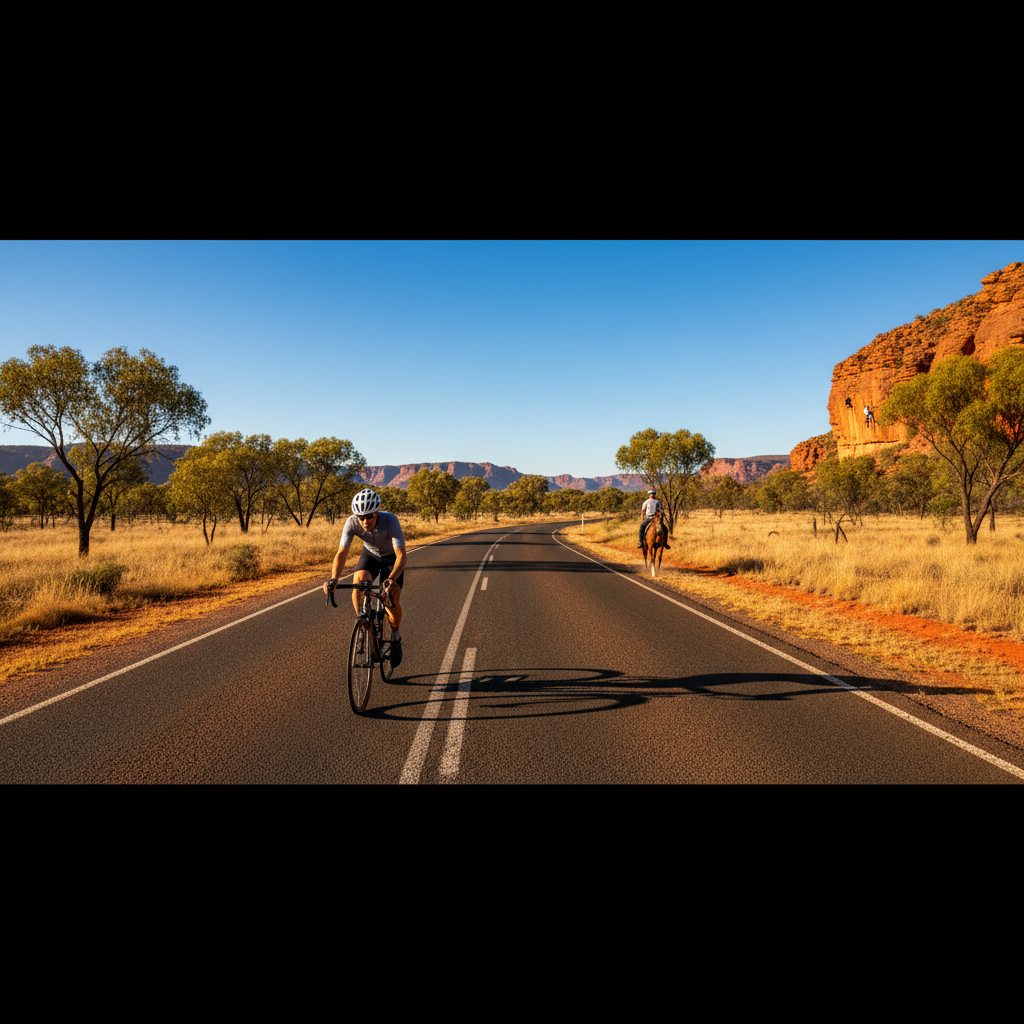
Beat the Burn: Sun Protection for Long Australian Cycling Rides
Australia. We love our sun. And we love getting outdoors, hitting the bike and clocking up the kilometres. But our glorious sunshine comes with a sting – UV radiation. Especially on those epic, long cycling rides that take you out into the open, away from precious shade.
Sunburn isn't just uncomfortable; it's damaging. Repeated exposure leads to premature ageing and, more seriously, increases your risk of skin cancer. For cyclists tackling long distances, especially during the peak Australian sun months, neglecting sun protection is a rookie mistake. This guide cuts through the fluff and gives you practical, actionable advice to keep your skin safe, no matter how long you're in the saddle.
The Helmet: Your First Line of Defence (But Not the Only One)
Chances are, you're already wearing a helmet. Good. That's non-negotiable for safety. However, standard cycling helmets often leave significant portions of your head, neck, and face exposed to the sun. Think about the back of your neck, your ears, and even the sides of your face where the helmet might not provide full coverage. These areas are prime targets for sunburn, especially when you're looking up at the road or looking down at your GPS.
Objections Handled: Why Goggles or Sunglasses Aren't Enough
"I wear sunglasses, that protects my eyes and sides of my face." Sunglasses are crucial for UV protection for your eyes and help with glare. However, they don't protect your ears, your temples, or the back of your neck. Even wraparound styles have limits.
"My helmet has a visor." Some helmets do – usually mountain bike helmets. These offer some shade, but they are often too small to provide comprehensive protection for long road rides. They also tend to be less aerodynamic and can create drag. For road cycling, they're often impractical.
The Reality of Australian UV
In Australia, we experience some of the highest UV levels in the world. The UV index can reach extreme levels (7+) in many parts of the country, particularly during spring and summer. Even on cloudy days, up to 80% of UV rays can penetrate the clouds. Long rides, especially those from mid-morning to late afternoon, invariably put you in the firing line.
Beyond the Helmet: A Multi-Layered Approach
Sun protection for long rides isn't just about the helmet. It requires a strategy. Think of it as layering your defence.
1. Sunscreen: The Essential Foundation
This is your absolute baseline. Don't leave home without it. For long rides, reapplying is crucial.
What to look for:
Broad Spectrum: Protects against both UVA and UVB rays.
SPF 30 or higher: Aim for SPF 50+ if you have fair skin or are particularly sensitive.
Water-resistant: You'll sweat. You need a sunscreen that won't wash off quickly.
Reef-safe (optional for cyclists but good practice): If you're cycling near coastal areas, consider this.
Application is key:
Apply generously and evenly: Don't skimp. Most people don't apply enough.
Timing: Apply at least 15-20 minutes before you head out. This allows it to bind to your skin properly.
Don't forget the "forgotten" spots: Ears (front and back), the back of your neck, hairline, back of your hands, and tops of your feet (if your socks have gaps). These are common burn sites for cyclists.
2. Protective Clothing: Covering Up
Long sleeves and legwear aren't just for cool weather. They can be your best friends in the sun.
Lightweight, breathable fabrics: Modern cycling kit is designed for this. Look for moisture-wicking materials that are also UPF (Ultraviolet Protection Factor) rated. UPF indicates how well fabric protects your skin from UV radiation.
Full-length tights/bibs: Protect the back of your legs, which get significant sun exposure on a bike.
Long-sleeved jerseys: Cover your arms and shoulders. Many feature mesh panels for ventilation.
3. Head and Neck Coverage: Closing the Gaps
This is where you can significantly boost your helmet's protection.
Buffs or Neck Gaiters: Wear one pulled up over your neck and lower jaw. Many are made from lightweight, UPF-rated material. Choose lighter colours to reflect heat.
Cycling Caps: The traditional cycling cap with a brim can offer a little extra shade for your forehead and eyes. It also helps wick sweat away from your eyes.
4. The Helmet Brim: Essential for Extended Coverage
This is where specialised gear comes in. A helmet brim accessory – like Da Brim – is a game-changer for long rides. These attach securely to your helmet and extend the brim significantly, providing shade not only for your face but also for your ears and the back of your neck.
Why a Dedicated Helmet Brim Works:
Extended Shade: A much larger coverage area than any helmet's built-in visor.
Neck Protection: Crucial for preventing sunburn on the often-exposed nape of the neck. This is a common and painful burn area.
Face Protection: Keeps the sun off your entire face, reducing the risk of burns and sun exposure to delicate skin.
Comfort: Reduces glare, making your ride more enjoyable.
Adaptable: Designed to fit various helmet styles. Check compatibility before purchasing, but they are generally versatile. (See our products for options.)
Installation is simple: You can learn How to Install in minutes with our straightforward guide.
The Long Ride Strategy: Practical Steps for Staying Protected
Long rides require more than just a one-off application of sunscreen. You need to plan.
Pre-Ride Checklist (Sun Protection Focus)
[ ] Sunscreen applied generously 20 minutes before leaving.
[ ] All exposed skin covered (face, neck, ears, hands, shins if exposed).
[ ] Long-sleeved jersey and bibs/tights worn (if appropriate for heat).
[ ] Neck gaiter or buff in place.
[ ] Helmet fitted with extended brim attached.
[ ] Sunglasses/cycling glasses on.
[ ] Lip balm with SPF applied.
On-the-Ride Reapplication & Protection
This is where many cyclists fall short. You will sweat off sunscreen. You will get sun exposure.
Sunscreen Reapplication:
Set a timer: For rides over 2-3 hours, aim to reapply every 2 hours. Longer if you're sweating heavily.
Carry sunscreen: A small tube of SPF 30+ or 50+ is essential. Travel-sized ones are readily available.
Application method: Spray sunscreens can be tricky in the wind. A stick or roll-on is often more practical for quick reapplication on the go, or a small dab of lotion you rub in quickly.
Where to reapply: Focus on your face, ears, and neck. Don't forget the back of your hands if gloves aren't full coverage.
Hydration and Shade Breaks:
Even short stops in the shade can offer a brief respite.
Hydration is key to overall well-being and can help you feel more comfortable in the heat, making you less likely to cut a ride short due to discomfort.
Managing Sweat:
Sweat can drip sunscreen into your eyes, causing stinging. A good quality buff or headband can help wick sweat away from your forehead. Regularly wiping your brow with a (clean!) towel can also help.
If your helmet is designed for good ventilation, use it. However, remember that ventilation can also allow sun exposure. This is where the extended brim excels – it shields a large area without compromising your helmet's primary function.
What About the Extreme Heat?
Long rides in peak Australian summer heat require a careful balance. Sometimes, the best sun protection is to avoid the harshest sun.
Start early, finish early: If possible, plan your longest rides to start at dawn and be finished before lunchtime or the late afternoon heat.
Seek shade on breaks: Plan your route to include shaded rest stops.
Listen to your body: Extreme heat and prolonged sun exposure are a recipe for heatstroke and dehydration, not just sunburn. If you feel unwell, stop. Seek assistance. For more on rider safety, check our FAQ.
Summary Table: Key Sun Protection Elements for Long Rides
| Element | Importance for Long Rides | Practical Tips |
|---|---|---|
| Sunscreen | Essential base layer; MUST be reapplied. | SPF 50+, water-resistant. Apply 20 mins prior. Reapply every 2 hours or when sweating heavily. |
| Clothing | Provides a physical barrier; UPF rating is ideal. | Lightweight, breathable, long sleeves/legs. |
| Head/Neck | Protects vulnerable areas not fully covered by helmet. | Buff/neck gaiter, cycling cap with brim. |
| Helmet Brim | Maximises sun shade for face, ears, and neck. | Attachable brims (Products) offer superior coverage to standard helmet visors. |
| Hydration | Supports overall comfort and helps manage heat. | Carry ample water, plan for refills. |
Common Pitfalls and How to Avoid Them
"I only ride in the morning/evening." Even then, UV levels can be significant. Don't be complacent. Always protect your skin.
"I have a tan, I don't burn easily." A tan is a sign of skin damage. It doesn't make you immune to further damage or skin cancer.
"I forget to reapply." Make it a habit. Set phone reminders, link it to your water bottle refils. Use a sunscreen stick so you can do it quickly on the go.
- "It's too hot to wear long sleeves." Modern cycling kit is designed to be cool. Look for breathable, wicking fabrics. The protection often outweighs the perceived heat.
Conclusion: Protect Yourself, Enjoy the Ride
Long cycling rides in Australia are incredibly rewarding. Don't let sunburn be the reason you cut them short or suffer later. By adopting a comprehensive sun protection strategy – starting with a high-quality sunscreen, layering with protective clothing, and crucially, enhancing your helmet's coverage with an extended brim – you can ride longer, safer, and more comfortably.
Remember to check out our range of Products for advanced helmet brim solutions designed specifically for cyclists. For more tips and information, explore our Blog and FAQ sections.
Ride smart, ride safe, and enjoy the ride under our amazing Australian sky – with the right protection.