
Beat the Burn: Helmet Sun Protection for Multi-Pitch Climbs in Australia
Long days on Australian rock demand serious sun protection. Discover how to keep your head cool and protected on multi-pitch climbs without compromising safety or comfort.
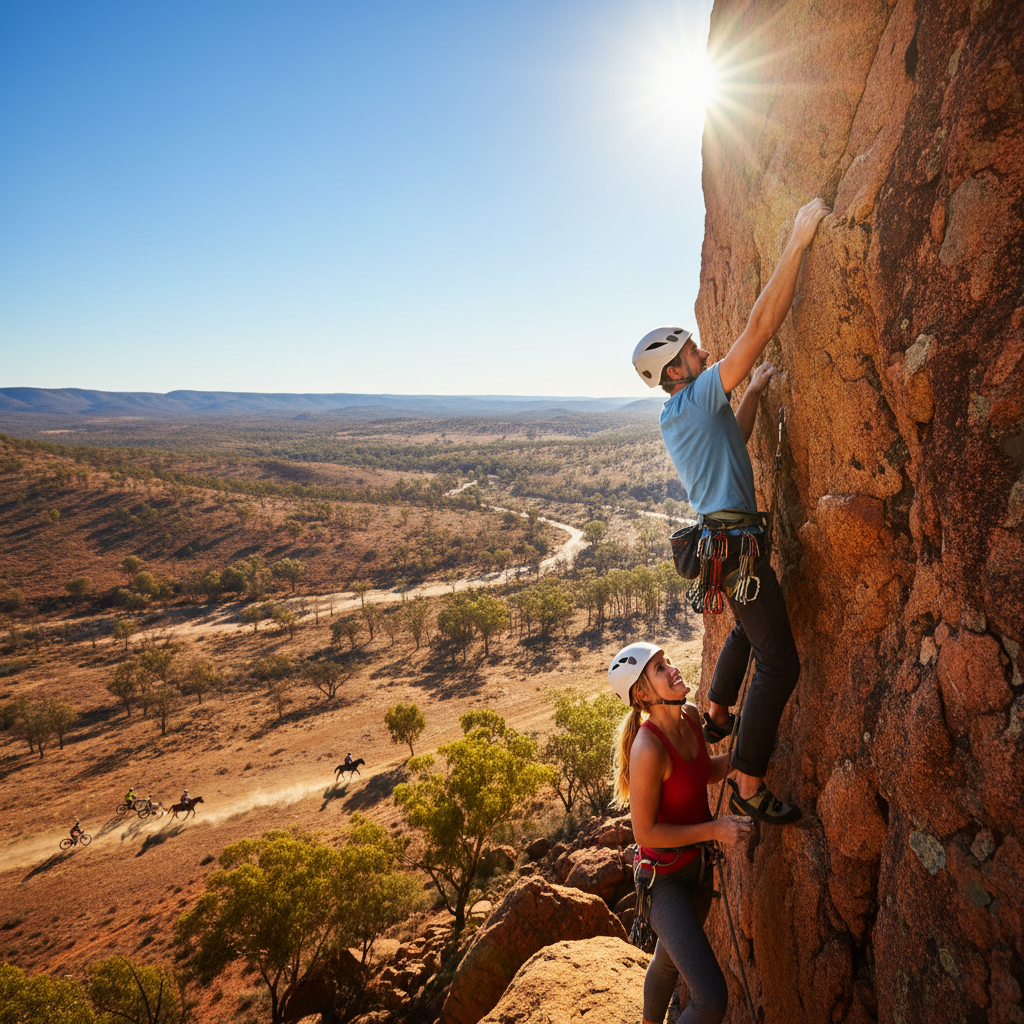
Beat the Burn: Helmet Sun Protection for Multi-Pitch Climbs in Australia
Australia. It's a climber's paradise. Rugged coastlines, vast outback, and granite giants that beckon. But with that epic scenery comes the brutal Australian sun. We all know UV damage is serious business, and on long, exposed multi-pitch climbs, your head is often the most vulnerable part of your body – and the least likely to be covered by anything other than your helmet.
Your helmet is your lifeline. It's designed for impact protection. But how well does it shield you from the relentless sun, especially during those multi-hour ascents under a scorching Aus sky? If you're relying solely on your helmet, you're likely falling short. This isn't about extra gear; it's about practical, essential sun protection that integrates seamlessly with your existing setup.
The Problem: Your Helmet and the Australian Sun
Think about your average multi-pitch day here. We're talking hours, sometimes the better part of the day, spent exposed. The UV index in many Australian climbing areas can soar, even on days that don't feel intensely hot. The sun beats down, reflecting off rockfaces, amplifying the exposure. Here's where a standard climbing helmet falls short:
Limited Shade: Most climbing helmets offer minimal brim coverage. They're designed for ventilation and impact dispersal, not for shading your face and neck.
Neck Burn: The back of your neck is a prime target for sunburn. A standard helmet leaves this area completely exposed, leading to painful burns that can impact your focus and even your enjoyment on the descent.
Face Glare: While sunglasses help, glare off the rock can still be intense, and a helmet brim can significantly reduce this, improving visibility and reducing eye strain.
Heat Build-up: Unsurprisingly, direct sun on your helmet can turn it into a personal sauna. While ventilation in helmets is crucial, additional shade can help keep your core temperature down and your brain functioning optimally.
Long-Term Damage: Cumulative UV exposure is a significant risk factor for skin cancer. Protecting your skin, especially on your scalp, ears, and face, is crucial for long-term health.
We’re not talking about a quick bouldering session; we’re talking about a full day dedicated to the rock. These are the days where sunstroke, dehydration, and sheer discomfort can turn an epic adventure into a miserable slog. And in Australia, that risk is amplified.
The Solution: Enhanced Helmet Sun Protection
This isn't about adding a bulky, cumbersome accessory that interferes with your climbing or safety. It's about a smart, effective addition that complements your helmet. We’re talking about visors specifically designed for climbing helmets. These aren't fashion statements; they are functional pieces of gear that make a real difference.
What Makes a Good Helmet Visor for Climbing?
Coverage: It needs to extend far enough forward to shade your face and nose, and ideally, offer some protection for your ears and the back of your neck. Think of it like a wide-brimmed hat, but specifically for your helmet.
Attachment: Secure attachment is non-negotiable. It shouldn't wobble, pop off, or get snagged on threads or rock. It needs to be easy to install and remove when conditions change or for cleaning.
Durability: It needs to withstand the rigours of climbing – bumps, scrapes, being stuffed in a backpack, and exposure to the elements.
No Interference: Crucially, it must not obstruct your vision upwards, downwards, or peripherally. It shouldn't interfere with your helmet's own functionality or the use of other gear like headlamps or goggles.
Lightweight: Added weight is the enemy of comfort on long days. It should be light enough that you forget it's there.
Dealing with Objections
Let’s be honest, you might be thinking:
“It’ll get in the way.” A well-designed visor attaches securely and is shaped to complement, not obstruct, your helmet. The goal is to provide shade without impeding your climbing movement or vision. We've seen too many sunburnt faces to let this slide.
“My helmet has vents, that’s enough.” Vents help with cooling, but they don’t block direct UV radiation. Think of it like wearing a tank top – it's ventilated, but you still get sunburnt if you don't apply sunscreen. A visor adds a crucial layer of physical interception.
“I just wear sunscreen.” Sunscreen is essential, absolutely. But it washes off, wears thin, and you can miss spots (especially on the scalp, ears, and back of the neck). A physical barrier is a more reliable, consistent form of protection, especially for long durations or when sweating heavily.
“It’s just another thing to buy/carry.” Consider the cost of a few bad sunburns, the discomfort, the potential for heatstroke, and the long-term health risks. A small investment in a helmet visor is a no-brainer for serious climbers spending time in the Australian sun.
“It’s not ‘proper’ climbing gear.” Safety and comfort are paramount in climbing. Anything that enhances either, without compromising the other, is vital. Sun protection is a safety issue, particularly in Australia.
Australian Conditions: Why It Matters Even More
We live in a special place. Here’s why specific consideration for Australian conditions is vital for multi-pitch climbing:
High UV Index: Australia consistently has one of the highest UV ratings in the world. The sun’s intensity can be extreme, even on cloudy days. Think about it: you're often climbing in the middle of the day when UV is at its peak.
Long Days: Multi-pitch climbs, especially in iconic Australian locations like the Grampians, Blue Mountains, or even the desert areas, can easily take 6-10+ hours. That’s a prolonged period of direct sun exposure on your head and face.
Heat: While UV and heat are different, they often go hand-in-hand. High temperatures combined with direct sun can lead to overheating and dehydration, impairing judgment and physical performance. A cooler head is a safer head.
Reflective Surfaces: Rock, especially lighter coloured granite or sandstone common in Australia, reflects sunlight, increasing your overall UV exposure from multiple angles.
Exposure: Multi-pitch routes are, by definition, exposed. There’s no tree cover, no building shade, just you and the rock under the vast, unforgiving sky.
Practical Application: The DA BRIM Difference
The DA BRIM is designed with these challenges in mind. It’s not just a visor; it’s a specifically engineered solution for helmet users who demand more.
Key Features for Climbers:
Generous Shade: Provides significant shade for your face, nose, and neck. This is crucial for preventing sunburn in areas notoriously difficult to keep covered with sunscreen on long climbs.
Secure Attachment: Designed to clip firmly onto most standard climbing helmets. No fiddling, no slipping. You can learn more about how it attaches on our How to Install page.
Durable Construction: Made from robust materials that can handle being stuffed in packs and the general abuse of climbing.
Lightweight and Non-Obstructive: You’ll forget you’re wearing it. It’s shaped to maximise shade without impacting your upward vision, which is critical for route finding and spotting holds.
Ventilation Friendly: It works with your helmet's ventilation, not against it, by reducing the direct solar load on the helmet shell itself.
Integrating DA BRIM into Your Climb
Using enhanced sun protection for multi-pitch climbs is straightforward. It's about making it part of your pre-climb routine.
Quick Checklist Before You Ascend:
[ ] Check helmet fit: Ensure your helmet is securely on your head.
[ ] Attach DA BRIM: Confirm it’s clipped in firmly.
[ ] Apply sunscreen: Don’t skip this. Cover exposed skin, especially the back of your neck and ears.
[ ] Hydrate: Start the climb well-hydrated.
[ ] Wear appropriate clothing: Long sleeves and pants can make a huge difference.
Step-by-Step Integration:
1. Choose Your DA BRIM: Browse our Products page to find the best fit for your helmet and needs. Consider the length of shade you require.
2. Installation: Follow the simple instructions on our How to Install page. It takes seconds.
3. Pre-Climb Routine: Before heading out, attach your DA BRIM. Make sure it feels secure. It’s now part of your helmet system.
4. During the Climb: Enjoy the enhanced comfort. Notice the reduced glare and the cooler feeling on your face and neck. It keeps the sun off your helmet, reducing heat absorption.
5. Post-Climb: Once you're down, remove the DA BRIM. Clean it if necessary and store it with your helmet. It’s simple maintenance for long-term durability.
When is it Essential?
While beneficial anytime you’re in the sun, DA BRIM is particularly crucial for:
| Activity | Australian Context | Essential? | Reason |
|---|---|---|---|
| Multi-Pitch Climbing | 6-10+ hours, high UV, exposed rock | YES | Prolonged exposure, significant UV, reflective surfaces, risk of heatstroke, direct sun on scalp/face/neck. This is where it’s most beneficial. |
| Single Pitch / Bouldering | Shorter duration, quicker sessions | Recommended | Still beneficial for reducing glare and some direct sun, but less critical than multi-pitch. |
| Hiking / Bushwalking | Often exposed trails | Recommended | Good for shade and comfort on longer treks. |
| Construction / Outdoor Work | Prolonged, direct sun exposure | Highly Recommended | Essential for worker safety and comfort. |
| General Outdoor Recreation | Any extended time outdoors (beach, park, etc.) | Recommended | Improves comfort and reduces early signs of sun damage. |
Common Misconceptions Addressed
It’s easy to dismiss additions to your climbing setup. But when it comes to Australian conditions, sun protection on a helmet isn't a luxury; it's practical risk mitigation. The FAQ page addresses many common questions about usability and effectiveness.
Conclusion: Don't Let the Sun Win
Multi-pitch climbing in Australia is an incredible experience. Don't let a painful sunburn or heat exhaustion cut your adventure short or ruin your descent. Your helmet is designed for impact; let's enhance its ability to protect you from the sun too.
A DA BRIM helmet visor is a simple, effective, and affordable way to significantly improve your comfort and safety on long days in the sun. It's a crucial piece of kit for any climber venturing out on Australian multi-pitch routes. Protect your face, your neck, and your long-term health. Make sun protection a non-negotiable part of your climbing gear, just like your helmet itself.
Check out our range of Products and get ready for your next climb. Because epic views shouldn't come at the expense of healthy skin. For more tips and tricks, visit our Blog section.