
Beat the Burn: Essential Sun Protection for Long Australian Cycling Adventures
Long road rides in Australia demand serious sun protection. Learn how to shield yourself from harsh UV rays and heat, even on the longest climbs and descents.
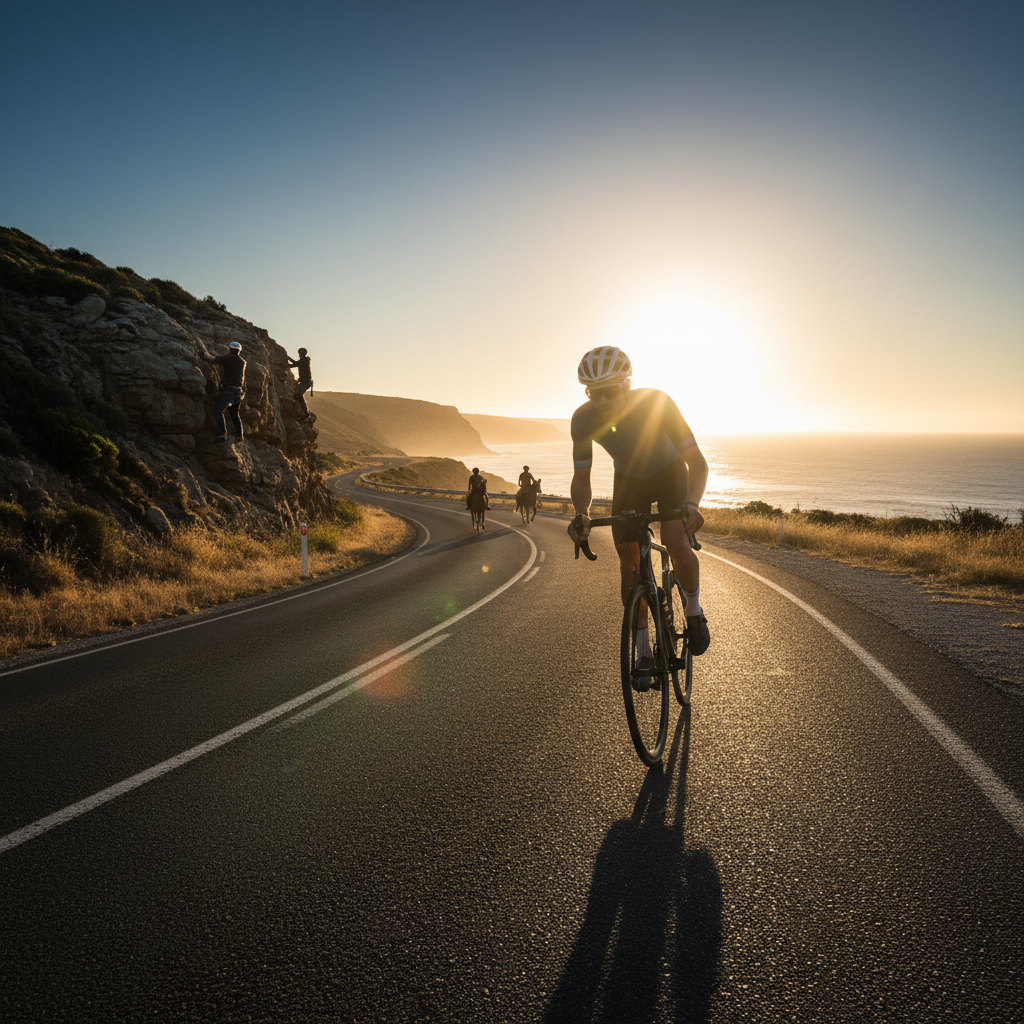
Beat the Burn: Essential Sun Protection for Long Australian Cycling Adventures
Australia. The land of endless sunshine, perfect cycling weather, and… brutal UV rays. If you’re a road cyclist planning a long ride, especially during the warmer months, sun protection isn't an optional extra – it's a critical piece of your kit. Ignoring it means risking sunburn, heatstroke, and long-term skin damage. This guide cuts through the fluff to give you practical, no-nonsense advice for staying safe and comfortable on your next epic ride.
The Harsh Reality: Australian Sun and You
We all know the sun here is intense. Those long summer days, especially in inland or coastal areas, can deliver a significant UV dose. Even on cloudy days, UV rays can penetrate, catching unprepared cyclists out. For long road rides, you're essentially exposing yourself for hours on end. This isn't a quick commute; it’s sustained exposure. This means we need to be smart about how we protect ourselves, and it goes beyond just slapping on some sunscreen.
Why Standard Bike Helmets Aren't Enough
Most cycling helmets are designed for safety in a crash and ventilation. They offer virtually no sun protection for your face, neck, or ears. The tiny vents that keep you cool also let the sun in. Relying solely on a helmet leaves large areas of your skin vulnerable to burning and premature aging.
Your Sun Protection Arsenal: Beyond the Helmet
Effective sun protection on a long ride is a multi-pronged approach. It’s about layering your defenses.
1. Sunscreen: The First Line of Battle
This is non-negotiable. But not all sunscreens are created equal for cycling. You need:
High SPF: Australian standards are high for a reason. Aim for SPF 50+ with broad-spectrum protection against UVA and UVB. Reapplication is key.
Water/Sweat Resistant: You’ll be sweating buckets. Choose a formula that won't run into your eyes, stinging them and reducing visibility. Look for 'sweat resistant' or 'water resistant' for at least 80 minutes.
Non-Greasy Formula: Nobody wants feeling like a grease ball under their helmet. Opt for light, fast-absorbing lotions or sprays (though lotions are generally better for precise application).
Application Timing: Apply sunscreen 15-20 minutes before you head out, allowing it to properly bind to your skin. Don't forget exposed areas like your ears, neck (especially the nape if you have short hair), back of hands, and lips (use a lip balm with SPF).
2. Protective Clothing: More Than Just Lycra
Your cycling kit offers some protection, but consider these additions:
Arm Sleeves: Lightweight UV-protective arm sleeves are a game-changer. They provide excellent sun coverage for your arms without the heat of a long-sleeved jersey, and they're easy to pack or remove as conditions change.
Neck Gaiter/Buff: Essential for protecting your neck and lower face. A breathable, moisture-wicking neck gaiter can be pulled up over your nose and mouth on particularly harsh days, and offers a barrier against the elements.
Sunglasses: Not just for looking cool. High-quality cycling sunglasses protect your eyes from UV radiation and glare, reducing eye strain, and also shield the delicate skin around your eyes.
3. The Helmet Brim: Your Secret Weapon
This is where most cyclists fall short. Standard helmets don't shade your face. A helmet brim specifically designed for cycling attaches to your existing helmet, extending coverage significantly. Think of it as a built-in visor for your helmet. This is often the most overlooked but highly effective solution for keeping the sun off your face, neck, and ears.
Let's look at how effective this can be.
| Feature | Standard Helmet | Helmet with Brim | Benefit on Long Rides |
|---|---|---|---|
| Face and Neck Shade | Minimal | Significant | Reduces glare, prevents sunburn on face, ears, and neck, reducing heat absorption. |
| Eye Comfort | Poor | Good | Minimises squinting, reduces UV exposure to eyes, improves visibility in bright light. |
| Ease of Use | N/A | High | Attaches easily, no extra gear to manage, always in place. |
| Heat Management | Focuses on head | Enhances comfort | By shading the face, it reduces overall radiant heat felt, improving comfort. |
Practical Strategies for Long Rides
Having the gear is one thing; using it effectively on a long ride is another. Here’s how to integrate sun protection into your ride plan.
Pre-Ride Hydration and Nutrition
While not direct sun protection, staying hydrated and fuelled helps your body cope with the heat and exertion, making you less susceptible to heat-related illnesses. Drink water consistently before, during, and after your ride.
The Top-Up Strategy: Reapplication is Key
Sunscreen sweats off. It wears off. You will need to reapply, especially on rides longer than 2-3 hours. This is where practical planning comes in.
Plan Your Stops: Identify cafes, public toilets, or even discreet, shady spots along your route where you can stop for a few minutes to reapply sunscreen.
Carry the Essentials: A small, travel-sized tube of sunscreen and a lip balm with SPF should be in your jersey pocket or saddlebag. Don’t rely on finding a shop.
Don't Forget Your Ears and Neck: These are often the most sunburnt areas for cyclists because they're easily missed!
How to Install and Use a Helmet Brim – A Step-by-Step
If you’re wondering how to add this crucial layer of protection, it’s simpler than you think. Our DA BRIM range is designed for easy integration with most standard cycling helmets.
1. Assess Your Helmet: Ensure your helmet has a reasonably flat surface at the front where the brim can attach. Most standard road cycling helmets are suitable.
2. Clean the Attachment Area: Wipe down the front edge of your helmet where the DA BRIM will sit. This ensures a strong bond.
3. Position the Brim: Place the DA BRIM onto the front edge of your helmet. The hook-and-loop fasteners (or other attachment system) should align with the helmet's surface.
4. Secure the Brim: Press down firmly on the fasteners to secure the brim. It should feel snug and stable, not wobbly.
5. Adjust for Comfort and Shade: Make sure the brim is positioned to provide maximum shade over your face and eyes without obstructing your vision.
It’s that easy. No tools, no permanent modifications. You can find more detailed instructions on How to Install this essential piece of gear.
Managing Heat on the Bike
Beyond direct sun protection, reducing overall heat load is vital for long, hot Australian rides.
Hydrate Relentlessly: Water is your best friend. Consider electrolyte drinks for longer efforts.
Use a Cooling Towel: A damp cooling towel dipped in water and worn around your neck can provide significant relief when riding.
Choose Breathable Gear: While not directly UV protection, light-coloured, breathable cycling jerseys help with heat management.
Take Advantage of Shade: If your route allows, plan to ride through shaded sections or take breaks in the shade during the hottest parts of the day.
Common Objections and How to Handle Them
"But a big brim will make me look like a mushroom/bee-keeper!"
We get it. Aesthetics matter to some. However, consider the alternative: a peeling, painful burn that ruins your post-ride enjoyment and increases your risk of skin cancer. Functionality for long, exposed rides in Australia trumps fashion. Plus, many modern helmet brim designs are sleeker than you might imagine, and with the right helmet colour and fit, the added protection is well worth it.
"It will catch the wind and slow me down!"
While any addition to your helmet will create some drag, the DA BRIM is designed with aerodynamics in mind. For the vast majority of road cyclists, the benefits of shade and sun protection far outweigh any marginal increase in wind resistance. Unless you’re a professional racer on time trial bikes targeting UCI records, this shouldn't be a primary concern for your everyday long rides.
"Isn't it too hot to wear a brim?"
Paradoxically, keeping the sun off your face can actually make you feel cooler. Intense solar radiation on your skin contributes significantly to your perceived heat load. By blocking direct sun, you’re reducing the amount of heat your body has to dissipate, potentially improving comfort and endurance.
"I'll just wear a cap under my helmet."
A cap offers very little coverage for your neck and ears and often bunches up uncomfortably under a helmet, blocking vents and reducing ventilation. It's a poor substitute for proper sun-shielding.
Invest in Your Ride, Invest in Your Health
Long road rides are about freedom, exploration, and pushing your limits. Don't let the Australian sun cut them short or cause long-term damage. Integrating effective sun protection into your routine is as important as checking your tyre pressure or lubricating your chain. A good sunscreen, appropriate clothing, and crucially, a helmet brim designed for cycling, will make a world of difference.
Sunscreen: SPF 50+, sweat-resistant, reapplied often.
Protective Layers: UV arm sleeves, neck gaiter, quality sunglasses.
Helmet Brim: Your primary defense against facial and neck sun exposure.
Hydration: Sip consistently before, during, and after.
- Awareness: Be mindful of UV index and peak sun hours.
Explore our range of products specifically designed to enhance your cycling experience, including helmet brims that offer superior sun protection. Visit our Products page to find the perfect addition to your kit. Don't forget to check out our FAQ for answers to common questions and our Blog for more cycling tips and insights.
Ride safe, ride protected, and enjoy those incredible Australian roads!